
Common influencer marketing misconceptions
The truth: If the athlete's own audience stops growing, you keep reaching the same people over and over so make sure they are growing.
Founder · September 16, 2026 · 24 min read
Picking creators
Myth: A big influencer keeps growing your brand in a celebrity endorsement
The truth: If the athlete's own audience stops growing, you keep reaching the same people over and over so make sure they are growing.
You can also invest in the influencer via their education/opportunities
the company made a lot of mistakes around spending too much on athletes thinking that they can keep holding value but what you don't realize is if your influencer doesn't grow they can only grow you so much it's the same audience over and over again Hear it: Ron Shah | Scaling to $30M in 30 Months | Founder of Obvi | NMT EP21
Who says so: Ron Shah, founder of Obvi, which he scaled to $30M in 30 months.
Myth: Send your product to creators who already use products like it.
The truth: Sending a vegan protein to vegan ambassadors is the wrong way round. Send it to people who would never normally buy it, like a 250 pound bodybuilder.
we've really done too is like giving it to someone who takes vegan protein is like these absolutely wrong way yeah we had some brands like oh we're gonna send it to our vegan ambassadors yeah let us send it to the you know the 250 pound bodybuilder Hear it: Armada Nutrition Projects & "Supply Side" Trends | Joshing Around Ep.18
Who says so: Joshua Schall's podcast, in an episode on Armada Nutrition
Do this:
- Assemble a group of around ten people who do not normally take supplements to test the product.
- Avoid telling testers what the product is before they try it.
- Watch testers' faces in person while they try the product instead of only listening to what they say.
- Send vegan protein to a non vegan tester like a 250 pound bodybuilder instead of to vegan ambassadors.
Myth: Only established creators can make content that sells.
The truth: One of the most underrated tactics is getting your ordinary, no-name customers to make UGC for you, at scale.
I think it's still underrated, but I think one of the most underrated tactics is unleashing your no-name customers as UGC content creators at scale. Hear it: Building a 9-Figure Baby Brand: Bobbie’s Kim Chappell (Chief Brand Officer)
Who says so: Kim Chappell, chief brand officer at Bobbie, a 9-figure baby brand
Do this:
- Recruit regular no-name customers to produce UGC content for the brand.
- Treat this as a scale tactic rather than a one-off, producing content from many customers.
Myth: A creator you pay will do a straight product endorsement and hit your talking points.
The truth: Casey Neistat turns work like that down and tells brands he is not a fit for it. Hire a creator for their own style, and if you need a straight endorsement, pick a different creator who already does that, the way you would not hire a tennis player to play running back.
if what you wanted were numbers and explicit product endorsement there are so many creators that have a reputation that can do that that will be more accurately and and fairly communicated I don't do that so I'm not a good fit for that you know you don't hire a tennis player to you know be a running back Hear it: The Casey Neistat Interview
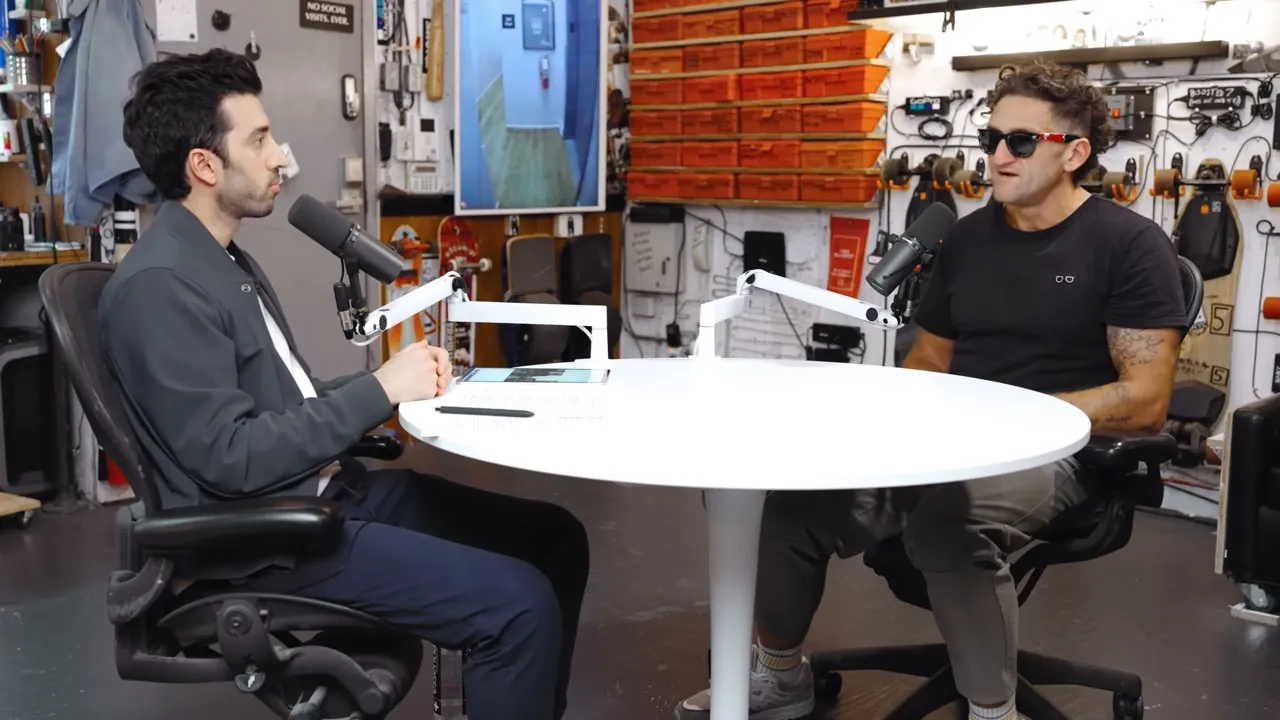
Proof: Casey Neistat turned down a brand deal's talking points and told them plainly he would not do it, saying he has 1,200 videos online and never done a voice over about product nuances. (Casey Neistat, a content creator and entrepreneur)
Do this:
- Skip scripting specific talking points for the creator to recite in the video.
- Check the creator's existing body of work for whether they already do straight product endorsement before hiring them for one.
- Pick a different creator who already has a reputation for explicit product endorsement if that is what the campaign needs.
Myth: Any celebrity deal is good marketing as long as the celebrity has reach.
The truth: The team behind Hims and Hers says it can go badly wrong. If there is no real story tying the celebrity to the product, and it is not solving something they actually use day to day, the deal falls flat.
but it can go so wrong if you bring your product to a celebrity and there's just no authentic story there. It's not solving a daily use case they have. Hear it: How they built Hims & Hers from Zero to $1.6 Billion | What they're Building Now!
Proof: Haley wanted to start a cooking show but was known for makeup and fashion, and when brands approached her on the food side it did not fit her natural storytelling and did not click, while Rhode worked because it was authentic to who she is. (Hilary Coles, co-founder of Hims & Hers, and Emily Boschwitz, its founding marketing hire)
Do this:
- Check whether the product fits into the celebrity's actual routine before signing them, not just whether they have the right demographic of followers.
- Build consistency in the celebrity's storytelling over time instead of treating the deal as a single transaction.
Paying creators
Myth: An affiliate program has to hand out a discount.
The truth: Bloom Nutrition's affiliate program gives no standing 10 or 20 off, and the product only goes on sale around Black Friday. The price keeps its value.
I didn't want an affiliate program that discounted the product right I don't wanna I don't want to have a constant 10 20 off of our product our product never goes on sale unless it's you know Black Friday or prime day yeah right and that's been something that's been that's been a you know a core value of this brand is is we're not doing like every informs has 20 off of this product we don't do that Hear it: Secrets to "Overnight Success" at Bloom Nutrition | Greg LaVecchia Interview
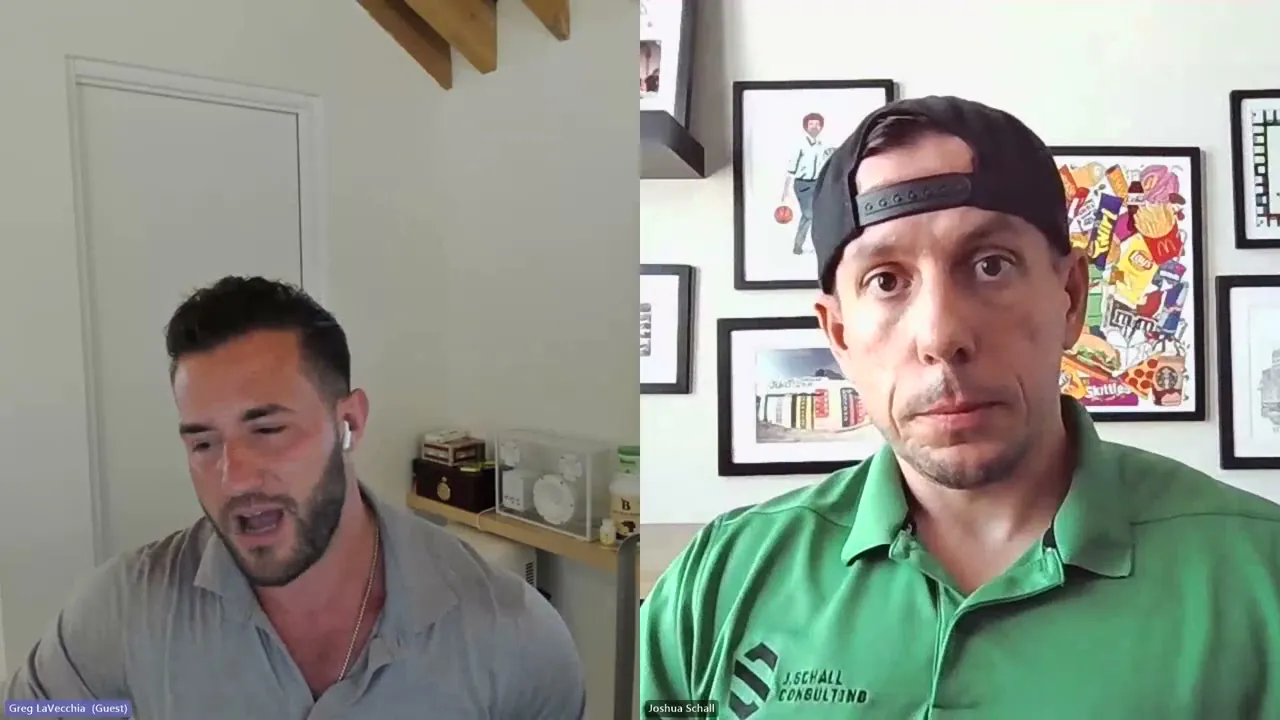
Who says so: Greg LaVecchia, co-founder of Bloom Nutrition, who ran its paid media himself
Do this:
- Remove the coupon code step from checkout so buying through an affiliate link takes no extra clicks than buying anywhere else.
- Set a rule that the product only goes on sale for named events like Black Friday or Prime Day, not on a standing basis.
- Build out sophisticated tracking techniques to handle attribution since there is little easy to track attribution without discount codes.
Myth: Once you launch an affiliate program, people will promote you on their own.
The truth: That almost never happens. Treat affiliates as another tier of customer and make them an offer so good they would feel stupid saying no.
I think this is one of the most misunderstood part people think they like oh I'm going to have an affiliate program people just automatically promote my stuff that just basically never happens Affiliates basically become another tier of customer for you and you have to make an offer so good they feel stupid saying no just like you would for a customer Hear it: Breaking down Rihanna’s Company (Real Tactics You Can Use)
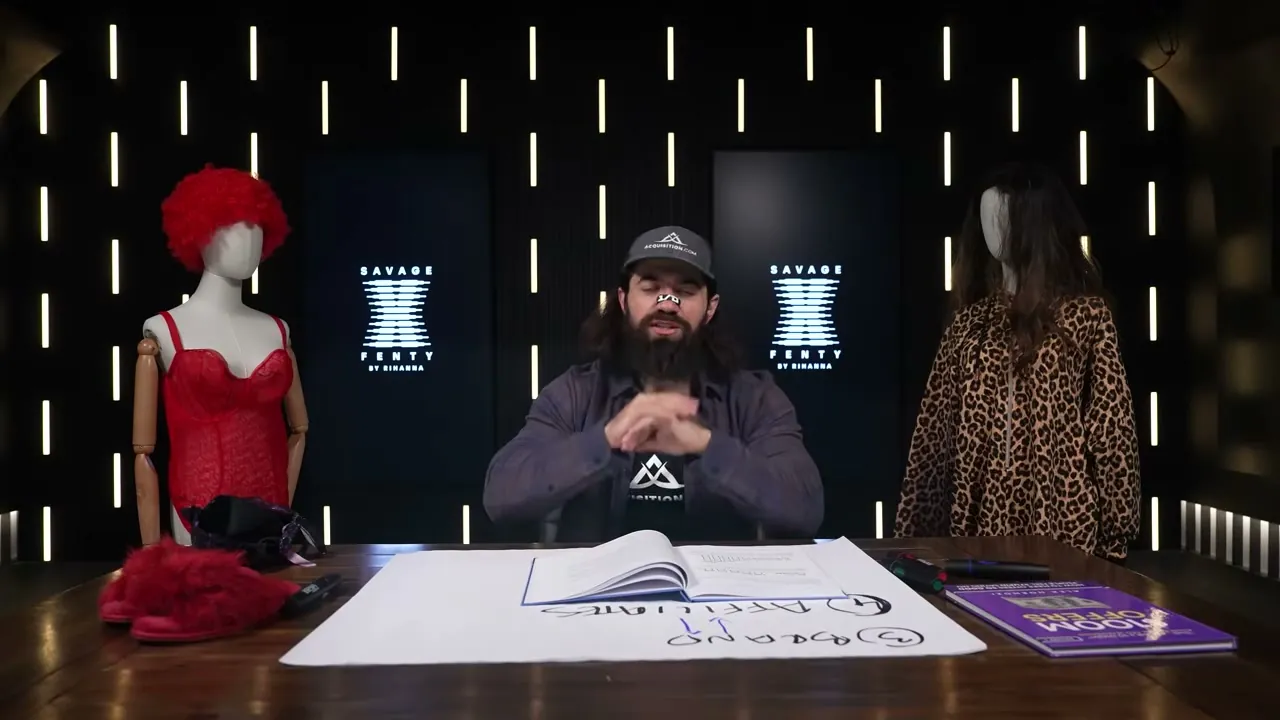
Who says so: Alex Hormozi, who invests in companies through acquisition.com
Do this:
- Make affiliates an offer so good they would feel stupid saying no, the same way you would for a customer.
- Send affiliates banners, links, and promotional materials so promoting is turnkey for them.
- Check that affiliate promotions stay on brand rather than leaving it entirely to the affiliate.
- Choose affiliates deliberately based on the look, feel, and associations you want linked to your brand.
Myth: Paying top dollar for big influencers gets you good posts.
The truth: Brands are spending millions on bad posts that come from weird briefs with no clear call to action. Fix the brief and the call to action before you raise the fee.
Man, there's some of these agencies. I'm not going to call some of them out specifically, but man, I walked into a scenario where brands are spending millions on influencer, paying top dollar for all these people for bad posts with like weird briefs without the right CTAs. Hear it: The Most Valuable Marketing Conversation You’ll Watch in 2025
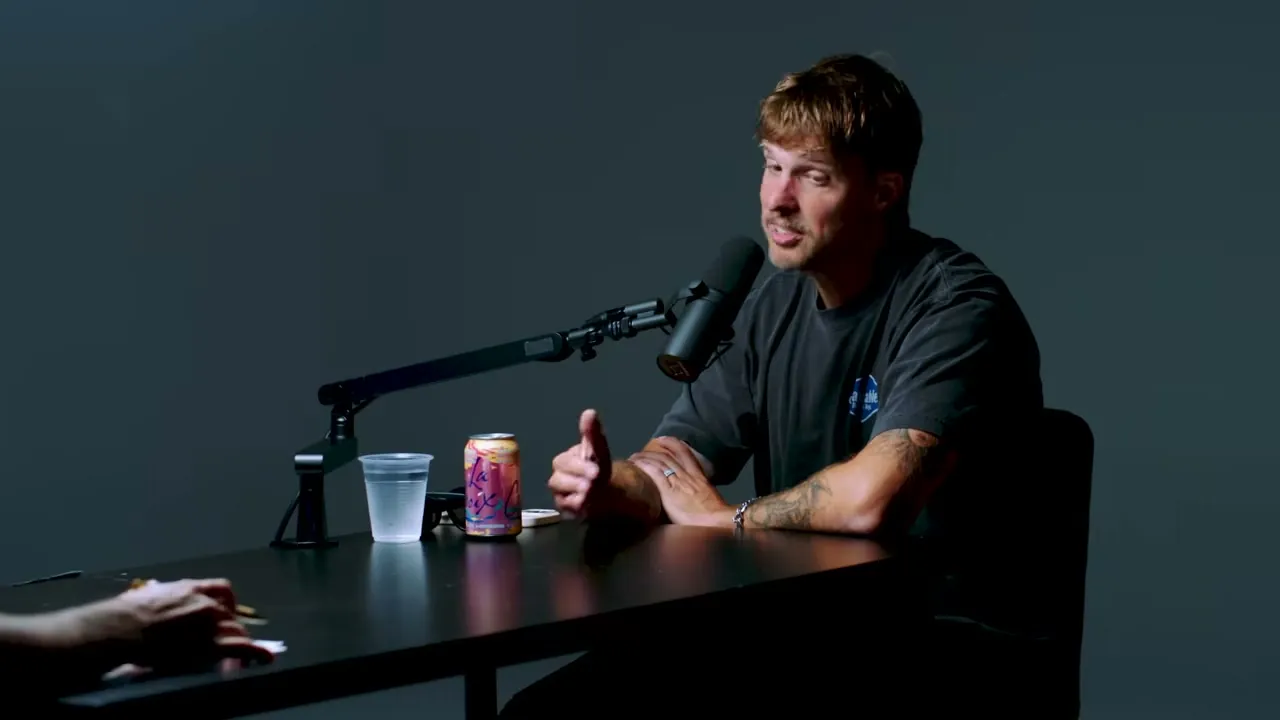
Proof: Working with an agency that gave detailed, organized briefs and feedback helped a Gel Blaster video go from a couple hundred thousand views to a couple million. (Orin John, a creative director who has held marketing and brand leadership roles)
Do this:
- Add specific creative details to briefs, such as sound effects or on screen overlays, rather than leaving them generic.
- Check whether the agency or team gives detailed, organized feedback on drafts before posts go live.
- Avoid simply paying the highest fee to the biggest creator without reviewing brief and CTA quality first.
Myth: Sign creators to long, exclusive contracts, the way you would a top athlete.
The truth: Nutrabolt runs it the other way. If a creator works, they stay on. If not, the brand moves on to someone else. That flexible, non-exclusive setup gives both sides room to change course.
if it works, great, we'll keep you on. If it doesn't, sorry, we'll find someone else. I know that's kind of harsh to say, but I think that's essentially what you're saying. Yeah, and if you juxtapose that to like signing up a, you know, a tier one athlete or something, you know, even like a middle-level influencer, you know, you're signing up contract, there's like this relationship, it's exclusive. You know, what we do today, it's it's very flexible and it gives us a lot of flexibility, it gives the content creator, you know, some flexibility. Hear it: The Playbook That Turned Nutrabolt Into A Billion-Dollar Disruptor
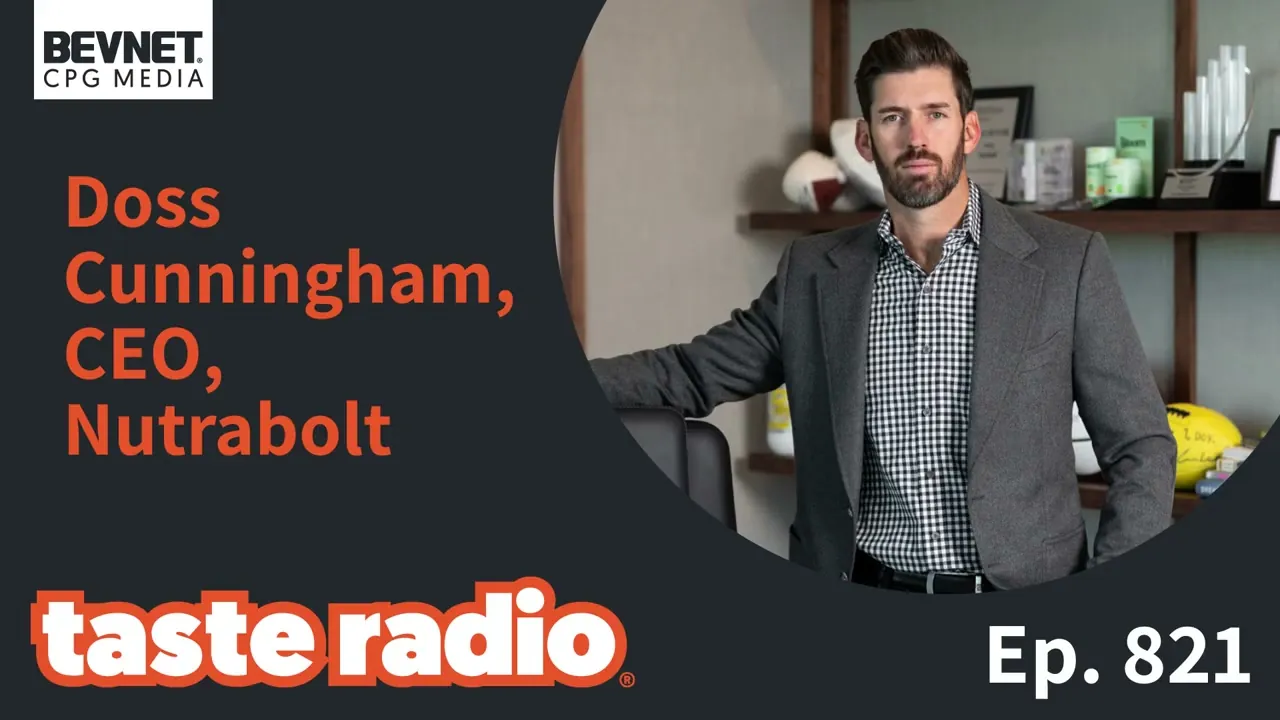
Proof: Nutrabolt built a content creator program with full time staff scouting and recruiting creators and paying them for an initial trial before deciding whether to continue. (Doss Cunningham, founder and CEO of Nutrabolt, the company behind C4)
Do this:
- Pay a creator for one to three pieces of content before committing to anything longer.
- Sign the creator to a longer term contract if that initial content performs.
- Cut the creator loose and move on if the content does not perform.
- Recruit creators who are just discovering they are good at content creation rather than only chasing big followings.
Myth: Grow your affiliate program by signing up as many affiliates as possible.
The truth: Aaron Paul says that is backwards. Affiliate marketing is not a quantity game, it is a quality game. Judge your program on the quality of the affiliates you have, not on how many you signed up.
the understanding with Affiliates is that it's a quantity game which is which is not true it's completely quality based Hear it: E048: Scaling with Affiliate Marketing: What’s Working for Leading DTC Brands, with Aaron Paul
Who says so: Aaron Paul, co-founder of Paul Street, an affiliate marketing agency
The content itself
Myth: A brief only needs to tell the creator what to say.
The truth: Show creators examples of posts that worked and examples of what did not, then let them keep their own style. Few brands send the second half.
What I think a lot of brands get wrong is they don't give examples of winning things that are working as well as hey don't do these things cuz this doesn't work. That to me I think is enough to tell the creator still do you keep your keep your vibe. We know you know your audience better but these are the things that didn't work. So I would suggest not doing these things. I don't think enough people do that. Hear it: The New Way to Run Meta Ads in 2025
Who says so: Nick Shackleford, founder of Structured Agency and a partner at Breeze
Do this:
- Show creators examples of others who are really good at the format alongside the framing instructions.
- List the specific things that did not work so creators know what to avoid.
- Tell creators to keep their own style and vibe rather than copying the winning examples exactly.
Myth: The more you manage a creator's content, the better it gets.
The truth: Over-managing outside creators is a recipe for weak content. Give them room to make something your own team would never have made.
I think over-managing your content your your external content team is a recipe for for not great content. For your internal team, let them cook. Let them do what they're they do best on on knowing what they know about the brand and the science and this and that, but give other people the ability to go create something that you maybe would have never created before. Hear it: 350.The Next Women's Health Giant with Bobby Bitton, Co-Founder and CEO of O Positiv
Who says so: Bobby Bitton, co-founder and CEO of O Positiv, a women's health brand
Do this:
- Send out more product samples to creators than other supplement brands typically do.
- Find people who try the product and feel something, then hand them the camera without giving them much direction.
- Let the internal team keep doing what they know best on brand and science instead of micromanaging outside creators.
Myth: You need your own studio to get polished creator content.
The truth: You can get it just by booking creators who already shoot polished content, rather than ones who shoot rough, native video.
I think that's been a mode for us. But you don't need to like you can achieve this like hi-fi content pillar simply by working with creators that produce hi-fi content versus a creator that shoots super native like content. Hear it: Performance Creative: Velocity, AI Tooling, and the Paid-Organic Relationship With Dara Denney
Who says so: Dara Denney, a creative strategist with ten years as a media buyer, on Marketing Operators
Do this:
- Split your creator roster into a lowfi native bucket and a higher produced hi-fi bucket.
- Pick creators who already have nice kitchens and good lighting rather than assuming you need a studio.
- Book creators for a single video around the 1,000 to 1,500 price point rather than building a studio.
Myth: The most effective creator content is just a clip of a celebrity or investor mentioning your product.
The truth: One brand's best clip was not just a Shark Tank clip. It framed the investor calling their deal the biggest mistake of his life, then said how much revenue the gum brand does this year. Brief creators for a story, not just a mention.
it's not just a Shark Tank clip. It's they frame it in a way where it's Kevin Oly calling our deal stinky poo poo is the biggest mistake he's ever made in his life. And listen to this. This is why this gum is now doing this much in revenue this year. Hear it: The TikTok Growth Expert: The Strategy That’s Printing Millions Right Now
Who says so: Ken Yoshimura, co-founder and chief executive of Neurogum, a nootropic caffeine gum brand
Do this:
- Frame the celebrity or investor clip as a story about a past rejection or insult turning into current success.
- Add a line stating how much revenue the brand now does as the payoff to the story.
- Weave in the founders' personal backgrounds, like an athlete or paraplegic story, to build the underdog narrative.
- Also clip bottom of funnel moments where a well known figure is shown genuinely liking the product, and push that out separately.
Creator content in ads and your own channels
Myth: Organic influencer posts should come first and paid ads second.
The truth: In 2023 one brand paid Benny Blanco a low six-figure deal for about four posts pointing at a custom landing page, and made no more than 25,000 dollars in revenue from it. Looking back, it would have run paid ads with him first and organic second.
Uh you know, early on in like 2023, we were leaning way too heavy into organic influencer and trying to like make that work when in reality we should have been leaning like paid paid paid first, organic second. So like we did this deal with Benny Blanco. It was like a six-figure low six-figure deal, made this gorgeous landing page, custom products. Um you know, he had like four posts or something driving to this landing page and I think we drove like, I don't know, 20 25,000 dollars in revenue on the products that were on that page. And I was like in retrospect sitting here today, I would have flipped that on its head. I would have been like, "Yo, we got to like make paid ads with Benny and like have a paid media landing page." Hear it: Channel Diversification in Ecommerce: Biggest Mistakes & Wins
Who says so: Marketing Operators, hosts who run marketing at Ridge, Jones Road Beauty and HexClad
Do this:
- Ask for organic deliverables to be removed when negotiating a rate back.
- Set deals to about 80 percent paid and 20 percent organic instead of mostly organic.
- Buy a shorter list of deliverables with 3 to 4 months of usage rights first, then extend if it validates.
- Build the paid ads and a paid media landing page with the influencer instead of a purely organic post.
Myth: Creator partnerships only belong in paid ads.
The truth: Put your best creator-led content in your own channels too, like your emails, and send traffic to it even when it is not a direct response funnel.
And like we we think that as well, which is why we don't only leverage these partnerships in paid, but we like to call out like cool creator led content in owned media and actually drive traffic to it even though that's not like a typical DR email or text funnel. Hear it: Creators Over Reach: How to Rewrite Your Influencer Marketing
Who says so: Marketing Operators, hosts who run marketing at HexClad and Ridge and ran it at Jones Road Beauty
Do this:
- Call out creator led content inside owned media like email or text.
- Send traffic to that creator content even when it does not fit a typical direct response funnel.
Myth: YouTube ads have to look super polished.
The truth: They do not. Test an ad that looks like a native YouTuber made it.
I think the other thing everyone thinks I know you talked about it when like at the Google thing like everyone thinks YouTube has to be super polished. Um I really like that one demo that you had from uh from Arctic that was like a native YouTuber. Hear it: The Untapped Potential of YouTube Ads - Strategy, Measurement & What Drives Results with Brett Curry
Proof: Mashed up UGC and influencer content for a big automotive brand smashed on all platforms while high polish ads did not win. (Brett Curry, founder of OMG Commerce, which runs Google and YouTube ads for ecommerce brands)
Do this:
- Test a native YouTuber style demo ad like the one from Arctic instead of a polished ad.
- Mash up UGC and influencer content edited to fit 16 by 9 and 1 by 1 formats.
- Add just enough editing, pacing, music and graphics to the UGC mashup to make it feel a little more polished.
Myth: Buying ads to blast a creator's page with followers is a smart way to grow reach.
The truth: Bloom's founder did this more than once and ended up with 10,000 followers from India he could not sell the product to. Check where new followers live and whether they can buy from you before you pay to grow a creator's page.
The amount of times I went all in on a meme ad to go try to blast her page with followers, and then it ended up just being 10,000 people from India that I could not sell a product to, and then, you know, we were eating we were eating tuna fish that night. Let me tell you. Like that was That was a bad night. Hear it: How Bloom Built the Playbook Every Founder Will Copy in 2026
Proof: Bloom bought meme ads to grow Mari Llewellyn's following and ended up with 10,000 followers from India who could not buy the product. (Greg LaVecchia, co-founder and CEO of Bloom Nutrition, bootstrapped to 180 million dollars)
Do this:
- Stop running meme page ads that promise to blast a creator's page with followers without checking where those followers live.
- Check whether the country or region the new followers come from is a place you can actually sell your product.
- Restart the approach from zero after a bad campaign instead of abandoning creator marketing altogether.
Judging whether it worked
Myth: Drop any kind of creator content that returns less than your best one.
The truth: A brand sees founder content return 5x on ad spend and everyday creator content return 3x, and drops the creator content. That is a mistake, because each one does a different job in the funnel.
I think the mistake a lot of brands make is like, oh, founder content has a 5x aggregate row as a meta and this like everyday creator content just explain the features only has a 3x. Like, oh, let's abandon that entirely and only do founder content when in reality they each serve their own purpose in the funnel. Hear it: From Brand Moments to Revenue: How Halfdays Drives Growth - with Liz Anthony, Chief of Staff
Who says so: Liz Anthony, chief of staff at Halfdays, a women's outdoor apparel brand
Do this:
- Sequence different content types so the same person sees them in order, for example a skiing video followed by UGC explaining technical features, then a static ad on features.
- Check each content pillar's return against your account average before deciding whether to cut it, instead of comparing it only to your top performer.
- Keep a mix of founder content, product person content, community generated content, and static ads running together in the account.
Myth: You can judge a creator video in its first week.
The truth: Check how it performed again at 14, 30, 60 and 90 days.
uploading their YouTube video, but you also want to be looking 14 days, 30 days, 60 days, 90 day often, uh, analyzing how that first YouTube video performed. Hear it: The Influencer Marketing Playbook - with Lily Comba, Founder & CEO of Superbloom
Who says so: Lily Comba, founder and CEO of Superbloom, who built Seed Health's paid influencer programme
Do this:
- Track conversions from the YouTube video in the first 24 hours after it uploads.
- Check the video's performance again at 14, 30, 60 and 90 days after posting.
- Run a three month test to determine your multipliers and model before locking in decisions.
- Build separate models per channel rather than one programwide model, since performance shifts by channel.
Myth: Once creator content is made, you just post it.
The truth: The brands doing best look at how each batch was received and go straight back to the creator to improve the next one.
the mistake of the past was people investing lot in content and then just pushing it out and not changing things the people that who I see we're doing the best things with content now they make the content and they see house received and immediately they're working with the creator on the next batch to refine it Hear it: CoFounder of Pop Pays - Corbett Drummey (Full Interview)
Who says so: Corbett Drummey, co-founder of Pop Pays
Do this:
- Boost the content to an audience that follows similar accounts to your product category.
- Track which formats convert after boosting, such as comparing Instagram stories using outside photography against other formats.
- Refine targeting based on what group responds best, such as boosting to people who work from home companies.
- Go back to the creator to work on the next batch of content after seeing how the current one was received.
Myth: Turn off any creator ad that is not hitting your normal return on ad spend target.
The truth: A whitelisting video at a 0.5 ROAS can be far more incremental than a static ad at a one, meaning more of its sales would not have happened without it. This team used to shut those videos off at 0.5 because they missed the target. Judge a creator ad on what it adds, not only on its ROAS.
just because it's a purchase objective like you might get a 0.5 ROAS on a, you know, a whitelisting video and a one on a static, but the the whitelisting video could be way more incremental, but I I know what we were doing is we would shut off that whitelisting video at the 0.5 because it didn't hit our success criteria. Hear it: E056: Redefining Your Ad Creative Strategy and Maximizing Meta Performance
Proof: Ridge's top of funnel work looked 60 to 70% worse on click ROAS than their conversion optimized campaigns, but a geo lift study showed it was extremely incremental. (Marketing Operators, hosts who run marketing at Jones Road Beauty and Ridge)
Do this:
- Run a geo lift holdout test on whitelisting ads before turning them off for missing the ROAS target.
- Define what success looks like separately for each ad type or funnel stage instead of using one universal ROAS target.
- Stop shutting off a whitelisting video just because it misses the same success criteria as a static ad.
Myth: Once a creator campaign shows good results, stop it and build a new one.
The truth: One agency saw a client's food and drink business get a campaign working, and his next move was to stop it and start a different one instead. Keep running and building on what is already working before you start something new.
The other misconception is that people tend to see the results and then they stop right I'll give you an example I spoke to a business owner before it's our existing client right so they they get an influencers campaign ready for his FnB branch he sees the results then he say okay so basically I ask him now what do you want to do next right then and you say okay since this campaign is already working let's stop and let's create another campaign right Hear it: The State Of Influencer Marketing in 2025 [Agency Secrets]

Who says so: Joel and Joshua Mo, who runs Social Jet
Do this:
- Copy the structure of the content that is already working into a new batch of content.
- Increase the ad spend behind the campaign that is already working.
Launches and new channels
Myth: You can test a new creator channel with a small budget.
The truth: Go big enough to test several partners and learn something. One marketer now runs every new channel for at least 3 months.
I think a mistake I've made in the past is with with new channels not going big enough and you don't really get enough of a test, you know, and you can't test as many partners and and learn as much. So I'm not going to do any channel less than that and 3 months. Hear it: New Product Launch Strategy, Net New Reach on Meta, and Big Partnership Swings
Proof: At Jones Road, going long tail on podcasts with budgets as small as 500 to 1000 dollars per show meant most were sitting at not great CPAs two weeks in, with only a few already profitable. (Marketing Operators, hosts who run marketing at HexClad and Jones Road Beauty)
Do this:
- Set a minimum commitment of three months before judging any new top of funnel channel.
- Spend enough within the test to cover several partners instead of just one or two.
- Check post-purchase survey data for an uptick during and after the spend window instead of expecting a fully accurate channel measurement.
Myth: Post the launch video and people will come.
The truth: They will not. While the video was being made, one founder spent the time getting influencers and media to agree to post on launch day, so it would not fall on deaf ears.
we just throw up a video and people will come but I really while the video is being made I was working so hard on getting influencers to agree to post about on the day of the law Media anyone who would talk about it so that when we launched it would just fall on deaf ears and that took a lot of work Hear it: Full interview with Christina Pardy of Sh*t That I Knit
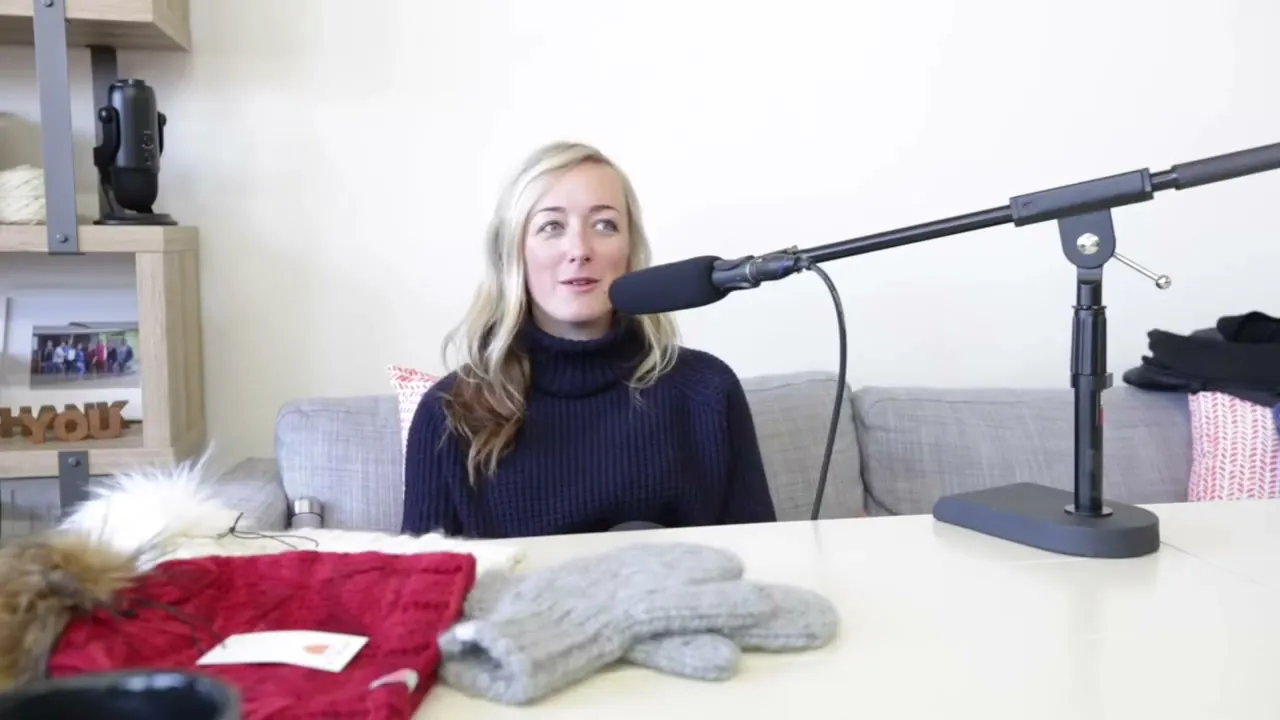
Proof: The Kickstarter campaign, planned to raise $15,000, hit its goal in under 24 hours after she secured a Forbes article, a couple local publications, and influencers to post on launch day. (Christina Pardy, founder of a knitwear brand)
Do this:
- Contact influencers during video production and get them to agree to post about the launch on the day it goes live.
- Reach out to media, anyone who would talk about the launch, so the announcement does not fall on deaf ears.
Myth: It is too late to start on TikTok Shop.
The truth: It is better to start now than in 6 months. You learn most of it on the job, not by writing the strategy down.
The best thing to do on TikTok Shop is get on TikTok Shop. It still feels kind of like a beta. Like it's still so early. People think they kind of missed the boat and I'm like, "Well, it's better now than it's in 6 months." So, I think just just kind of get on and try it because there's still just so much that you learn on the job that you'll never figure out by writing the strategy down. Hear it: 350.The Next Women's Health Giant with Bobby Bitton, Co-Founder and CEO of O Positiv
Who says so: Bobby Bitton, co-founder and CEO of O Positiv, a women's health brand
Do this:
- Get on TikTok Shop and start trying things instead of waiting to finish a written plan.
- Put an entrepreneurial person in charge of TikTok Shop and let them treat it like their own business, breaking things as they go.
Myth: You need a big celebrity like Robert Downey Jr. or LeBron James for your first TV launch.
The truth: Most brands launching on TV for the first time skip the big celebrity and reuse footage they already have from other channels, the kind that feels like everyday creator content, not a celebrity shoot.
Yeah, big misconception, you know, you don't need a big celebrity, Robert Downey Jr., LeBron James in your creative uh for your first TV launch. I think most brands work with us or often times repurposing assets from other channels that have like a very UGC feel even. Hear it: When to Diversify or Evolve Your Media Mix: How To Approach Channel Expansion (Bonus Episode)
Proof: Cal Shy went from concept to finished AI generated TV creative in 48 hours for a few thousand dollars. (Austin Santino of Tatari, the TV buying and measurement platform, on Marketing Operators)
Do this:
- Pull existing creative assets from your other channels that already have a UGC feel and test them as TV creative.
- Use the repurposed creative to learn about the TV channel before deciding whether to invest in dedicated creative.
- Explore AI tools to produce TV creative quickly and cheaply rather than commissioning a big production.