
How SugarBearHair built its influencer strategy
Kent frames this as community building rather than seeding, explicitly against the 5,000-samples model. And he names the payoff as loyalty, which is exclusivity and love for the brand.
Founder · September 11, 2026 · 5 min read
Kent Yoshimura, who runs Neuro Gum, on the Open Residency podcast about sugarbear hair:
People come to me and like, dude, I sent 5,000 samples out to all these creators and I got five responses and five videos. It did not work... It is not just sending them product and hoping. How do you build a community? My buddy Dan Morris, he started Sugar Bear Hair... he got all his influencers and he made the influencers almost jealous of each other because he would send the nicest box to them. And if you were part of the Sugar Bear Hair group, you felt really really special, but you had to earn your way in there. And then if you are part of that group, he was sending them to Coachella to hang out with like the Kardashians. He is sending them to like whatever trip in Florida... They are always going to be loyal to you.
Kent frames this as community building rather than seeding, explicitly against the 5,000-samples model. And he names the payoff as loyalty, which is exclusivity and love for the brand.
Same pose - part of creative strategy
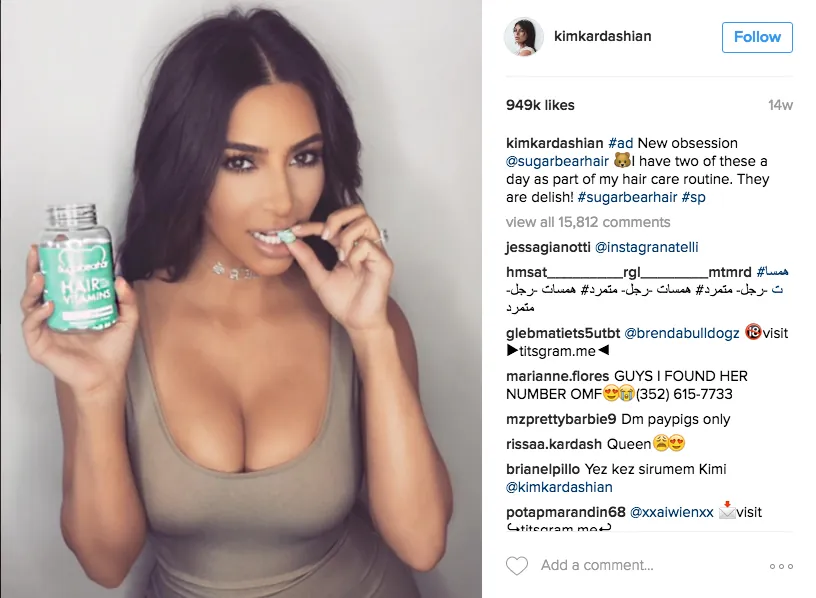
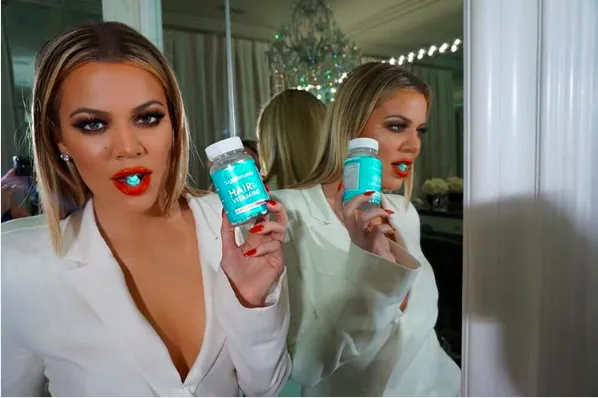
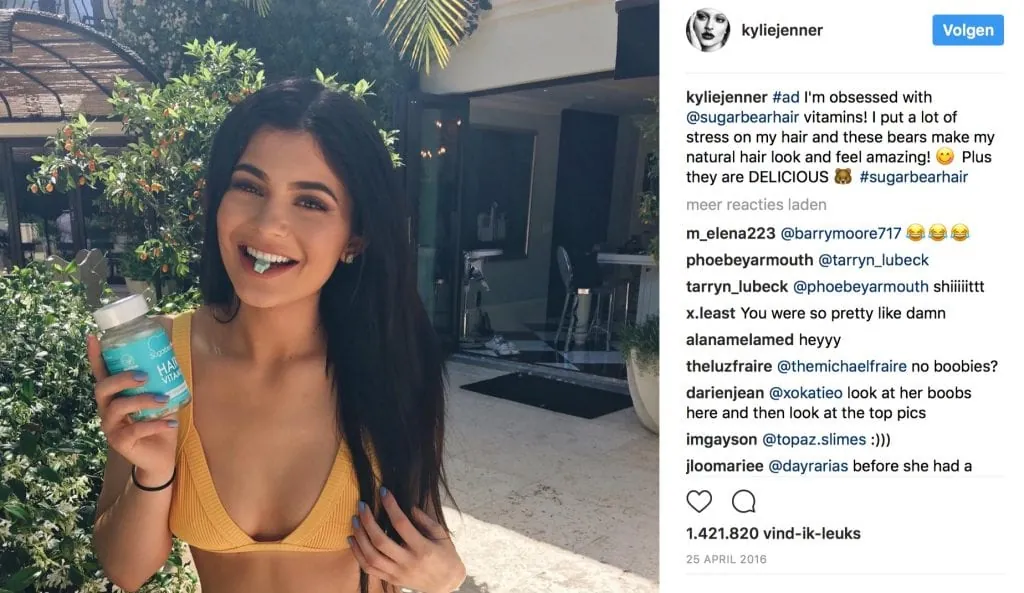
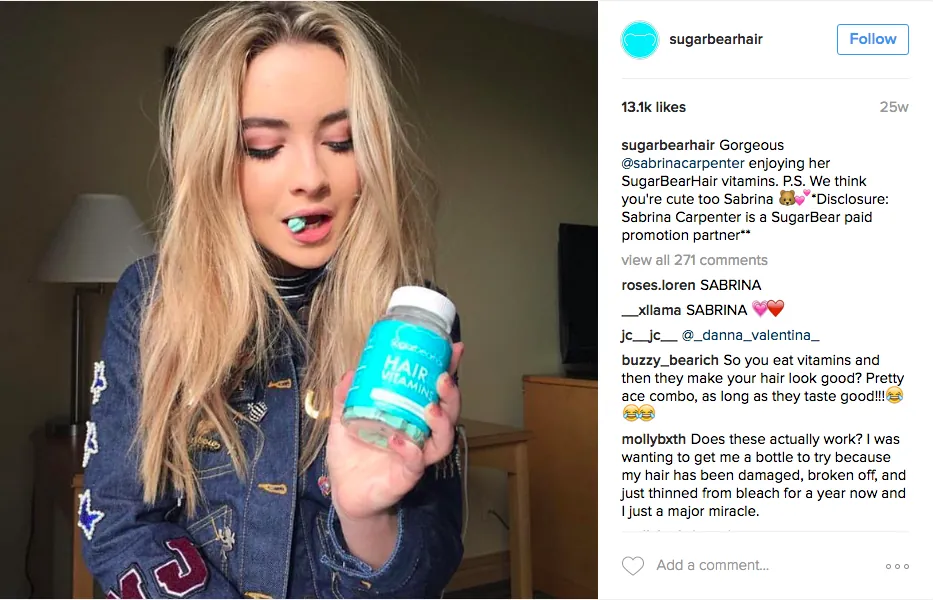
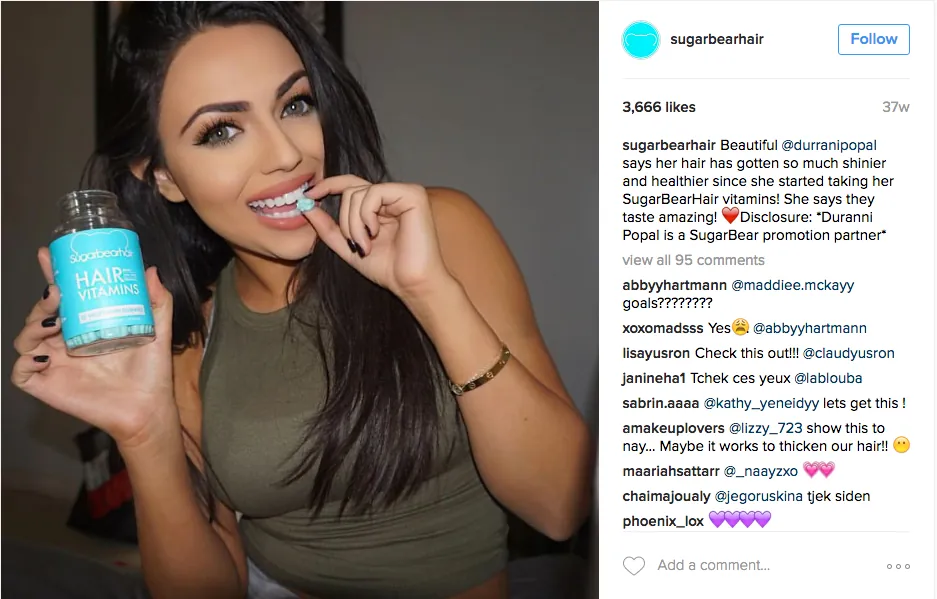
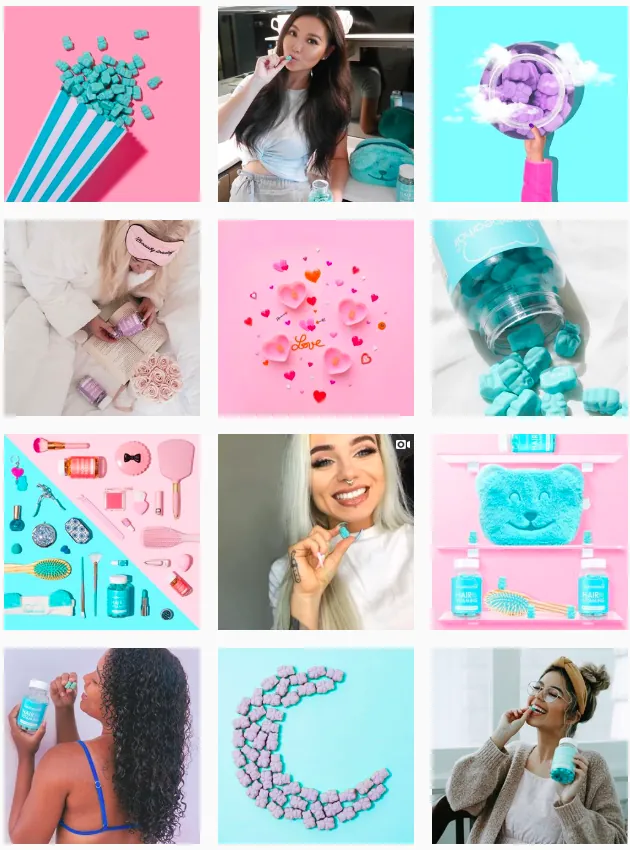
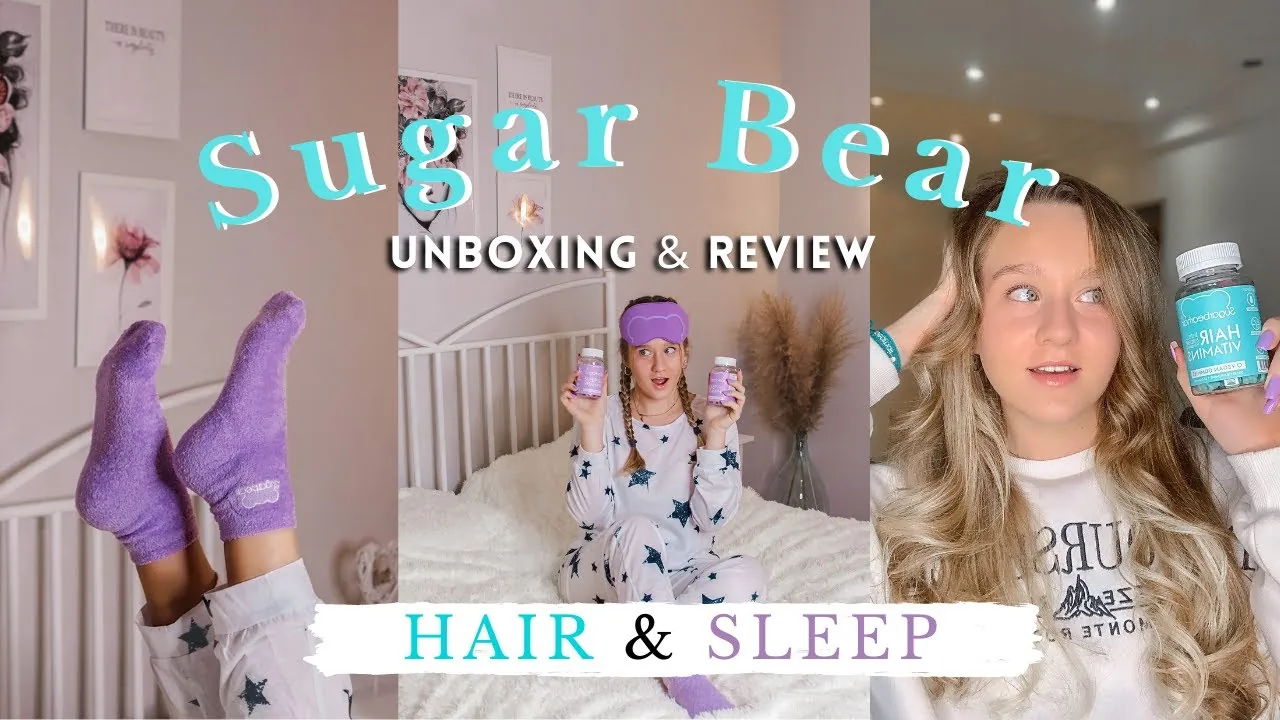
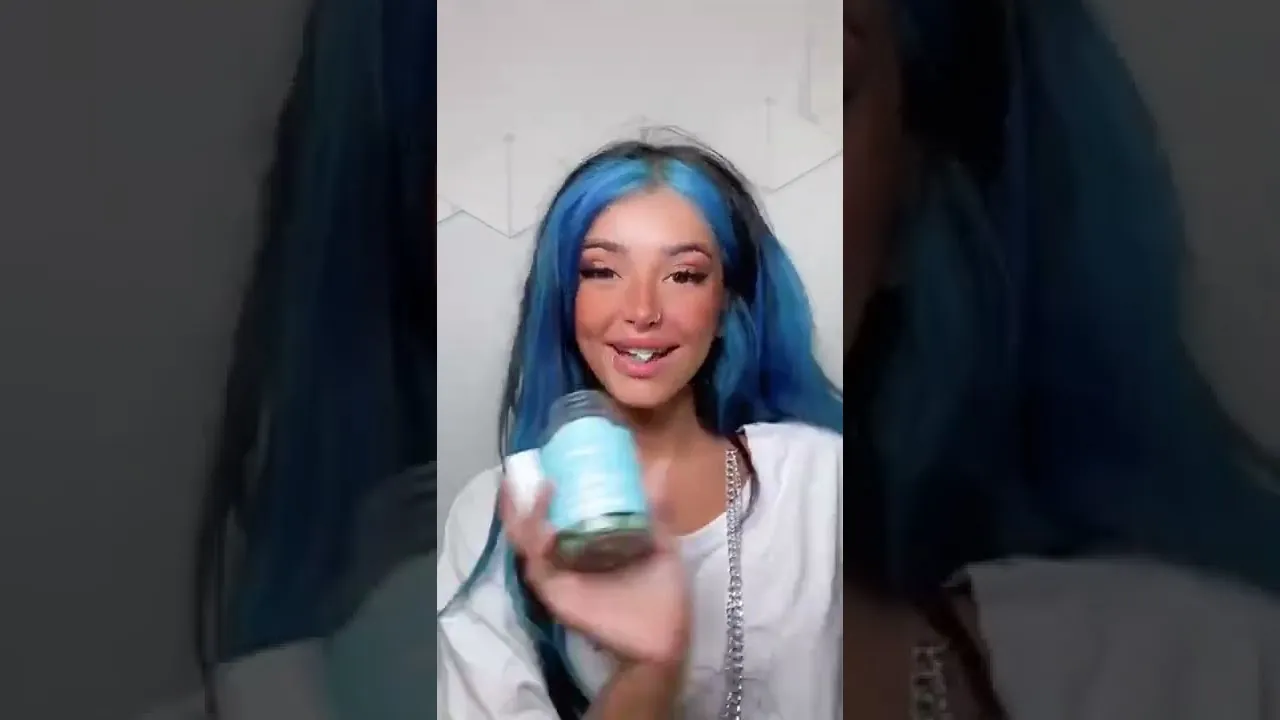
Look at the three pictures above and then at the two below. It is the same photograph five times: bottle held at chest height with the label square to the camera, a blue gummy at the teeth, looking down the lens.
The brand reposted creators onto its own account, with a disclosure line written into the caption.
The brand's own Backpack Gift Set page (PR box), archived 13 November 2019 at $179.99, lists:
- A limited edition backpack
- Two three-month supplies of vitamins
- A cruelty-free natural wood hair brush
- A fluffy "SugarBear Face" cosmetic bag
- A luxury shower cap
- A pen with a highlighter
- A blue headband
- A scrunchie
- A keychain
- A hair tie
- A sticker
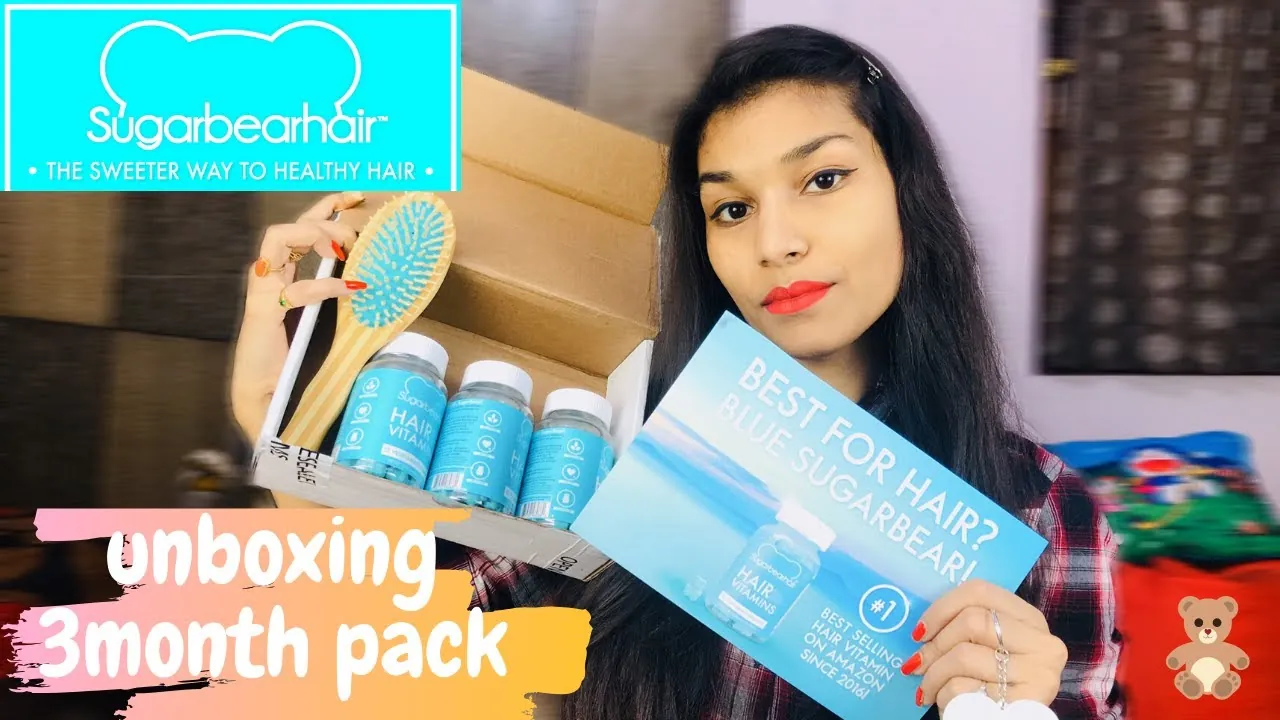
No exclusivity rather a loylaty approach
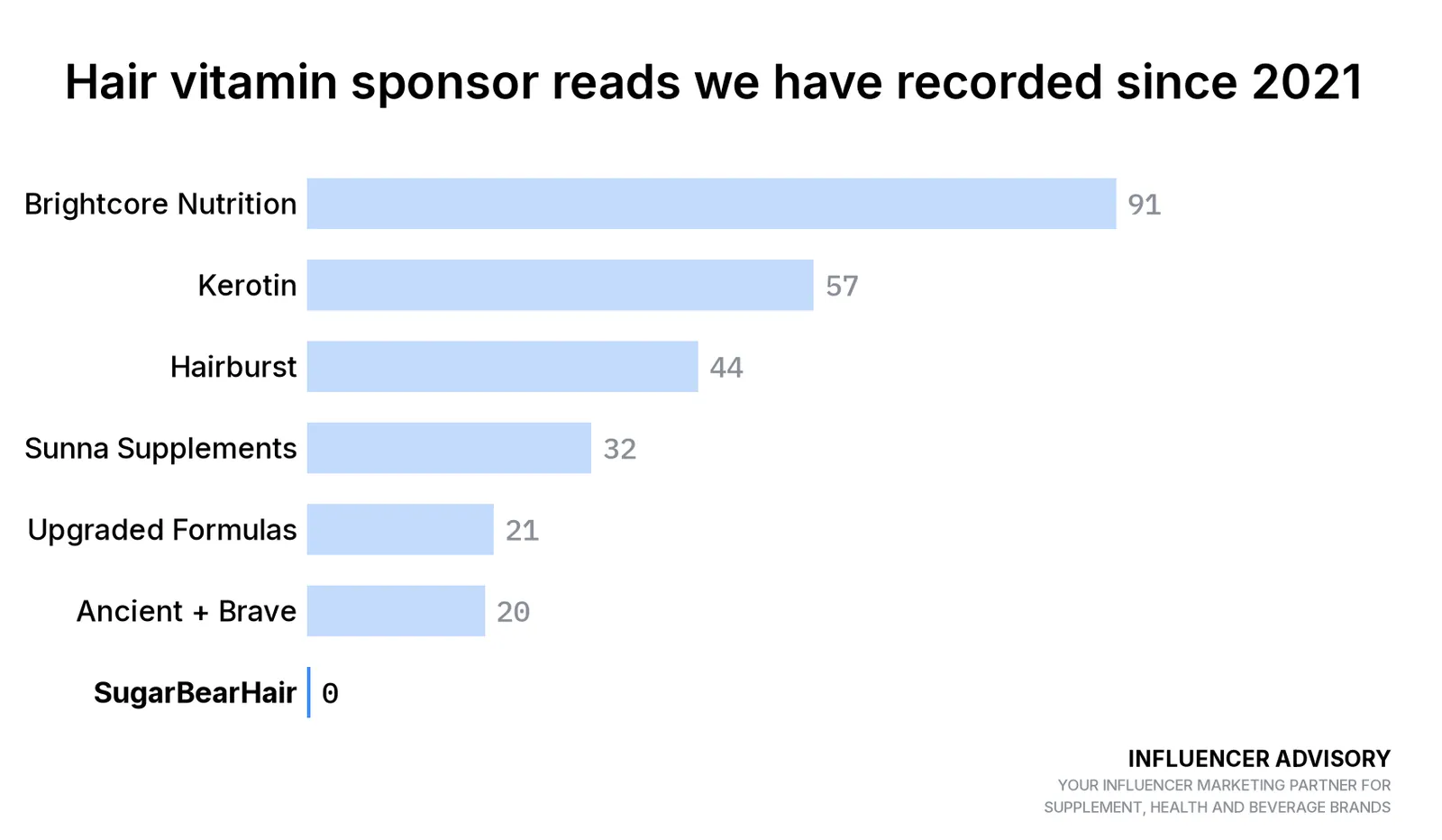
There is no document of any kind showing Sugar Bear required influencers not to promote competing hair vitamins. No contract, no leaked term, no creator saying they were told. One honest caveat: Reddit refuses our crawler entirely, and Reddit is where that sort of complaint usually surfaces, so treat this as genuinely unsearched rather than as proof of absence.
Marketing Coachellla Strategy
James Charles posted a sponsored Sugar Bear story from Coachella. Tati Westbrook, his mentor, owned a rival hair vitamin brand called Halo Beauty.
Nikita Dragun published the text exchanges. Charles, who was not in the programme, had to ask another influencer who was to contact the brand for him. What he wanted was not product and not money. He wanted artist passes, because as he put it the VIP area at Coachella was not safe. The brand agreed and asked for his contact details.
Mishaps
Truth in Advertising sent the Kardashian family a letter announced on 22 August 2016, then filed a complaint with the FTC on 25 August 2016, covering around a hundred Instagram posts that did not disclose they were ads. Sugar Bear was named in it alongside Puma, Calvin Klein and Fit Tea.
You can see the consequence in the reposts further up this page: from then on the brand wrote the disclosure into its own caption, in full, in plain words.
Two things people assume that turn out not to be true. The FTC's 90-plus warning letters in April 2017 did not name Sugar Bear (Kourtney Kardashian was on that list, the brand was not). And Truth in Advertising's second FTC complaint in March 2019 does not mention them either.
Focus on Product
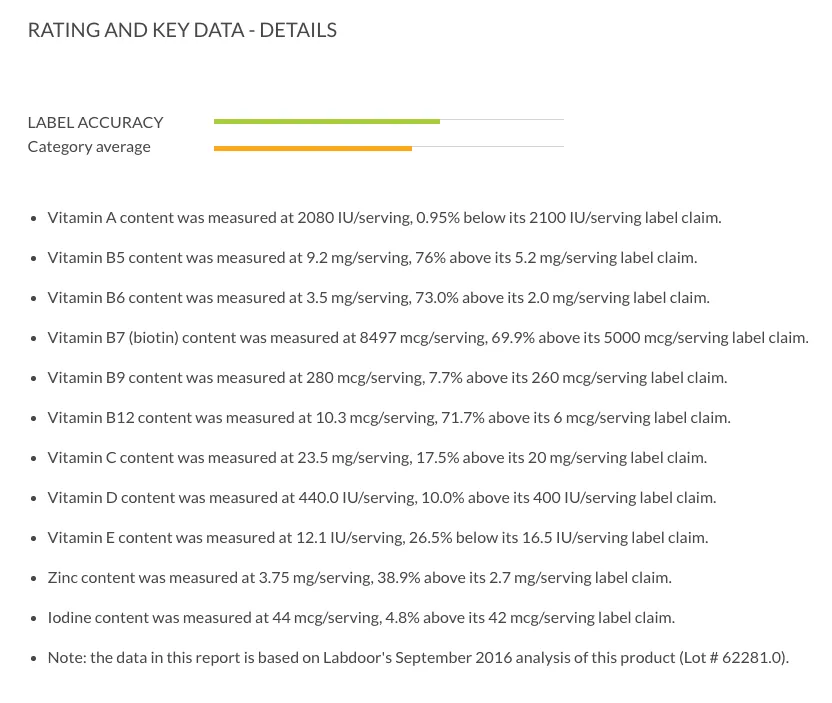
On 30 September 2016 BuzzFeed News had the gummies independently tested by Labdoor. The lab found 8,497 micrograms of biotin per serving against a 5,000 microgram label claim, about 70 per cent over.
Takeaways
- Scarcity does not need a contract,
- Pay in access where you can (to top influencers)
- Have an iconic format for photos/reels
- Have a short ambassador exlusive window
- Hire a celebrity. The Kardashian posts are what let them stop a competitor's trademark four years later
Principal sources: the Open Residency podcast (4 June 2025); E! (13 July 2016); BuzzFeed News (25 August and 30 September 2016); The Drum and Contently (23 August 2016); Truth in Advertising; The Fashion Law (25 April 2018 and 26 February 2019); OMR (29 October 2016); Boca Raton Observer (26 August 2018); D Young & Co on EUIPO R 1437/2019-5 (16 July 2020); NBC News (15 May 2019); Primetag (19 March 2020); BeautyMatter (29 September 2021); PR Newswire (20 September 2021 and 1 September 2026); the Wayback Machine index for sugarbearhair.com; the YouTube Data API; and our own database.