Influencer Advisory
How we make revenue with influencers
The full guide to how we help regulated DTC and e-commerce brands advertise with influencers, stay compliant, and grow revenue.
Who we are
A small team that treats you like more than a number
We are a small team, with members in Canada, Spain, South Africa, and Australia. We cover multiple continents across multiple time zones. Because we are small, you get a lot of care. You are never just a number to us.
Our primary customers are Direct-to-Consumer and e-commerce brands that sell regulated products, many based in the United States and Europe, including:
- ✓Cannabis & cannabinoids: dispensaries, hemp, CBD, Delta-8/9, THC-A.
- ✓Sexual & hormonal health: sexual wellness, ED, TRT, hormone therapy/testing, peptides.
- ✓Telehealth & online pharmacy: online prescriptions, pharmacy services, weight-loss/GLP-1 programs.
- ✓Supplements: nutraceuticals, supplements, nootropics.
- ✓Age-gated products: alcohol/wine/spirits, vape, nicotine pouches.
Some of our clients include Bluechew, XIX vodka, Resbiotic, and more.
By the numbers
The roster and track record behind every campaign
You get the care of a small team with the reach of a large one. Here is the scale we draw from when we build your roster.
55+
brands served across regulated and DTC categories.
600+
compliance-trained influencer ambassadors in our network.
9,500+
vetted YouTube, Instagram, and TikTok creators to draw from.
24+
industry-specialized agency partners we work alongside.
Source: From our own roster, client records, and partner agencies in Toronto and the US.
What we do
We help these brands do four things really well
- 1.Advertise in regulated markets with influencers.
- 2.Get found by customers and get more conversions.
- 3.Grow repeat revenue from existing customers.
- 4.Expand product lines to new countries and overseas.
1. Advertise in regulated markets
Reach audiences in regulated markets with influencers
Reach audiences in regulated markets. One non-compliant influencer post can mean a fine, a banned account, and reputation loss. Our job, 8 hours a day for 2+ years, has been ensuring that every platform policy, government policy, and state policy is adhered to, so you never risk any compliance issues.
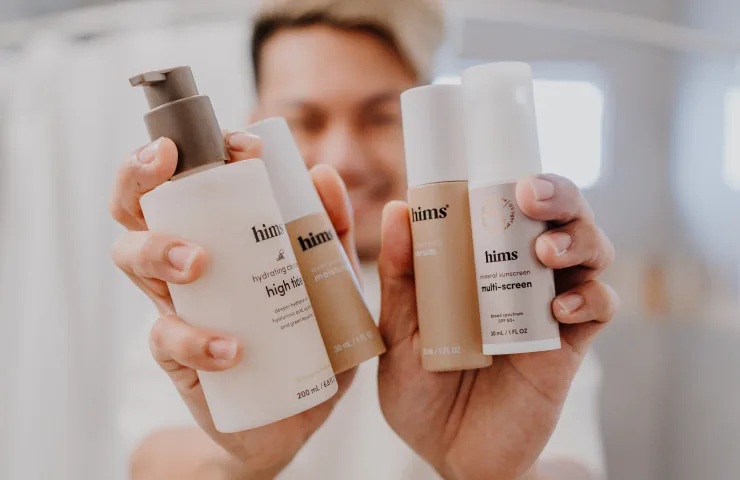
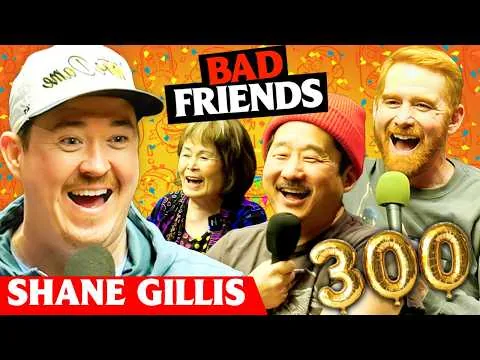
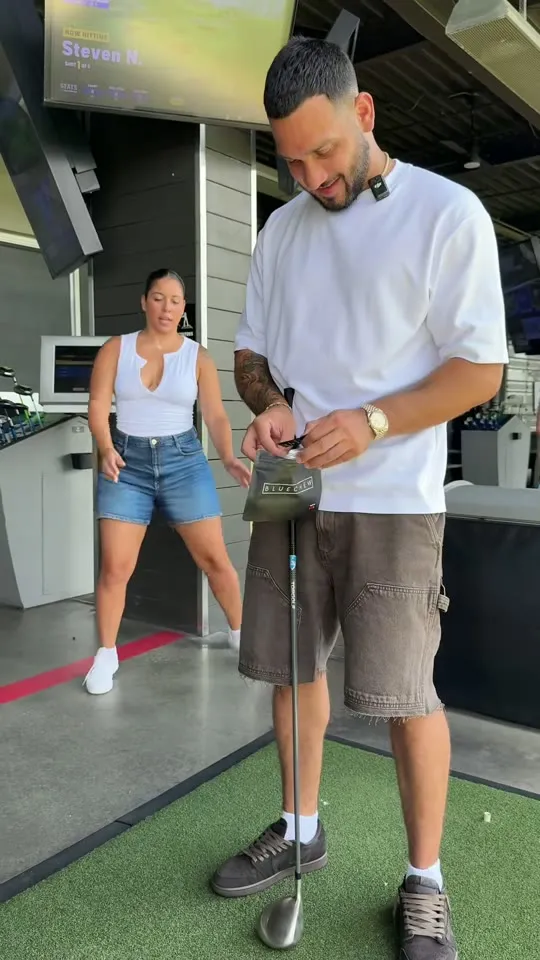
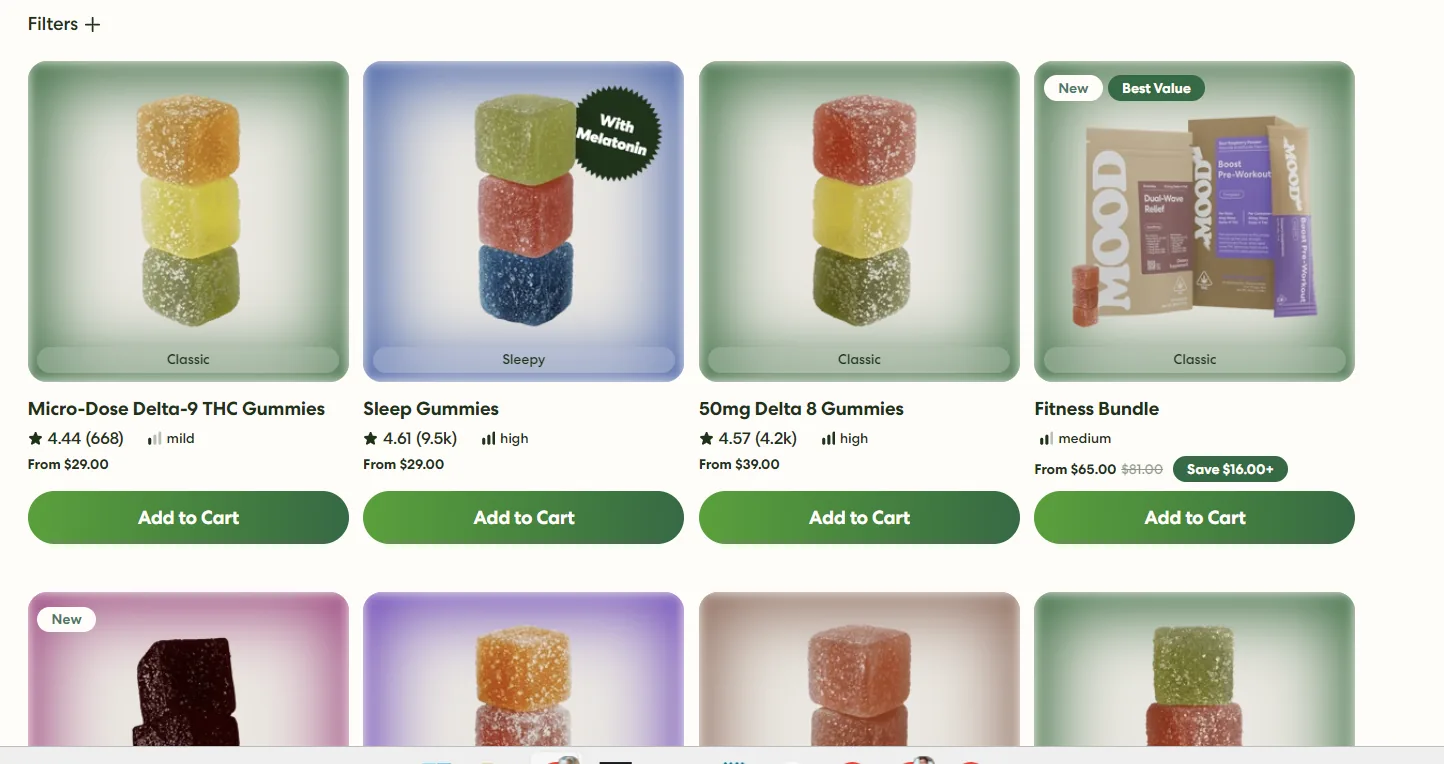
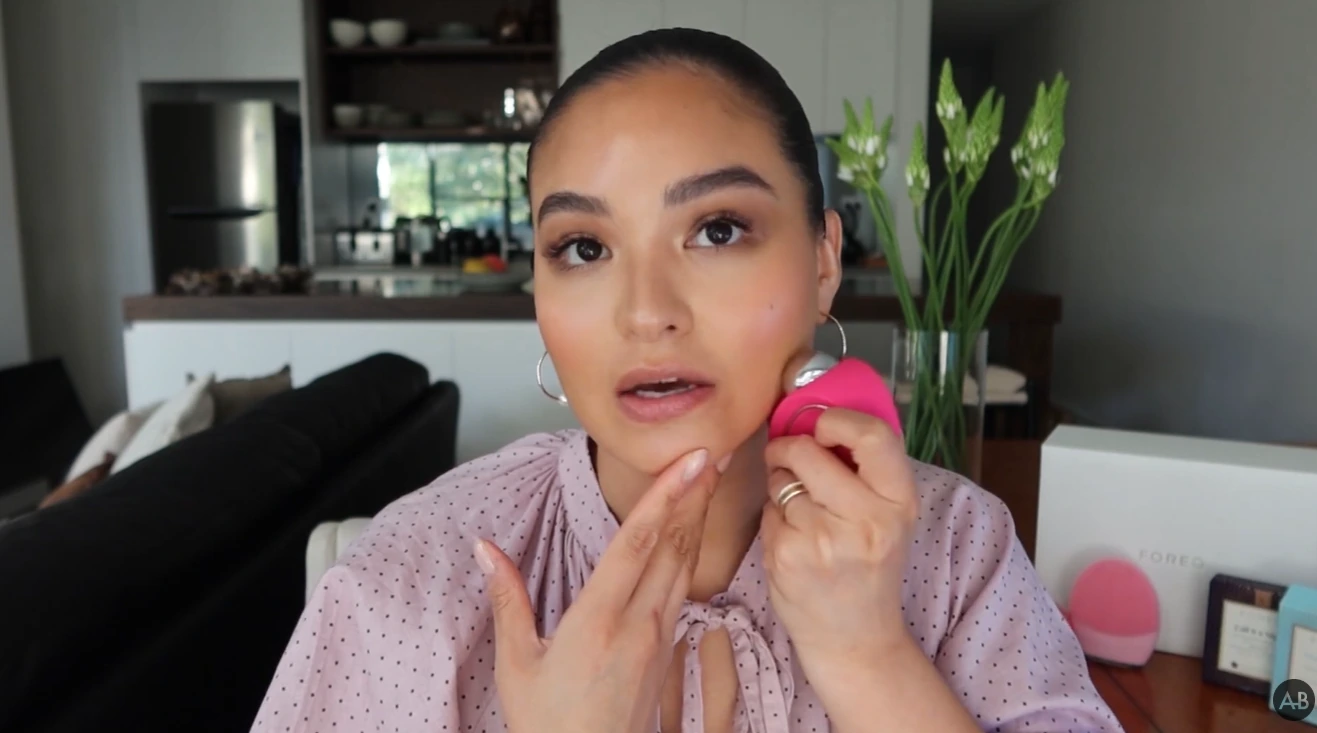
We have been very creative with how we create sponsored videos, especially for extremely regulated products. Examples:
2. Get found and convert
Get found by customers and get more conversions
Influencers are one of the warmest touchpoints and can help convert many people who have seen and heard about you but have not yet bought any products.
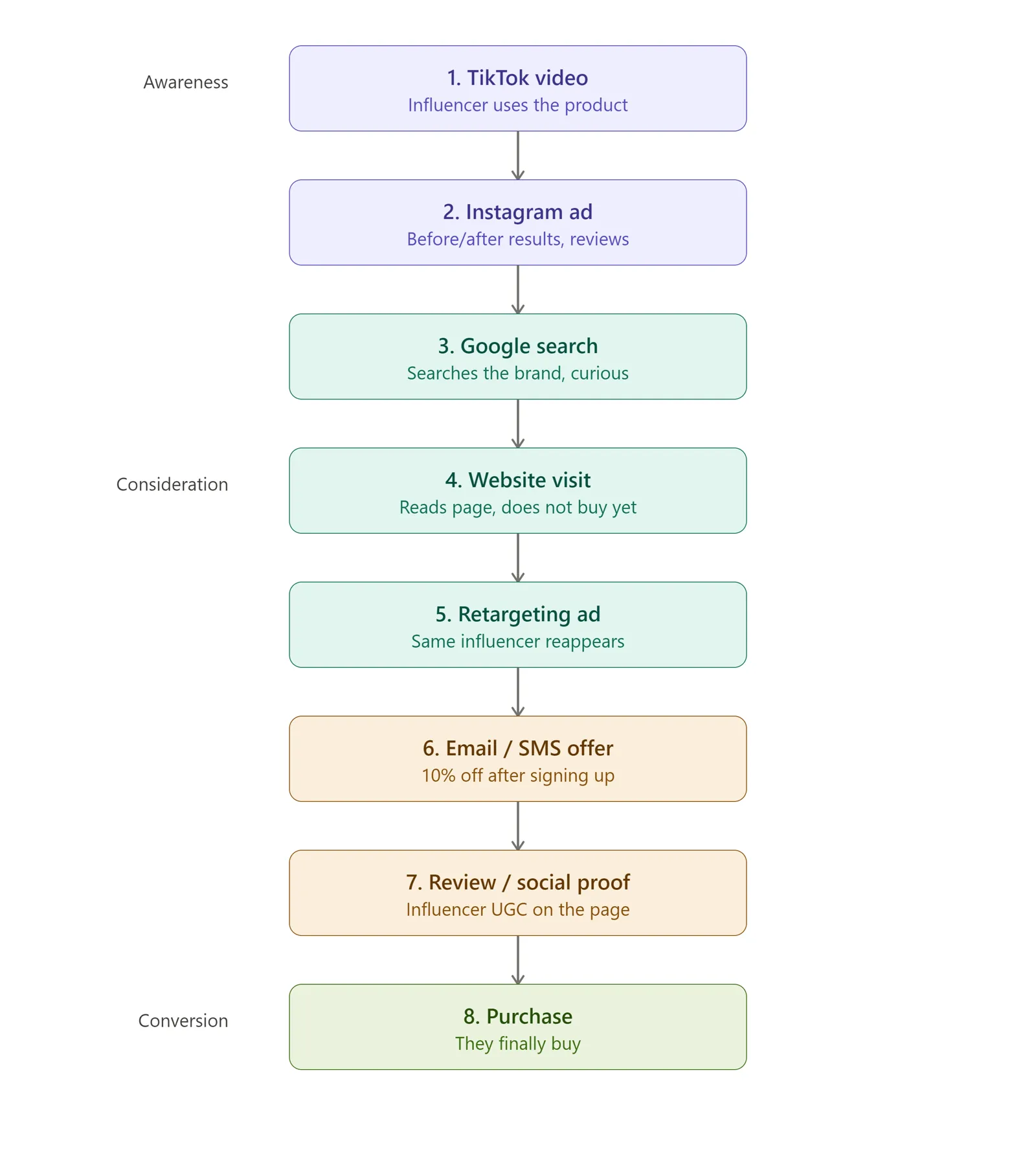
Example of how influencers can fit into the funnel:
- 1.TikTok video: they see an influencer use the product in a video.
- 2.Instagram ad: a few days later, they see an ad showing before/after results or reviews.
- 3.Google search: they search the brand name because they are curious.
- 4.Website visit: they click the site, read the product page, but do not buy yet.
- 5.Retargeting ad: later, they see another ad with that same influencer.
- 6.Email/SMS offer: they get 10% off after signing up.
- 7.Review/social proof: they see the influencer UGC on the product page.
- 8.Purchase: they finally buy.
3. Grow repeat revenue
Grow repeat revenue from existing customers
Persuade your existing clientele to buy more of your products and buy them more often. It is easier to sell more to your existing customers than it is to acquire customers from scratch.
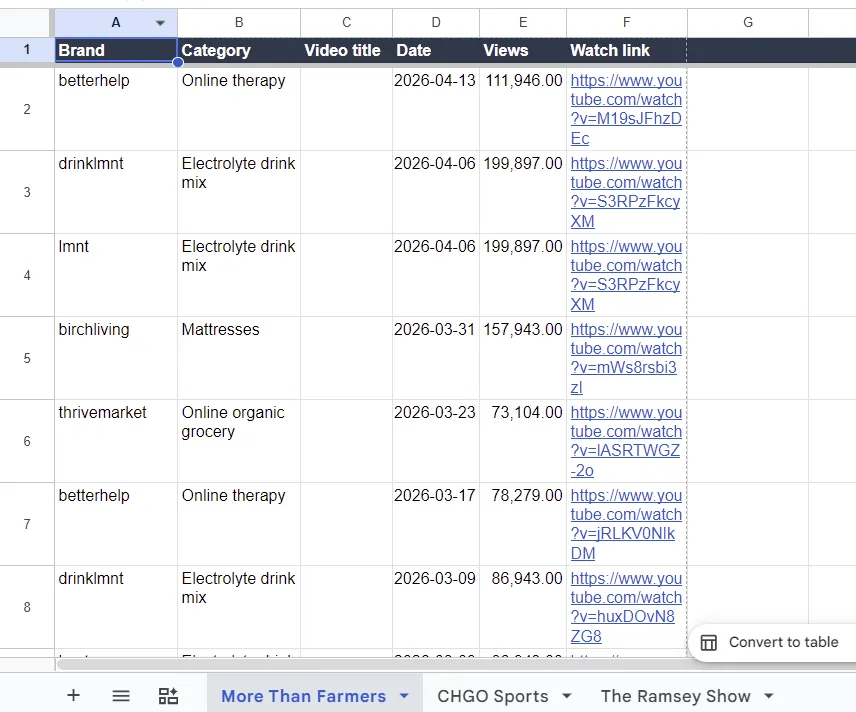
Example: Gorilla Mind x More Plates More Dates. This is the same company sponsoring the same creator with different products. Some people buy off the first video, but many will not actually need that first product, they will need another one. That is where repeat sponsorships come in especially handy, particularly if you have more than one product.
Note: they also use different creatives and different value propositions in different sponsored videos to resonate with different parts of this creator's audience.
3. Grow repeat revenue
Gorilla Mind, the same creator, different products
| Video | Product | What it is | Date | Offer & framing |
|---|---|---|---|---|
| Watch | Omega-3 Elixir | Omega-3 fish oil supplement | 2024-08-16 | A fish oil that gets tested by an outside lab so you know it is clean and strong and you can trust what is in it |
| Watch | Gorilla Mode Lightning | High-stim pre-workout powder | 2024-09-24 | The strongest pre-workout out there for people who want a big rush of energy to push hard in every workout |
| Watch | Micronized Creatine | Creatine monohydrate powder | 2024-09-24 | A proven creatine that helps you get stronger and bigger and does not make you puffy or bloated like some people think |
| Watch | Gorilla Mode Lightning | High-stim pre-workout powder | 2024-10-05 | A strong pre-workout with real data that shows it helps you gain strength so you get true results and not just hype |
| Watch | Gorilla Mind Rush | All-day focus nootropic/stimulant | 2025-08-05 | A focus pill that keeps your mind sharp and your energy up all day from morning until you finish work |
4. Expand to new countries
Expand product lines to new countries and overseas
We help brands use influencers in different regions when expanding their product lines, following the rules in every new market. We specialize in North American, European, and Asian markets. When using influencers, it is a way to fast-track your product's growth in the new region.
Example: NordVPN runs the same offer through local-language creators, market by market.
What we have seen
The cost of getting compliance wrong
- ✓84% of brands in regulated categories fail FTC compliance, and they only realize when they get audited.
- ✓$53,088 per violation is the FTC civil penalty cap for a single non-compliant endorsement, and it rises every year as regulations become stricter. If there are multiple violations in one campaign with different influencers, this could create a seven, eight, or nine-figure liability.
Even if you think you are complying with every requirement, you can still run into issues, just like these brands did:
What we have seen
Brands that ran into issues anyway
- ✓Teami, a weight loss tea brand, faced a $15.2 million judgment from the FTC. They claimed their tea fights cancer and they paid Cardi B to post about it without a clear ad label. The FTC even warned the influencers directly. The rule is that "#ad" has to be visible at the top, not buried, and both the brand and the creator can be held responsible.
- ✓JUUL, the vape company, paid a $462 million settlement in 2023, part of more than a billion dollars total, for accidentally marketing addictive nicotine that fell into the eyes of young people. They are now banned from using influencers at all.
- ✓Curaleaf, a CBD company, got a public FDA warning in 2019 for claiming its products treat cancer and Alzheimer's. There was no fine, but the stock still dropped about 7 percent and has since seen a downfall. Certain words could indicate that you are claiming a treatment, which must be avoided.
- ✓GoodRx, a prescription discount company, was fined $1.5 million by the FTC in 2023. The problem was not what they said in an ad, it was tracking. Custom landing pages from the influencers contained Facebook and Google pixels that unknowingly leaked customer health data to advertisers. The rule is that the tracking code behind your post is a compliance risk too, even if your caption is clean.
- ✓Health Formulas (Simple Pure), a male-enhancement and supplement seller, forfeited about $9.2 million in assets, including a Ferrari, to settle an FTC court action over unsupported product claims and charging customers without their consent through hidden recurring billing. The rule is that the offer and the checkout flow behind a sponsored post are part of compliance too.
The challenge
Why influencer marketing is tricky in regulated markets
- ✓Influencers have to use very specific language and avoid claims that seem harmless. Many influencers will say things that sound fine but could still end up getting your company into legal trouble down the line. As specialists, we handle the process of creating the advert from end to end and ensure it complies with all regulations.
- ✓Many influencers do not want to promote regulated products, even if they like using the product, because they are scared of getting their accounts banned. We have a system that finds and nurtures creators, and identifies which are already using your product.
- ✓Many influencers go off-script accidentally or work from a weak creative brief. The consequences do not always show up now, and fines can land years later, and they compound.
Note: these challenges actually work in your favour. The harder the market is to advertise in, the less competition you will face, which makes it easier to reach unsaturated markets.
Our approach
We found that the typical way of doing influencer marketing is not very efficient
So instead, we developed two approaches to make influencers as consistent and predictable as ads and as profitable as organic content:
- 1.By using top of funnel, middle, and bottom of funnel influencers.
- 2.By finding influencer ambassadors instead of regular influencers.
The next sections explain them.
Approach #1
Many brands miss a huge share of influencers by only using bottom-of-funnel influencers
Let us explain. This is a common concept of influencers, but most people do not apply it. Most marketers only focus on bottom-funnel influencers. For example, a hair loss brand will only sponsor influencers who talk about hair loss and they are losing a huge percentage of the market by doing this.
We break it down into three different levels. As you go up the funnel, the volume will increase, and the conversion rate will decrease. And vice versa, as you go down the funnel, you will get lower volume but conversion rate will increase. A combination of both is the best way to capture as many consumers as possible.
Funnel levels
Example: a DTC brand selling a hair loss serum to people who want to prevent their own hair loss
Here is how we would sponsor influencers at each level, and the advantages and disadvantages of each.
Top of funnel
Highest volume, low conversion, cheap CPM, competing with almost no competitors.
Example: partnering with creators talking about fitness, lifestyle, or sports; they tend to have audiences with broad interests.
Middle of funnel
Mid volume, mid conversion, mid CPM, competing with fewer competitors.
Example: partnering with creators who talk about optimizing health in the majority of their videos.
Bottom of funnel
Least volume, highest conversion, most expensive CPM.
Example: partnering with creators who solely talk about hair loss in the majority of their videos.
A combination of all is typically an effective strategy.
Funnel levels
The creator funnel at a glance

Top, middle and bottom of funnel creators mapped to volume and conversion. A combination of all is typically an effective strategy.
Approach #2
Why most influencer partnerships are built to fail, and how we avoid it with influencer ambassadors
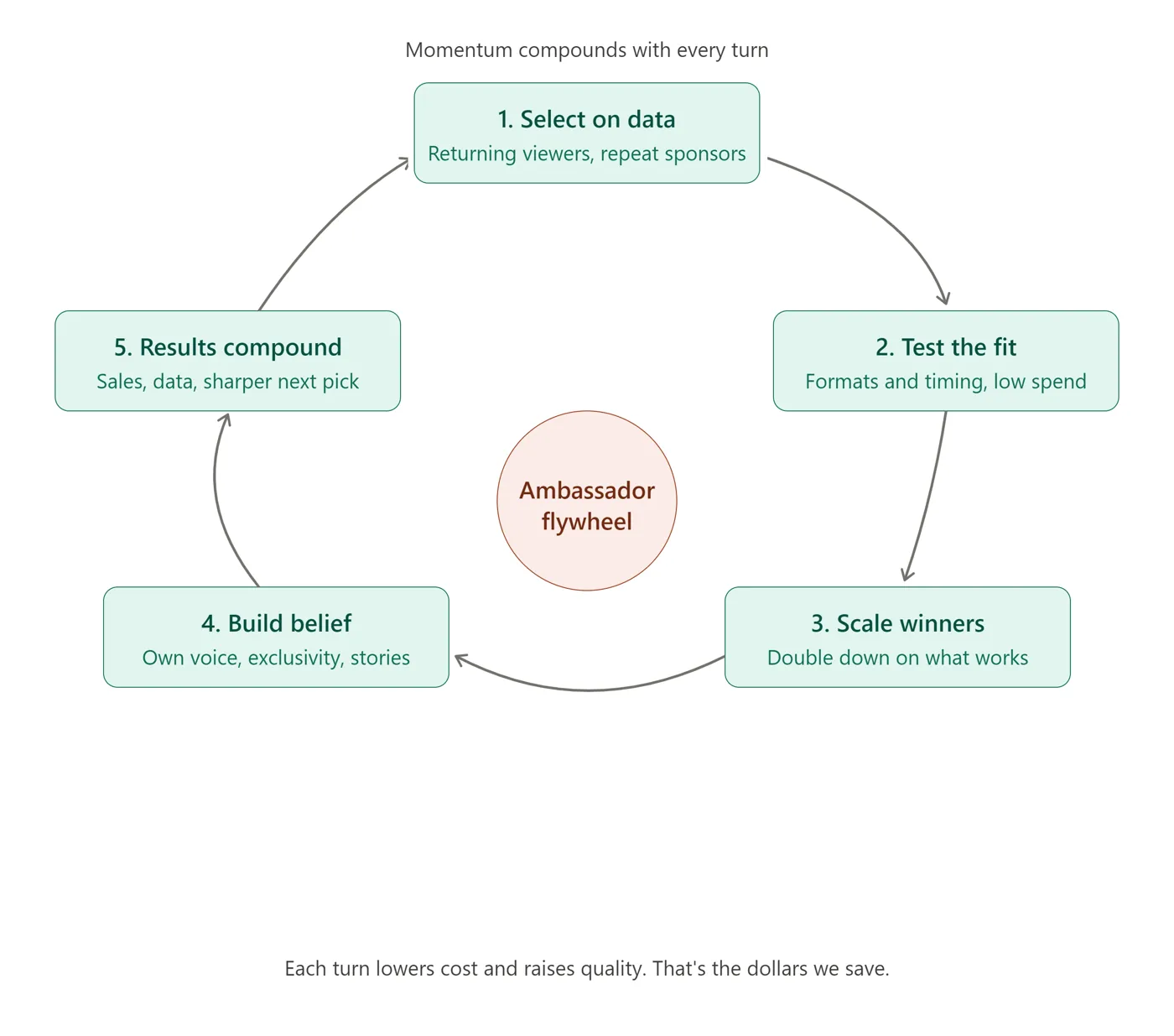
This concept is very important. We have saved lots of dollars with these principles. We learned it the hard way through trial and error, so now you do not have to.
Many one-off influencers
- ✕Will read a script with no visual emotion, which the audience can see is quite fake.
- ✕Have no hook, leading most people to skip ahead of the advertisement and miss it fully.
- ✕After they receive a flat fee, will not care about the quality of production and creative.
- ✕Do not care about exclusivity and might promote your competitors afterwards.
- ✕Do not actually care about your company, so they will not accommodate you.
Instead, we have influencer partners that
- ✓Speak in their own voice after using the product. They believe in the product because they have used it and seen results.
- ✓Are emotional and tell stories with great hooks that captivate the audience and keep them watching the entire advertisement.
- ✓Have an audience that would buy your products if they saw them in a store. The right fit, at the right time.
- ✓Are chosen on data instead of a gut feeling. How many returning viewers do they have? How many companies keep coming back to them? What return do they typically deliver for brands?
- ✓Work on a hybrid model focused primarily on commission.
- ✓Are loyal to your brand and will go out of their way to avoid promoting your competitors.
Why upmarket wins
Going bottom-of-funnel usually means competing head-to-head with your competitors
Depending on the space, going bottom-of-funnel usually means fighting your competitors for the same audience. We consistently find that moving upmarket to mid-funnel creators reaches people who have not heard of your brand yet, so you are not fighting your competitors for the same audience.
How it works
A high-level overview of how we run your campaign
The first half: getting set up and choosing the right creators.
- 1.We learn your value propositions and the exact outcome you want for this campaign.
- 2.We confirm which states and countries you are licensed to sell and ship in, and which to exclude.
- 3.We map the local rules and regulatory landscape, using each influencer's audience-location data, especially on Instagram and TikTok.
- 4.We present a vetted list of influencers from our premium roster and adjacent partners.
How it works
How we run your campaign, continued
The second half: building the ads, tracking results, and scaling the winners.
- 5.We collaborate with your team to emphasize your value propositions while we build compliance with all platform and government regulations into every creative brief. We review every single ad before it goes live to avoid any compliance issues.
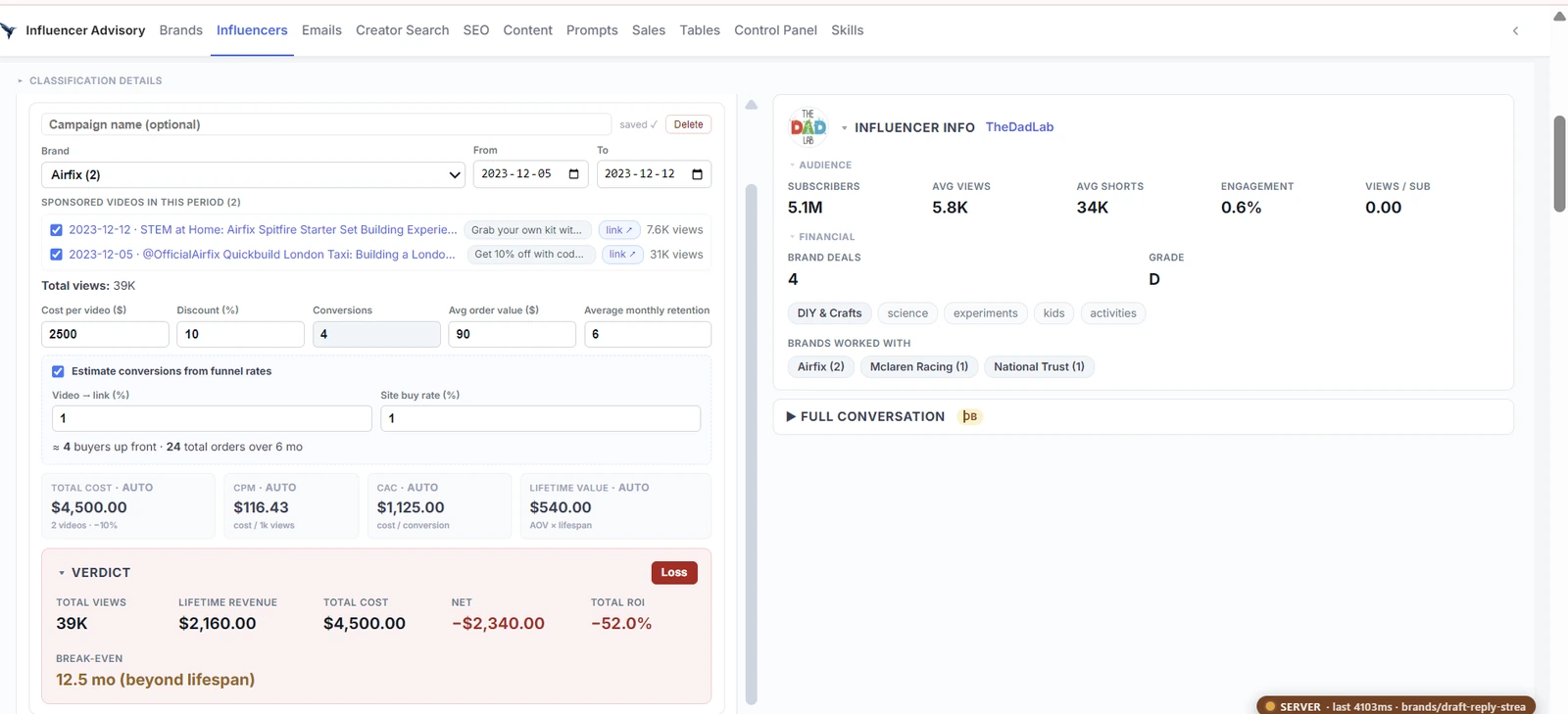
- 6.We make sure attribution is set up accurately via coupon code or UTM link, which lets us directly see how many customers come in through which exact influencers and how many keep buying.
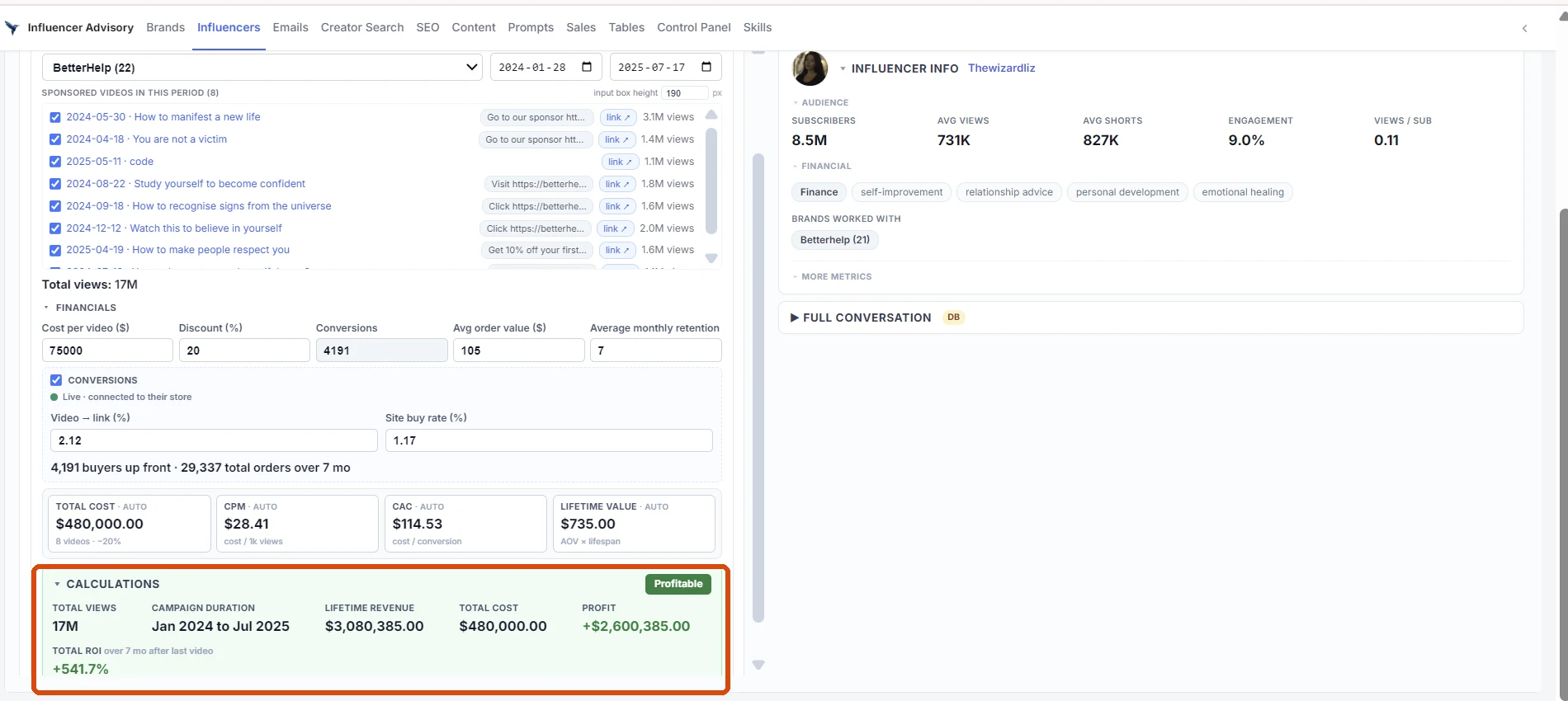
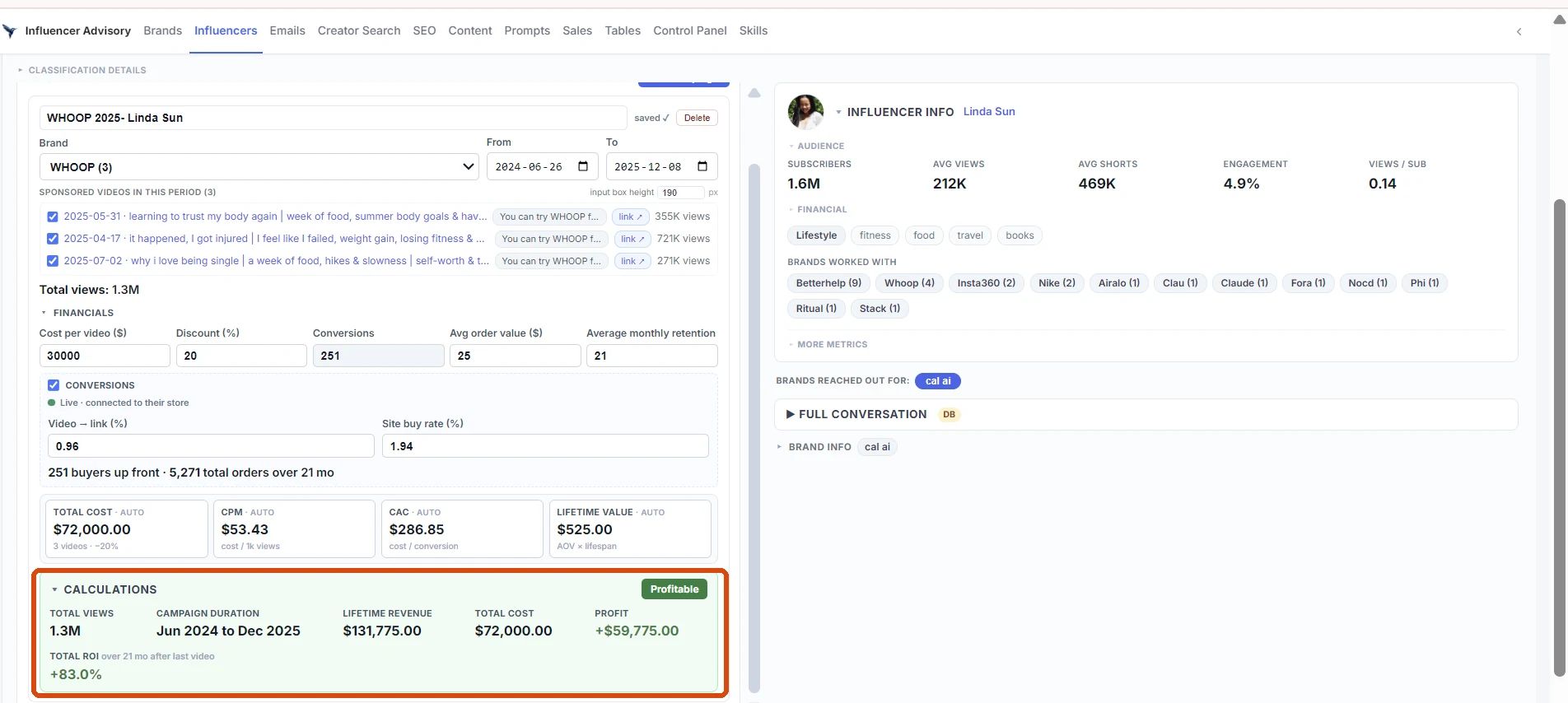
- 7.After the test campaign, we analyze whether the KPIs were met. For example: was CPA reduced, what was the CPM of the influencers, which ones brought the best results?
- 8.We follow the 85/15 rule: we re-use the top 85% of influencers and try 15% new ones month over month. For the top performers we acquire whitelisting rights and run their integrations as Meta/TikTok advertisements. This tends to work really well for scaling a product that is already good.
The 5-C System
We built the 5-C System around advertising with influencers for brands, to avoid this 100% of the time
Chart, Cast, Comply, Convert, Compound
- ✓Chart. Map your licensed states and countries, your audience, and the regulatory landscape before a single creator is chosen.
- ✓Cast. Select ambassadors on audience-fit data, not gut feel, and confirm they already reach the people who buy what you sell.
- ✓Comply. Review every script against federal, state, and platform rules, and check every ad before it goes live.
- ✓Convert. Set up coupon-code and UTM tracking so every sale ties back to the exact creator that drove it.
- ✓Compound. Keep the winners, whitelist their best content as ads, and reinvest month over month so results build on themselves.
See the 5-C System applied end to end in the Mood influencer campaign analysis.
Results
What results can we expect?
We do not promise a number we cannot control, like views or viral hits. What we can point to is why the trusted-recommendation model works. Here is the evidence, plus what we have seen across our own programs.
Why the model works
The results our brands see
These come straight from our own campaigns and the brands we run them for. Influencer ambassadors are the closest paid version of a personal recommendation, and the numbers show why that matters.
2 to 5x
lower cost to acquire a customer versus cold ads.
152% higher
repeat-purchase rate versus cold-acquired customers.
12% less
churn from customers who came through a creator.
21 to 75% higher
landing-page conversion with a dedicated influencer page.
Across our own ambassador programs we have also seen return on ad spend lift 2 to 3 times, and a recent program drove 2.2 times the customers in 30 days for a San Francisco brand.
Source: From our own campaigns, client records, and partner agencies in Toronto and the US. Past results vary by brand, offer, and category.
Lower CAC
A lower CAC, and an audience your ads cannot buy
Paid ads plateau: as you spend more, CAC climbs until the math breaks. A TRT clinic at $170 CAC on a $150 AOV cannot scale, it costs more to win a customer than they are worth. Lowering CAC is the only fix.
Influencers do two things ads cannot: convert warm traffic better, and reach people your targeting never touches. Churn drops too, a trusted recommendation buys patience, so customers stay long enough to see results.
| Paid Meta ad | Influencer | |
|---|---|---|
| Cost | $10-40 per 1,000 impressions, every time | Flat fee; the post earns views for months |
| Conversion | ~1-2% on cold traffic | ~3-10%, a trusted recommendation |
| Ceiling | CAC rises as you scale | Reaches audiences ads cannot |
The phenomenon when you scale your ad spend is that every single lead and customer you get costs more, causing your CAC to increase. Our influencer ambassadors help mitigate this.
Lower CAC
What rising ad spend does to your CAC

As paid ad spend climbs, your cost to acquire a customer climbs with it; influencer reach pulls in audiences those ads cannot.
Whitelisting
Lower CAC than ads by whitelisting
Once a creator performs, double down:
- ✓Whitelist the winners. Run top-performing creator content as ads under their handle, warm, trusted creative at a lower CAC than your standard ads.
- ✓Retarget with influencer creative. Re-serve that content to people who have already engaged, and conversions climb again.
Whitelisting example
A creator who promoted C4 Energy
Whitelisting example of an influencer who promoted C4 Energy. The organic video did really well, so they got usage rights and ran it from their handle. As well as the influencers, they ran it as a dark ad on Instagram. The ad as it ran is on the left; click the video on the right to play it:

More examples
More examples of whitelisting
Here are some more examples of organic content that was converted into ads. It lets you scale and reach more people, especially when a video does well and it's got good average view retention:


Evergreen reach
Increase conversions
Most channels make you pay for traffic every time. An evergreen YouTube video is different, you pay once, and it keeps pulling organic views for months.
This only works with evergreen creators, and only on YouTube, not Instagram or TikTok. This is because these platforms show content on a scroll basis, which is random, versus YouTube, which is intent and question focused.
It is also the reason conversions are better on YouTube: consumers have a problem they are searching for. YouTube is a search engine, after all. That is why YouTube integrations tend to be more expensive.
Note: this is a math game. As with most marketing, we simply use the data to make the decisions.
Evergreen reach
One YouTube video keeps earning views

You pay once, and an evergreen YouTube video keeps pulling organic views for months.
Market share
Take market share, and create new market share
You are probably running the same channels as your competitors, and some of them are already using influencers. The difference-maker is going full-funnel, including top, middle, and bottom, instead of fighting over bottom-of-funnel like everyone else. That is how you become the go-to brand in your category.
In a regulated industry
Create a sponsored video that will not get taken down, fined, or warned
Create a sponsored video that will not get taken down and that will not end up in huge fines and warning letters. We do this with a variety of techniques we have developed, such as:
- ✓Reviewing the script against federal and local regulations, as well as platform rules, to ensure no part breaks any laws.
- ✓Thorough data vetting to make sure all the influencers have the target location(s) and the target age.
- ✓Bringing on ambassadors we are connected to, and using our gifting program to make them loyal to the brand before promoting it.
- ✓And much more. It has been our job 8 hours a day for 2+ years :)
We line up the inputs
Any influencer agency that guarantees views and conversions is lying to you
No one can predict the social media algorithms. Instead, we focus on lining up the inputs, such as:
- ✓Finding influencers who have your target audience: the people who would genuinely find your product useful, and who have the purchasing power to buy it.
- ✓How many influencers have received repeat sponsorships from brands, both from our own clients and from influencers across every platform.
- ✓When the channels leaving comments were created, so we can confirm they are authentic, not just bought fake followers.
- ✓How many people ask questions in the comments and turn to the channel for education. This signals an audience with typically higher purchasing power that is willing to invest in premium products.
- ✓Which influencers have performed well for brands in the past.
- ✓And much more.
Offer 1 / Scale
Our Scale Package
Built for enterprise businesses. If you are under $100 million a year, the Starter Plan is the better place to begin.
We get 75 targeted influencers in your niche to make videos about your brand, which adds up to 225 sponsored videos over three months.
New to creator marketing
We build your whole creator roster from scratch.
Already running creators
This is how you put a multiple on what you are already doing, adding the reach, structure, and consistency to scale.
Offer 1 / Scale
What it costs
Influencer spend: $62,500 to $145,000 a month (over 3 months). This goes straight to the creators with no markup from us. Some creators cost more and some cost less, which is why it is a range rather than one number. That spend is what buys you the actual output.
Total: $87,500 to $177,000 a month (over 3 months).
That is the influencer spend of $62,500 to $145,000 a month plus our fee of $25,000 to $32,000 a month. The spend goes straight to the creators with no markup; our fee covers the work on the next slide.
Offer 1 / Scale
What that buys you
- ✓225 sponsored videos across 75 targeted influencers in your niche. One long video from each creator, every month, for three months.
- ✓A strong spot in every video. 30 to 60 seconds, placed before the 12-minute mark so it actually gets seen.
- ✓A full mention every time. Your brand named on screen, a link in the description, and a pinned comment.
- ✓6 to 18 million targeted views. Roughly 30,000 to 80,000 per video, from audiences already warmed up to buy.
Creators earn 5% to 12% on each first order. Where you land in that range comes down to your margin. The more margin you have, the more you can pay, and better pay brings you more loyal creators in your niche, the kind who go out of their way to post beyond the minimum deliverables.
Offer 1 / Scale
What we do for you
Our fee: $25,000 to $32,000 a month (over 3 months).
This is where the real work sits, and it is the part most brands underestimate until they have tried to run it themselves. Here is everything that fee covers.
- ✓We vet every creator against your actual buyers. Not just follower counts, but whether their audience genuinely overlaps with the people you sell to, using our own database of past performance.
- ✓We screen for real engagement, not vanity reach. We filter out creators with inflated or low-intent audiences, so your spend goes to attention that actually converts.
- ✓We check past sponsorship history. We look at how each creator performed on previous brand deals before we ever put them in front of you, so you are not the test run.
- ✓We match on niche fit, not just size. A smaller creator deep in your niche often beats a bigger one with a scattered audience, and we know the difference because we have tracked it.
- ✓We write the brief. Built around what makes your brand stand out, while still letting the creator sound like themselves.
- ✓We check the rules. Every script reviewed against U.S., Canadian, and European guidelines, so nothing gets pulled or fined.
- ✓We set up attribution properly. Your real cost per view, your sales, and your cost per sale tracked cleanly through Shopify or whatever tools you already use.
- ✓You can reuse the videos. 90 days of usage rights for content and organic usage.
- ✓We keep your rivals out. No competitor promotions for three months before and three months after.
Offer 2 / Starter
Our Starter Plan
The same system as Scale, sized down so you can trial it, prove the numbers, and scale up once the results speak for themselves.
We line up 5 to 10 targeted influencers in your niche, each producing one long sponsored video a month over three months, which comes to 15 to 30 sponsored videos in all.
Offer 2 / Starter
What it costs
Influencer spend: $12,000 to $15,000 a month (over 3 months). This goes straight to the creators with no markup from us. Where you land depends on the size and pull of the creators you want, since some cost more and some cost less, which is why it is a range. That spend is what buys you the actual output.
Total: $15,500 to $20,500 a month (over 3 months).
That is the influencer spend of $12,000 to $15,000 a month plus our fee of $3,500 to $5,500 a month. The spend goes straight to the creators with no markup; our fee covers the work on the next slide.
Offer 2 / Starter
What that buys you
- ✓15 to 30 sponsored videos across 5 to 10 targeted influencers in your niche. One long video from each creator, every month, for three months.
- ✓A strong spot in every video. 30 to 60 seconds, placed before the 12-minute mark so it actually gets seen.
- ✓A full mention every time. Your brand named on screen, a link in the description, and a pinned comment.
- ✓450,000 to 2.4 million targeted views. Roughly 30,000 to 80,000 per video, from audiences already warmed up to buy.
Creators earn 5% to 12% on each first order. Where you land in that range comes down to your margin. The more margin you have, the more you can pay, and better pay brings you more loyal creators in your niche, the kind who go out of their way to post beyond the minimum deliverables.
Offer 2 / Starter
What we do for you
Our fee: $3,500 to $5,500 a month (over 3 months).
This covers the same work as Scale, sized to your roster. Here is everything that fee covers.
- ✓We vet every creator against your actual buyers. Not just follower counts, but whether their audience genuinely overlaps with the people you sell to, using our own database of past performance.
- ✓We screen for real engagement, not vanity reach. We filter out creators with inflated or low-intent audiences, so your spend goes to attention that actually converts.
- ✓We check past sponsorship history. We look at how each creator performed on previous brand deals before we ever put them in front of you, so you are not the test run.
- ✓We match on niche fit, not just size. A smaller creator deep in your niche often beats a bigger one with a scattered audience, and we know the difference because we have tracked it.
- ✓We write the brief. Built around what makes your brand stand out, while still letting the creator sound like themselves.
- ✓We check the rules. Every script reviewed against U.S., Canadian, and European guidelines, so nothing gets pulled or fined.
- ✓We set up attribution properly. Your real cost per view, your sales, and your cost per sale tracked cleanly through Shopify or whatever tools you already use.
- ✓You can reuse the videos. 90 days of usage rights for content and organic usage.
- ✓We keep your rivals out. No competitor promotions for three months before and three months after.
We take the risk
We take the risk for the things we control
- ✓Rules promise: if an ad we okayed gets taken down for a rule we missed, we redo it free.
- ✓Swap promise: each month, we keep the creators who work and swap out the ones who do not, at no extra cost.
- ✓Quality promise: we check every script against the rules in the US, Canada, and Europe, plus the rules on Facebook, YouTube, and TikTok. We check every ad before it goes live.
Next steps
Next steps
We will discuss the prior contract and what is written there, influencer ad creatives and which ad angles have worked well for you, and which influencers would be the best fit.