
How influencer marketing is changing, and how brands can adapt
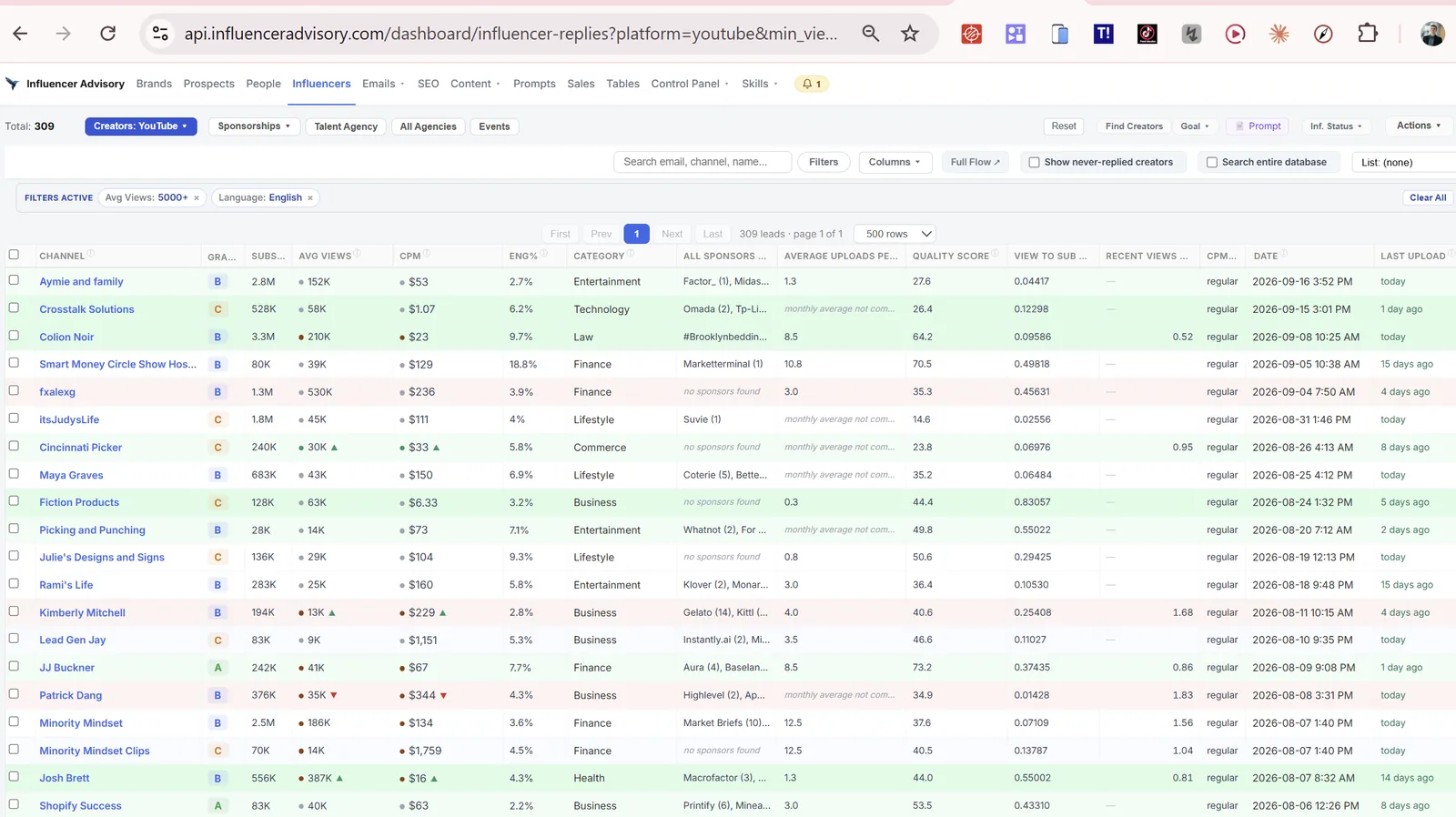
CPMs used to be under $10. Now you're seeing $50-$100+, with influencers often only willing to take payment per post.
Founder · September 19, 2026 · 11 min read
1. The old influencer model is getting more expensive
CPMs used to be under $10. Now you're seeing $50-$100+, with influencers often only willing to take payment per post.
Look at how things have changed:
- 2012: Marianna Hewitt started on YouTube when brands barely wanted to send free products. Even gifting could work well back then.
- 2017: Ridge started sponsoring YouTube creators when a read cost around $5-$10 CPM.
- 2024: HexClad's marketer said YouTube deals were running at $50-$100 CPM.
- 2026: More than 40% of YouTubers report CPMs above $100.
More brand demand = higher influencer cost
But higher prices are only part of the problem. The way brands work with creators is creating its own problems too.
Constantly rotating creators wears down trust
A brand pays an influencer for three months, reaches much of their existing audience, then moves on to the next creator.
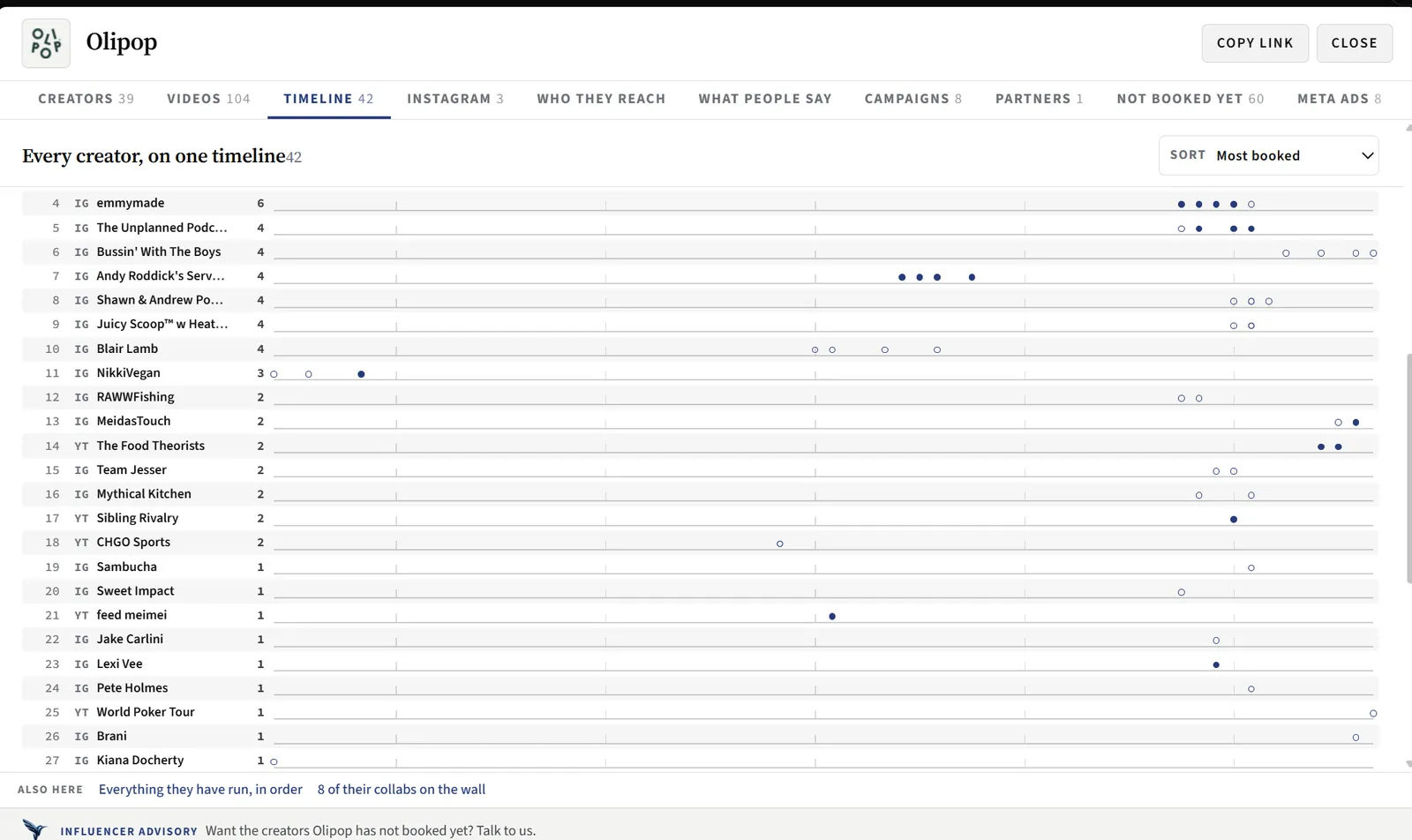
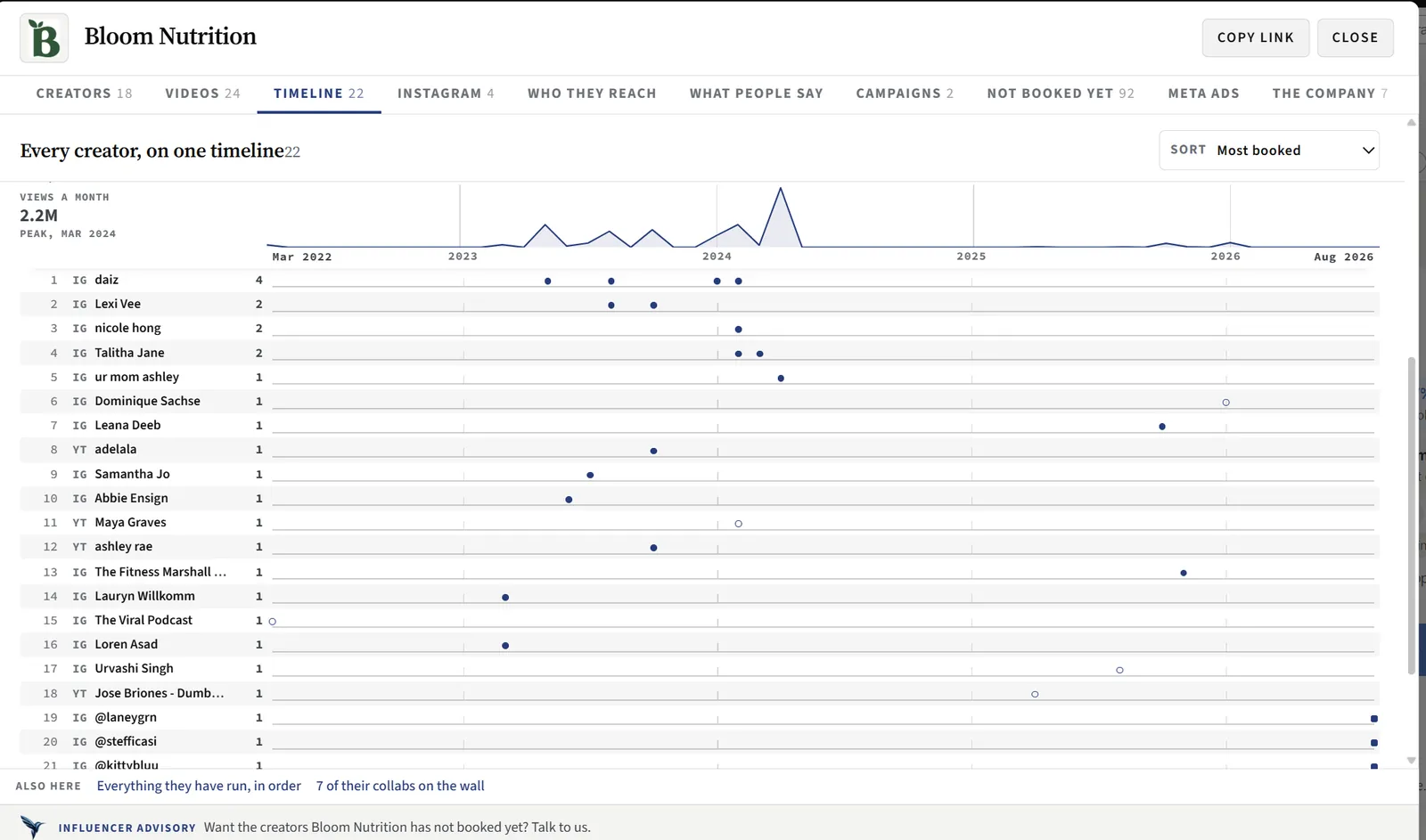
As you work through the strongest fits, you can end up reaching colder and colder audiences with diminishing returns.
Meanwhile, the creator moves on to another sponsor. Then another. Their audience sees a revolving door of brands, and each recommendation starts to feel less genuine.
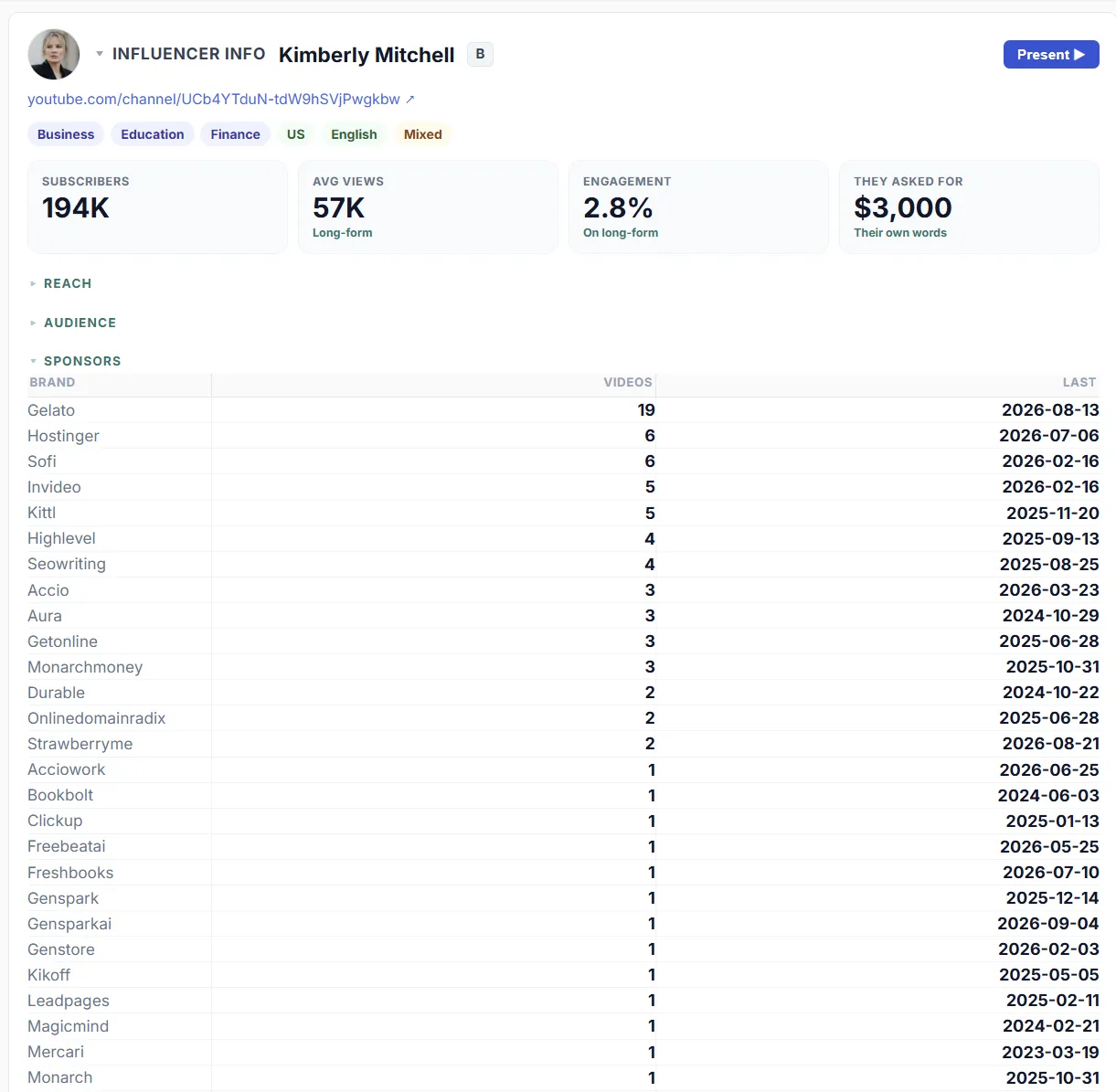
Trust falls. Sponsorships perform worse. Brands cut partnerships even sooner, and the cycle keeps going.
Very few creators can go through that many companies and keep the same level of authenticity.
So how do you build something that gets stronger over time?
2. Start with a community creators want to join
The traditional route is straightforward: send mass outreach, onboard a few influencers, run the campaigns, then repeat.
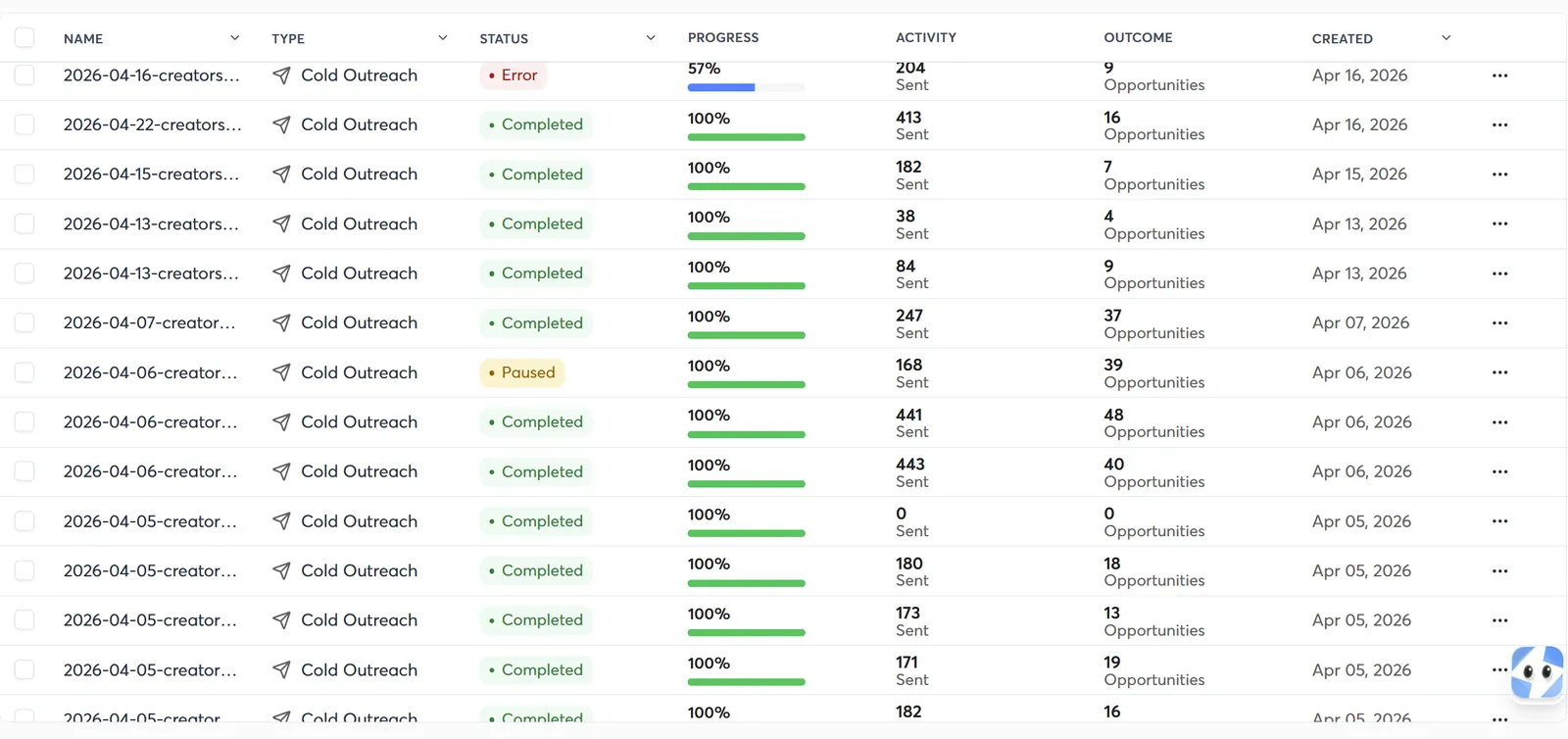
The new approach starts with building a community around the brand.
That community has two jobs:
- Attract creators: Give them a reason to want to be involved.
- Nurture creators: Give them a reason to stay, improve and grow with the brand.
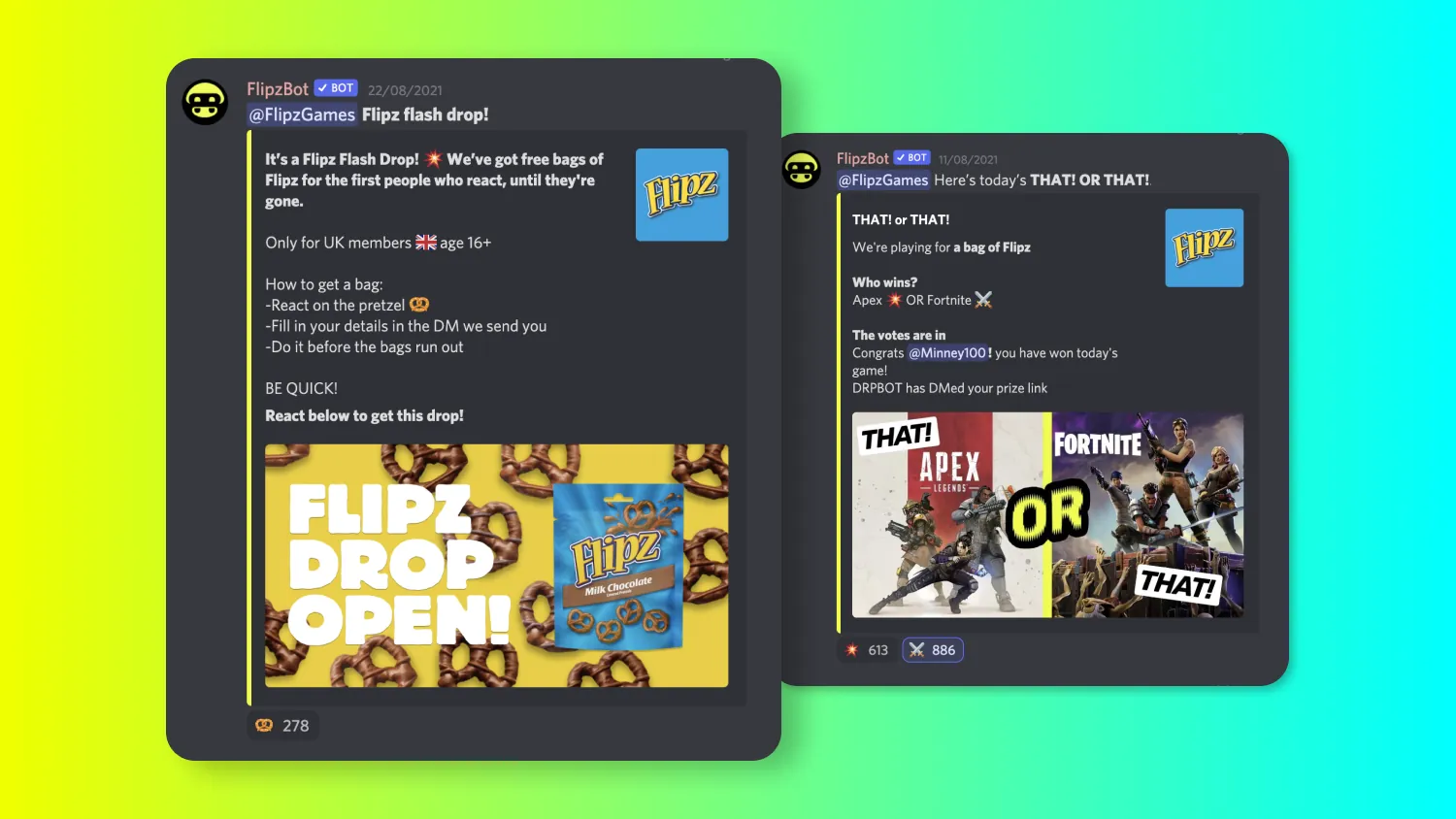
Money is part of that. But influencers, especially bigger ones, can also care about who they're working with, what they get access to and where the partnership could take them.
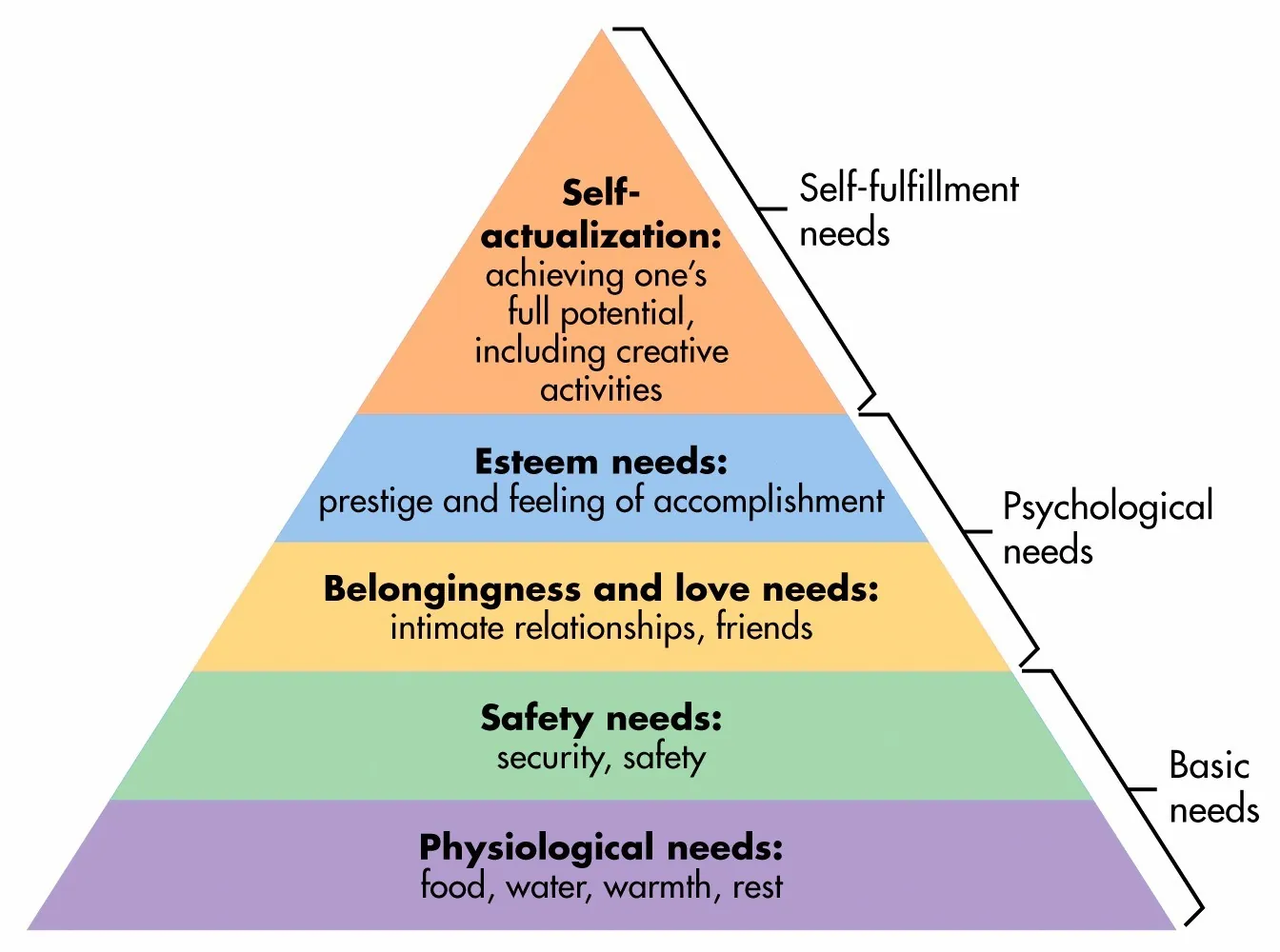
The first step is to build a strong inbound flow process with the goal of having influencers refer each other in once the initial push is completed, just like advertising a product to a customer.
3. The right celebrity can make recruiting other creators much easier
The BUM example shows how one person can make the rest of your influencer efforts feel 10× easier.
Before securing Chris Bumstead, who had more than 25 million followers, the team was getting quotes of $10,000+ a month from influencers.
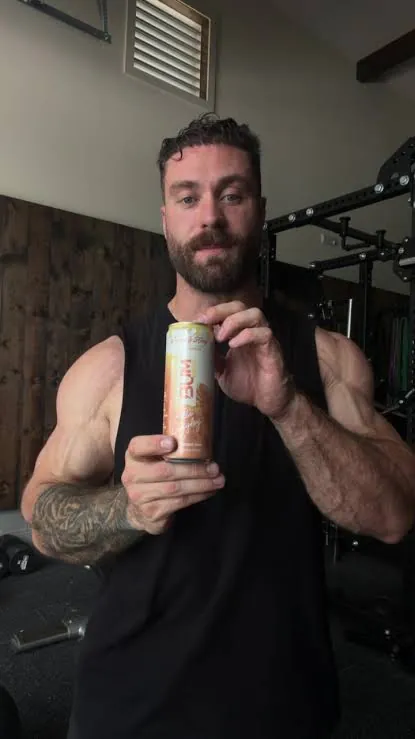
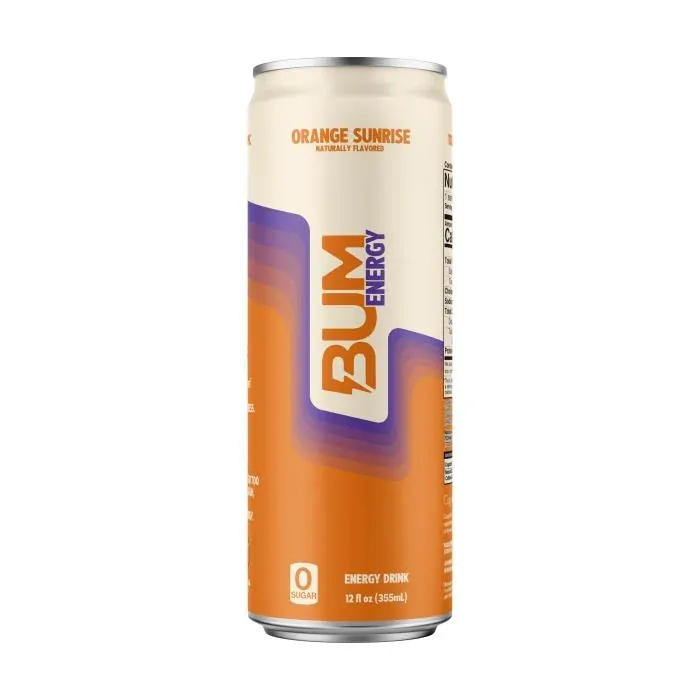
After Chris came on board, some of those same influencers came back offering to take $2,500.
Why?
Because influencers take inspiration from other influencers. They want to work alongside people they admire and be part of a bigger team. A brand mission alone doesn't always create that same pull.
The sponsorship payment becomes one part of the value of joining.
Find someone who actually likes the product
The person still needs to be authentic and genuinely like what you're selling.
As I mentioned to you, Chris, that part matters. A big name alone doesn't create a real connection to the product.
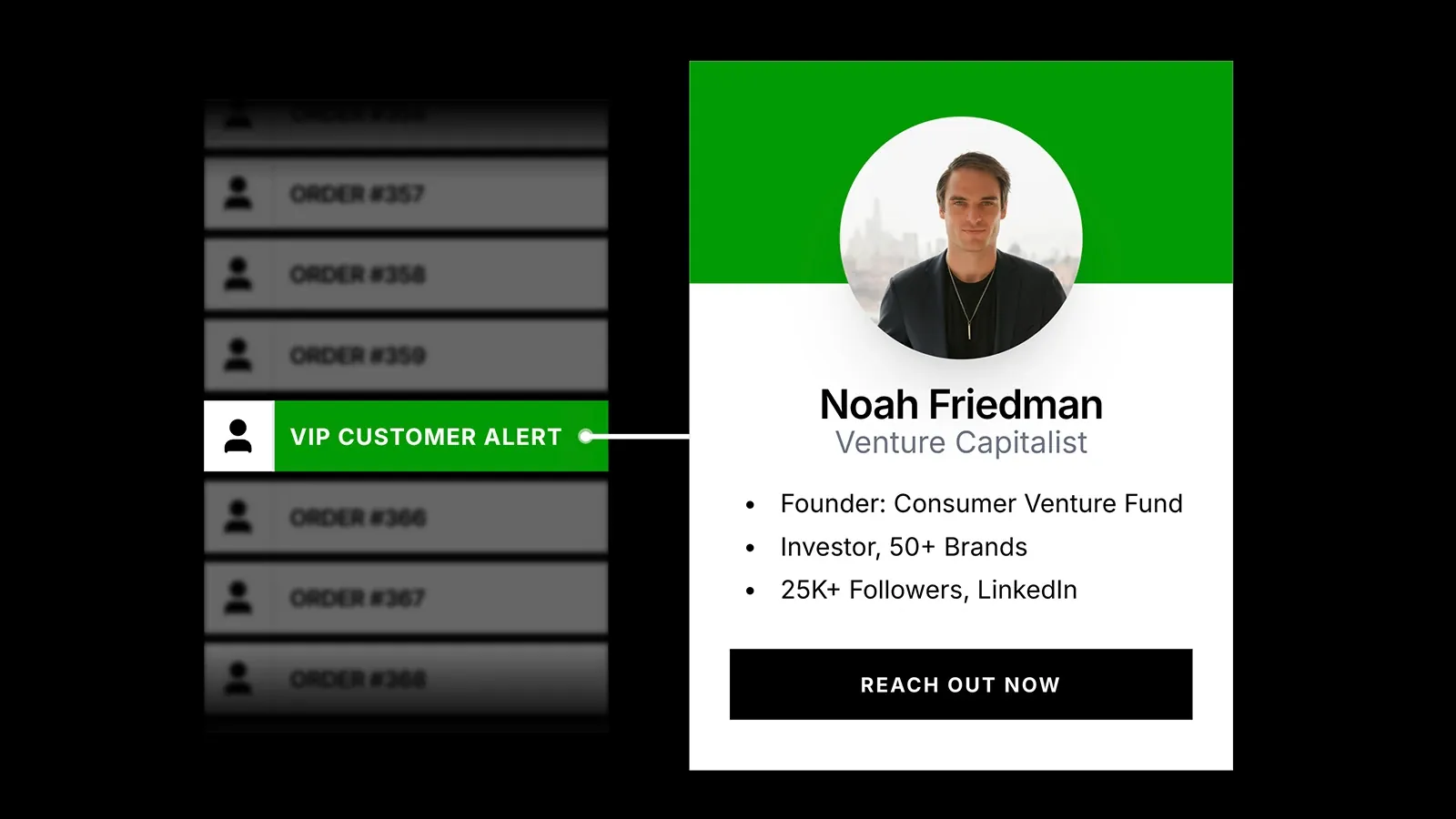
One tactical place to start is your existing customers and followers. There are tools that help identify influencers who have already bought from you or follow your brand.
Those people already have a connection to you, which gives you a stronger starting point for the partnership.
4. Make your PR boxes worth opening
Once you've identified the right creators, you still need to get their attention.
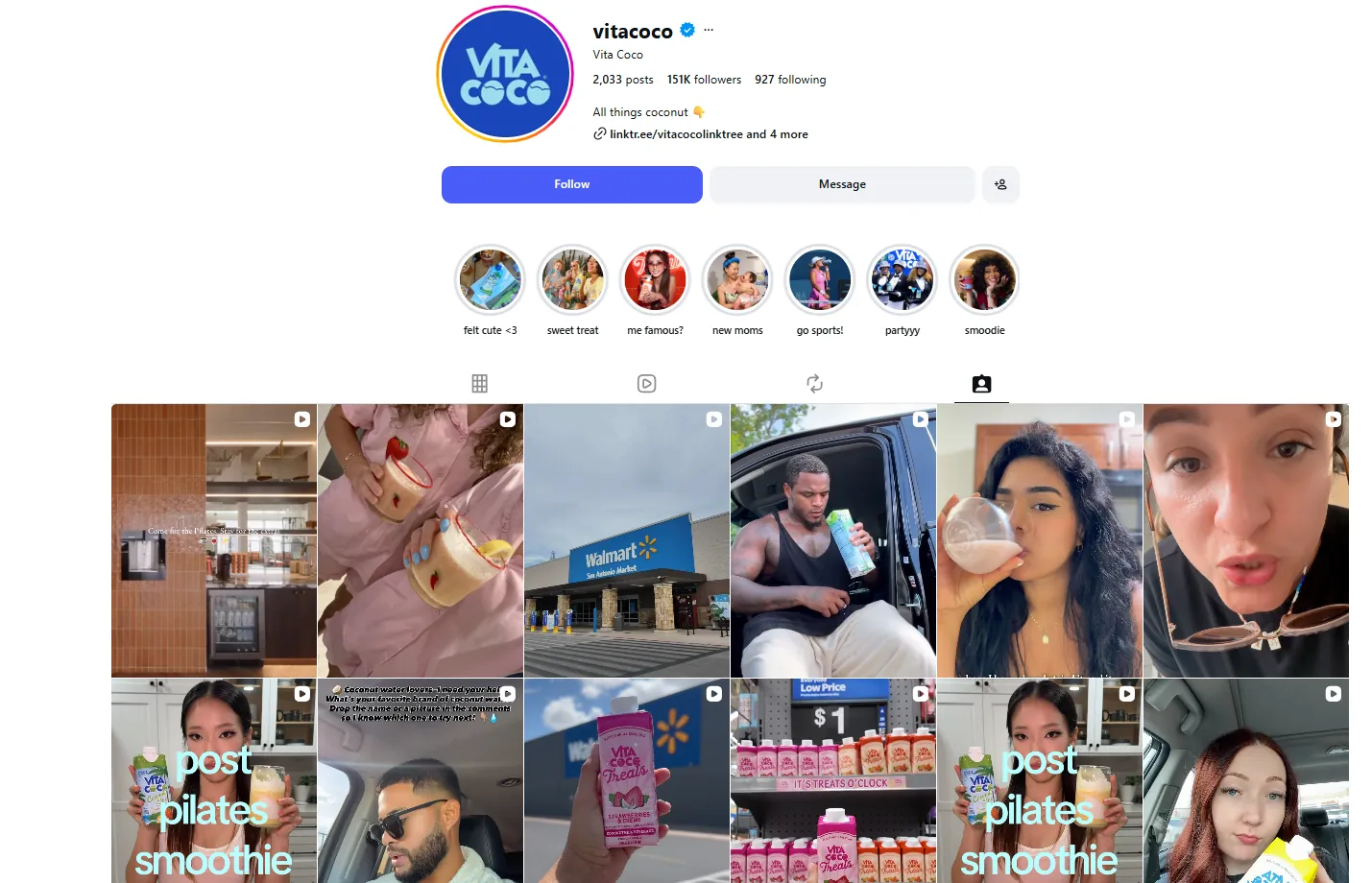
People hear “PR box” and think of putting a product inside branded packaging. But the detail you put into it matters.
Imagine a creator receiving 50 boxes a week. Most look similar: corporate packaging, a product and a standard note.
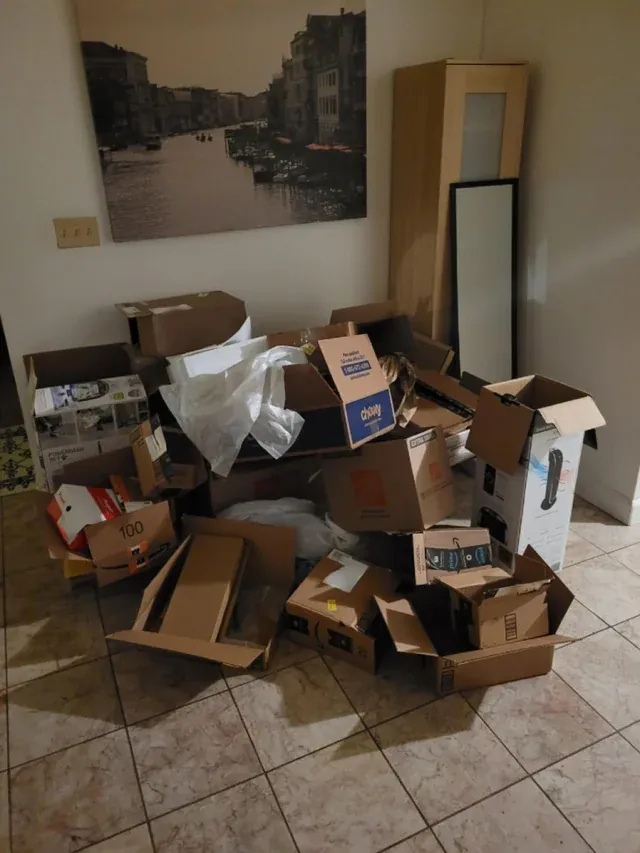
Yours needs to stand out before they even open it.
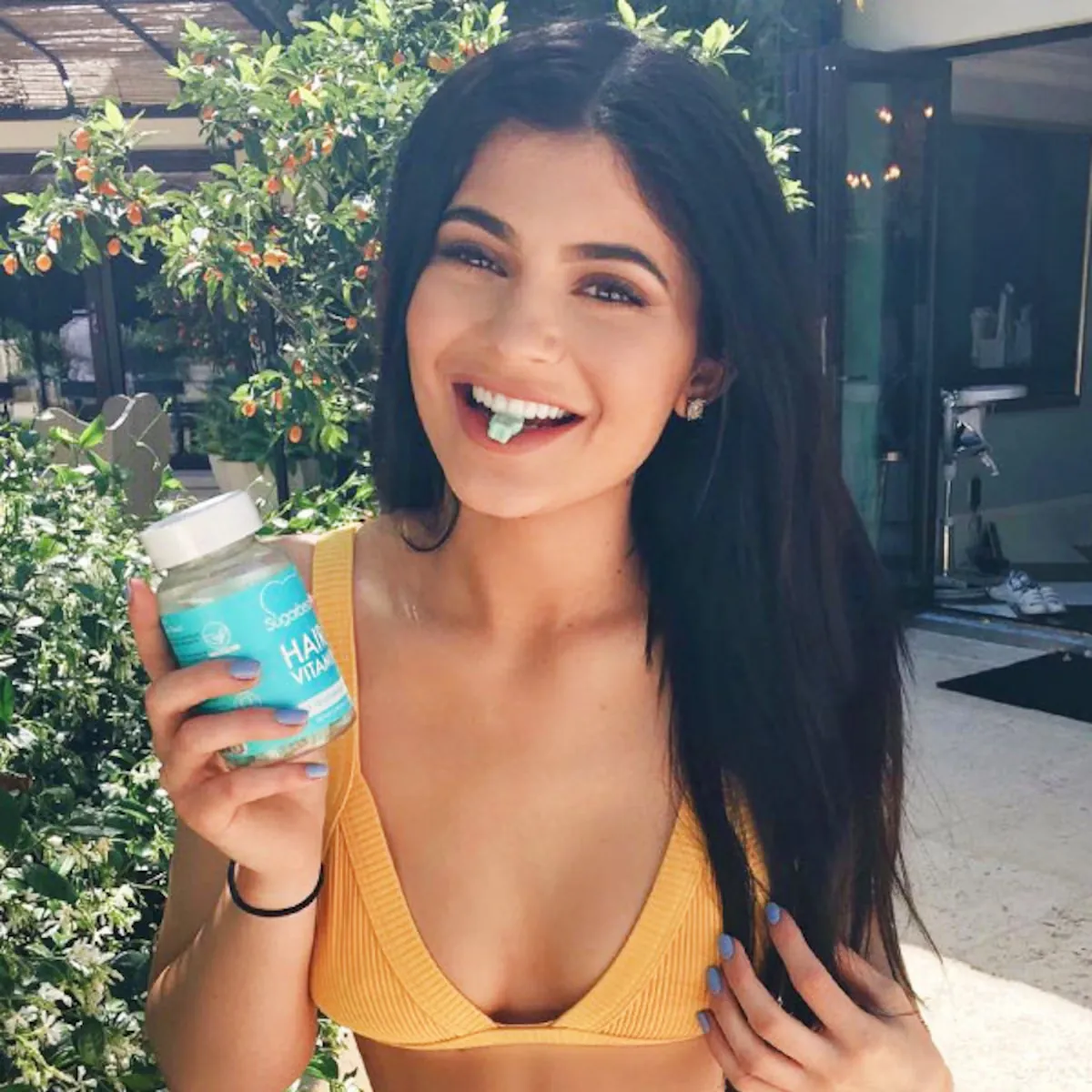
SugarBearHair took this further with elaborate boxes, personalized products and gifts based on things creators had mentioned liking in their own content.
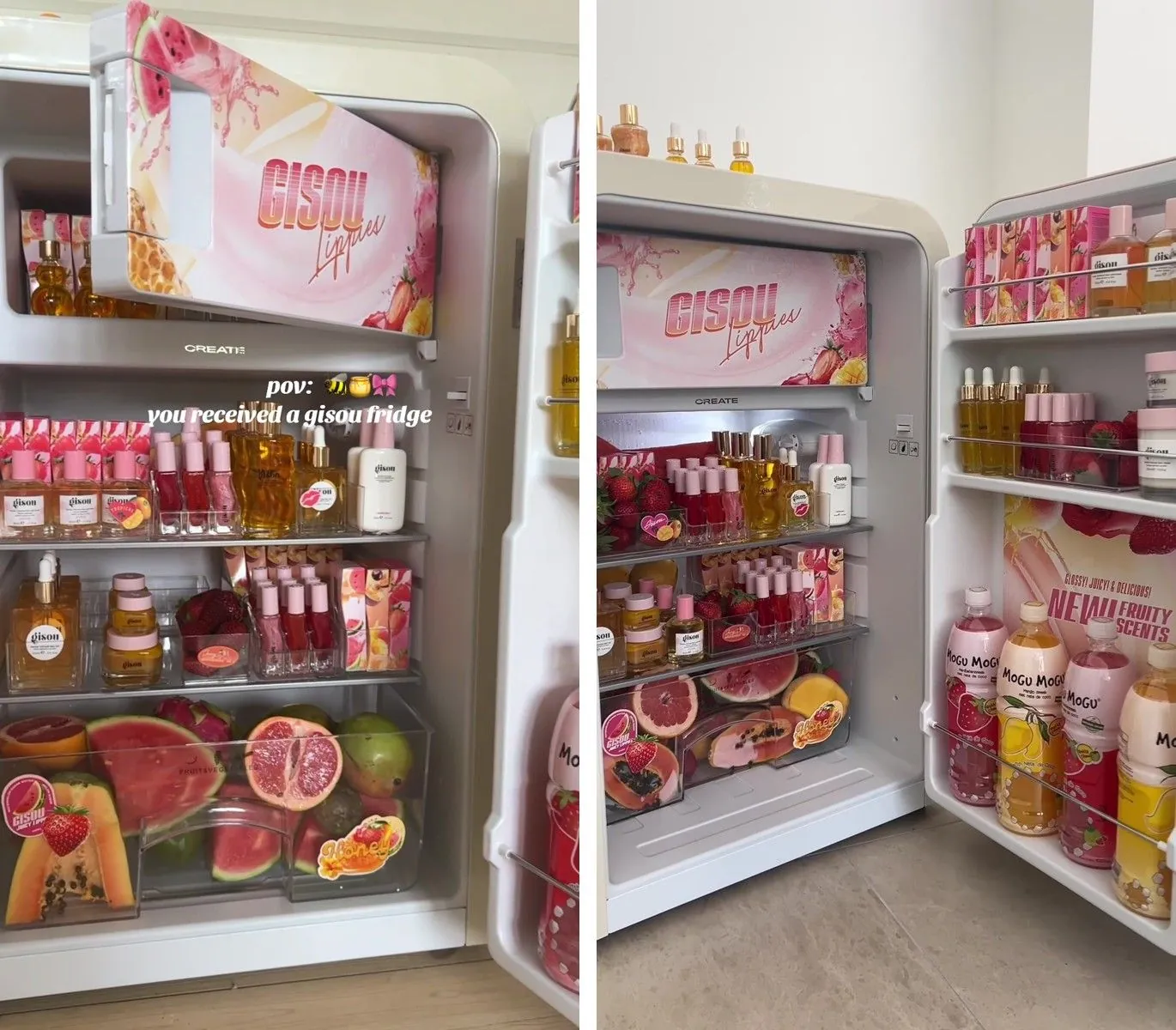
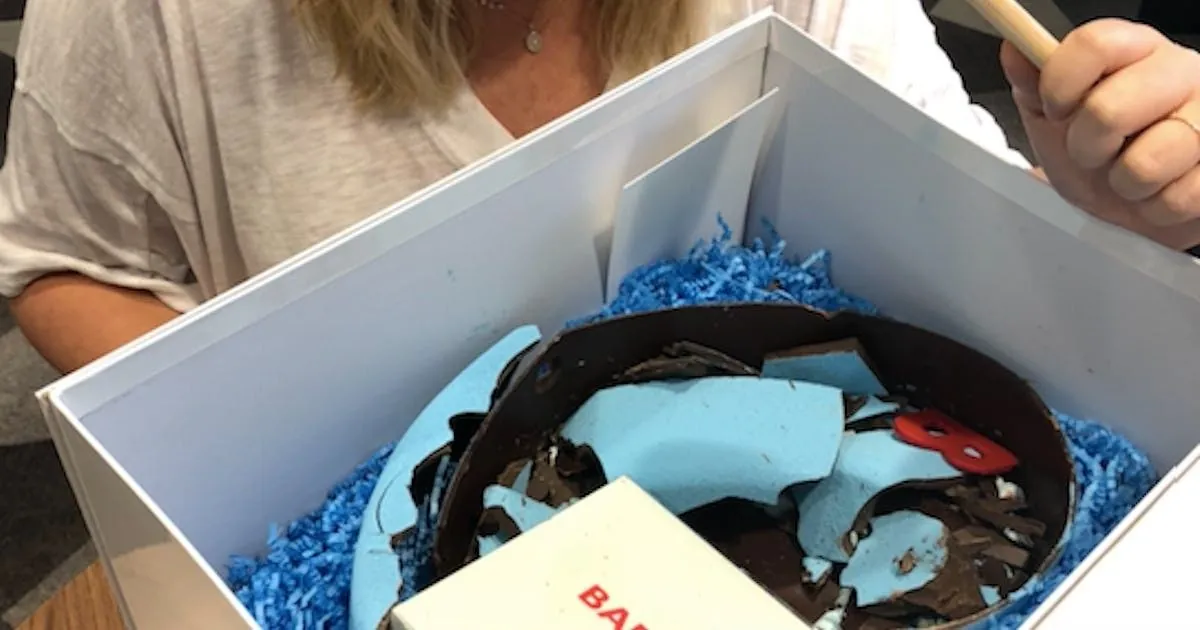
A good signal is when creators see each other's PR boxes and wish they'd received one too.
That gives your outreach a different starting point. The creator already sees something they want to be part of.
5. Give creators real reasons to stay in the community
Getting someone interested is only the first step. What do they actually get once they're inside?
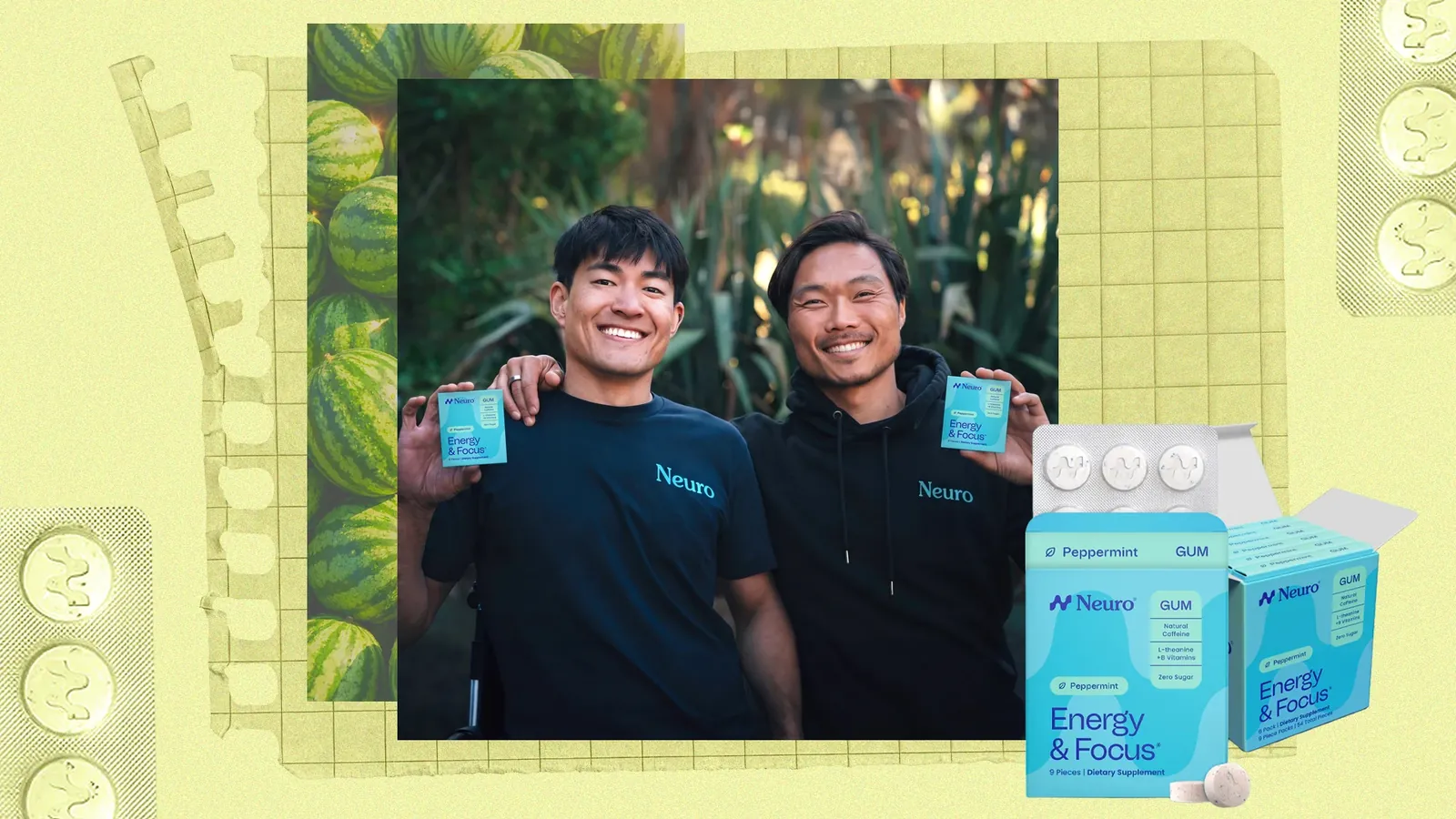
NeuroGum put real perks into its community.
Its Discord originally had around 500 creators, with the head of growth and brand manager directly involved. Creators had a minimum sales target to stay, and the program had different tiers with a visible path to move up.
The benefits included:
- Trips and dinners with other creators.
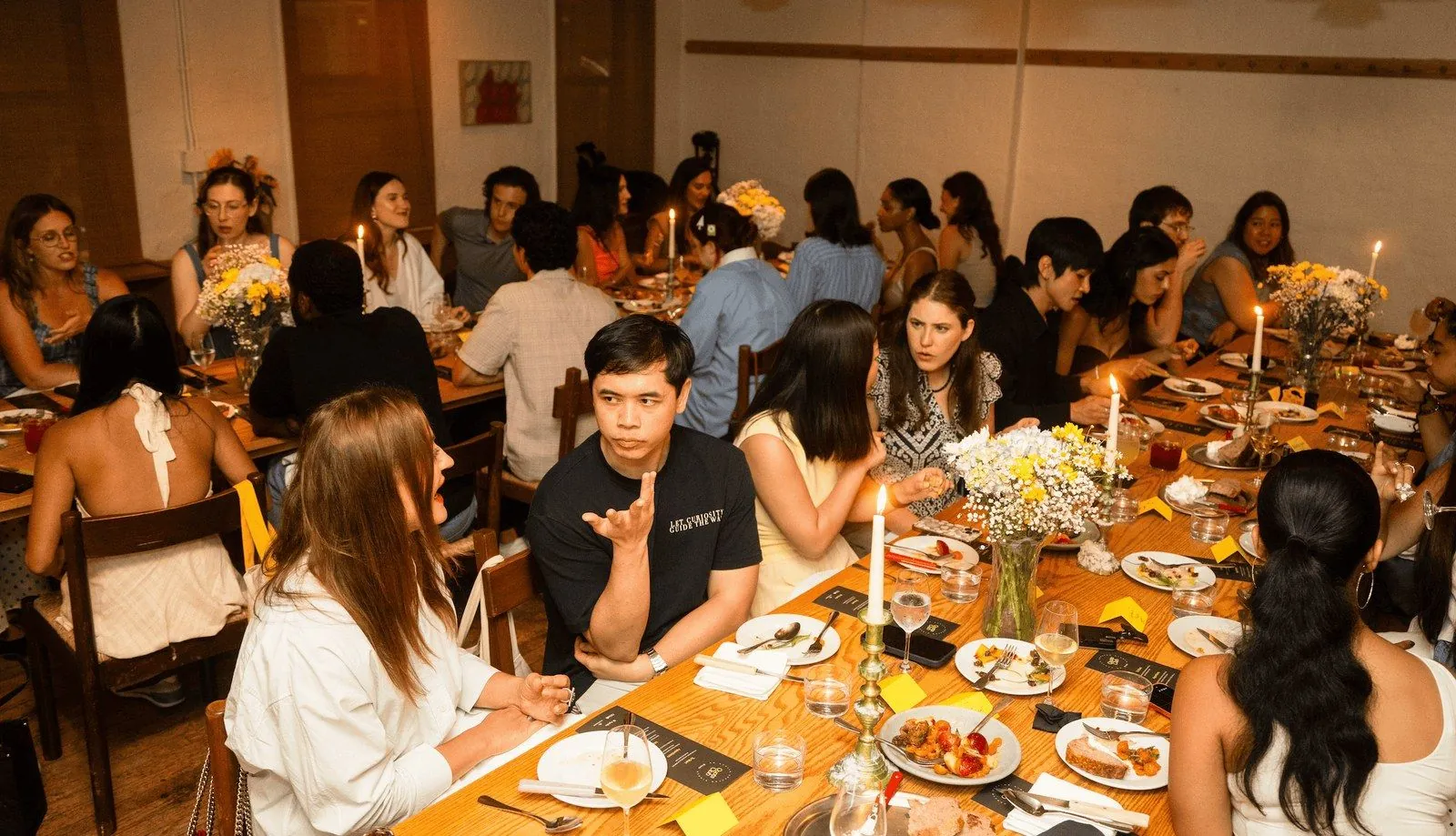
- Opportunities to meet major celebrity influencers.
- Content coaches, consultants, videographers and photographers.
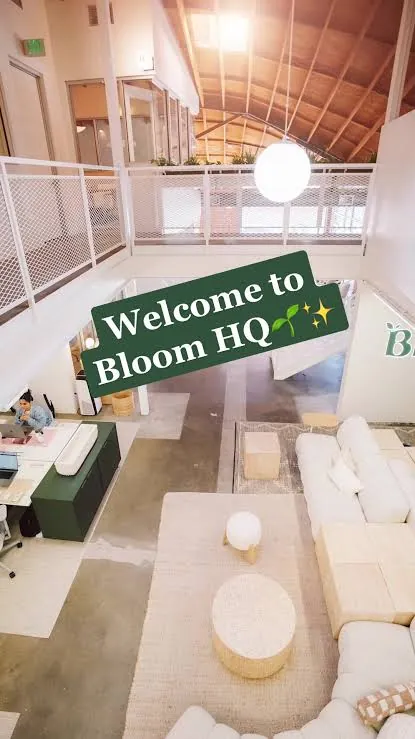
- Access to production studios.
- 100% commission on a customer's first purchase.
- Exclusive experiences and rewards for top performers.
There were creators with millions of subscribers who still wanted to stay because those perks were valuable to them.
Put time into the relationship itself
NeuroGum's CEO held quarterly calls with creators. The team sent birthday notes, holiday gifts and personal messages.
Every new creator also went through a three-hour orientation, which was recorded and tracked in Notion.
That's what running an influencer community involves: taking care of people, bringing them together, getting to know them and investing in their growth.
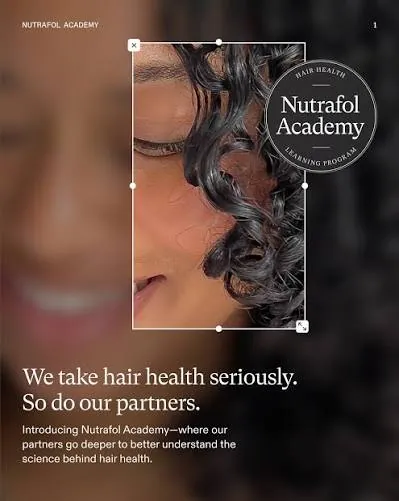
Eventually, it needs someone dedicated to running it. A community manager, supported by people who understand creator growth, partnerships and content.
6. Make some opportunities exclusive
Scarcity can make being part of the community more desirable.
SugarBearHair created experiences and rewards that weren't available to everyone. Creators could earn trips, exclusive events and other opportunities.
As Kent Yoshimura explained:
“If you were part of the Sugar Bear Hair group, you felt really special, but you had to earn your way in there.”
NeuroGum applied the same principle with deliberately limited rewards, such as putting a handful of creators on Times Square billboards or taking a small group on a trip.
Those opportunities give creators something to work toward. They also give people outside the community a reason to want in.
Limited products can create the same pull
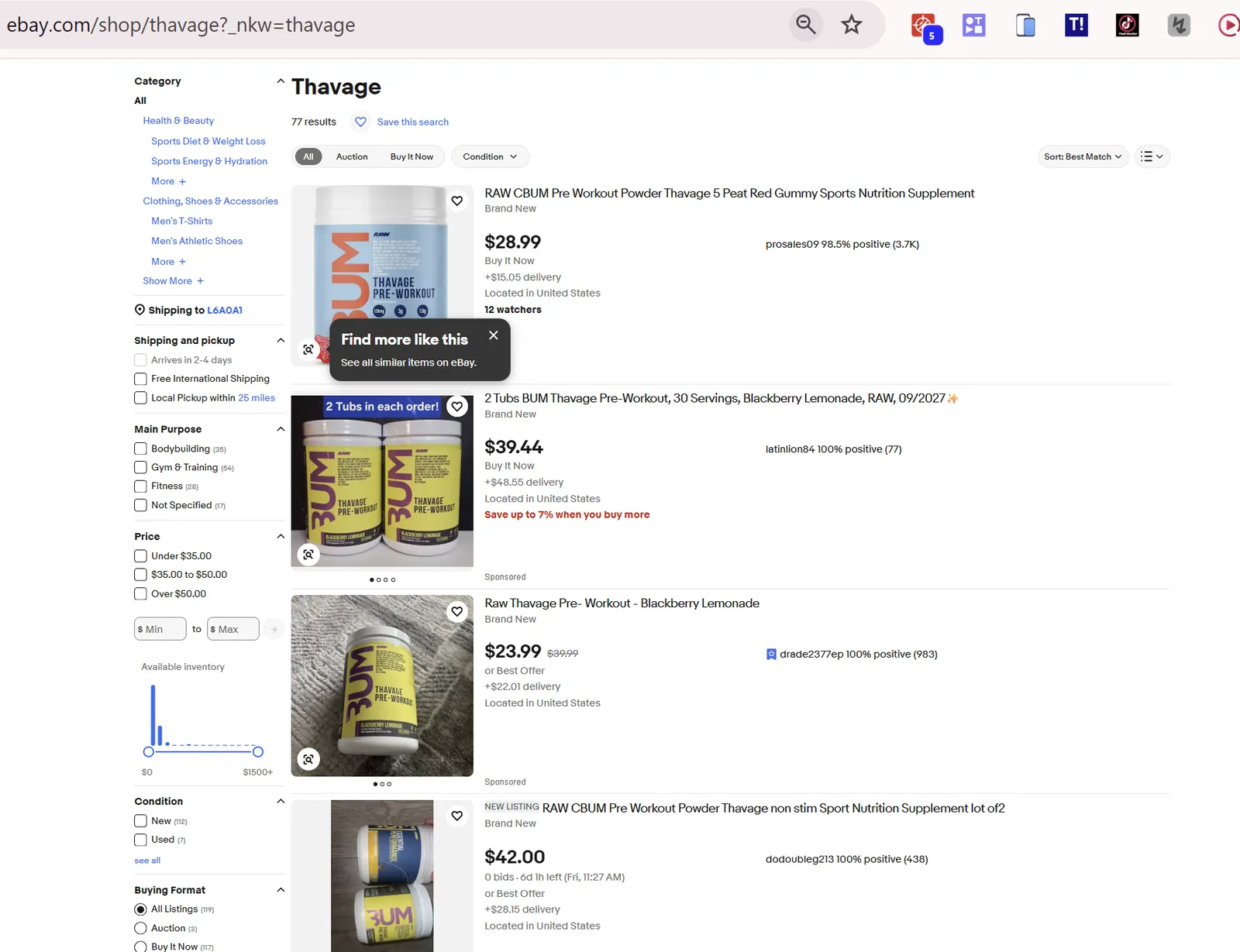
Gymshark and BUM used limited collaborations and event-only drops to create products that creators and customers wanted access to.
The Ghost collaboration included the limited Bavage pre-workout, which even appeared on resale markets at much higher prices.
7. Help your creators grow so you keep reaching new people
But why invest so much in the influencers themselves?
Because if a creator isn't growing, you're eventually paying to reach the same audience over and over again.
Within the first few months, you may have already exposed a large portion of that audience to the brand. If the audience stays the same, there are fewer new people left to convert.
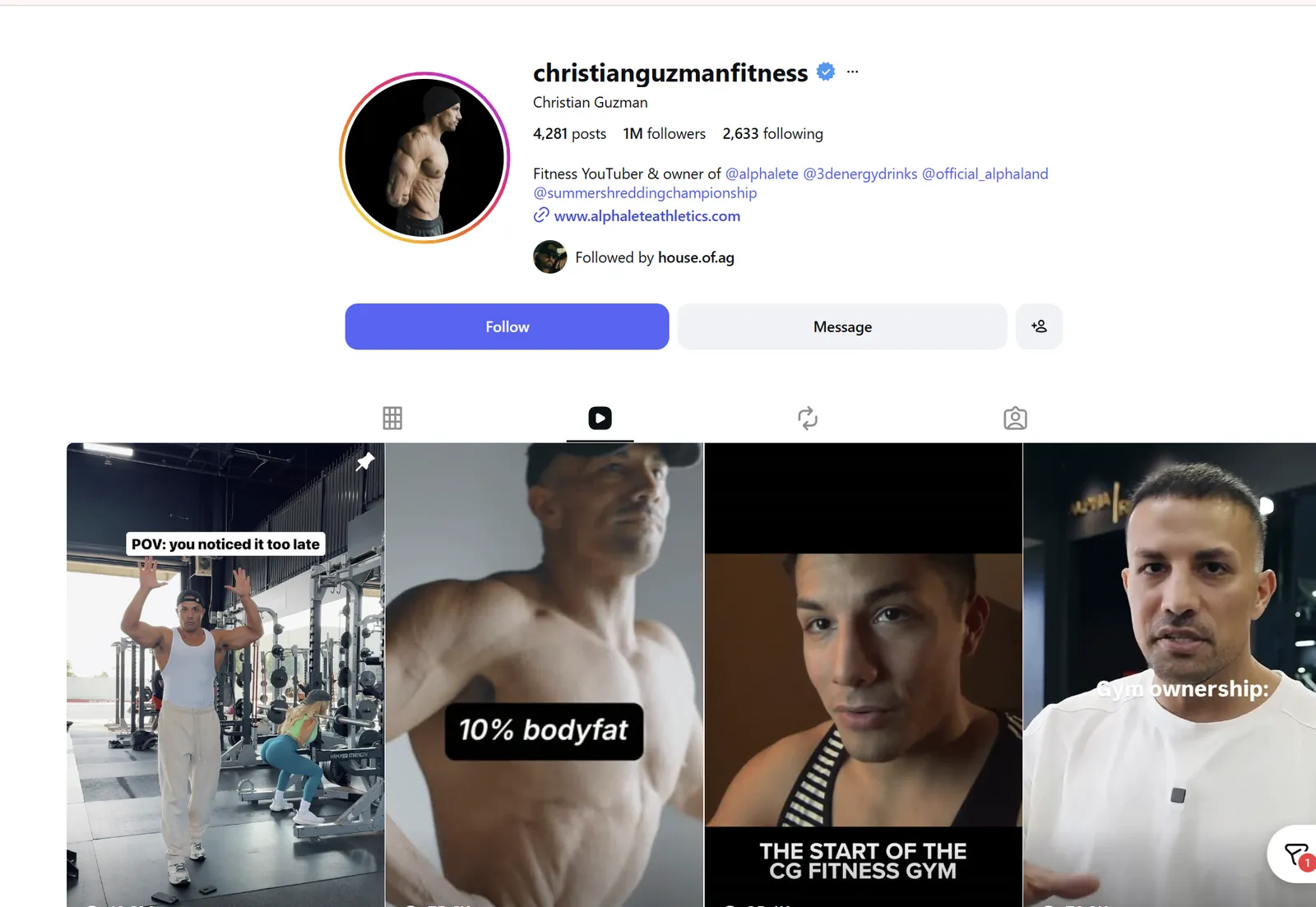
BUM took this seriously enough to bring on Christian Guzman specifically to help its influencers grow their pages and build their personal brands.
Their audience growth builds on your investment
If one of your creators grows 10% month over month, they're dramatically bigger a year later. Some top creators can grow even faster, reaching 10-20% monthly growth.
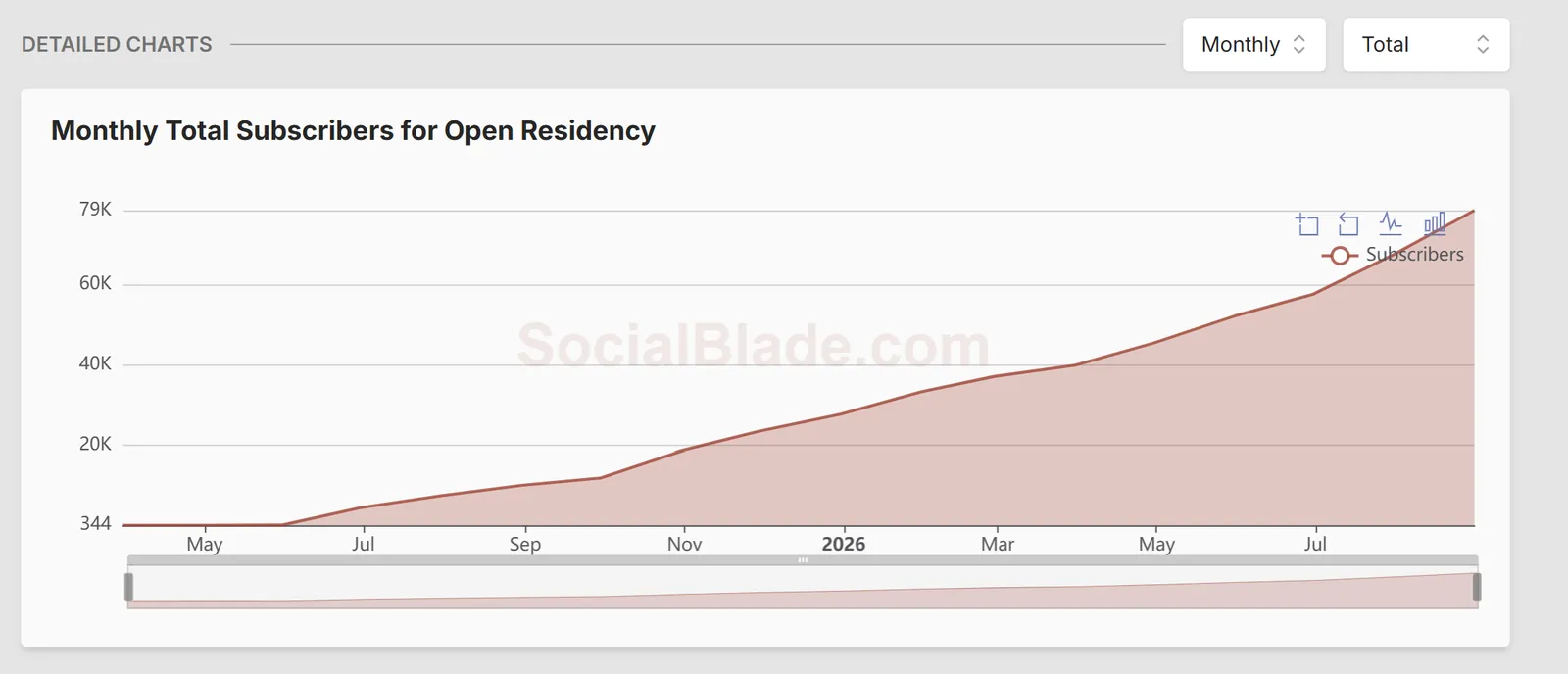
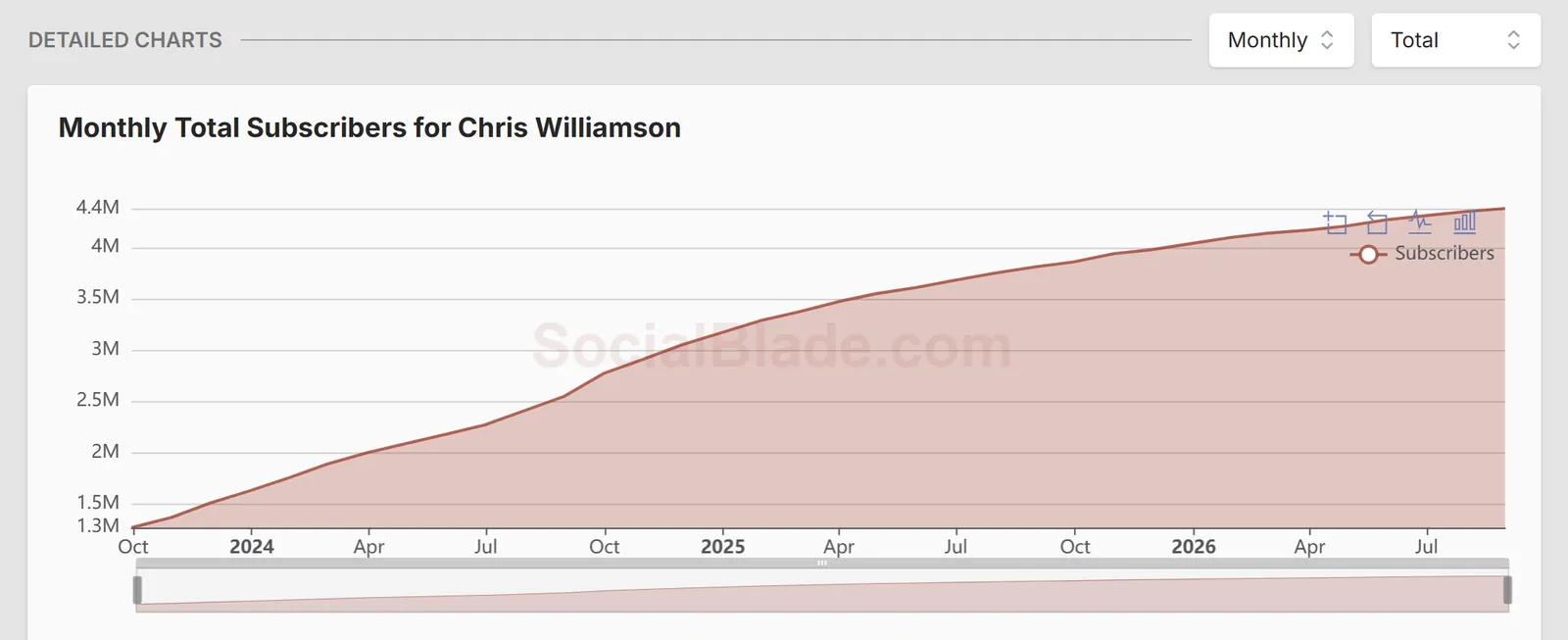
You might start working with someone relatively early and eventually have a celebrity-level creator who has been connected to your brand for years.
You're helping build the audience you'll have access to tomorrow.
It also strengthens the relationship. Creators can see that you're investing in their future. They have a reason to like the brand, trust the team and stay involved long term.
Once they understand the upside, some may be willing to take less upfront in exchange for better commissions, opportunities and long-term growth.
8. Let creators learn from each other and reward what works
The community itself can grow stronger over time too.
Creators become friends. They share hooks, creative ideas and what's working. If one creator discovers a format that converts, it can spread through the Discord without the brand having to teach everyone individually.
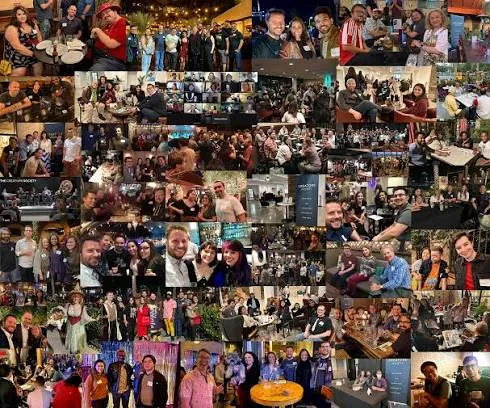
Eventually, creators start figuring out what works together.
Give them more ways to earn
This also changes how you can structure compensation.
When creators get value from the relationships, resources and opportunities inside the community, you have more room to discuss:
- Commission-based deals.
- Hybrid deals combining an upfront fee with commission.
- Performance incentives and rewards.
The community gives them reasons to stay involved and keep posting. The compensation gives them a share of the results they help produce.
The bigger point is simple: make being one of your creators valuable beyond the sponsorship payment.
That value can come from relationships, education, exposure, experiences, growth opportunities, commissions and status inside the community.
Over time, creators have more reasons to participate without needing a new flat fee for every interaction.
9. Use organic content to find ideas you can scale through paid ads
Now you've built a group of influencers whose audiences are growing. But there's another problem: the organic posts themselves might not generate an amazing return.
Many brands run into this.
The bigger opportunity is using creator content to find what works, then putting paid media behind the winners.
The Marketing Operators podcast discussed a model where roughly 10% of the investment goes toward organic creator content and 90% goes toward amplifying it through paid ads.
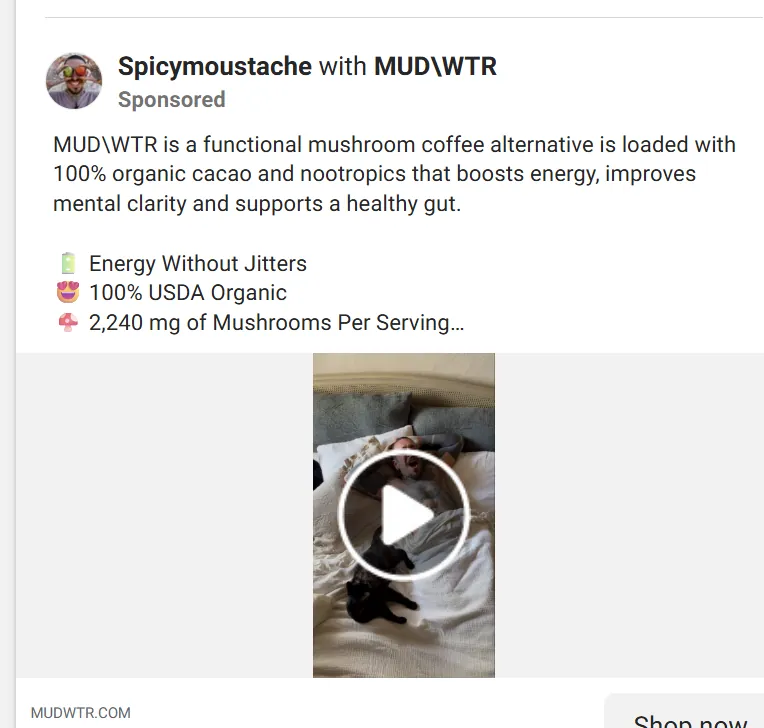
In that model, organic content becomes a testing ground.
The point is that every organic post doesn't have to carry the whole return by itself. Creators can continuously produce and test ideas, while paid media gives the strongest ones much larger distribution.
And the biggest problem is then making good content that actually resonates, getting the right format, and making sure the influencer adheres to it.
10. Use TikTok Shop to find creators who can sell
So where does TikTok Shop fit into this?
The founder of BUM, Raw Nutrition and multiple other companies said he spends more than 80% of his budget on TikTok.
The approach is to aim to break even on customer acquisition there, while also benefiting from the extra demand that carries over to Amazon.
Start with gifting, then invest in the performers
- Gift products to lots of TikTok creators. Give people a chance to try the product and make content around it.
- See who makes good content and drives sales. Out of 100 gifted products, maybe only two creators are worth investing in further.
- Turn the winners into paid UGC creators. Build a roster of the people who consistently produce useful content.
- Get advertising and whitelisting rights. Agree on permission to use their content and run ads through their accounts.
- Put most of the money behind the winning content. He said partnership ads were performing better for them than normal brand ads.
- Track the extra sales that reach Amazon. Their estimate was that every $100 generated through TikTok led to roughly another $40 in Amazon sales.
The extra Amazon sales are part of the return they described. The creator content helps generate demand on TikTok, and some customers then choose to buy on Amazon.
That gives you a reason to look at the wider effect of the campaign alongside the sales recorded directly in TikTok Shop.
11. Build local momentum one city at a time
You can apply the same focus on community to where you launch.
A lot of brands try to reach the whole world at once. But as the saying goes, if you're everywhere, you're nowhere.
There can be value in concentrating your activity in one city so the same people keep encountering the brand through different local connections.
Gymshark has consistently used local activity such as:
- Pop-ups.
- Creator dinners.
- Sponsored clubs, groups and communities.
- Co-hosted events.
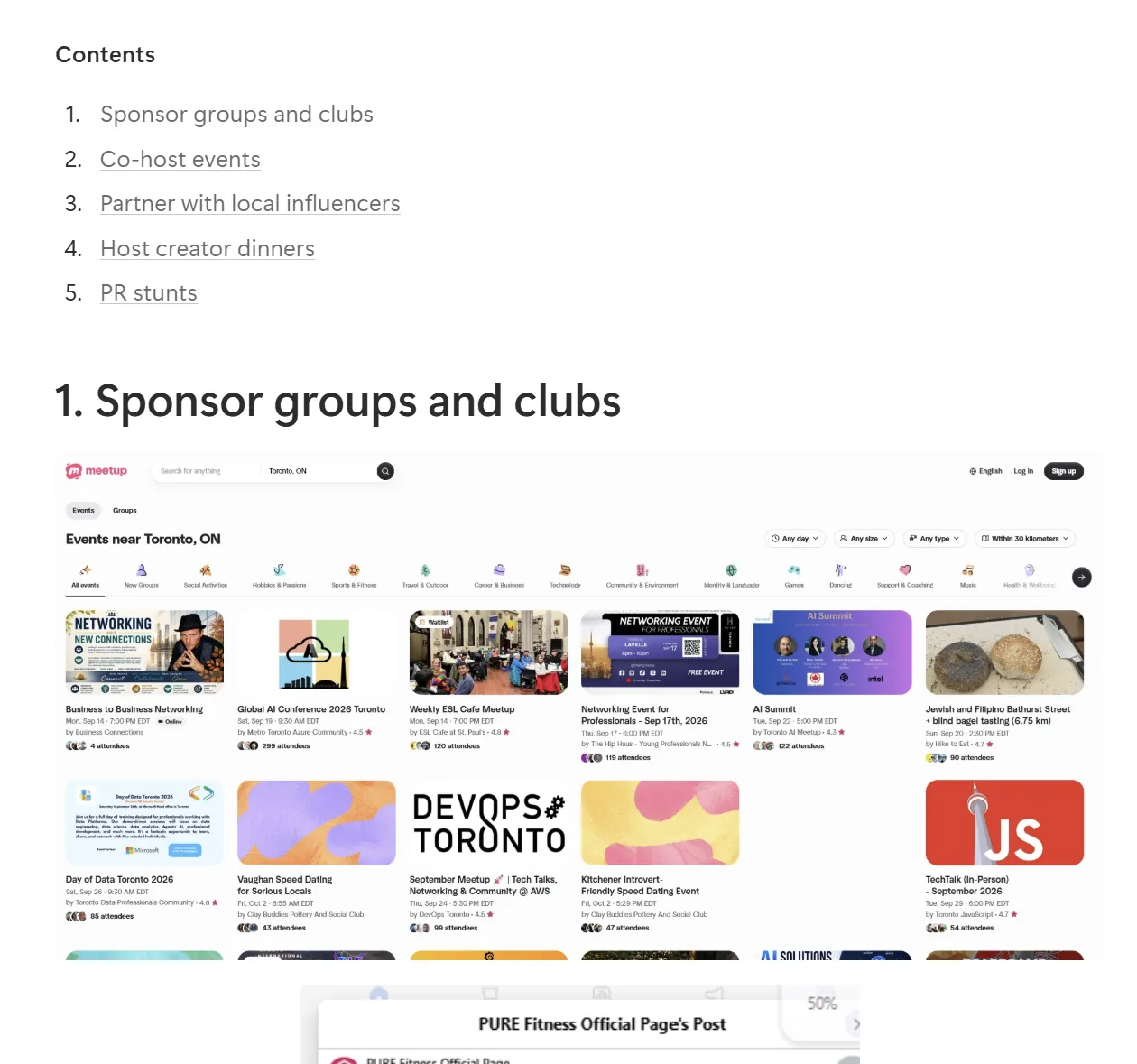
Together, these create the first wave of people who know about the brand.
Connect local content with local relationships
With a good product, those first customers and creators can help spread it through referrals.
Local creators, clubs and events can also have overlapping audiences in the same city. Someone sees the brand at a pop-up, hears about it from a friend, then sees a local creator posting about it.
Those repeated local encounters can build momentum across the city.
Toronto, New York, Miami, Los Angeles and San Francisco are examples of cities where you could concentrate that activity, building a strong local presence before repeating the approach elsewhere.
The Offer: We Build Your Influencer Growth Engine
Instead of constantly paying more to recruit new influencers, we'll help you build a creator ecosystem that gets stronger over time.
We work alongside your existing influencer team to build and run the system.
1. Build the Creator Community
We'll design the actual community creators want to be part of:
- Creator tiers and incentives
- Affiliate + hybrid compensation
- Discord/community structure
- Competitions, rewards and exclusive opportunities
- Creator education and growth resources
- Referral systems so creators bring other creators in
The goal is to make working with your brand valuable beyond just what you pay for a post.
2. Recruit the First Creator Group
We'll headhunt and recruit the initial group of creators that gives the community momentum.
That can include:
- Existing customers who already love the product
- TikTok Shop affiliates
- Health & wellness creators
- Larger strategic influencers
- Potential celebrity/anchor talent
We'll also help structure the creator offer, outreach and PR gifting so people actually want to join.
3. Turn the Community Into a Content Engine
Instead of buying isolated sponsored posts, we'll build a system where creators are constantly producing and testing content.
We'll track:
- Which creators sell
- Which hooks work
- Which content formats perform
- Which creators should get more budget
- Which content should be turned into paid ads
The winners can then get larger deals, better commissions and paid media behind their content.
4. Scale the Winners
We'll help negotiate usage and whitelisting rights so the best creator content can become paid ads.
Instead of putting the entire budget into influencer fees, the creator program becomes the testing ground and paid media becomes the amplifier.
5. Build Real-World Momentum
For brands where it makes sense, we'll also help bring the community offline through:
Creator dinners, local events, product drops, brand experiences and city-by-city activations.
So creators aren't just names sitting in a spreadsheet. They're actually connected to the brand and to each other.
Start With a 90-Day Build
We don't need to rebuild your entire influencer program overnight.
Give us one objective:
A product launch. A retail expansion. A new audience. A new country. Or simply lowering the cost of scaling your existing influencer program.
We'll build a 90-day plan around it, recruit the initial creators, set up the community and start testing the system alongside your internal team.
The longer-term goal is simple:
Build an influencer ecosystem where creators want to join, want to stay, bring other creators in and become more valuable to the brand over time.
If you've already got an influencer program, send me your brand + what you're trying to accomplish over the next 3-6 months.
We'll map out what we'd build around it.