
Tips and tricks for paid amplification with influencers
Creator money is hard to defend when the sales land somewhere else, like Amazon or in stores. Where creators sit in the budget, and the signs in your ad account that say to spend more on them.

Founder · September 16, 2026 · 8 min read
Budget influencer work as creative, starting at 80% on ad channels and 20% on creator stories
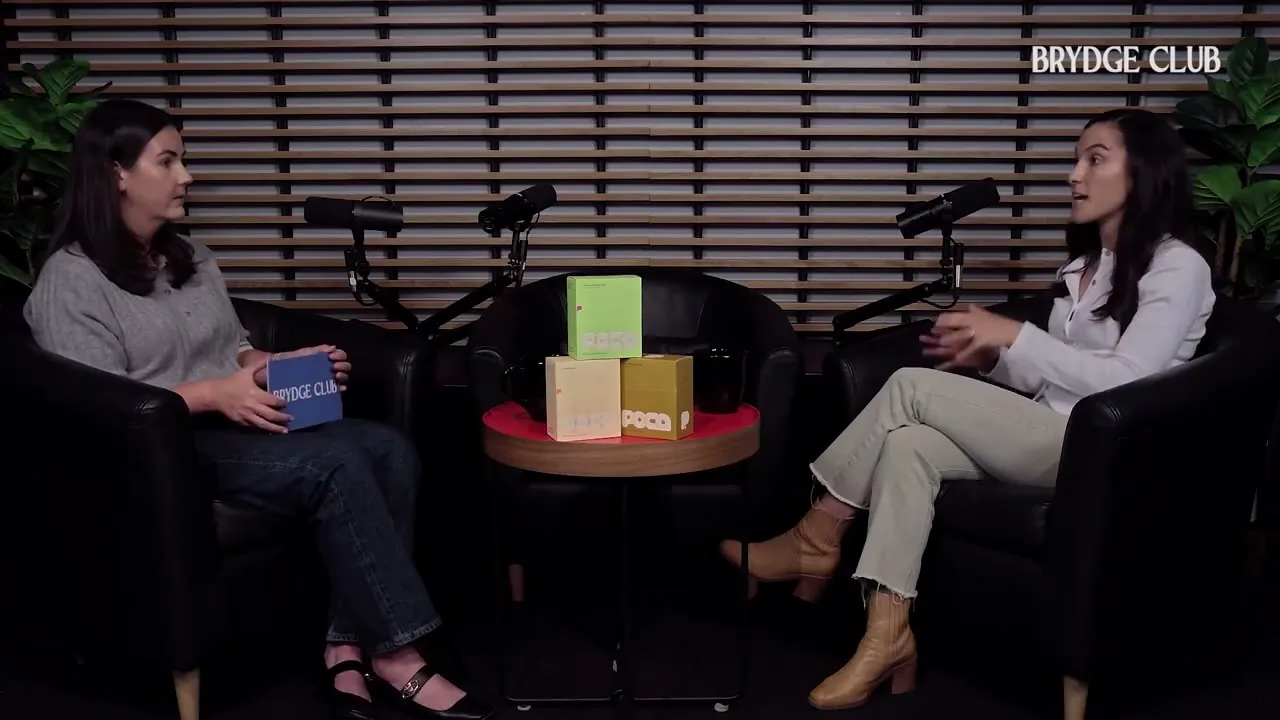
Yeah, it can get very expensive, but I think about influencer marketing as creative. They're telling the stories you need to tell, stories you would have gone out and gotten video and static ads for. So if you think about it within your creative budget, I'd say at the start, 80/20: 80% of your marketing budget dollars at work on the ad channels, but 20% creating the stories you need to tell, so you can understand how it really fits into your business in a meaningful way.
Who says so: Hilary Coles, co-founder of Hims & Hers, and Emily Boschwitz, its founding marketing hire
Do this:
- Allocate marketing budget as 80% on ad channels and 20% on creator storytelling at the start.
- Check whether a celebrity or creator partnership fits into their natural routine and daily use case before signing them.
- Set aside 20% of time and budget to test and iterate on how stories resonate before building attribution models.
Influencer money is moving from paying a face to paying people to make content
Takeaway: Shift influencer budgets from paying faces to post toward paying people to produce content for the brand.
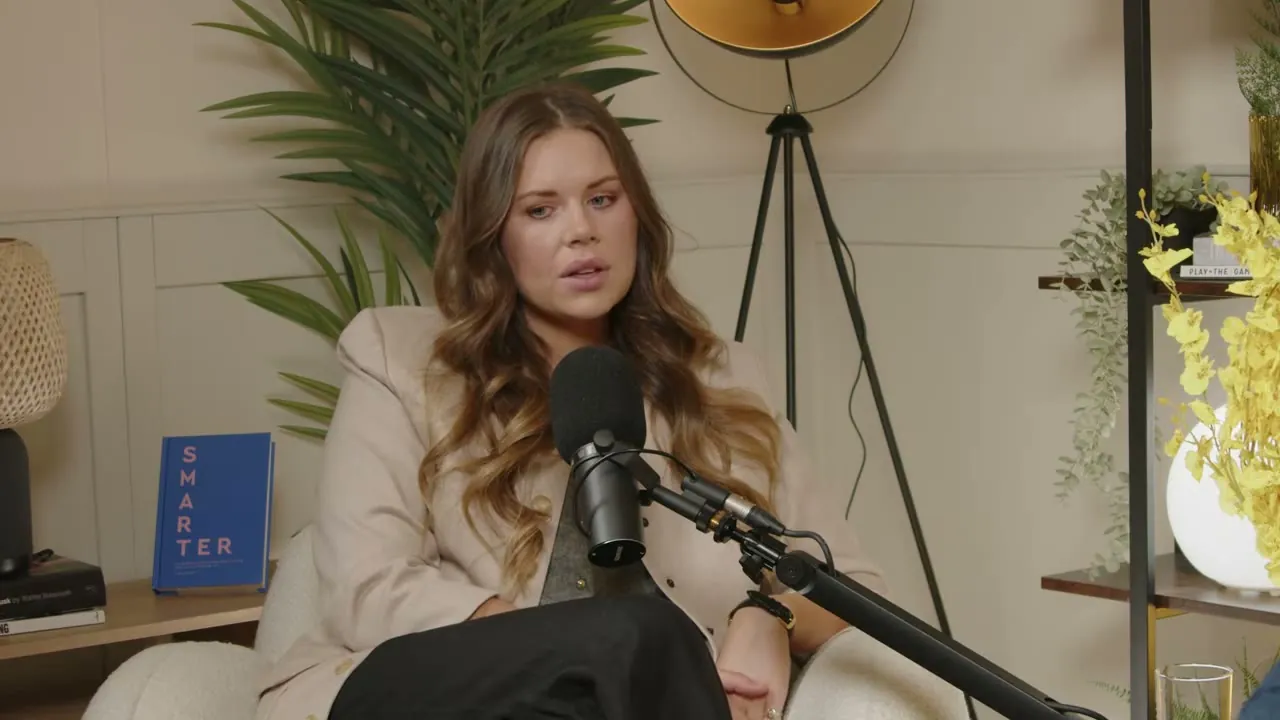
I think that the influencer space is a really hard. I think this we're seeing a lot of spend change from face ofs to just people making content. So, you know, not even needing them to post it on their social feeds, but just becoming like almost freelance content creators for brands, which is changing the relationship they have with people who create those assets internally.
Who says so: Emily Austen, founder of the PR agency Emerge, who worked with Huel for five years from launch
Do this:
- Hire creators to make content without requiring them to post it on their own social feeds.
- Treat these creators as a freelance content function rather than a face of the brand.
It used to take three to four views of a brand to buy, now it takes 9 to 12
Takeaway: Build multiple low cost touch points across social, in store and sampling so consumers can encounter your brand many times before buying.
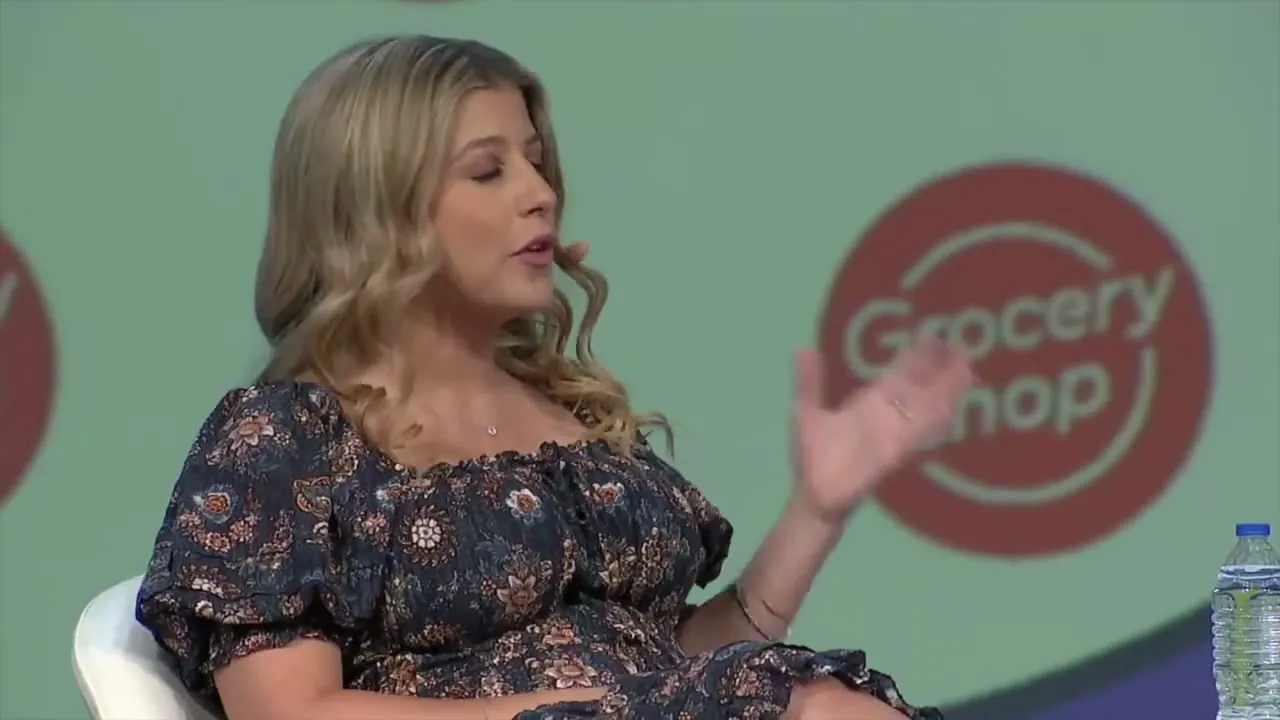
It used to be that you had to see a brand three to four times to make a purchase decision. Now, from what we're seeing, I would say it's like 9 to 12 times.
Proof: Bubble found that offering a sample set for the cost of shipping reduced acquisition costs by more than the cost of the sample set itself. (Ben Goodwin, co-founder and CEO of Olipop, and Shai Eisenman, founder of Bubble Skincare)
Do this:
- Offer a sample set that customers pay only shipping for, then retarget them to buy at retail doors.
- Do outreach and conversations with customers through a community app to gather qualitative feedback since you lose direct data at scale.
- Run promotions as another way to engage and learn about consumers.
A UGC ad is nearly two times more likely than a standard ad to become a high-spend winner
Takeaway: Increase how much low-fi UGC video and UGC static you produce relative to branded polished ads, since UGC scales more reliably.
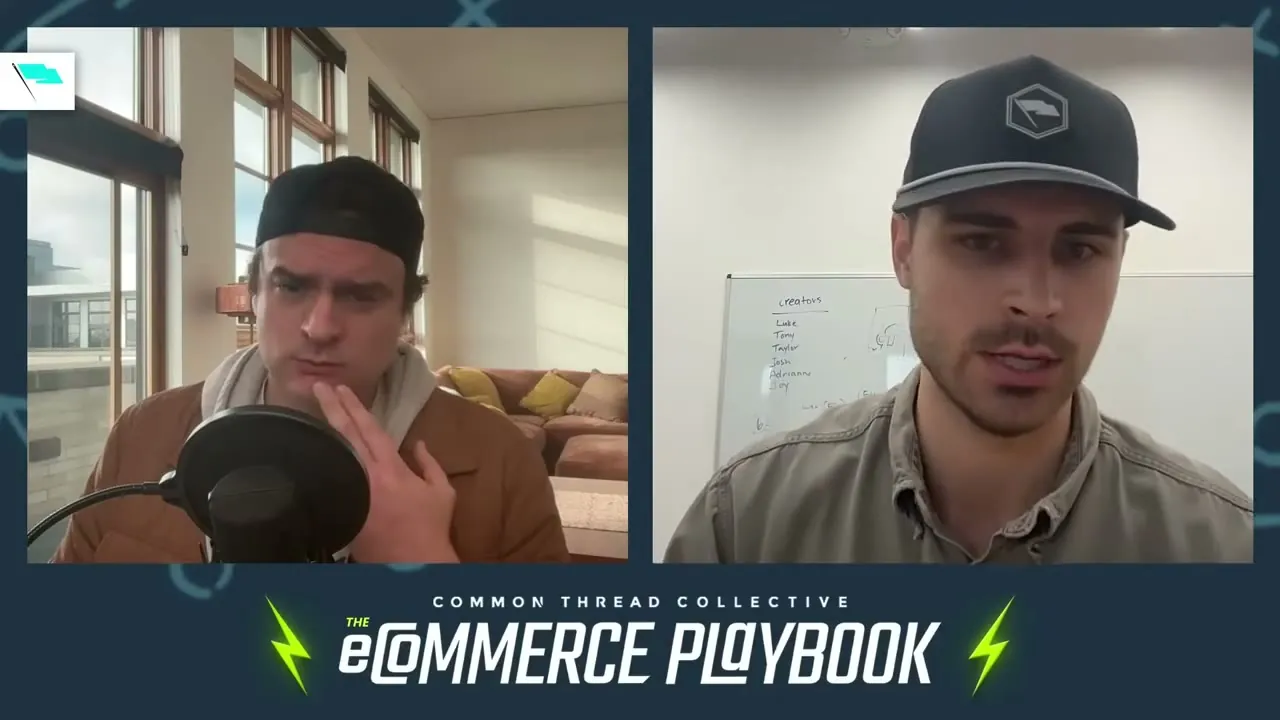
And then connected to that is that an individual UGC ad is nearly two times more likely to become a high spend winner than a standard ad.
Proof: Video held or slightly increased its efficiency on Meta year over year while static ad efficiency dropped more substantially, and an individual UGC ad is nearly two times more likely to become a high spend winner than a standard ad. (Richard Gaff and Luke Austin, who lead digital product and ecommerce strategy at Common Thread Collective)
Do this:
- Start building this increased UGC output rhythm in the first couple months of the year.
- Find the team members, resourcing, and vendors needed to sustain this level of UGC production.
- Build a larger library of these UGC assets so they can be distributed across other ad channels too.
Across his whole client portfolio, whitelisting ads are the best performers
Takeaway: Set up whitelisting ads as their own ASC entity run as both middle of funnel and prospecting with the audience cap set at 20%.

Additionally, right now, across my entire portfolio, whitelisting ads have just been the best performers, no question.
Who says so: David Herrmann of Herrmann Digital, a paid social buyer, with the Marketing Operators hosts from Ridge, HexClad and Jones Road Beauty
Do this:
- Work with someone who supplies creators and other people to run as whitelisting ads.
- Run the whitelisting content as its own ASC entity treated as both middle of funnel and prospecting.
- Set the audience cap on the whitelisting campaign at 20%.
- Run those whitelisting ads to meta shops in sub accounts now that it is possible.
A polished ad that cost 60 grand did one tenth as well as an iPhone video
Takeaway: Do not let agency style push you into expensive, highly produced content; keep making the rougher, internet native videos that built the brand.
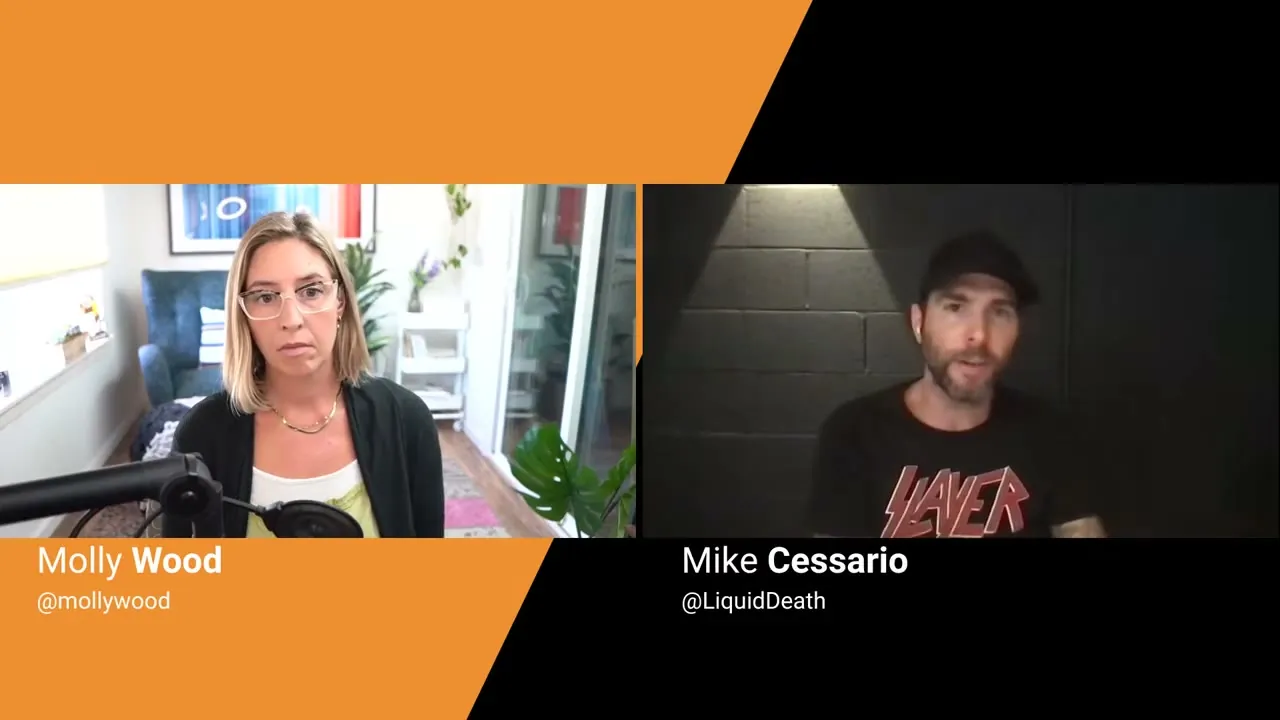
Cool, we go and spend 60 Grand to make something, but we never spent more than five before, and you put this high production value thing on Instagram, and it's, that thing we spent all this money on, performed one tenth of the thing we shot with an iPhone last week.
Proof: A high production Instagram video the brand paid an agency to make performed at one tenth the level of a video they shot themselves on an iPhone the week before. (Mike Cessario, co-founder and CEO of Liquid Death)
Do this:
- Compare the performance of any agency made, high production piece against your own low cost internet style content before paying for more of it.
- Cap spend on a given piece of content closer to what has worked before instead of jumping straight to a much bigger budget.
- Stop and revisit what has actually worked and the space you are in whenever you notice yourself following typical marketer instincts toward more produced work.
Content the team called the worst they'd ever seen became the top ad performer
Takeaway: Do not judge seeded creator content by eye, put even rough looking content into the ad account and let performance decide.
We learned that early on with Groom's. We had some of the seeding content that would come through that we'd look at, and we were like, this is the worst content we've ever seen. We put it in the ad account. It's the top performer.
Proof: Gruns had seeding content the team judged as the worst content they had ever seen, and it became the top performer once put in the ad account. (Katie Cerulli, Chief Emerging Brands Officer at Grüns)
Do this:
- Put seeded creator content into the ad account even when the team's initial reaction is that it looks bad.
- Maintain the test everything content process for early stage brands even though it no longer applies the same way to the mature brand.
If creator content lifts the whole account while it is only 20% of spend, go and source more of it
Takeaway: Track what share of ad spend is going to user generated content each month and compare it to account wide performance shifts.
If we saw a huge month over month in ugc, but the percentage of ugc in the account was only 20%, all right, well, that helps inform our next two months of sprint. We should go source more ugc because it's obviously lifting up the entire account right now.
Proof: HexClad saw a huge month over month lift attributable to user generated content while that content was only 20% of the account's spend. (David Herrmann of Herrmann Digital, a paid social buyer, with the Marketing Operators hosts from Ridge, HexClad and Jones Road Beauty)
Do this:
- Do a pulse check at month end on the percentage of spend going to each asset type versus the account's overall performance that month.
- Source more user generated content for the next two months if it is a small share of spend but the account shows a big lift.
- Use the month end pulse check to set directional action items for the next sprint rather than fixed spend targets.
Their top whitelisted ad has run for 2 and 1/2 years, and a new winner may not beat it
Takeaway: Give new winning creatives their own scale campaign instead of expecting them to beat a long running top ad head to head.

We're not stagnating partnerships as much as it's just based on hey, this is a winning creative from the last 3 months, and we don't have high confidence that it can go and compete with our hero board whitelisted ad that's been running for 2 and 1/2 years.
Proof: The brand's hero whitelisted ad has been running for 2 and 1/2 years and new creative testing ads sometimes will not spend when launched into the primary scale campaign because they compete with ads that have tons of historical data. (Marketing Operators live at the Meta Summit, with a host who runs Jones Road Beauty)
Do this:
- Create a new scale campaign that groups all the winning creatives from the last 3 months together.
- Run a geo lift holdout test for whitelisting ads to check whether they have a higher incremental impact than top of funnel optimized ads.
TikTok loses money for most brands, but the demand spills over into DTC, Amazon and retail
Takeaway: Treat TikTok as a demand generator rather than a directly profitable channel, and track whether it lifts DTC, Amazon and retail sales.
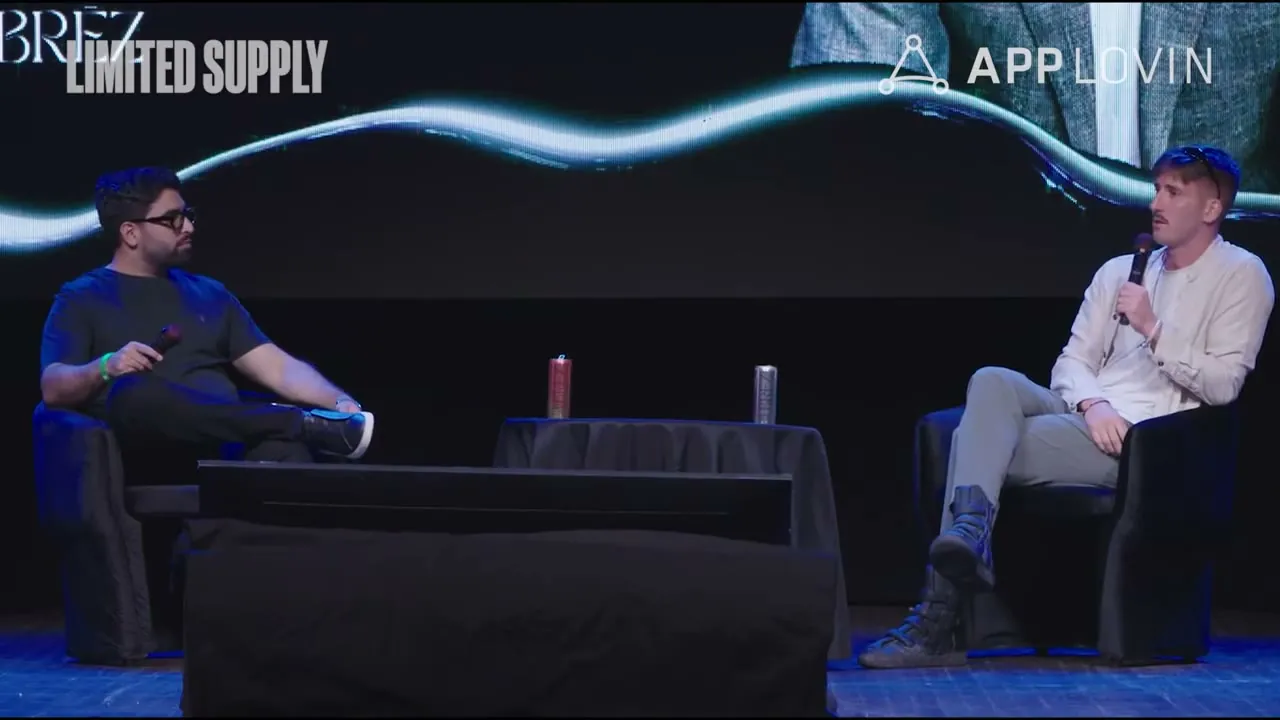
We kind of fell off with TikTok, but now we're reinvigorating it. This is the thing, these channels change so much, so quickly. TikTok is actually a pretty unprofitable channel for most people, but it's such a good demand engine that it leads to overflow for DTC sales, Amazon sales, and retail sales.
Proof: BREZ hired affiliates and creators on TikTok, put ad spend behind their videos, and the brand blew up quickly and became one of the biggest beverages early on TikTok. (Aaron Nosbisch, founder and CEO of BREZ, a bootstrapped hemp drink brand)
Do this:
- Hire affiliates on TikTok Shop right out of the gate rather than waiting to build a full internal program.
- Send mass outreach emails to TikTok creators to recruit them as affiliates.
- Hire creators to make videos about the product and put ad spend behind those videos.
- Use multiple attribution tools together to build a collective picture of TikTok's overflow effect on DTC, Amazon and retail instead of relying on one tool.