 Influencer Advisory
End-end paid partnerships General manual
Founder · October 1, 2026 · 82 min read
1. Judge creator deals by paid performance only
Ridge gets almost no organic purchases from creator deals, just good impressions and good CPMs. Nearly all the performance shows up in the paid account.
we get like zero, not zero, but like very little organic purchase performance from these influencer deals. Most of them are getting good good impressions and good CPMs, but like most almost all the performance is coming out of coming out of the paid account,
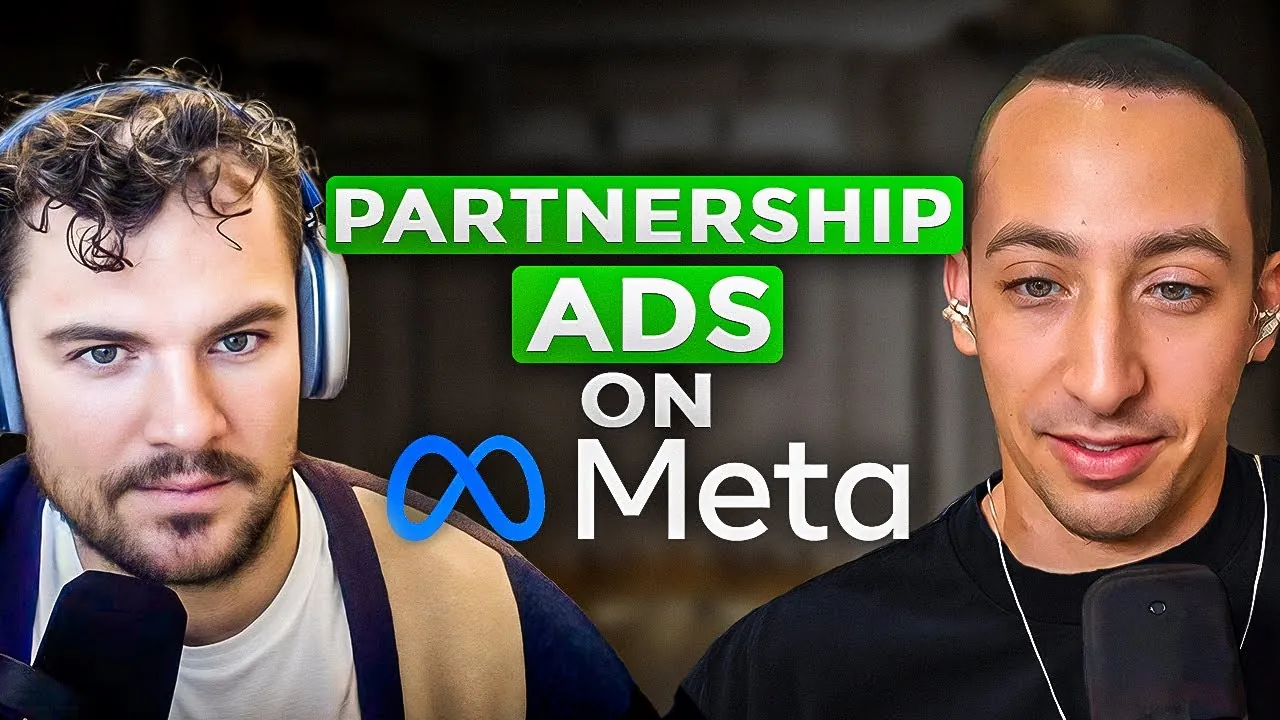
Hear it: How We're Reaching New Audiences on Meta with Partnership Ads
2. Stop waiting for a number that never comes
Jones Road has done very little paid influencer marketing because the performance was not there. They will not use discount codes, so it is hard to measure.
we've done almost very little paid influencer marketing. We've We've dabbled, and partly for that reason like it's just there's not great performance on it. Um we also don't want to do discount codes. Like so we'll do like gift with purchase codes, and like I don't think people redeem them as the same amount. And so again, there's like very little. It's hard to measure.
Hear it: How We're Reaching New Audiences on Meta with Partnership Ads
3. Compare influencer spend to your total budget
$100K a month on influencer looks terrible against its own ROAS. But against multiple millions a month on Meta and TV, he thinks Jones Road should spend $200K.
if I look granularly, I'm like, "Hey, we're spending whatever, 100K a month on influencer content, and like the ROAS is terrible. Like why am I doing this, you know?" Um but if I zoom out and I'm like, "Hey, we're spending, you know, multiple millions per month on meta TV." I'm like, I should be spending 200k a month on influencer.
Hear it: How We're Reaching New Audiences on Meta with Partnership Ads
4. Commit 1% to 3% of spend to influencer
One host was talked into committing 1% to 3% of total media spend to influencer, rather than pouring it all into paid posts on Facebook.
you should just commit to 1% 2% 3% of spend going to influencer versus just over indexing on a bunch of like, you know, whatever paid paid posts on Facebook or whatever.
Hear it: How We're Reaching New Audiences on Meta with Partnership Ads
Getting the content cheaply
5. Expect most gifted content to be unusable
Gifting costs basically nothing, but most gifted content is weak: slow, no hook. One host puts the hit rate near one in a million, the next says only slightly better.
“But the the thing is with gifting it costs us basically nothing. I know that's that's the same with gifting. I see everybody talk about it and like I want to ramp up our gifting more but like most of the content is like it's just like not great paid social creative. It's like slow or no great hook and it's like oh, I was gifted this from Jones Road. And like maybe a really good editor but I don't I I find it's like one in a million. Yeah, we're maybe shooting slightly above that in terms of success rate.”
Hear it: How We're Reaching New Audiences on Meta with Partnership Ads
6. Measure gifting on CPM alone
The only measurable thing gifting gives you is CPM. There are no attributed sales and no codes to track.
The CPM's fantastic, but that's all you have. Like you You really have no idea. Like you know, you're not attributing any sales, nobody's getting codes,
Hear it: How We're Reaching New Audiences on Meta with Partnership Ads
7. Pay small creators a flat per-video fee
Ridge pays 50 to 100 non-gifted creators $100 or $200 a video, mostly for the content, and takes page access to run partnership ads off it.
we've got maybe 50 to 100 creators that aren't gifted. We pay them per video but we're talking about paying them like 100 or 200 bucks. Really small amounts of money largely for content. And then we'll get access to their pages to run partnership ads.
Hear it: How We're Reaching New Audiences on Meta with Partnership Ads
8. Find fans first, then buy the rights
Ridge looks for people who are already fans, then buys the rights after they post. It is cheaper, and a few hundred dollars can cover even a larger creator.
I think it's important to have people that are actually like fans of the brand. Like we'll say, "Hey, this person seems great. Like let's let's reach out to her for rights." Occasionally we'll reach out and the good thing is it is cheaper when they've posted and it is good piece of content. Like you're just asking for rights. And so it is you can offer a few hundred bucks for that even if they're like larger.
Hear it: How We're Reaching New Audiences on Meta with Partnership Ads
9. Follow up on the organic content you liked
When a gifted creator's organic content is good, HexClad goes back and asks for a paid version of it. The follow-up is what actually gets the asset.
if we're going to use it for paid, it's usually cuz we're following what we liked the organic content, but that was not a paid asset, and then we'll follow up and say, "Hey, like we like what you made. Can you make something like this?"
Hear it: How We're Reaching New Audiences on Meta with Partnership Ads
Getting the right to run it
Who says so: our own read of the Meta Ad Library on 2026-08-09, 8 drinks brands with enough live ads to score.
10. Negotiate partnership rights in at no cost
Jones Road now negotiates partnership content into deals at no additional cost. If the ads work, he can move that spend somewhere else.
the way that we're negotiating a lot of these deals is like, we're getting partnership content at no additional cost. So, if the ads work, then it's like I can take some of that cost and just, you know, reallocate it.
Hear it: How We're Reaching New Audiences on Meta with Partnership Ads
11. Look for a handful of winners
Content plus the right to promote it pays off big, if it works. You only need a handful of winners running at scale for the return to be worth it.
the thing with with getting great content and then the right to promote it is that is if it works, it's the most scalable. Where it's like you really only need a handful of those to work at scale via paid for it to be a massive um positive ROI.
Hear it: How We're Reaching New Audiences on Meta with Partnership Ads
Running it as ads
12. Skip testing partnership ads against whitelisting
Whitelisting against partnership ads is an unnecessary test: the ads look exactly the same. Meta and the industry are already pushing one way, so just follow it.
it is a uh unnecessary difference to test between. The ads look exactly the same. The industry and Meta are pushing in one direction. It's it's best to just swim with the current on that one.
Hear it: How We're Reaching New Audiences on Meta with Partnership Ads
13. Run partnership ads from the creator's handle
Partnership ads now run from the creator's handle alone. That is functionally what whitelisting always was.
especially with them now allowing you to run partnership ads just from the creator's handle, like, that essentially is white listing.
Hear it: How We're Reaching New Audiences on Meta with Partnership Ads
14. Leave the brand handle off the ad
Ridge sees no value in the brand handle. It makes the ad look like an ad, and looking less like an ad is where the value is.
I don't think there's any value in having the brand handle attached to it, frankly. I think it looks more like an ad and I think a lot of the value of partnership ads is they look less like ads.
Hear it: How We're Reaching New Audiences on Meta with Partnership Ads
15. Promote posts from creators you already sponsor
About 10% of Ridge's partnership deals are creators it already sponsors, where it just promotes their existing post. MKBHD and Steven Shapiro are among them.
It's probably a small percentage of all of our partnership deals. Like I'd probably put it around 10% or something is like we'll get partnership ads, we'll promote their post. And like I mean that's largely what we obviously do with MKBHD. Uh we've done it with people like Steven Shapiro.
Hear it: How We're Reaching New Audiences on Meta with Partnership Ads
Proving it reached someone new
16. Check the signals of a new audience
A similar CPM, but a gender split skewed away from account average, different placements, and a much higher net new visitor rate: together they show a new audience opened up.
“we're just like looking at account wide and saying like generally like what is our our age split, our gender split, our demo split, what are our CPMs. And then you go and look just at the impressions on these ads and it's like not that different CPM, but the audience is like way skewed towards one gender compared to account average. The placements are totally different. The engagement looks different. Like, the outbound click-through rate is different. The net new visitor rate is super high.”
Hear it: How We're Reaching New Audiences on Meta with Partnership Ads
17. Test partnership ads for incrementality
Ridge ran the test and measured a higher incrementality factor from partnership ads than from its baseline.
we saw a much higher incrementality factor from partnership ads. And that's how I was going to answer that question. I don't remember off the bat if there were higher percent new visits or if we looked at like rolling reach on those ads particularly, but what we did find was that they were they had a higher incrementality factor.
Hear it: How We're Reaching New Audiences on Meta with Partnership Ads
18. Credit the handle, not the creative
HexClad's winning creator ad was a classic native iPhone product review, nothing unusual. What made it work was whose handle it came from.
“It's very native to the creator and like the con- and the type of product review content they do, but I wouldn't say it's that differentiated from our other review content aside from the fact that the person doing it is really well known for doing it. It's But it's just like your classic native iPhone shot product like product review, here's what I like about it, yada yada yada. Um I wouldn't say the actual content itself is that that unique other than that. Oh, okay. Yeah, yeah. All right, so what you're taking away is largely just it coming from a different handle, different creator, and that leading to success.”
Hear it: How We're Reaching New Audiences on Meta with Partnership Ads
Scaling what works
Who says so: our own sponsorship records, 643,081 placements across 48,150 YouTube channels.
19. Scale the mom angle partnership ads found
Jones Road started testing partnership ads harder in April and May, and the angle it found was mom content. They are now scaling it.
I would say the mom stuff, definitely that has been an angle that we've unlocked and and now we'll go into scale it.
Hear it: How We're Reaching New Audiences on Meta with Partnership Ads
20. Do not expect a 100% success rate
Putting the sweepstakes cars in creator videos looked like an easy win, and it did beat Ridge's other buys. But nowhere near the 100% success rate he had assumed.
“if we can get the cars in the videos of influencers, at first I was like, this is the easiest win we're ever going to get. Every every influencer post is going to work if they have the cars. We spent the following sweepstakes, 2020 four, last year, getting it in a ton of creators' videos, spent a lot of time and energy doing that. Uh saw like it it definitely um overperformed um our our other buys that don't have the creators in the videos. Um but it wasn't as It wasn't as I thought we'd see Literally, I thought we'd see like 100% success rate. Not quite the case.”
Hear it: How We're Reaching New Audiences on Meta with Partnership Ads
21. Cut the middle tier of creators
This year Ridge cut the middle: deep integrations with large creators, or really good content from small ones. Last year's middle gave them uninspired content not worth the shipping logistics.
this year, we tried to nail that balance between um let's get it Let's get deep integrations in large creators, or let's get really great content from small creators, kind of cut out the middle. We had a lot of like uninspired content last year that had the that had the cars in them, and it's like, let's just not deal with the logistics of that.
Hear it: How We're Reaching New Audiences on Meta with Partnership Ads
22. Pull ambassador content earlier for launches
HexClad is pulling its brand ambassadors' content earlier this year, so launch cuts are not all Gordon Ramsay. It is the five to 10 other creators they work with regularly.
we're just going to have some fun exciting new ad content. We're we're leaning We're trying to get more of our brand ambassadors' content earlier this year so we can do a bunch of cuts not just from Gordon, but also, you know, the the other, you know, five to 10 folks that we work with regularly to announce this thing and and explain it.
Hear it: How We're Reaching New Audiences on Meta with Partnership Ads
- Pick creators by the town: First National Bank of Omaha hired local influencers across its footprint for a debit card campaign, picking them for engagement over follower count. American Banker, November 2020
- Film where people walk in: Fallow, a London restaurant, posted a croissant photo filmed in house that got 1.6 million views, filled Saturday brunch for four months, now serving 1,000 guests a Saturday. Entrepreneur, July 2026
About a third of HexClad's ad account is creator-led, spanning from Gordon Ramsay down to a 5,000 follower creator like Jane Smith who converts.
“ I would say we probably have like this is this is totally off the top of my head, so I'll have to QA these numbers, but I would guess that like a third of our ad account is probably creator led stuff, whether it's, you know, anywhere from Gordon Ramsay to, you know, kind of Jane Smith who has, you know, 5,000 followers, but makes great ads that convert. Um so, that's probably a third of it, 25% depending on the time of the year. ”
Creators who perform get put on a 3 to 6 month roster with the upcoming launches.
“ So, it's like there's really like almost very little cost of that content if we're breaking even at the very you know, at at least on the influencer side. And so, that's allowed us to scale it up pretty quickly and you know, take some bigger swings. Um and so, that's our like influencer pipeline. We have, you know, again we can go into what we'll do is we have some people who we work with internally as well. Like somebody crushes, we'll put them on a roster, you know, and be like hey, we'd love to work with you for 3 months, 6 months, give them upcoming launches. Um So, you know, that is that is kind of our main influencer one. Then we have, you know, creators. And I think this is where we could get better. ”
Five to 10 smaller creators are now reactivated repeatedly because they performed well.
“ So, like when we go to her, she knows who we want to activate with. And then it's the same thing as you just said, like once we find someone who works, like we'll we'll reactivate with them again and again and again and again. So, like now in our ad account, there's like you know, five to 10 smaller creators that we are activating with over and over again because they performed well. And like that's that's that flywheel for us. Like we bring them in through this freelancer we're working with, we test their ads, and then if it works, like you said, we'll go and say, "Hey, we have we'll just activate them again both on evergreen stuff, new product stuff. ”
cookware winner gets reactivated for knives, an evergreen winner for the summer sale.
““ So, like now in our ad account, there's like you know, five to 10 smaller creators that we are activating with over and over again because they performed well. And like that's that's that flywheel for us. Like we bring them in through this freelancer we're working with, we test their ads, and then if it works, like you said, we'll go and say, "Hey, we have we'll just activate them again both on evergreen stuff, new product stuff. Um Like hey, if you made a cookware ad that works, we're probably going to activate you for knives. If you made a evergreen ad that works, we probably want to activate you for our summer sale, like whatever it is. And that's that's like the the creator flywheel. Um ””
get creators who are proven to work
The Sahil Bloom deal was picked because he matches their executive persona, already owns HexClad, and it shows up organically in his YouTube content.
“ Really? Okay. So, so based on that, like I've also I've always thought we should go and like activate some ads with the like the tech entrepreneur who's like I like I I perform high in every aspect of my life and cooking's no diff cooking's no different. So, what we're doing is we're actually doing an ad deal with Sahil Bloom. Um and that deal is like we I think he hits that persona perfectly and like he already owns Hexclad. I see it show up a little bit organically in his YouTube content. He is a content creator, right? ”
What gave them confidence was that other brands had told them she worked.
“ And so, what we'll do is whatever those drive organically, we'll subtract that from the cost of the content. So, you know, we had one large creator, she's 30k. Her Her, you know, we had to do a 3-month deal with her. Like we we would not do a 3-month deal unless we had to. The thing that gave us confidence, it was like the biggest deal for us at the time, is she was just a known creator who crushed, you know, like have talked to other brands who she's, you know, worked really really well for. I 've seen, you know, a lot was just really good fit. So, she was first that and like crushed. Like she sold out of actually one of our holiday kits. ”
HexClad's real edge is making great ads with people who have authority but are not creators.
“ It's like, what is going on? Um and they're not that organized, obviously. I think where we've created some alpha um is actually being able to create really compelling ads with people that have a lot of um like respect and authority in the space, but they're not creators. So, because we have such a built-out production team and system and and resource now, like we can we can bring these creators into our studio, make really, really great ads with them because while they're not creators, all often they're they're they're still very good in front of the camera, and I think there's so much alpha in that for a brand. ”
Filming content
Non-creators are usable because the brand has a built out production team and they are still good on camera.
““ It's like, what is going on? Um and they're not that organized, obviously. I think where we've created some alpha um is actually being able to create really compelling ads with people that have a lot of um like respect and authority in the space, but they're not creators. So, because we have such a built-out production team and system and and resource now, like we can we can bring these creators into our studio, make really, really great ads with them because while they're not creators, all often they're they're they're still very good in front of the camera, and I think there's so much alpha in that for a brand. ””
Respected chefs fall into the same bucket and scale once brought into the studio.
“ Like he's a hockey player, he's not a creator. Like if we go and brief him and say, "Hey, make this ad on your iPhone at home," like he's not g oing to know what to do, but like we went out to Canada, shot with him, produced a really beautiful, well-done ad, and I have a lot of confidence that it's going to scale both US and and in Canada. And like we have a bunch of chefs that also fall into that bucket where, you know, they're not creators, but they are um really like highly respected chefs, and like we've been able to bring them into our studio, shoot with them, and just get a ton of scale. I think that's such an important flywheel. ”
The open casting shoot brought in around 30 people per shade plus contracted creators for behind the scenes footage and usage rights.
“Def- definitely, dude. So we just did um we have like a this product that has 30 shades and so we we did like our normal just like video photo shoot and then we were like, ah, we're we're going to need to do something bigger. So we did an open casting. We like, you know, did this campaign where we invited people. So we brought in, you know, probably 30 people for every shade and like some creators and we actually did scope some creators and you know, contracted some creators um to get even like, you know, behind the scenes content of it, get user rights, but mostly just like customers, people who wanted to co
TikTok Shop rights are the cheapest per video content available, so acceptance rate is the variable to solve.
““ We haven't had anybody accept the percentage yet, but I really hope that people will cuz then it's like, all right, I'm just going to request on every single piece. Like there's just no harm on like every single piece. It's very much a volume play. These are Yeah, E- E- U- K- A. Um these are, you know, hundreds of dollars per video. Like this is probably your cheapest per video piece of content um that you request. We are figuring out the right amount to request because to to get like the acceptance rate, you know, whatever. So, not a lot of people are accepting right now, but we're trying to just go a volume play and because we've gotten some winners, you know, and it's very it's it's very cheap. It's like just a volume play. ””
How deals make sense to do now
HexClad used to sign 12 month deals loaded with organic, paid, whitelisting, events and studio days.
“ I want to ask you I want I want to like move up up the the ladder here and talk about like creator led stuff that's a little bit more um higher ticket cuz I'm cur- I want to ask how you are structuring that cuz we've totally totally changed up how we're structuring those deals where historically we might have signed like a 12-year or a 12-month deal that has you know, organic deliverables, paid deliverables, all the white listing stuff, event appearances, you have to come into our studio um X days per week and now we've we've really shifted and pivoted towards saying hey, let's just do the bare minimum that we know is going to drive performance here over a much shorter period of time and and like test that out with like a 3 to 6-month usage and then if it works like go into go into a bigger deals. ”
Now the deal is the bare minimum that moves performance, over a 3 to 6 month usage window.
“ I want to ask you I want I want to like move up up the the ladder here and talk about like creator led stuff that's a little bit more um higher ticket cuz I'm cur- I want to ask how you are structuring that cuz we've totally totally changed up how we're structuring those deals where historically we might have signed like a 12-year or a 12-month deal that has you know, organic deliverables, paid deliverables, all the white listing stuff, event appearances, you have to come into our studio um X days per week and now we've we've really shifted and pivoted towards saying hey, let's just do the bare minimum that we know is going to drive performance here over a much shorter period of time and and like test that out with like a 3 to 6-month usage and then if it works like go into go into a bigger deals. ”
The deal is a 3 month deal, part flat fee and part percent of spend with a cap.
“ Like he's going to make it super native, super authentic. He's a YouTuber, which is a channel we're trying to show up on more, so he'll create it for YouTube. And then we'll do cutdowns for paid social. And like that's a deal where um we're not signing like a 12-month deal with him. We're signing a a 3-month deal with him that's part flat fee, part percent of spend with a cap. And then we will decide if we want to like expand that deal moving forward. So, like that's that's been the approach with how like that's been a big shift in how we sign these like larger influencer deals. And it just I think that's the way to do it cuz it's like the perfect balance. ”
That structure gives the creator upside while hedging the brand if it does not work.
“ So, like that's that's been the approach with how like that's been a big shift in how we sign these like larger influencer deals. And it just I think that's the way to do it cuz it's like the perfect balance. Like you're giving the the creator some upside here, um but you're also hedging in case it doesn't work that well, and you don't, you know, for for us like we want to spend, you know, at least not we probably don't need to spend half a million on it, but we probably want to spend like three $250,000 on his ads to feel like we're getting a really nice ROI, which I think's possible over the course of 3 months. Um and then we can go and expand it if if it does work. ”
Stripping event and shoot day deliverables gets deals signed far faster, because managers nitpick them.
“ Um and then we can go and expand it if if it does work. So like that's that's like the other like moving upstream to like the higher ticket influencer creator flywheel, like that's been a a big shift in how we do those things. And those deals get signed so much quicker when you don't have event deliverables and shoot day deliverables and organic post deliverables. Like those deals just get dragged on and on and on cuz those influencer managers, but like a lot of times they're like nitpicking over all these different things. Like no, no, no, like let's just boil it down to what actually drives an ROI, which for us is paid ads with creators and influencers. ”
What kind of deals work and don't
The Jones Road influencer programme at least breaks even on its own, making the ad content effectively free.
“So, I'm like I'm like I'm like trying to be so humble about maybe that's a word of now like cuz I'll look at stuff I'm like I don't I don't know if that's like there's no hook, but I'm like and then we launch something and it's like great, you know, it's crushes. So, that's like our influencer not to digress too much. That's like our influencer pipeline. The thing that works so well about that is you know, that program stand like the influencer program stands itself up pretty well. We like at least break even on that. And we don't pay extra for most of that content. Uh Super Luminous is really good at doing the deals. And so, like it's it's a really great flywheel.”
Because it breaks even they can scale it and take bigger swings.
“Uh Super Luminous is really good at doing the deals. And so, like it's it's a really great flywheel. I think I think a flywheel is something where it's like it compounds, you know, and like one thing feeds the other. So, it's like there's really like almost very little cost of that content if we're breaking even at the very you know, at at least on the influencer side. And so, that's allowed us to scale it up pretty quickly and you know, take some bigger swings. Um and so, that's our like influencer pipeline. We have, you know, again we can go into what we'll do is we have some people who we work with internally as well.”
Jones Road underwrites influencer deals for paid usage and does not expect to break even on the influencer side.
“Like the only time we do events is like, you know, we just did the this thing with Emily. Like that was like in the deal and in the contract. Like normally it's really just more of a standard like influencer thing. Again, Superbloom handles most of our, especially the bigger ones. For those deals, we are primarily looking for paid usage. If we like when we underwrite the deals, we look at it that way. We don't expect to be profitable or break even on the influencer side. It's just not possible with the rates that you get and whatever. The value is at. So, the way that we look at it, we have a certain content efficiency, you know, we look for.”
It is very hard to be profitable on a single activation with a large creator.
“ And so now we're, you know, every we have a new hero launch coming out. Like we're, you know, trying to take a big swing and continuing to kind of move up, but it's it's it's primarily that. It's it's usually some type of a Instagram story, one or two, you know, occasionally a reel, but yeah, like and I've talked to, you know, other brands about it. It's like it's very very hard with these large creators to, you know, be profitable on just uh just one time. And so I think you if you're approaching it for ads, you have to do what we're doing. If you're approaching it on like a more organic side, you have to structure the deal in a way where you're able to leverage a lot out of it. ”
That avoids a multi six-figure commitment before any evidence.
“Let's see how it does." And it just didn't land and it performed and I was like, I I'm so like we just can't kind of justify that. Like so like again, even our big Emily deal, like we started with just a paid social deal. You know, and it it performed well, like there was clearly something there. Like I do think if there is a way and it doesn't always work if those people aren't a creator, but I do think that helps to de-risk it a little bit. You know, it's still an investment, but it's not you don't have to go with a um giant multi six-figure investment uh right out the gate. Otherwise, it's it's a bet and it's a test.”
They get huge ROIs on big chef deals that cost up to 300,000 dollars a year and carry a million or more of paid spend.
“Now we're getting more out of less shoot days and like it's just optimized over time and it's just I've been blown away by how much spend we can get behind all those different assets on all those different channels. Like it's just we're getting huge ROIs on some of these some of these deals that like candidly like cost sometimes two 300,000 dollars per year. I mean these are like a big chefs with like big followings and huge clout in their space.
Creators anchor to the total number because as solo operators they do not think in gross margin per video.
“Dude, totally. Cuz they they want the number, right? They're not really cuz they're a solo operator, they're not thinking in terms of gross margin and like price for a video. Like, they're just going to anchor it to the number. And so, yeah, what we do is, you know, we'll obviously like, offer a little bit less, whatever. We'll you know, let's I'm just making it up. Let's say like, they want 10K. I'll be like, "Oh, five 4K was our budget, uh but we could do six if you could also throw this in." And so, your cost per video like, yes, your total cost is more, but your cost per video is actually significantly better.”
Creator-led organic social is where Jones Road is finding a lot of success, including the Emily DiDonato launch.
“ And so, I just I actually really love that like switching this to organic social. Again, I don't know if you guys are doing anything. We are finding a ton of success with organic social, especially if it's like a creator-led organic social. Like, you know, we just launched this Emily DiDonato thing and like 2 days before launch, I like sent it to my team and I and like I don't know I wouldn't say they're performing amazing, but they're performing like above average compared to everything else. I was like, "Here's all the organic stuff that I saw our team working on and that she sent over." Like just launch it all, you know? ”
They intend to put around $250,000 of media behind his ads over 3 months for a nice ROI.
“ So, like that's that's been the approach with how like that's been a big shift in how we sign these like larger influencer deals. And it just I think that's the way to do it cuz it's like the perfect balance. Like you're giving the the creator some upside here, um but you're also hedging in case it doesn't work that well, and you don't, you know, for for us like we want to spend, you know, at least not we probably don't need to spend half a million on it, but we probably want to spend like three $250,000 on his ads to feel like we're getting a really nice ROI, which I think's possible over the course of 3 months. Um and then we can go and expand it if if it does work. ”
The counter-argument is to boil the deal down to what actually returns an ROI, which is paid ads with creators and influencers.
“ And those deals get signed so much quicker when you don't have event deliverables and shoot day deliverables and organic post deliverables. Like those deals just get dragged on and on and on cuz those influencer managers, but like a lot of times they're like nitpicking over all these different things. Like no, no, no, like let's just boil it down to what actually drives an ROI, which for us is paid ads with creators and influencers. And then we can add in those things later on if if we want to. Um and that's been like a really amazing shift for us as a brand, and we've been able to sign these like larger creator deals quicker because of just the boiled down deliverables. ”
Their rule is to spend 10 times the content cost on media behind it, so 10k of content needs 100k behind it.
““ We don't expect to be profitable or break even on the influencer side. It's just not possible with the rates that you get and whatever. The value is at. So, the way that we look at it, we have a certain content efficiency, you know, we look for. Um you know, we talked about it, but we we attempt to spend 10 times the amount that we spend on on the content on the media. So, if we spend 10k, we need to spend 100k behind it. It's at least the goal. What we do is most of this content is a Instagram story first. And it's just it's how the deals work. It's usually like the most cost-effective way to do it. And so, what we'll do is whatever those drive organically, we'll subtract that from the cost of the content. ””
Because her Instagram story broke even, all the paid media behind her was upside, and they spent a few hundred thousand on it.
“Like she sold out of actually one of our holiday kits. Like perfect timing that we wouldn't have sold out of. But, um it was, you know, again, a 3-month deal. That was like the That was like a bet in the biggest investment, you know. But, so her first Instagram story essentially broke even. Drove drove, you know, broke even, which we were not expecting. So, then like her paid media was just like icing on the cake kind of. And we were able to spend a few hundred thousand on it. But, it was great. Her next one, I don't want to say flop, but let's call it like, you know, made a third of the revenue back. So, we just subtract that number from the content cost.”
Creator ads dominate flywheels for social proof and because the creator makes the content for you.
“Um you know what what I what I think is is interesting to think about as well like and we've been talking about creator ads and influencer ads that are creators, which is like that there's a reason that is such a big part of most brands' flywheels because A, there's a lot of social proof baked into those types of ads when you have this well-known creator like endorsing your product and your brand. But B, they're creators. So, like they can make content for you and it's not a a big lift on you know, all you have to do is brief them, source that source them, brief them, and then the ball's in their court, which you know, depending on who the creator is, that can be a good or a bad thing.”
He thinks these produced non-creator ads have more scaling upside than creator-led ones.
“Like if we go and brief him and say, "Hey, make this ad on your iPhone at home," like he's not going to know what to do, but like we went out to Canada, shot with him, produced a really beautiful, well-done ad, and I have a lot of confidence that it's going to scale both US and and in Canada. And like we have a bunch of chefs that also fall into that bucket where, you know, they're not creators, but they are um really like highly respected chefs, and like we've been able to bring them into our studio, shoot with them, and just get a ton of scale. I think that's such an important flywheel. Like the ability to to do production at scale, like I think that can take a brand from 50 million to 100 or 100 to 300 because the ability to just shoot ads that your competitors can't. That really just separates you and I think those ads have a ton of upside on scaling versus like the creator led stuff.”
Cody de-risks larger partnerships, like the Emily deal, by starting with a paid social only deal first.
“In an ideal world, like I think what we're trying to do is like we've had a few people we actually wanted to do larger partnerships with and you know, numbers came back and it's like, "Hey, let's let's let's start first paid social. Let's see how it does." And it just didn't land and it performed and I was like, I I'm so like we just can't kind of justify that. Like so like again, even our big Emily deal, like we started with just a paid social deal. You know, and it it performed well, like there was clearly something there. Like I do think if there is a way and it doesn't always work if those people aren't a creator, but I do think that helps to de-risk it a little bit. You know, it's still an investment, but it's not you don't have to go with a um giant multi six-figure investment uh right out the gate.
Continuing with same creator
Her second story only returned a third of the content cost.
““ Drove drove, you know, broke even, which we were not expecting. So, then like her paid media was just like icing on the cake kind of. And we were able to spend a few hundred thousand on it. But, it was great. Her next one, I don't want to say flop, but let's call it like, you know, made a third of the revenue back. So, we just subtract that number from the content cost. And so, if it was, I'm just making up numbers, was 10k for content, she drove 2k, well, now it's a 8 8k. So, now we need to spend 80k on it in 30 days. That's primarily how we look at it and then every creator influencer handles, you know, renewals differently, but we usually go 30 days rights. ””
why you need to do whitelisting
A second big creator deal returned 17 percent content efficiency, which he calls good not excellent.
““ Um but that's primarily it and you know, we've done I would say two like larger deals. The the second one that we did uh you and I have talked about has just wrapped up. Same creator you guys have have have worked with and you guys did a pretty large deal with. I would say good performance, not excellent. We probably like a 17% content efficiency. That's just looking at meta. Like so much of this is the contracts that are that you're able to get and we had it on TikTok, we had it on YouTube. Like if the more I think the biggest thing this entire episode that we're not talking about enough is like the leverage and the efficiency. ””
He does not see competitors doing much of this.
“ So, because we have such a built-out production team and system and and resource now, like we can we can bring these creators into our studio, make really, really great ads with them because while they're not creators, all often they're they're they're still very good in front of the camera, and I think there's so much alpha in that for a brand. So, I think your ability then to go and say, "Hey, this person's not a creator, but like they are an influencer in our space, and if we can make a really good ad with them, I think it can per- perform well, and I think that's been one of the areas that we've been able to really excel at in the last year, 2 years is just like creating really good ads with these non-creator influencers, and we've put tons of money behind them, and like I just don't see our competitors doing as much of that. ”
That figure excludes their events, organic social and HexClad appearing in their restaurants.
“ But like when you can go and spend a million or more on that on just on the paid stuff. Like it's like that's easy. Like that's not even including all the events they're doing and the organic social stuff they're doing and having HexClad in their restaurants. Like it it's just it's so easy for us to go and rationalize these deals and now we have a playbook for it that we you know I feel confident like I can when I like see someone, it's like hey this person came across so-and-so's desk. Like it takes me like five to 10 minutes to be like yeah, I think we can replicate the playbook with this person and it just gives me a lot of confidence now in spending some of these larger chunks of money up front um because we have that playbook dialed. ”
Before they had a shoot day playbook they would reach the end of a shoot day and be two months short.
““ Well and we've been able to go from saying hey you owe us a shoot day per quarter to hey we only want like two shoot days per year and that really brings down the cost of the deal but it's just because we know the playbook now when we go into these shoot days like we're shooting sometimes like super high-fi like TV stuff we're always shooting paid social we're always shooting organic social and then we're there's always and then we have all the formats and then we have all the different scripts that we want them to hit on and all the scripts have have like hook variations like we just have that playbook down whereas we didn't have that playbook down so we did like we would get to the end of the shoot day sometime like oh well we have one other one two months it's no worries but now we have the playbook down now the deals don't cost as much. ””
Her advice is to get weird with campaigns and keep iterating rather than repeating a discount forever.
““ We la we started our program with landing pages and we're like no if people want makeup they just want to go to the exact product that that influencer was talking about and purchase the shade that they want and call it a day. Um and so you have you obviously that was through testing and learning and and pivoting very quickly. Um but enabling the influencer with a code and link having you know software that can give you a really strong attribution and a good understanding of what that the customer journey is. Um, but something that we've also been really successful at, and Bobby is a Bobby Infant Formula is a really good example of this is get weird with your campaigns. Um, think outside the box and constantly be iterating. Obviously, if it ain't broke, don't fix it. Like that was that was what at seed. ””
Jones Road's TV ads had a high view rate but poor conversion, so they were cut down to be the hook on a UGC direct response mashup.
“ And then like what we did we tested our TV ads. They were like short form, you know, 15 30 seconds not super DR. Found that they had a very high, you know, the the equivalent of thumb separate which is like a view rate. Pretty high view rate um but obviously not great conversion rate. So we tested those as like the hook but then getting like UGC mashups DR at the end after it and those have actually scaled and done pretty well. Uh and then we also run shorts as well. We we do run shorts. We pretty much just take our TikTok creative and the guy on our team who runs TikTok runs our shorts. Yeah, that makes total sense. ”
HexClad rates the new YouTube affiliate checkout experience above an Awin outlink.
“ Like they rolled out YouTube shopping a while ago, so you can directly integrate with Shopify. So, like we've got Marques will tag Ridge products in his shorts, so they're like shoppable directly from there. It hasn't been like high volume, but just yeah, from a from like a a social commerce perspective, it's it's super super interesting. Yeah, I can We've done a a little bit of of that through the the new YouTube affiliate program and like the the UI of it looks really really cool. It's it's way sharper than like out-linking to, you know, with like an Awin link to your website. It's like it's super sweet. Pretty It's pretty slick UI and then I think it's going to be if it continues to trend in that direction, I can't imagine that's not going to become a really big player for a lot of brands, especially if like TikTok shopping and like meta shops continue to take off and and and YouTube follows that trend. ”
HexClad's CAC improved but its acquisition MER got worse, because they added lower order value funnels.
“ How How about you guys? HexClad? Yeah, we're having a solid June. You know, for us like summer {slash} early fall are really the dog days. So, considering that, we we're looking pretty good in June. Our CAC's better year-over-year. Acquisition MER is actually down even though CAC's better. That's simply because we we're running some lower order value, lower CAC funnels now in acquisition. So, yeah, year-over-year growth has been pretty solid. Um not the best we've seen this year, but not the worst either. Kind of right in the middle in terms of just month-over-month comps. Um Father's Day sale, we ran that one of those this year. ”
HexClad deliberately runs at bad efficiency from July to October to fill the funnel for November and December.
“ But, that's the general theme of this year. We've been able to grow our our top line revenue in in but we've seen some year-over-year efficiency loss. Nothing crazy though. I mean, I'm still happy with the profitability that we're at, but yeah, I think uh July through October though, like many e-commerce brands is kind of the dog days where we're kind of riding those those low efficiencies, keeping spend up in order to maximize our funnel, and kind of seeing how how low we can ride those things until we hit November and December. So, um headed into that season right now, which will be interesting. Love it. Yeah. ”
Over the last 60 days, Ridge spent 5% of media budget on YouTube, and describes the channel as hit or miss.
““ Like is it same as paid social? Is it is it a, you know, Google altogether? Uh what creative do you use? And and a few other questions, but let's start there with Ridge. Yeah, totally. So, last 60 days we've spent 5% of our budget on YouTube. And YouTube's been like hit or miss for us. We crushed YouTube like uh the the Google Ads platform programmatic YouTube buying like many years ago where I felt it was much easier and then we've struggled since, but we have seen an quite a bit of success this year in particular. So, 5% and that's a little conservative. If you look if you look like during our Father's Day campaign, we're up at like 6 7 8%. ””
HexClad has kept YouTube at 1 to 1.5% of budget because it could not validate the channel.
“ Connor, how about you guys at HexClad? What what Yeah, I'm curious about that that note that short cuz we haven't done a lot of that. It's all been like mid-roll pre-roll type ads, but we're we're the same. Actually, Ridge, you guys spend more as a percentage than we do. We We do not spend a ton on YouTube simply because we we haven't felt like we've been totally able to validate it. It's been like 1.1 and a half percent of our total budget this year. Oh, wow. I would have thought more, to be honest. Well, I think and we'll get to this at the end of the episode, but I think it's going to go way up very quickly, very soon. ”
HexClad's winning YouTube ads look nothing like its Facebook ads, they are studio-shot and high production value.
“ Like we have a good sense of the creative that works and I think that we're going to be kind of off to the races cuz we have a really good setup now for producing the type of content that we've been running there. But for us, it's it's actually very different than what we put in our Facebook accounts. Like all of our all of our YouTube ads that work really well are all like very premium feeling high in the sense that they're high production value. They were clearly shot in a studio on a beautiful camera, on a set. So, for us it's like we have this kind of hero Gordon video we run there that where he's explaining what hybrid means.
Fatigue exists on YouTube, but you don't need 50 creatives a week the way paid social demands.
“ I think there's probably a lot more that I could be doing if I had more time. But, the cool thing about YouTube is like it's pretty set it and forget it. Like I like creatives will last like bunch of months on there. It's like the opposite of TikTok, you know? Yeah, they'll they'll fatigue and you need some newness, but like you don't need 50 creatives a week, you know? And and and so we'll chat about creative, but it's pretty easy, I think. So, yeah. So, I'm currently managing it, but you know, in the future I could totally see a world where you've got like a Google specialist. Like right now, we use an agency for for search, but I could totally see a world where you have a you know, one one Google person because I don't know if you know, search is a full-time job in of itself. ”
Jones Road's YouTube winners are long studio pieces with founder Bobby on Meta, 60, 90 seconds or two minutes, that break direct response best practice.
“ Like right now, we use an agency for for search, but I could totally see a world where you have a you know, one one Google person because I don't know if you know, search is a full-time job in of itself. So, I could totally see a world where where somebody's doing that or or doing YouTube plus maybe another channel. And for creative, so you know, for us, the creative that works on Meta, we now have a more diversified creative mix on Meta with different kinds of things, but for the longest time it was these longer form studio ads with Bobby. And I mean like 90 seconds, 60 seconds, 2 minutes. And it's not just like a traditional, you know, direct response. ”
Ridge's best performing YouTube ad is founder Daniel telling the Kickstarter origin story from 11 years ago.
““ I've heard the argument that you should really be thinking about them together that you can think about like discovery via shorts or discovery via in-stream and vice versa. So like they're working together but they can be bought and the creative behind it can be different. One thing that you said uh the Bobby ads performing well and for us um our founder ad performs the best. So we've got one with with Daniel talking about having started the company on uh on Kickstarter 11 years ago. And I do think that's there's like a really important thing to acknowledge in how the content that people consume on YouTube is categorically different than what they're flipping through in like a uh a reels or shorts or TikTok. ””
In 2015-2016, marketing involved buying shout-outs on large Instagram pages and meme pages.
“ really good at analysis and you know my whole course was analyzing cash statements perect you can duplicate assets yeah but this is this was before even like media buying was a thing like this was during the whole Instagram Revolution ofical this was 2016 okay 2015 yeah and this was before the like ads were a thing like they were testing it right this was pre algorithm update so so what are you buying like shout outs and stuff like that like like IG like big Pages meme Pages stuff like that you didn't even need to know how to do media buying you just needed to know how to like how to Market and be analytical which you showed the marketing skills with the shoes and T like like small tests bigger test all this St that's why like the influencer marketing ”
In 2015-2016, marketing involved buying shout-outs on large Instagram pages and meme pages.
“ really good at analysis and you know my whole course was analyzing cash statements perect you can duplicate assets yeah but this is this was before even like media buying was a thing like this was during the whole Instagram Revolution ofical this was 2016 okay 2015 yeah and this was before the like ads were a thing like they were testing it right this was pre algorithm update so so what are you buying like shout outs and stuff like that like like IG like big Pages meme Pages stuff like that you didn't even need to know how to do media buying you just needed to know how to like how to Market and be analytical which you showed the marketing skills with the shoes and T like like small tests bigger test all this St that's why like the influencer marketing ”
Influencer marketing was pioneered when having a large following meant everyone saw the post, leading to immediate traffic spikes.
“ how to do media buying you just needed to know how to like how to Market and be analytical which you showed the marketing skills with the shoes and T like like small tests bigger test all this St that's why like the influencer marketing was kind of pioneered back then where if you had 2 million followers and you posted every single person saw it which is why like as soon as you post it you'd see this like spike in traffic whereas now most of our accounts are all dead right it's like there there's nothing there so I was hired to do analytics for all that stuff so all the marketing uh campaigns that they were doing I was like okay hour by hour which accounts were posting what was the spike what was the conversion rate what was the revenue that was coming in what kind of content was posted analyzing what content ”
Organic traffic from influencers and athletes was a significant factor for brands in the past.
“ know like how do I how do I turn $1 into 10 literally and so we were taking advantage of you know the the low cost at the time and we're like okay well can we use this platform for cold traffic instead of retargeting right cuz sh at the time was massive there was still a lot of organic traffic coming in from like the influencers and the athletes and and stuff like that so retargeting was bound to work but how do we actually now leverage oursel away from the algorithm that we were using which was for paid shouts and and this and that and how do we actually get new people in the door so that's where I started to kind of play around and like you know set up these topof the funnel campaigns how do we get new visitors in the door and that's where it became you know a little bit more difficult cuz it's like now you have to convert this user on the first visit or the first ”
Influencers helped organic reach, and paid ads amplified it, which was the way things worked previously.
“ so we just went straight for ads ads and a few influencers influencers would help the organic reach paid ads would amplify it and that's just the way that it worked now because that you there's a higher cost of entry for smaller brands that unless you have like 10K a month to just blow on testing it's not going to work right and so what you have to end up doing is the the organic stuff whether that's Tik Tok whether that's seeding to influencers and hoping that they post and things like that um you know like Instagram reals is is is you know like Facebook re yeah Facebook reels um YouTube shorts yeah just how can you get an organic presence quickly and I think it's seeding to influencers and just posting on these these accounts is aov very important right now I know the answer to that but like what do you think about aov I think I I think people one to there's there's two things that you have to think about here right one if you are a consumable and you have something that has a high rep uh repurchase rate then I think having an okay aov is fine what's okay man I think it has to be about 50 at least minimum like absolute minimum because one I don't see like unless you have like a really cool product where it's you can showcase like these like Drop Shipping type of products trendy like Trend they're all have short life cycle right that's where you can hit that like sub $20 C right at least in my opinion but when you're in supplements like us you're competing about against so many brands that to acquire a $50 aov having a $50 CAC at a 1x return is like decent right you're not making money on the first order but because you have a high rep repurchase rate then you're okay with the LTV of it right um You can wait the six Monon payback Peri whatever it is and that and that's if you have the cash to wait right um whereas certain brands that like for example we have a product that's a weight loss product really low LTV but really high conversion rate so what I end up doing is that if I can profit on the first order I'm good if they end up coming back great if they don't I already made my money right so that's why I'll push aov so how can I get six months of product into their hand so it's like $129 and like my cat can be like 60 bucks right 60 70 bucks and I'm still profitable right so I think there's two things there where if you want to like apparel right sometimes there isn't that high of a repurchase rate especially if you're buying like a really like a cool sweater or whatever it is you have to be profitable on the first order otherwise where are they going to go right literally so that that's that's what I think about it if you have something that you can consume or it's a um like a supplement or whatever it is can you get that customer to come back month two month three then I think having an an okay aov is fine but if it's like a onetime purchase like it's tough unless you have a really solid margins like afford to scale up definitely you know so in short LTV is more important than aob depends on the brand depends on the brand it's it's I I agree like you can't force L yeah you you can't you can't um that's where like a lot of these brands that are supplements like when we first started we had to make sure we were profitable on the first order or break even right and that's where we lean on influencers to get that cheap traffic but again influencers and things like that it's very hard Che it's not cheap anymore and they're not consistent the the the traffic from there is not always going to convert right so like back then which is when we really ripped um like influencers whitelisting and and got cheap you know cost of Acquisitions we built up this this customer base now post iOS update when CS are have increased and it's very difficult to become profitable on the first order it's fine to break even um or even lose a little bit because we have returning customers that can bolster revenue or and poster profit as well 100% yeah ”
Seeding to influencers and posting on platforms like TikTok, Instagram Reels, Facebook Reels, and YouTube Shorts is important for building an organic presence quickly.
“ and so what you have to end up doing is the the organic stuff whether that's Tik Tok whether that's seeding to influencers and hoping that they post and things like that um you know like Instagram reals is is is you know like Facebook re yeah Facebook reels um YouTube shorts yeah just how can you get an organic presence quickly and I think it's seeding to influencers and just posting on these these accounts is aov very important right now I know the answer to that but like what do you think about aov I think I I think people one to there's there's two things that you have to think about here right one if you are a consumable and you have something that has a high rep uh repurchase rate then I think having an okay aov is fine what's okay man I think it has to be about 50 at least minimum like absolute minimum because one I don't see like unless you have like a really cool product where it's you can showcase like these like Drop Shipping type of products trendy like Trend they're all have short life cycle right that's where you can hit that like sub $20 C right at least in my opinion but when you're in supplements like us you're competing about against so many brands that to acquire a $50 aov having a $50 CAC at a 1x return is like decent right you're not making money on the first order but because you have a high rep repurchase rate then you're okay with the LTV of it right um You can wait the six Monon payback Peri whatever it is and that and that's if you have the cash to wait right um whereas certain brands that like for example we have a product that's a weight loss product really low LTV but really high conversion rate so what I end up doing is that if I can profit on the first order I'm good if they end up coming back great if they don't I already made my money right so that's why I'll push aov so how can I get six months of product into their hand so it's like $129 and like my cat can be like 60 bucks right 60 70 bucks and I'm still profitable right so I think there's two things there where if you want to like apparel right sometimes there isn't that high of a repurchase rate especially if you're buying like a really like a cool sweater or whatever it is you have to be profitable on the first order otherwise where are they going to go right literally so that that's that's what I think about it if you have something that you can consume or it's a um like a supplement or whatever it is can you get that customer to come back month two month three then I think having an an okay aov is fine but if it's like a onetime purchase like it's tough unless you have a really solid margins like afford to scale up definitely you know so in short LTV is more important than aob depends on the brand depends on the brand it's it's I I agree like you can't force L yeah you you can't you can't um that's where like a lot of these brands that are supplements like when we first started we had to make sure we were profitable on the first order or break even right and that's where we lean on influencers to get that cheap traffic but again influencers and things like that it's very hard Che it's not cheap anymore and they're not consistent the the the traffic from there is not always going to convert right so like back then which is when we really ripped um like influencers whitelisting and and got cheap you know cost of Acquisitions we built up this this customer base now post iOS update when CS are have increased and it's very difficult to become profitable on the first order it's fine to break even um or even lose a little bit because we have returning customers that can bolster revenue or and poster profit as well 100% yeah ”
Influencer marketing and whitelisting were used in the past to get cheap cost of acquisitions and build a customer base.
“ and they're not consistent the the the traffic from there is not always going to convert right so like back then which is when we really ripped um like influencers whitelisting and and got cheap you know cost of Acquisitions we built up this this customer base now post iOS update when CS are have increased and it's very difficult to become profitable on the first order it's fine to break even um or even lose a little bit because we have returning customers that can bolster revenue or and poster profit as well 100% yeah another question I have about like ad buying CU people are always very this is like like another like do you guys think it's just like the uh the golden ticket e-commerce though it is right like ”
Influencers are not cheap anymore and their traffic is not always consistent or converting.
“ traffic but again influencers and things like that it's very hard Che it's not cheap anymore and they're not consistent the the the traffic from there is not always going to convert right so like back then which is when we really ripped um like influencers whitelisting and and got cheap you know cost of Acquisitions we built up this this customer base now post iOS update when CS are have increased and it's very difficult to become profitable on the first order it's fine to break even um or even lose a little bit because we have returning customers that can bolster revenue or and poster profit as well 100% yeah another question ”
The brand uses UGC creative, acknowledging that 'everybody in their mothers is a UGC Creator'.
“ CAC but if you have a really solid offer then you can get away with you know dropping the aov and and just pushing out more product right so that's and and so what I'm saying is that offer is huge then you have the creative too right I think we're going through this like inflection point where like ugc creative is just [ __ ] everywhere right everybody in their mothers is a ugc Creator and it's like here's something that I found on Tik Tok I'm obsessed with this like's the isn't the problem solution creative the best solution though it it is you can do that through hasn't it always been but like like oh like uh like J Javy does a good job with this like J does a good job you know where it's just like oh like uh coffee like oh big X like don't buy Starbucks like like a dark screen with big professional ugc HB they are so that so that's that's where ”
Javy is mentioned as doing a good job with creative, specifically with problem/solution ads that are entertaining.
“ something that I found on Tik Tok I'm obsessed with this like's the isn't the problem solution creative the best solution though it it is you can do that through hasn't it always been but like like oh like uh like J Javy does a good job with this like J does a good job you know where it's just like oh like uh coffee like oh big X like don't buy Starbucks like like a dark screen with big professional ugc HB they are so that so that's that's where it gets a little different because especially with javi's creative it's not it it is you can tell it's an ad right it is but they're really good at making it it to like click on it or like get to the get to the next next piece you know they're they're like their first 3 seconds on any video is either like really like weird or like really funny right and so when you're
Influencer marketing was pioneered when having a large following meant everyone saw the post, leading to immediate traffic spikes.
“ how to do media buying you just needed to know how to like how to Market and be analytical which you showed the marketing skills with the shoes and T like like small tests bigger test all this St that's why like the influencer marketing was kind of pioneered back then where if you had 2 million followers and you posted every single person saw it which is why like as soon as you post it you'd see this like spike in traffic whereas now most of our accounts are all dead right it's like there there's nothing there so I was hired to do analytics for all that stuff so all the marketing uh campaigns that they were doing I was like okay hour by hour which accounts were posting what was the spike what was the conversion rate what was the revenue that was coming in what kind of content was posted analyzing what content ”
Organic traffic from influencers and athletes was a significant factor for brands in the past.
“ know like how do I how do I turn $1 into 10 literally and so we were taking advantage of you know the the low cost at the time and we're like okay well can we use this platform for cold traffic instead of retargeting right cuz sh at the time was massive there was still a lot of organic traffic coming in from like the influencers and the athletes and and stuff like that so retargeting was bound to work but how do we actually now leverage oursel away from the algorithm that we were using which was for paid shouts and and this and that and how do we actually get new people in the door so that's where I started to kind of play around and like you know set up these topof the funnel campaigns how do we get new visitors in the door and that's where it became you know a little bit more difficult cuz it's like now you have to convert this user on the first visit or the first ”
Influencers helped organic reach, and paid ads amplified it, which was the way things worked previously.
“ so we just went straight for ads ads and a few influencers influencers would help the organic reach paid ads would amplify it and that's just the way that it worked now because that you there's a higher cost of entry for smaller brands that unless you have like 10K a month to just blow on testing it's not going to work right and so what you have to end up doing is the the organic stuff whether that's Tik Tok whether that's seeding to influencers and hoping that they post and things like that um you know like Instagram reals is is is you know like Facebook re yeah Facebook reels um YouTube shorts yeah just how can you get an organic presence quickly and I think it's seeding to influencers and just posting on these these accounts is aov very important right now I know the answer to that but like what do you think about aov I think I I think people one to there's there's two things that you have to think about here right one if you are a consumable and you have something that has a high rep uh repurchase rate then I think having an okay aov is fine what's okay man I think it has to be about 50 at least minimum like absolute minimum because one I don't see like unless you have like a really cool product where it's you can showcase like these like Drop Shipping type of products trendy like Trend they're all have short life cycle right that's where you can hit that like sub $20 C right at least in my opinion but when you're in supplements like us you're competing about against so many brands that to acquire a $50 aov having a $50 CAC at a 1x return is like decent right you're not making money on the first order but because you have a high rep repurchase rate then you're okay with the LTV of it right um You can wait the six Monon payback Peri whatever it is and that and that's if you have the cash to wait right um whereas certain brands that like for example we have a product that's a weight loss product really low LTV but really high conversion rate so what I end up doing is that if I can profit on the first order I'm good if they end up coming back great if they don't I already made my money right so that's why I'll push aov so how can I get six months of product into their hand so it's like $129 and like my cat can be like 60 bucks right 60 70 bucks and I'm still profitable right so I think there's two things there where if you want to like apparel right sometimes there isn't that high of a repurchase rate especially if you're buying like a really like a cool sweater or whatever it is you have to be profitable on the first order otherwise where are they going to go right literally so that that's that's what I think about it if you have something that you can consume or it's a um like a supplement or whatever it is can you get that customer to come back month two month three then I think having an an okay aov is fine but if it's like a onetime purchase like it's tough unless you have a really solid margins like afford to scale up definitely you know so in short LTV is more important than aob depends on the brand depends on the brand it's it's I I agree like you can't force L yeah you you can't you can't um that's where like a lot of these brands that are supplements like when we first started we had to make sure we were profitable on the first order or break even right and that's where we lean on influencers to get that cheap traffic but again influencers and things like that it's very hard Che it's not cheap anymore and they're not consistent the the the traffic from there is not always going to convert right so like back then which is when we really ripped um like influencers whitelisting and and got cheap you know cost of Acquisitions we built up this this customer base now post iOS update when CS are have increased and it's very difficult to become profitable on the first order it's fine to break even um or even lose a little bit because we have returning customers that can bolster revenue or and poster profit as well 100% yeah ”
Seeding to influencers and posting on platforms like TikTok, Instagram Reels, Facebook Reels, and YouTube Shorts is important for building an organic presence quickly.
“ and so what you have to end up doing is the the organic stuff whether that's Tik Tok whether that's seeding to influencers and hoping that they post and things like that um you know like Instagram reals is is is you know like Facebook re yeah Facebook reels um YouTube shorts yeah just how can you get an organic presence quickly and I think it's seeding to influencers and just posting on these these accounts is aov very important right now I know the answer to that but like what do you think about aov I think I I think people one to there's there's two things that you have to think about here right one if you are a consumable and you have something that has a high rep uh repurchase rate then I think having an okay aov is fine what's okay man I think it has to be about 50 at least minimum like absolute minimum because one I don't see like unless you have like a really cool product where it's you can showcase like these like Drop Shipping type of products trendy like Trend they're all have short life cycle right that's where you can hit that like sub $20 C right at least in my opinion but when you're in supplements like us you're competing about against so many brands that to acquire a $50 aov having a $50 CAC at a 1x return is like decent right you're not making money on the first order but because you have a high rep repurchase rate then you're okay with the LTV of it right um You can wait the six Monon payback Peri whatever it is and that and that's if you have the cash to wait right um whereas certain brands that like for example we have a product that's a weight loss product really low LTV but really high conversion rate so what I end up doing is that if I can profit on the first order I'm good if they end up coming back great if they don't I already made my money right so that's why I'll push aov so how can I get six months of product into their hand so it's like $129 and like my cat can be like 60 bucks right 60 70 bucks and I'm still profitable right so I think there's two things there where if you want to like apparel right sometimes there isn't that high of a repurchase rate especially if you're buying like a really like a cool sweater or whatever it is you have to be profitable on the first order otherwise where are they going to go right literally so that that's that's what I think about it if you have something that you can consume or it's a um like a supplement or whatever it is can you get that customer to come back month two month three then I think having an an okay aov is fine but if it's like a onetime purchase like it's tough unless you have a really solid margins like afford to scale up definitely you know so in short LTV is more important than aob depends on the brand depends on the brand it's it's I I agree like you can't force L yeah you you can't you can't um that's where like a lot of these brands that are supplements like when we first started we had to make sure we were profitable on the first order or break even right and that's where we lean on influencers to get that cheap traffic but again influencers and things like that it's very hard Che it's not cheap anymore and they're not consistent the the the traffic from there is not always going to convert right so like back then which is when we really ripped um like influencers whitelisting and and got cheap you know cost of Acquisitions we built up this this customer base now post iOS update when CS are have increased and it's very difficult to become profitable on the first order it's fine to break even um or even lose a little bit because we have returning customers that can bolster revenue or and poster profit as well 100% yeah ”
Influencer marketing and whitelisting were used in the past to get cheap cost of acquisitions and build a customer base.
“ and they're not consistent the the the traffic from there is not always going to convert right so like back then which is when we really ripped um like influencers whitelisting and and got cheap you know cost of Acquisitions we built up this this customer base now post iOS update when CS are have increased and it's very difficult to become profitable on the first order it's fine to break even um or even lose a little bit because we have returning customers that can bolster revenue or and poster profit as well 100% yeah another question I have about like ad buying CU people are always very this is like like another like do you guys think it's just like the uh the golden ticket e-commerce though it is right like ”
Influencers are not cheap anymore and their traffic is not always consistent or converting.
“ traffic but again influencers and things like that it's very hard Che it's not cheap anymore and they're not consistent the the the traffic from there is not always going to convert right so like back then which is when we really ripped um like influencers whitelisting and and got cheap you know cost of Acquisitions we built up this this customer base now post iOS update when CS are have increased and it's very difficult to become profitable on the first order it's fine to break even um or even lose a little bit because we have returning customers that can bolster revenue or and poster profit as well 100% yeah another question ”
The brand uses UGC creative, acknowledging that 'everybody in their mothers is a UGC Creator'.
“ CAC but if you have a really solid offer then you can get away with you know dropping the aov and and just pushing out more product right so that's and and so what I'm saying is that offer is huge then you have the creative too right I think we're going through this like inflection point where like ugc creative is just [ __ ] everywhere right everybody in their mothers is a ugc Creator and it's like here's something that I found on Tik Tok I'm obsessed with this like's the isn't the problem solution creative the best solution though it it is you can do that through hasn't it always been but like like oh like uh like J Javy does a good job with this like J does a good job you know where it's just like oh like uh coffee like oh big X like don't buy Starbucks like like a dark screen with big professional ugc HB they are so that so that's that's where ”
Javy is mentioned as doing a good job with creative, specifically with problem/solution ads that are entertaining.
“ something that I found on Tik Tok I'm obsessed with this like's the isn't the problem solution creative the best solution though it it is you can do that through hasn't it always been but like like oh like uh like J Javy does a good job with this like J does a good job you know where it's just like oh like uh coffee like oh big X like don't buy Starbucks like like a dark screen with big professional ugc HB they are so that so that's that's where it gets a little different because especially with javi's creative it's not it it is you can tell it's an ad right it is but they're really good at making it it to like click on it or like get to the get to the next next piece you know they're they're like their first 3 seconds on any video is either like really like weird or like really funny right and so when you're
Source: E006: David Herrmann: Paid Media, Creative Diversity and the Channels You Should Be Testing · Marketing Operators · 07 May 2024
The creative analytics snapshot lets a brand report performance back to a creator without giving them ad account access. 2:09
So instead of needing to give somebody access to your H ad account, you can just say, hey, this editor or this agency or this creator, I just want to show you what your ads did and how they performed.
Source: AI & the Future of CX: Lean Teams, Better Workflows & New Revenue Levers - with Richpanel’s Amit RG · Marketing Operators · Amit RG · 11 Nov 2025
Their workaround is a manual workflow linking out to every partnership ad, running in parallel to the brand ads that pull straight into Amplify. 58:46
So, we're trying to figure out more of a manual workflow where we're linking out to every single partnership ad that we make, and that's in parallel to just the from brand stuff that pulls right into Amplify.
Source: E052: How We Set KPIs, Structure Reporting and Run Meetings to Drive Results · Marketing Operators · Conor McDonald · 25 Mar 2025
A UGC style ad takes the same time to make whichever category it is for, so a small category eats creative capacity that a big one would put ten times the spend behind. 44:41
And a user generated content style ad for an apron is probably going to take just as much time to make as the same style of ad for cookware, but we might put 10x the spend behind it.
Influencer is named as a channel that does not need a daily pacing target, unlike total revenue, and can just be split evenly across the period. 73:28
Like for influencer, you don't need to do that. So it depends how you want to go to have pacing. You could just split it in four.
HexClad's affiliate lead currently never hears the paid media or retention reporting, and closing that gap is the big change he says they need to make. 77:46
But I don't think we're doing a good enough job of bringing all the marketing channel leads together and having that happen with the affiliate hearing the paid media leading the retention. That's the big pivot I think we need to make is because I think it's really important for everyone to know that.
Source: 3-Part Offer Framework Every DTC Brand Should Know With Andrew Faris · Marketing Operators · Andrew Faris · 07 May 2026
Faris agrees that for a brand selling mostly through convenience stores the right hire is a creator, influencer or affiliate activator. 28:23
maybe it's something like a bunch of, yeah, it's like creator influencer activator type, like you said, affiliate type or whatever. However you structure that, there's a few ways you could do that.
Source: E044: Hiring: How To Build and Structure Your Team For Success · Marketing Operators · 28 Jan 2025
HexClad's growth team owns influencer and affiliate alongside paid, retention, CRO, SEO and community. 14:10
At like 15, we're in between 15 and 18 right now on the growth team, and that's across paid, retention, CRO, influencer, affiliate, SEO, community. I think that's everything on growth teams. Yeah, so we're about 15 to 18, which is up from zero starting at the last day of 2022. What are your guys' headcounts right now?
At Jones Road influencer sits under brand rather than growth, with social, copy and project management. 17:23
Kind of all stacked laterally, so we have brand and growth. So technically our brand is like influencer, social, copy, project manag, that's all under one person who's Brand. And so all the brand rolls up into them, all the growth rolls up and reports to me. So that's growth, creative strategy, e-com and retention, all report to
Ridge has dedicated partnership managers as a named function in the marketing directors layer. 18:07
We have partnership managers currently, and then we have our creative director who sits on top of designers, our photographer, copywriting, etc., etc.
Ridge restructured the partnership team last year and is holding it deliberately lean until the VP arrives. 47:50
this senior director underneath me like yeah I need I need managers um so like right now we had to restructure our partnership team last year and right now it just lean as it's ever been and I'm very deliberately want to bring in the VP of marketing before making other Personnel decisions on the partnership team trying to avoid that exact
Source: E024: Resident's EVP Jared Brody on Attribution Tooling, Analytics Teams & Data-Driven Marketing · Marketing Operators · Jared Brody · 10 Sep 2024
One person on his own team sources the creators, writes the briefs and produces the shot list. 64:37
We have someone who goes out and finds influencers themselves and writes their own briefs and gets the shot list, and then we get that creative in the house and turn it into what we want.
Their creative studio does not handle those revisions because it is loaded with packaging, website and retailer work. 69:27
And it's usually more efficient because our studio is tasked with doing a lot of stuff. It's not just ads. It shoots for the website. It's packaging.
An in-house creator costs $3k to $5k a month for at least one video a day
Takeaway: Hire an in-house creator for a monthly rate instead of assuming you need a six figure salaried hire.
A lot of times brands will think, oh, these creators are going to cost me a six figure salary, but we've been able to hire creators for smaller brands that are anywhere from 3k to 5k per month, and they're making at least one video per day.
Proof: Brands hiring creators at this smaller monthly rate had them making at least one video per day. (Dara Denney, a creative strategist with ten years as a media buyer, on Marketing Operators)
Do this:
- Find a creator you like on TikTok and hire them for a few ads first before committing further.
- Test having the creator generate one piece of content per day if their initial ads perform well.
- Set up either a lump sum bonus or an affiliate structure as the incentive on top of pay.
- Have the creator run their own TikTok account as part of the arrangement.
Put a creator on a freelance retainer with a performance bonus, then hire the ones who perform
Takeaway: Recruit creators through outbound posts and existing buyer signals, put them on a freelance retainer with a performance incentive, and only bring top performers on full time.
And we'll put people on a freelance retainer with some performance incentive, and if they perform well, we'll hire them full-time.
Who says so: Marketing Operators, hosts who run marketing at Ridge, HexClad and Jones Road Beauty
Do this:
- Post on LinkedIn and social saying you are hiring creators and let people apply.
- Check tools like Outer Signal, Nectar, Archive or Tribe to find people already buying from you and talking about the brand.
- Put qualifying creators on a freelance retainer with a performance incentive before offering full time work.
The strategist's job is now onboarding and coaching creators, not writing briefs
Takeaway: Have the creative strategist build a system to onboard and coach creators instead of writing detailed briefs for each one.
Hey, your job is not really to do briefing anymore, it's to build a system to onboard creators, and maybe you're doing the coaching calls and the general brand education and the review of what ads are performing and what aren't, so that when you give a very loose brief of, hey, I need you to talk about this wallet for this sale, it's just going to come back slightly higher quality.
Who says so: Marketing Operators, hosts who run marketing at Ridge and HexClad
Do this:
- Give creators a loose brief that just states the product and the occasion, such as talking about a wallet for a sale.
- Run coaching calls with creators as part of the strategist's ongoing job.
- Add a short line to the brief explaining why that specific creator was activated when their persona matters, like a parent or a cooking-focused creator.
- Review which ads are performing and which are not as an ongoing part of the strategist's role.
Before an athlete shoot, they plan the ad asks and the social asks, then film the documentary
Takeaway: Before shooting an athlete, hold separate planning meetings for ad deliverables and social deliverables before filming the documentary content.
He [Alex, the shooter] will have a meeting prior to going out to shoot an athlete. He'll have a meeting with Jack on the ads to figure out what we want for the ads front. He'll have a meeting with Sam to figure out what we want to do on the social announcement front, and then ultimately he'll take the lead on kind of creating this documentary style movie on them as well.
Proof: Cadence once shot with an athlete without planning for ad content, leaving them with no ad content to use over the course of the year. (Maddie Martin, head of marketing at Cadence, a performance hydration brand)
Do this:
- Hold a meeting with the person handling ads to figure out what is wanted from the ads front before the shoot.
- Hold a meeting with the person handling social to figure out what to do on the social announcement front before the shoot.
- Have the shooter take the lead on creating the documentary style movie after the ad and social plans are set.
Hold a weekly community call telling creators which concepts work and what is launching
Takeaway: Run a weekly call to tell creators what content is working and what products are launching so they keep making content for every platform.
How are we doing community calls each week to tell them [creators] what concepts are working? What are the new products that we're launching? How are we treating that as a resource to just generate content agnostically across platforms?
Proof: Ridge posted 1,200 TikTok Shop videos in one week from hundreds of creators averaging six or seven posts each. (Marketing Operators live at a Meta event, hosts who run marketing at Ridge, Jones Road Beauty and HexClad)
Do this:
- Hold a community call each week to tell creators what concepts are working.
- Share what new products are launching during that call.
- Treat the call as a resource so creators generate content agnostically across platforms.
Split affiliate work into two jobs, one person recruiting and one running the Discord
Takeaway: Assign one person to recruit affiliates on the platform and a separate person to run an owned community that keeps them informed.
They [one TikTok Shop brand] have two separate people. One that's all recruiting, and that's all happening within the TikTok Shop affiliate platform, and then they have a totally separate person that's their affiliate Discord manager.
Who says so: Marketing Operators, hosts who run marketing at Ridge, HexClad and Jones Road Beauty
Do this:
- Pull TikTok Shop affiliates out of the platform back end into an owned community like Discord.
- Assign one dedicated person to recruiting within the TikTok Shop affiliate platform.
- Assign a separate dedicated Discord manager to brief affiliates on new products, offers, and brand collaborations.
He hired people for their networks, some of whom had never opened a Google Doc
Takeaway: Hire people for the networks and credibility they already have in a scene, not for their marketing skills.
I literally took a totally different approach where I've hired people, some of them never even opened a Google Doc before I hired them, but they're professionals at something else. So I have an adult film actress, I've got the bass player of Ozzy Osbourne, I've got a pro skateboarder, I've got a hip-hop tour manager, I've got the lead singer of H2O, the punk band. All of them are using their networks to get the word out on Liquid Death.
Proof: James, the lead singer of Metallica, who does not drink, carries a Liquid Death can on stage in front of thousands of people during their world tour. (Stix, head of brand at Liquid Death and one of the first US sports marketing managers at Red Bull)
Do this:
- Hire people who are professionals at something else, such as an adult film actress, a bass player, a pro skateboarder, a tour manager, or a punk singer, and let them use their own networks.
- Give the team equity, dental, vision, health and a salary rather than a one off fee.
- Leave the hired team alone instead of directing their work or handing them decks and banners.
- Give out product and walk away without telling people what to do or giving them a hat or banner.
They built a 30-person team in Romania to do direct deals with YouTube and podcast creators
Takeaway: When doing direct creator deals, judge attribution at the overall business level instead of chasing exact numbers per deal.
We pretty uniquely stood up an entire team in Eastern Europe to do direct deals with influencers, mostly on YouTube and podcast. We had 30 employees in Romania actually this time last year.
Proof: Their overseas team closed 500 creator deals a month at an average deal size of 300 dollars, but the brand had a hard time tracking attribution for it. (William Hicks, co-founder and CEO of Magic Mind)
Do this:
- Underwrite creator deals to broader business level efficiencies rather than direct attribution.
- Avoid getting too deep into exact numbers when evaluating creator spend since the figures can be large.
- Select creators based on whether they truly love the product rather than their demographic or channel type.
A list swap with another brand brought in about 10,000 new email leads
Actually, I thought that [a list swap with another brand] was pretty fluffy before we did it, but I think it got like 10,000 new email leads or something, just from emailing their list and us doing the same, so it definitely has value.
Proof: The Elite collaboration list swap brought in about 10,000 new email leads just from emailing their list and Spacegoods doing the same. (Matt Kelly, founder of Spacegoods, a UK functional coffee brand)
Do this:
- Email the partner brand's list and have them email yours as part of the collaboration.
- Use the collaboration as an excuse to host an event and bring influencers along.
- Target a bigger brand for the swap, since emailing a much larger list could be more valuable.
They signed a six-month agency contract to learn TikTok Shop, then bring it in-house
Takeaway: Use a short fixed-term agency contract to learn a new channel before deciding whether to bring it in-house.
For example, I think that's a total channel, but TikTok Shop, we signed a six-month contract with an agency, cuz I'm like, "Hey, I want to learn everything I can." You vet them, and then you see, and hopefully you bring it in internally if it makes sense later on.
Proof: Ridge brought in an agency to build both the creative and media buying when they started spending on YouTube six years ago, since they could not have hired for that internally right away. (Andrew Faris, owner of the ad agency AJF Growth, with the Marketing Operators hosts from Jones Road Beauty and Ridge)
Do this:
- Sign a six-month contract with an agency for the new channel instead of an open-ended one.
- Vet the agency and evaluate the value you are getting from them before deciding to bring the channel in-house.
- Check whether performance drops after bringing a channel in-house before assuming it saves money.
Their team has partnership managers, and a creative director over designers, a photographer and copywriting
Takeaway: Structure the marketing org so a creative director oversees designers, photographers and copywriters, alongside separate partnership managers.
We have partnership managers currently, and then we have our creative director, who sits on top of designers, our photographer, copywriting, etc.
Who says so: Marketing Operators, hosts who run marketing at HexClad, Ridge and Jones Road Beauty
Do this:
- Assign partnership managers as their own function separate from the creative team.
- Put designers, the photographer and copywriting under one creative director rather than having them report separately.
They promoted someone already on the team to director of influencer, then hired under her
Takeaway: When you fire a team leader, promote a strong existing team member into the role instead of hiring externally, then backfill under them.
We brought in someone that was already in our team to be director of influencer role, and then we hired underneath her to fill out the kind of influencer operations.
Proof: After firing an underperforming influencer manager, HexClad promoted someone already on the team to director of influencer and hired underneath her to fill out the influencer operations. (Marketing Operators, hosts who run marketing at HexClad, Ridge and Jones Road Beauty)
Do this:
- Outline explicit key initiative or project based expectations for the person in the role before deciding to part ways with them.
- Identify a talented person already on the team who can step into the leadership role once it opens up.
- Hire a new manager underneath the promoted person to refill the operational role they vacated.
The team starts with a scouter, who can be a 20-year-old intern
Takeaway: Build a scouting team of interns who search on different devices and locations so they find varied creators, not lookalikes.
On a basic level, it [the influencer program] starts with the scouter, which could just be literally a 20-year-old intern. By the way, the entire team is under 30 years old. They are the Bloom girl.
Proof: Bloom's influencer program scaled to over 15 billion views across TikTok and Instagram using this scouting structure. (Greg LaVecchia, co-founder and CEO of Bloom Nutrition, bootstrapped to 180 million dollars)
Do this:
- Hire or assign a scouter, even an intern, whose job is to search Instagram and TikTok daily for creators who fit the brand.
- Put VPNs on iPads and iPhones and place them in different parts of the country to get different algorithms while scouting.
- Reset the suggested content on scouting devices whenever the algorithm starts repeating the same type of creator.
- Change the VPN location periodically to keep finding new types of creators instead of the same profile over and over.
Their in-house influencer team runs 15 to 25 people, and they have never used an agency
Takeaway: Build and staff your influencer program in-house instead of using an agency, hiring young team members who resemble your target customer.
Right now the program is not scaling too much. We're in a very healthy place, but it could range from 15 to 25 people in-house. And we've never tapped into an agency whatsoever.
Proof: Bloom has run its entire influencer program with a 15 to 25 person in-house team and never used an agency. (Greg LaVecchia, co-founder and CEO of Bloom Nutrition, bootstrapped to 180 million dollars)
Do this:
- Structure the team into levels: scouts, influencer relationship managers, account managers, and a director overseeing the whole team.
- Assign scouts to search Instagram and TikTok continuously for creators who fit the brand.
- Put devices on VPNs in different locations so scouts see different algorithms instead of all seeing the same content.
- Reset the suggested content on an account whenever the algorithm starts drifting off topic while scouting.
They run a full content house with a private gym where staff make content
Takeaway: Build content in house with your own staff and space instead of relying only on outside creators for everything.
Yeah. We have a full content house. So, like you said, the psych wall, we have our own private gym. We've got a lot. We have boot camps that go on all the time, but it's great that we have our own employees participating and doing the content, and they do multiple things, but they create great content for us.
Who says so: Ryan Gardner, CEO and co-founder of Bucked Up
Do this:
- Set up a dedicated content space at the office such as a cyc wall and a private gym for filming.
- Have employees participate directly in creating content rather than outsourcing every piece.
- Run regular boot camps at the office that double as content opportunities.