Influencer Advisory™
← Back to the homepage

SS is for Scale · whitelisting

Your creators’ best videos run as your ads, and influencer grows into a channel next to Meta

We write the ad rights into every creator deal, cut each video into several ads, test them in your account and put more budget behind the winners.

Why most creator ads never scale

The problem

Most of the time, there isn’t a clear funnel to get enough volume, good quality creative, and partner ad rights. So brands avoid running influencer ads.

Most brands have done whitelisting with influencers, but they haven’t had nearly enough volume, as well as consistent creative, to use.

Meta needs a lot more volume. A lot of big companies are in fact getting stuck here.

What changes it

Whitelisting puts your ad budget behind a creator’s own handle, so the ad shows their name, not yours.

We test the creator content as paid ads and put budget behind the winners, so the creator program is the testing ground and paid media is the amplifier.

Creator content can reach your best-performing audiences more effectively and efficiently through Meta’s Andromeda algorithm.

Three brands, up close

What each brand had before, how it ran creator ads, and what the numbers did.

HexClad

50%higher one-day-click ROAS on micro creator review ads run from creators’ handles, against its whole account for the year
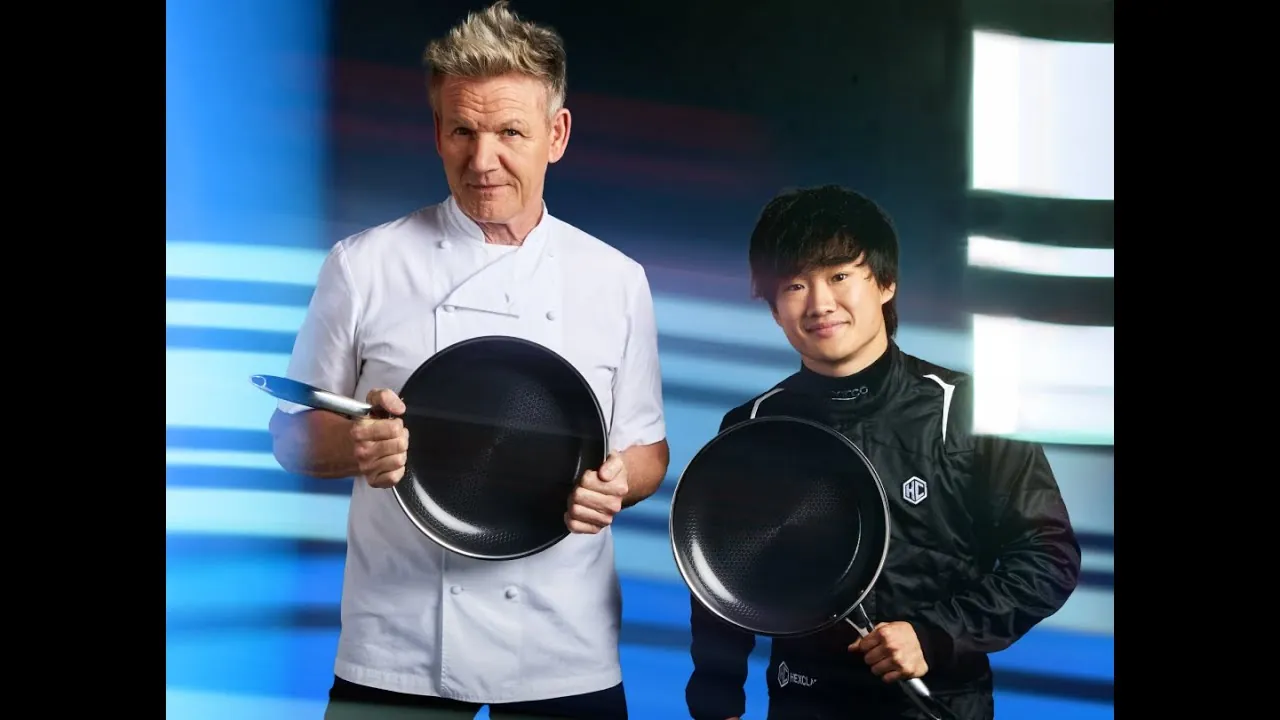
Gordon Ramsay and Yuki Tsunoda each holding a HexClad pan, from a HexClad commercial

Before

In 2023, HexClad leaned way too heavily on organic influencer posts, and its big deals had no paid spend behind them.

What they did

  1. Flipped its big deals to about 75% paid and 25% organic.
  2. Signed shorter deals, paid partly as a share of the ad spend, with a cap.
  3. Barely briefed a creator whose audience comes for product reviews, and ran her single-shot videos as ads.
  4. Ran micro creator review videos as ads from the creators’ own handles.
  5. Kept spending on a creator whose one-day clicks fell after a month, because she reached so many new people, and her ads ended the year with the highest ROAS lift.

What happened

About a third of HexClad’s ad account is now creator-led, from Gordon Ramsay to creators with 5,000 followers who make great ads.

“we spent like two hundred fifty, two hundred seventy-five thousand dollars on this really amazing like micro creator review style like allow list ad at like uh I don’t know, fifty percent higher one-day click ROAS”HexClad’s team, on Marketing Operators
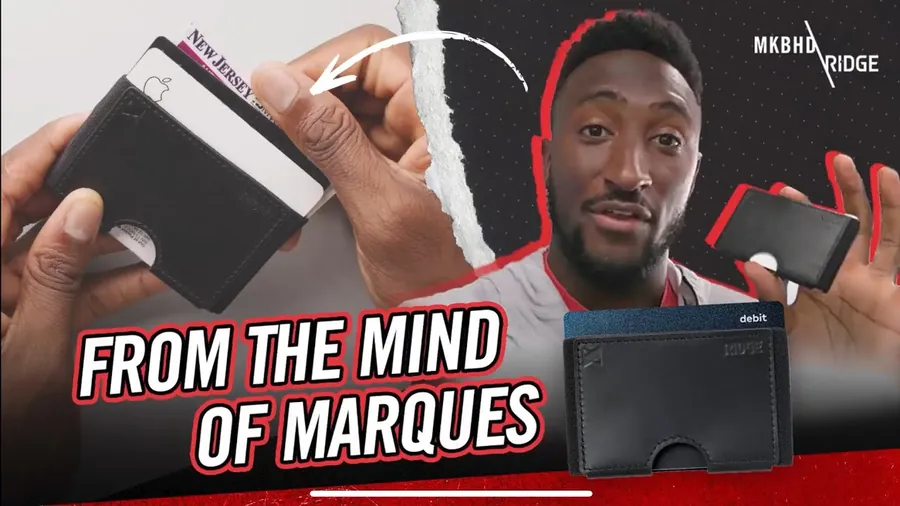
Ridge, with MKBHD

30 to 40%of Ridge’s Meta account on partnership ads, at about the same efficiency
MKBHD holding the MKBHD x Ridge wallet
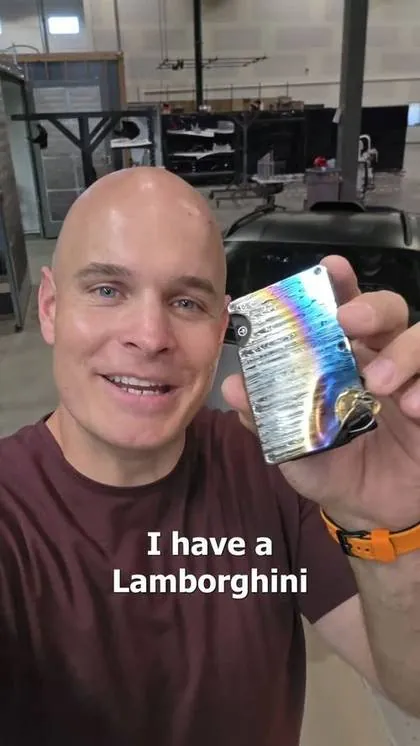
A creator holding a Ridge wallet in his own video
Ridge got the ad rights to this creator’s video and ran it across channels.

Before

Ridge got very little organic purchase performance from its influencer deals. Almost all the sales came out of the paid account.

What they did

  1. Signed fewer, deeper YouTube deals, like 20 MKBHD videos a year, with the ad rights inside.
  2. Runs partnership ads from the creator’s handle alone, because the brand handle makes it look more like an ad.
  3. Takes ad rights from every creator in its affiliate program, and moves their TikTok Shop videos into Meta.
  4. Never takes a finished edit, so its editors can recut every video.
  5. Got a better one-day-click ROAS from its YouTube ads than from Meta.

What happened

Over 30 days in July 2026, 15% of Ridge’s Meta spend went behind videos its TikTok Shop affiliates made, and those ads were 15% cheaper to show and got twice the click-through rate.

“partner ads are working better for everyone I talk to and it’s because the single handle really really helps.”Sean Frank, CEO of Ridge, on Open Residency

Jones Road

About $100,000spent in a month on some of its partnership ads, in what is now its second-biggest campaign
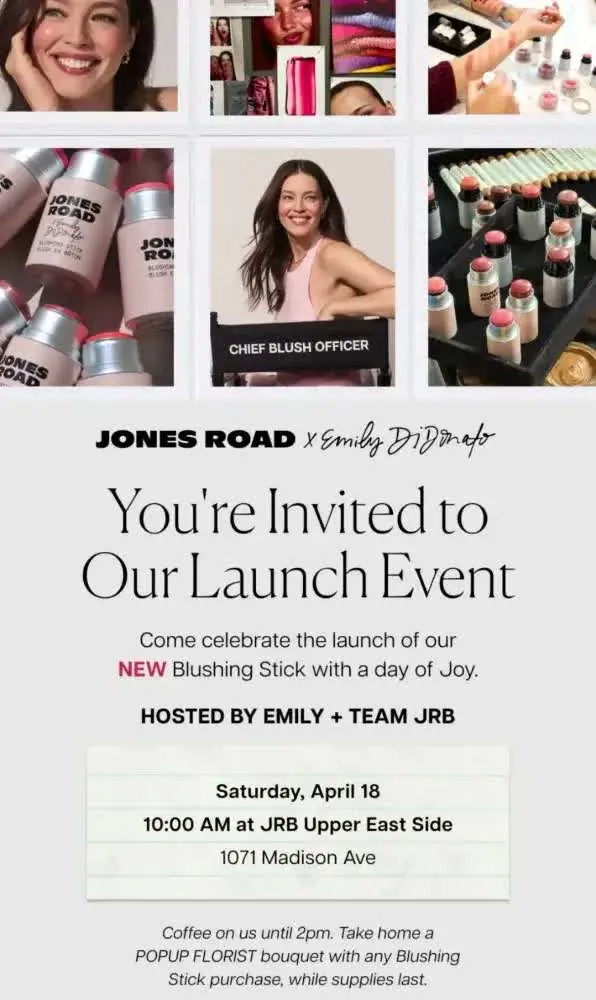
Jones Road’s launch invite with Emily DiDonato and her Blushing Stick

Before

Direct response UGC almost never worked in Jones Road’s account, and a creator’s own post returned very little.

What they did

  1. Writes an option for ad rights into creator contracts, and decides after the post.
  2. Runs a good post as an ad for 14 or 30 days.
  3. Tests partnership ads in a campaign of their own, one idea and three versions at about $250 a day.
  4. Lets each ad spend $1,000 before deciding anything.
  5. Reads percent new visits, cost and reach after that first $1,000, then scales it up or cuts it.

What happened

On one 3-month creator deal, her first Instagram story broke even, and the paid media on top was icing on the cake.

“direct response UGC has like never worked in our account. Like almost never. Um, partnership ads work incredibly well.”Cody, Jones Road Beauty, on Marketing Operators

How we do it

Five moves, from the contract to the scaled ad.

  1. 1

    Write the ad rights into every deal

    We agree the whitelisting rights up front, how long, on which platforms and whether the video can be cut and edited, and we ask for 90 or 120 days, because 30 days is about how long Meta takes to test.

    Ketone-IQ often pays partners a share of the spend behind their whitelisted ads.

  2. 2
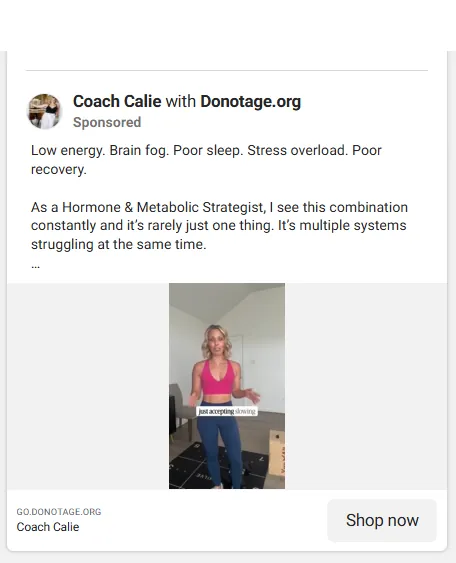
    A partnership ad reading Coach Calie with Donotage.org, Sponsored

    What the permission gives you: the creator’s name on your ad.

    Ask for a permission, not a password

    On Meta, the creator gives permission in the Partnership Ads Hub and can take it back at any time. On TikTok, the creator sends you a Spark Ads code.

  3. 3
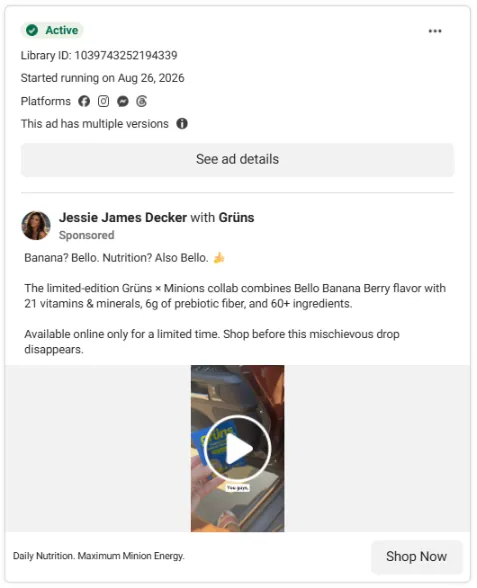
    A live Meta Ad Library entry for Jessie James Decker with Grüns, in several versions

    One creator’s video running for Grüns in several versions.

    Cut several ads from each video

    We caption the creator’s video as ad one, then cut three to five more with new hooks or headlines, and keep the cuts per idea low, so Meta can find more than one winner.

    Ketone-IQ keeps four full-time editors chopping up its creator ads.

  4. 4
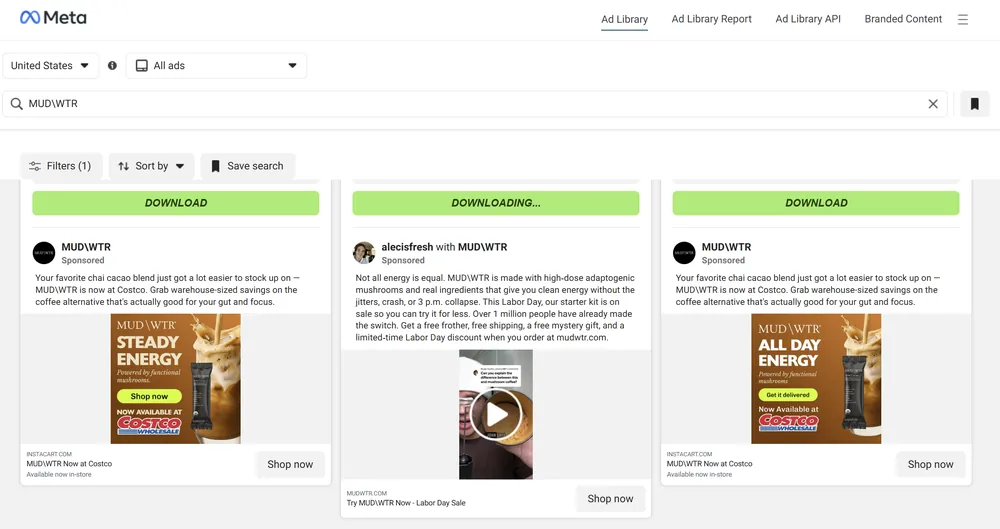
    The Meta Ad Library search for MUD\WTR, brand ads beside a creator’s ad

    Brand-page ads beside a creator’s ad, the two kinds of ad a test compares.

    Give each idea a fair test

    Each idea gets its own campaign at about $250 a day, and spends $1,000 or at least 3 times your CPA goal before anyone decides.

  5. 5
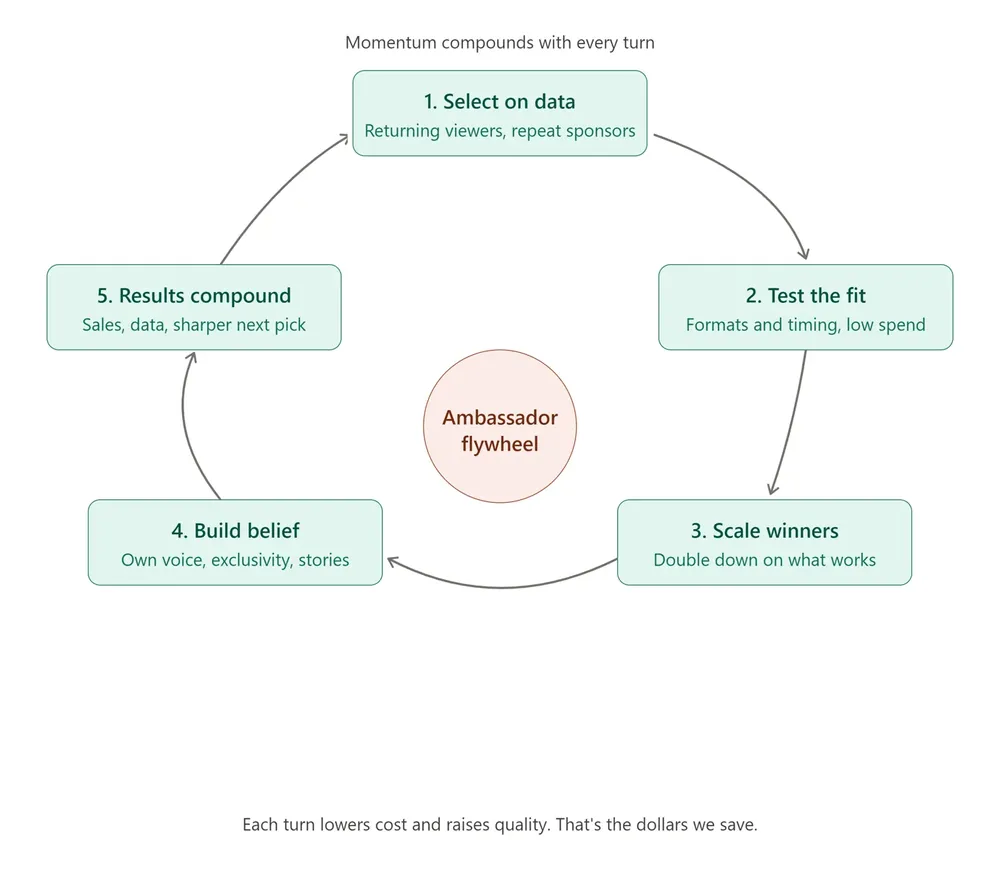
    His ambassador flywheel drawing: select on data, test the fit, scale winners, build belief, results compound

    Each turn lowers cost and raises quality.

    Scale the winners, then bring in new creators

    We run a winning post as an ad within 24 hours of its spike, raise the daily spend fast, give the winners a campaign of their own, and keep new videos waiting for when an ad wears out.

What you get

  • Far more ads to testFar more creator content to test as paid ads.
  • Budget behind proven winnersBudget goes to the proven winners, and the rest are cut fast.
  • New buyers, almost right awayA new audience almost right away, from the creator’s handle.
  • Cheaper new customersNew-customer costs 20% to 30% lower when the creator gets a cut of the spend.
  • Every deal can become an adBecause the rights are already signed.
  • A channel the size of MetaInfluencer grows into a channel big enough to sit next to Meta.

Paying for a creator’s post vs running their video as your ad

There are two ways to pay a creator. You pay for one post on their feed, or you take their video and run it as an ad from their account, for as long as it works. Here is Grüns doing both.

Way 1: pay for one post

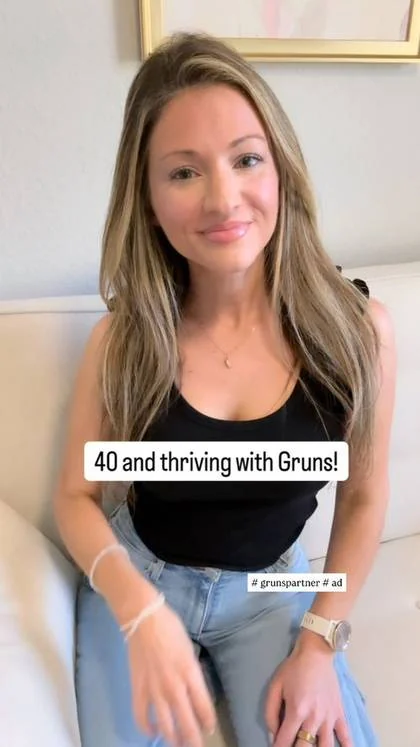
A creator’s Grüns post tagged #grunspartner #ad
Grüns pays her for one post, marked #ad. It stays on her feed. Meta branded content ↗

Way 2: run her video as Grüns’s ad

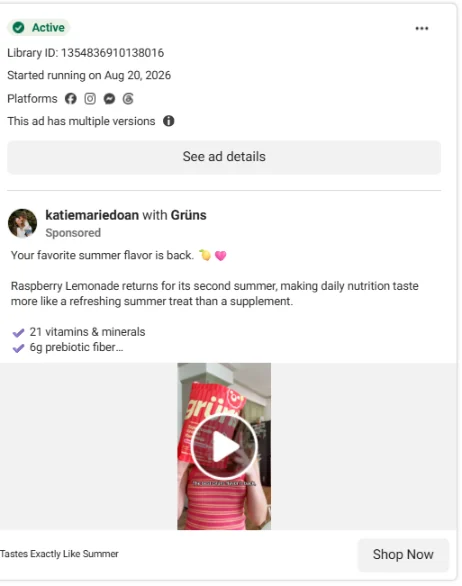
A Meta Ad Library entry: katiemariedoan with Grüns, Sponsored, active
Grüns pays to show her video as an ad from her account, in several versions, running since Aug 20, 2026. Meta Ad Library ↗


Way 1: pay for one postit goes up once, on their feed

Way 2: run their video as your adyou pay to show their best videos to more people, for as long as they work

Customer lifetime value

Lower

Higher

Cost to acquire a customer

Higher

Lower

Landing-page conversion

Lower

Higher

Repeat-purchase rate

Lower

Higher

Conversions when you retarget

Fewer

More

Enterprise multiple

Lower

Higher

Who it’s for

A fit if

  • You already have an influencer program and a team running it.
  • You want better Meta ads from creator-made content.
  • You have found Meta ad formats that work.
  • You measure blended CAC, LTV and a 365-day payback.

Not a fit if

  • You run no paid ads behind creators yet.
  • You use ROAS as your main KPI.
  • This is your first influencer campaign.
  • You only sell one-time purchase products.

Questions brands ask

How long do the ad rights last?

Ask for 90 or 120 days. 30 days of usage rights is usually too short to scale a winning partnership ad.

How many ads do we need?

More than most brands have. Meta’s Andromeda needs a lot of ads, and one creator deliverable can become six with two extra hooks and two extra calls to action.

How long does a winning ad last?

Most last a few weeks. The best go six months or more without wearing out, and one brand’s best whitelisted ad has run for two and a half years.

What does the creator get out of it?

Often a share of the spend behind their ads, and the reach that comes with media money behind their handle.

Does the creator need to be famous?

No. Ridge found the account doesn’t matter that much, and creators who know how to make content work whatever their follower count.

Meta or TikTok?

Both. On Meta, partnership ads are the official version of whitelisting. On TikTok it’s called Spark Ads, and the ad looks and acts like the creator’s own post.

See how far you already go on Scale

The free audit maps each of the four steps for your brand, and which one to start with.

More creators join every round, so the next round starts bigger. That’s the flywheel.