Influencer Advisory™
← Back to the homepage

AA is for Anchor: one big name in your space

Get creators coming to you, and asking for less money

We headhunt the one celebrity who fits your buyers, look into their history before anyone signs, and negotiate for you, never for the talent.

Why creators say no to most brands

The problem

A lot of influencers don’t know who you are, most of them won’t want to work with you, and the real problem underneath that is that you haven’t built big brand associations yet.

Out of the 1,000 or so celebrities, only five or 10 would ever be a fit for your brand at any given time.

The wrong celebrity will cost you millions, and you don’t have that many shots to take.

What changes it

One celebrity in your space makes other creators want to work with you, often for less.

When creators see someone they look up to working with you, they want in, and they ask for less.

A celebrity will bring 10 to 20 million views, but the most important part is that every other influencer gets much easier to sign.

Three brands, up close

What each brand had before, what it did, and what the name got it.

Bum Energy x Chris Bumstead

Up to 75%lower quotes from the same creators, once Chris signed
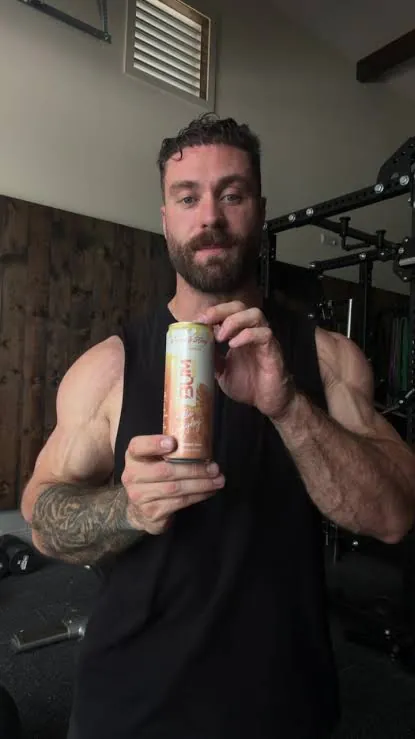
Chris Bumstead holding a can of Bum Energy in his gym
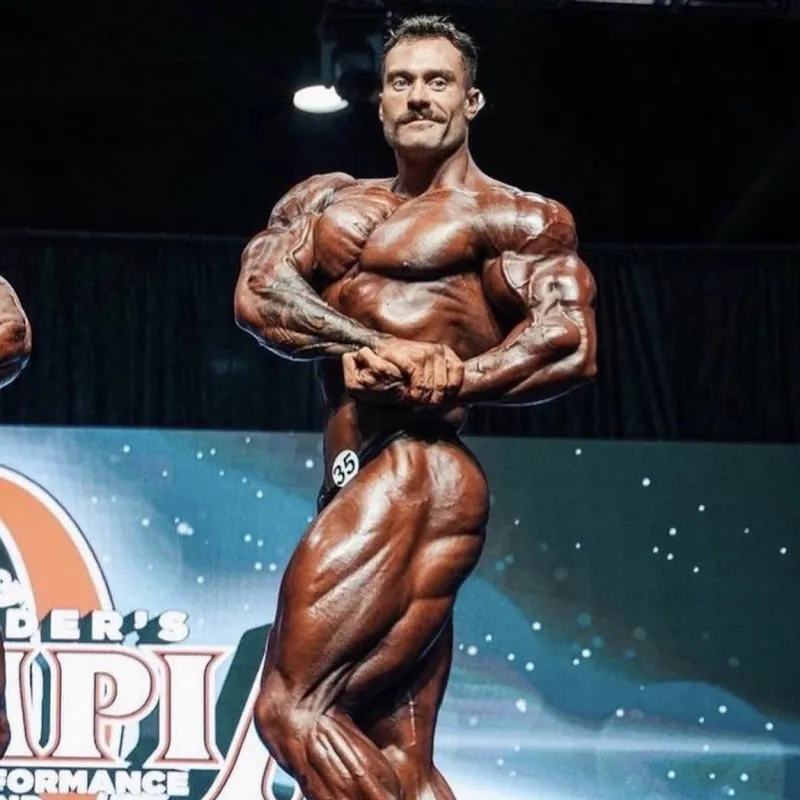
Chris Bumstead on the Mr. Olympia stage
They announced him right before the Olympia.

Before

Sports nutrition is crowded, and Dom Iacovone, who runs Chris Bumstead’s brands, says they were nobody back then. Creators were asking for crazy numbers to post.

What they did

  1. Picked the face first. They knew the face of the brand had to be Chris.
  2. Offered him equity instead of a monthly fee. Dom thinks they were the first company to do an equity deal with an influencer.
  3. Announced him right before the Olympia, when his YouTube videos were getting a million views each.
  4. Started with organic posts only, and no ads.
  5. Went back to the creators who had quoted high. They asked for less, just to be part of it.
“If you have a good face for the brand, other influencers want to be a part of it for way less money.”Dom Iacovone, CEO of The Quality Group Americas (Raw Nutrition, Bum Energy), on Open Residency
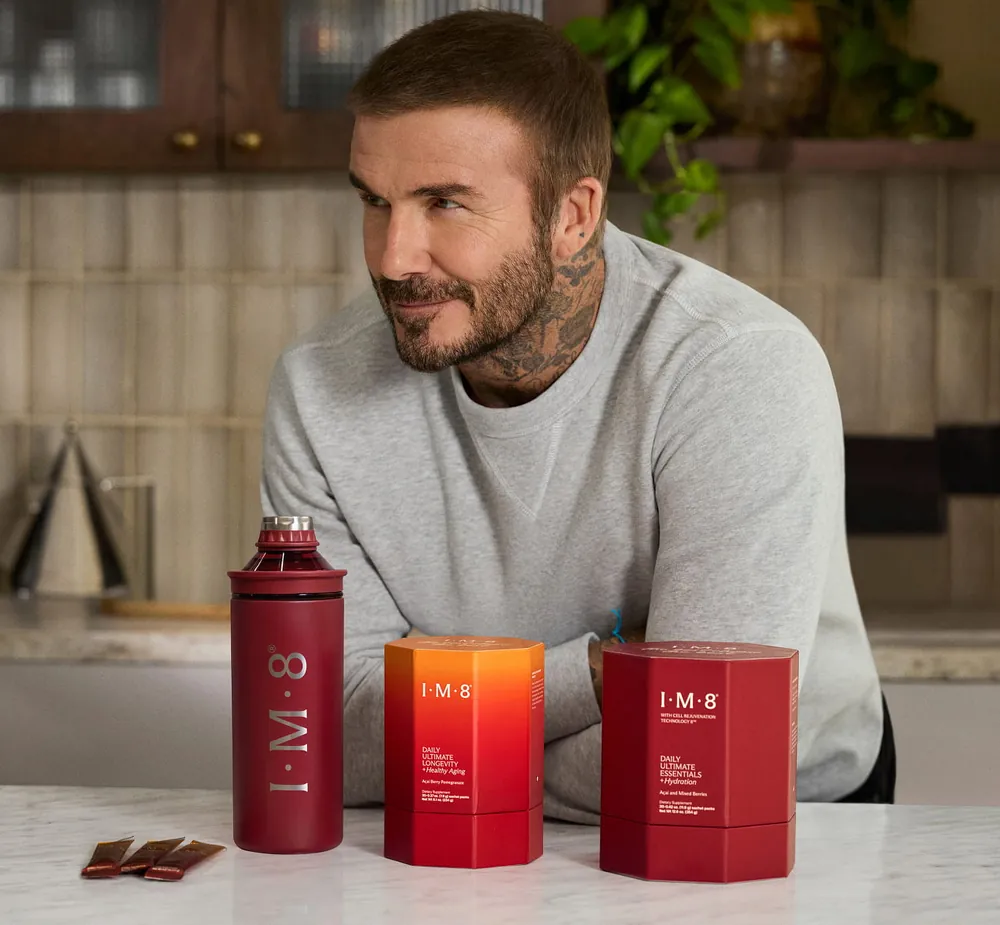
IM8 x David Beckham

1,000orders the day he was on the Today show, with no ads behind it, and over $1 million in revenue that month
David Beckham leaning on a kitchen counter beside IM8 bottles and boxes

Before

There is a lot of mistrust in the supplement industry, and Beckham had turned supplement offers down for 30 years.

What they did

  1. Met him through a friend, with no pitch planned.
  2. Built the product around his own problem, a dozen supplements a day that were hard to keep up on the road, so one drink now covers 16.
  3. Made him a co-founding partner with equity, with his team on weekly product calls and the final say on taste.
  4. Launched with him in New York, with a spot on the Today show.
  5. Let the next names come to them. Aryna Sabalenka’s team reached out after she had taken it for 3 months, and every ambassador holds equity.
“So, just him on the Today show, I think that day we had like 1,000 orders, right? And this is organic, right?”Danny Yeung, co-founder of IM8, on Foundr

Momentous x Andrew Huberman and Arnold Schwarzenegger

300%growth the year Huberman came in, where it expected 80 to 100% without him
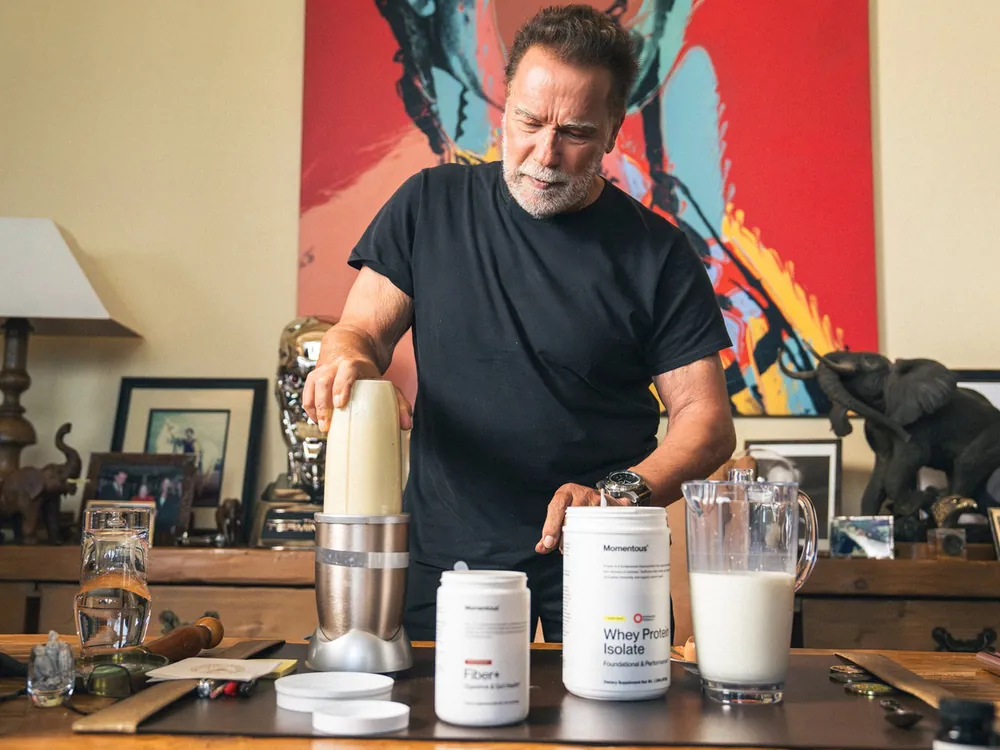
Arnold Schwarzenegger mixing a shake at home beside Momentous tubs

Before

Momentous had just merged and had to grow past elite athletes, in what its CEO calls a really low trust category.

What they did

  1. Met Huberman through a close friend, and the two did a workout together.
  2. Signed him while his podcast was just starting.
  3. Put him on the advisory board, beside other experts.
  4. Spent about 18 months earning Arnold Schwarzenegger’s trust, and he had to be a customer first.
  5. Made a fiber product with Arnold’s team, and made him the brand’s main face for awareness.
“I bet it took us 18 months to get a deal.”Jeff Byers, CEO of Momentous, on signing Arnold Schwarzenegger, on Open Residency

How we do it

Five moves, in this order. Each one makes the next one cheaper.

  1. 1
    Share of marketing that goes to brand, by yearly revenue
    • Launch, up to $10M10%
    • Growth, $10M to $100M40%
    • Scale, $100M and up100%

    Decide if a celebrity is worth it, and when

    A name pays off when you break into a fast-growing category, win back share from a rival with a celebrity, build value before a sale, reach younger buyers, or turn new shelf space into sales.

    Ketone-IQ keeps each seven-figure deal to a portion of its spend, so it can afford a miss.

  2. 2
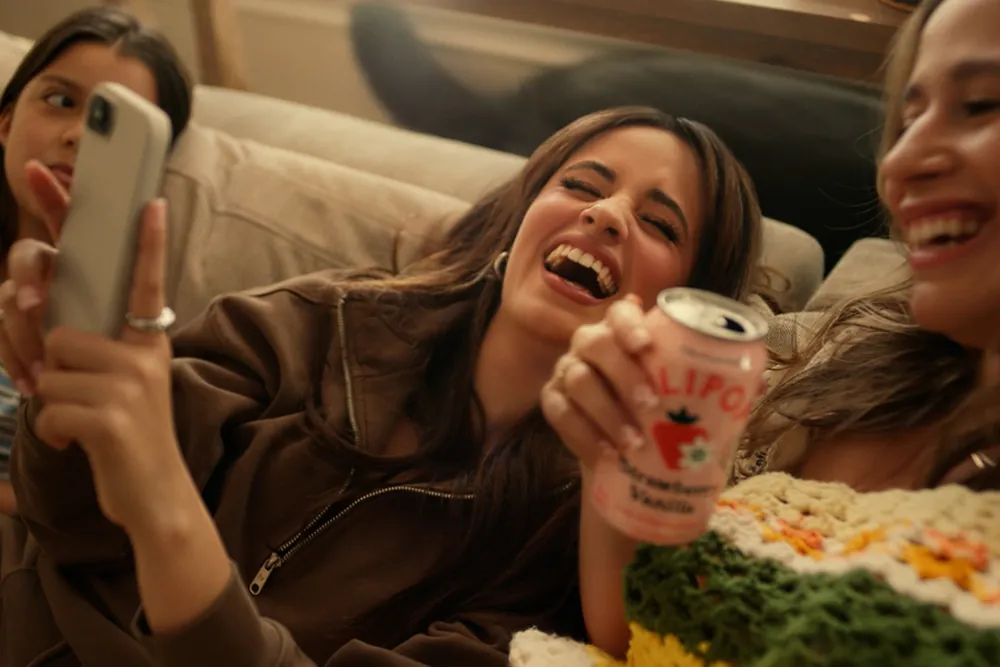
    Camila Cabello laughing on a couch with a can of Olipop Strawberry Vanilla

    Find the name your buyers already follow

    We list the famous people who already use your product or your category, then send it through someone they trust, and ask for nothing yet.

    Olipop saw Camila Cabello photographed with its Strawberry Vanilla again and again, so its first call asked if she was a fan.

  3. 3
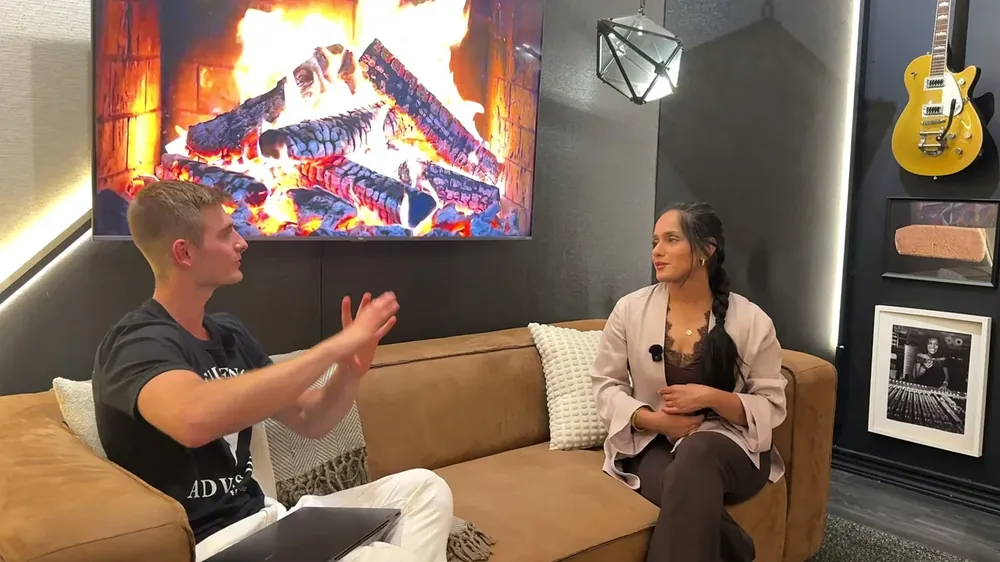
    Dennis asking a guest about a deal, on the couch in the studio

    Check them before anyone signs

    We ask for their past partnerships, pay someone senior at those brands $1,000 for 30 minutes to hear the numbers, and rule out a rival deal before we pitch.

    Poppi tried to sign Travis Kelce, and an energy drink deal already had him.

  4. 4
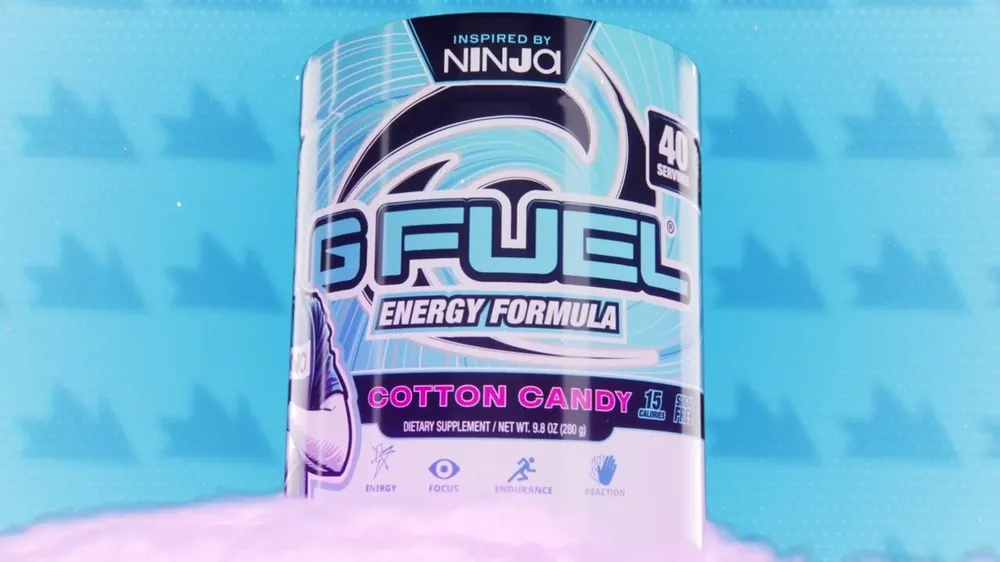
    A G Fuel tub of Cotton Candy flavor, inspired by Ninja

    Pick the deal shape, then write the work in numbers

    Cash, less cash plus equity, a share of sales, or a co-founder stake, then every piece of work written down, like the 9 in-person days and up to 24 posts a year in Shaquille O’Neal’s Alkaline88 contract.

    G Fuel built Ninja a cotton candy flavor he liked, and it fits his hair color.

  5. 5
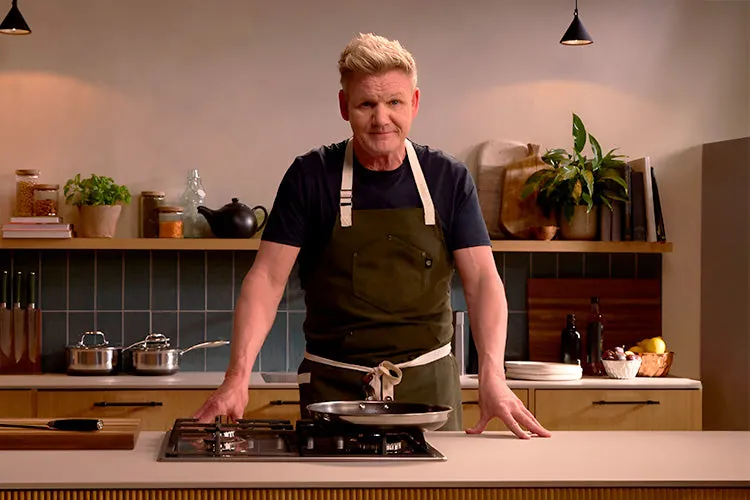
    Gordon Ramsay at a kitchen island with a HexClad pan

    Use the name on every creator after it

    We go back to the creators who quoted you before, mention the name in every new outreach, and film 50 to 200 short clips you can use everywhere.

    HexClad’s creators post more often because they want to be in Gordon Ramsay’s good graces.

What you get

  • Creators ask to work with youInstead of you chasing them.
  • Lower quotes from creatorsFrom the creators who follow the big name in.
  • Buyers trust you soonerBuyers trust your brand more from the day the name goes up.
  • More interest from retailersA big name helps win shelf space, end caps and ad credits from stores.
  • Content you can run as adsClips you hold the rights to, that go far beyond one post.
  • Press you would otherwise pay forA good idea with a big name gets talked about for free.

Deal example

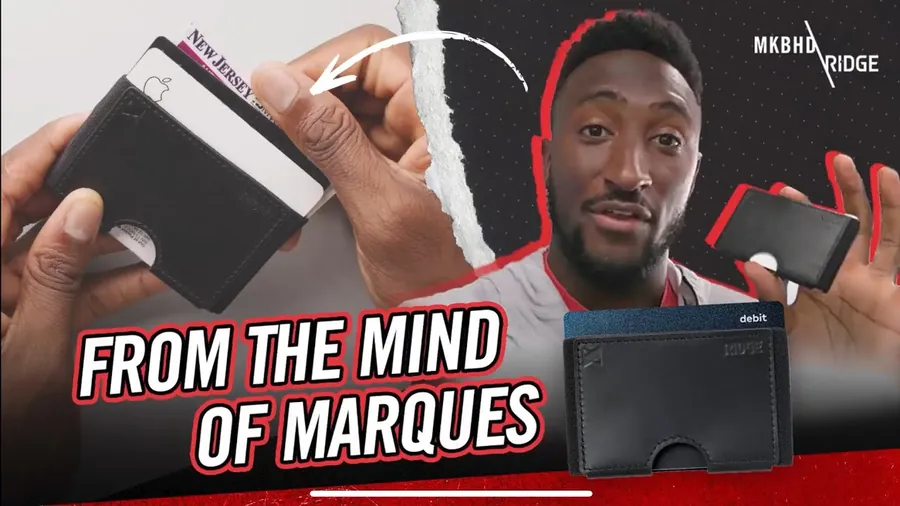
MKBHD x Ridge

An owner, a board member and the face of its Best Buy launch

Marques Brownlee is one of six people on Ridge’s cap table.

MKBHD x Ridge

An owner, a board member and the face of its Best Buy launch

What they did

  1. It started with a public post looking for a chief creative partner. About 1,000 people applied.
  2. He became one of six owners. Ridge has never raised money.
  3. His face hangs in Best Buy next to Ridge’s phone cases, power banks, cables and wallets.
  4. Ridge expects eight figures ($10 million or more) in phone cases the first year, through Verizon, AT&T and Best Buy stores he helped bring in.

In their words

"I think it’s a great gig all around, right? because he brings just like a ton of legitimacy."

What Marques Brownlee gives Ridge

  • Equity ownership
  • A board role
  • Several YouTube integrations a year
  • Social posts
  • Rights to use the content in ads
  • MKBHD-branded Ridge products
  • Signature products, with new designs planned
  • His face on wholesale displays
  • A role in Ridge’s Best Buy launch

How a brand uses the name after it signs

  • Mention the relationship when reaching out to new creators
  • Co-design a gifting experience
  • Use that gifting for evergreen products as well as collabs
  • Reach the people in his wider creator community
  • Build special experiences around access to him

A product under his own name

waterdrop x Novak Djokovic: the deal went past ambassador work into his own electrolyte performance drop, sold on pre-order before launch. Djokovic also invested in the business.

Who it’s for

A fit if

  • You make and sell your own product.
  • A launch needs trust faster than it can be earned.
  • A product already on shelf is not moving.
  • You have a budget for talent.

Not a fit if

  • You are a retailer or marketplace selling other people’s products.
  • You want one post from a big name at the lowest rate.
  • You want the vetting skipped to move faster.
  • It has to be live inside two weeks.

Questions brands ask

Why not go to CAA or WME directly?

Talent agencies represent the talent. Their responsibility is to secure the strongest possible terms for their client. We advise the brand, independently, across the full market.

What does a celebrity deal cost?

To get a celebrity to post for 3 to 5 months, plan on high six to high seven figures. Top names are seven-figure deals.

What if the celebrity already uses our product?

That is the best place to start. A celebrity who likes you and your brand first costs less, and the campaign works better.

When does a celebrity make sense for us?

Usually once you move from performance ads to building the brand. Past $100 million a year, brands focus fully on brand marketing.

How do we know it worked?

Measure it in weeks, not days. We track sales store by store where the celebrity’s audience lives, so if 20% of their viewers are in New York state, we look at which New York stores picked up.

What happens if the talent creates a reputational issue during the campaign?

That possibility is addressed before launch. The agreement defines the brand’s rights, and the response plan is written before it is needed, not after the first headline appears.

Will you work with our competitors?

No. We represent one brand per subcategory.

See how far you already go on Anchor

The free audit maps each of the four steps for your brand, and which one to start with.

Now you have one name, and two hundred creators who would say yes. The problem is reaching two hundred people without it reading like a cold pitch. That is what the boxes are for.