 Influencer Advisory™
For Marketing Leaders at Small, Growing Brands
Get Sales From Creators Without a Big Team or a Big Upfront Budget
We start with a small test of a few creators, track every sale back to one of them, and only grow the spend on the ones who sell.
Campaigns for 55+ brands · Nami Matcha: 26 creators said yes
Most small brands spend their creator budget on one big post
One creator with a big name takes most of the money, posts once, and the sales never show. So creators get written off as something only big brands can afford.
Why most small creator programs stall
“We spent most of our budget on one creator and got nothing”
Why it happensOne post is one roll of the dice. A small test across a few creators shows who sells before the money is gone.
“Nobody on our team has time to message creators”
Why it happensFinding, emailing and chasing creators is a full-time job, and a small team is already doing three of those.
“Bigger brands in our space have way more creators than us”
Why it happensThey keep booking the same creators for years. When we looked at cold plunges, the top rival had 119 creator deals and Coldture had 8.
“We sent free product and never heard back”
Why it happensFree product goes to whoever asks. Without a short brief and a clear ask, most boxes never turn into a post.
“We can’t tell which creator brought the sale”
Why it happensOne shared code for everyone hides who sold. Each creator needs their own link or code.
“Every campaign starts from scratch”
Why it happensNobody keeps a list of which creators brought sales, so the ones who worked never get booked again.
Why we started
We realized this old system was not the way that the most successful companies were doing things. We learned this first hand.
We ran an influencer agency first, then a talent agency. Neither one worked for the brands we served, so we built something new.
First Didn’t work
We were an influencer agency
When we ran as an influencer agency, we would reach out to a thousand creators, hear back from about 50, and end up with three influencers who were actually good.
Then Didn’t work
We were a talent agency
When we ran as a talent agency, we managed our own roster, but every time a client handed us a really niche avatar, we were stuck choosing from the same 50 people.
Now What works
So we built our new method
The foundation of this boils down to building connections at scale with influencers and keeping them, and then scaling them without an operational nightmare.
How we run influencer marketing for small teams
Three steps, and every one of them ends in a number you can count.
-
1
Find a few creators your customers already follow
Smaller creators whose viewers buy what you sell, picked by who watches, not how many follow. We do the emails and follow-ups, so your team doesn’t have to.
-
2
Test small before spending big
A few creators post first, each in their own words, with your product in their day. You see what sells before the budget grows.
-
3
Track every sale, then book the winners again
Every creator gets their own link and code, so each sale is counted. The creators who bring sales get booked again, and the ones who don’t get swapped.
Examples
Two campaigns we ran for smaller brands, and one category we took apart from our data.
Is this you?
Who it’s not for
Who it’s for
Selling
Not selling yet
Already selling, online or in stores
Size
No budget for creators yet
Steady sales and a set budget for creators
Creators
Never sent product to a creator and no plans to
Already gift or pay creators, or ready to
What you count
Likes and followers
Sales you can count
If that isn’t you yet and you still like where this is going, message us and we’ll refer you to another agency or tool.
Who we are
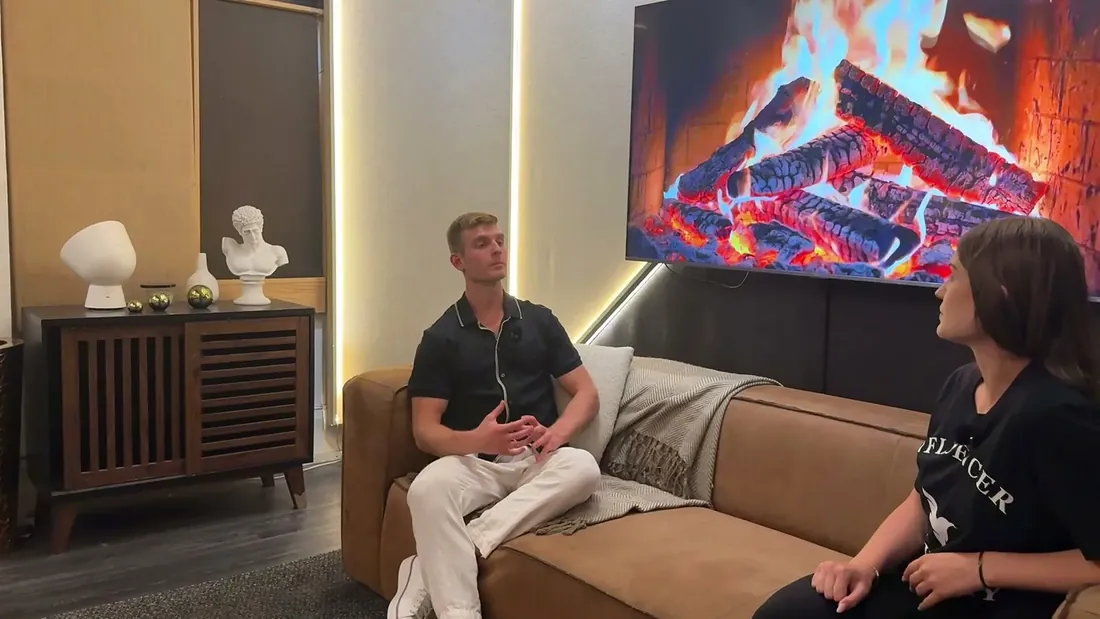
We originally started in the media space helping YouTubers improve their content. We know firsthand exactly what it takes to make good content.
YouTubers we helped include Football Fundamental, Ground Glory and Kevin Aquatics, and we helped them implement systems that allow them to earn more.
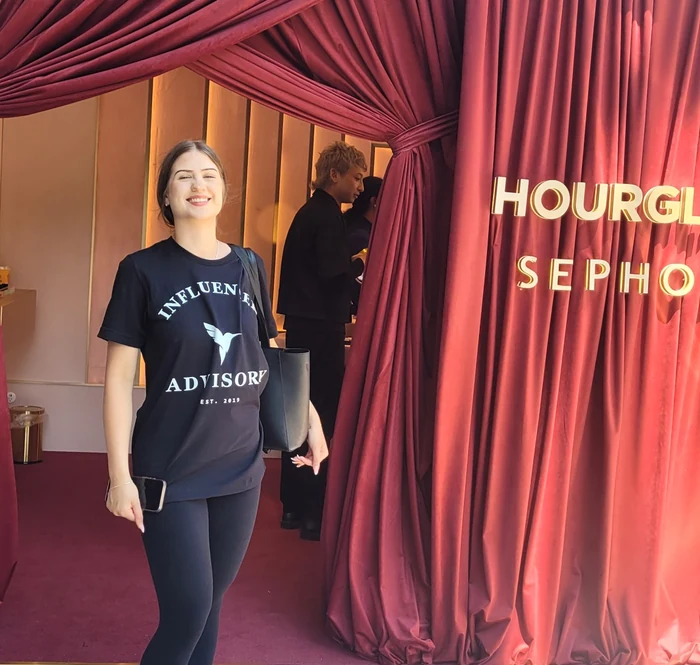
We started Influencer Advisory around a pretty simple observation that influencer marketing is a fragmented industry.
After being in the influencer agency space, we noticed that it’s fragmented, unreliable and inconsistent, which is why it doesn’t actually become a staple marketing channel for most brands.
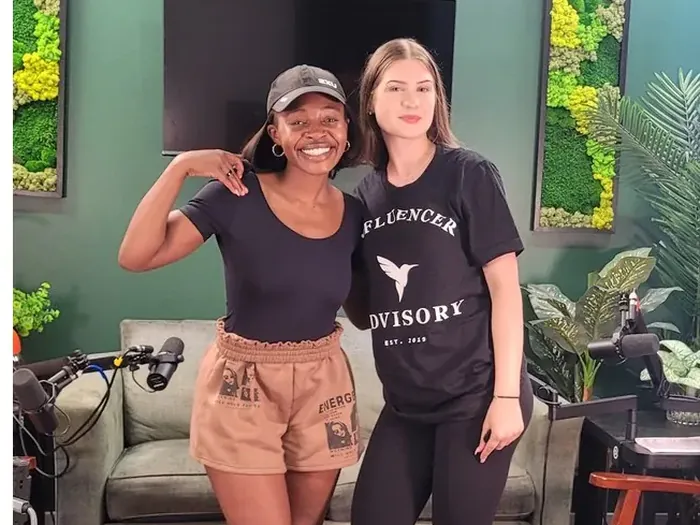
That’s what led us down the rabbit hole of looking through 6,200 plus interviews with CMOs, running campaigns for 55 plus brands, and learning what actually works in the influencer space.
Get a free audit of your creator budget
See which creators your customers already follow, and what a small test would bring in.