 Influencer Advisory™
The influencer playbook - rapidfire tips
Founder · October 20, 2026 · 47 min read
Build online buzz before the shelf date
Build up TikTok and affiliate awareness before the launch date, so shoppers already know the brand before they can find it on shelf.
How sure? 2 brands did this, none with their own number.
Who did it?
- Cyklar built TikTok Shop awareness before launching in Sephora, so shoppers already knew the fragrance before they could smell it in store.
- Neuro Gum had tens of thousands of TikTok affiliates before the retail push, creating a halo that pointed shoppers toward buying in other channels.
3. Send creators into store on launch week
Send creators into the store on launch week to shop it and show the shelf.
Why now? There's no substitute for it in that launch moment.
How sure? 4 brands did this, 1 with its own number.
Who did it?
- HopWtr sends creators into the store every time it launches into a meaningful retailer, to shop the product and show where it sits on shelf.
- Mad Rabbit gave 7,000 ambassadors one checkable ask for Walmart launch week, hold the product in the aisle and tag the brand and Walmart, verified by AI.
- Elavi flew across the country to personally visit new Costco locations on launch week, meeting managers and members and helping sample and demo the product.
- Neuro Gum says launch week is the moment to get the product out of the aisle and onto an end cap, calling it something with no substitute.
4. Point paid spend at the store after launch
Point your paid and creator spend at which store to buy from, not just what the product is.
How sure? 3 brands did this, 1 with its own number.
Who did it?
- Bloom Nutrition told its own online audience to go buy the greens at Target during the retail window.
- Cadence runs its own tracked promo and redemption page pointed at retail activity, so it can see the impact when it changes spend or whitelisting.
- Neuro Gum built incentive structures so creators would send people into a Costco or Walmart to purchase, not just post content.
What it produced
- A direct push to buy Bloom Nutrition at Target sold it out and made it the top-selling supplement in its category of all time, for that one month.
5. Track units per store per week, not doors
Watch units and dollars per store per week, not how many doors carry it, and reset every 30 days.
How sure? 3 brands did this, 1 with its own number, 2 sources against.
Who did it?
- Cadence says the real KPI is units and dollars per store per week, not door count, and the cycle to prove it runs on a 30-day clock.
- GNC's own buyer expands a brand into more stores for a following big enough to bring people in, up to 25 million Instagram followers.
- G Fuel ties an exclusive Ninja can at Walmart directly to purchase, because seeing a familiar name on shelf is what gets someone to buy it.
- A Kaged exec who has bought for retailers says moving an aware community into retail means nothing if you cannot fulfill the order long term.
- GNC's own buyer says a new brand gets 3 to 6 months, and zero movement in the first couple of months already draws attention.
6. Use sell-through data to win the bigger reorder
Bring your sell-through numbers back to the retailer to win the reorder or a bigger PO.
Why now? Doing well is what makes a retailer want more.
How sure? 5 brands did this, 4 with their own number.
Who did it?
- Liquid Death tested first in Southern California 7-Eleven stores during a pandemic slowdown, and strong sell-through there is what got it taken national.
- Bloom energy drink ran a 3-month Target test through C4 and Dr Pepper that was such a success the brand pushed for a national rollout, and got 70,000 retail doors.
- Quality Group says once a brand gets into the Walmarts, Targets, Costcos and Sam's Clubs and performs well, the retailer wants more and keeps asking for it.
- Celsius ties continual reorders to shelf placement like prime checkout coolers, and says a tested rollout of 200 coolers already has 1,000 on order.
What it produced
- Rhode passed $10 million in its first two days at Sephora, 2.5 times the previous biggest launch, about 3 items sold a second.
- On launch day Rhode was more than 35% of Sephora North America's online sales, and a week later that had leveled off to about 5%.
- Rhode said its Sephora UK debut brought the highest number of customer sign-ups ever for a brand launch there.
Do creators raise sell-through after a major retail launch?
The verdict is partly.
The line we tested was increase shelf velocity after getting into a major retailer. For example, after getting into Sephora, brands need strong purchase volume within the first 90 days or risk not being accepted back by the retailer.
What operators say
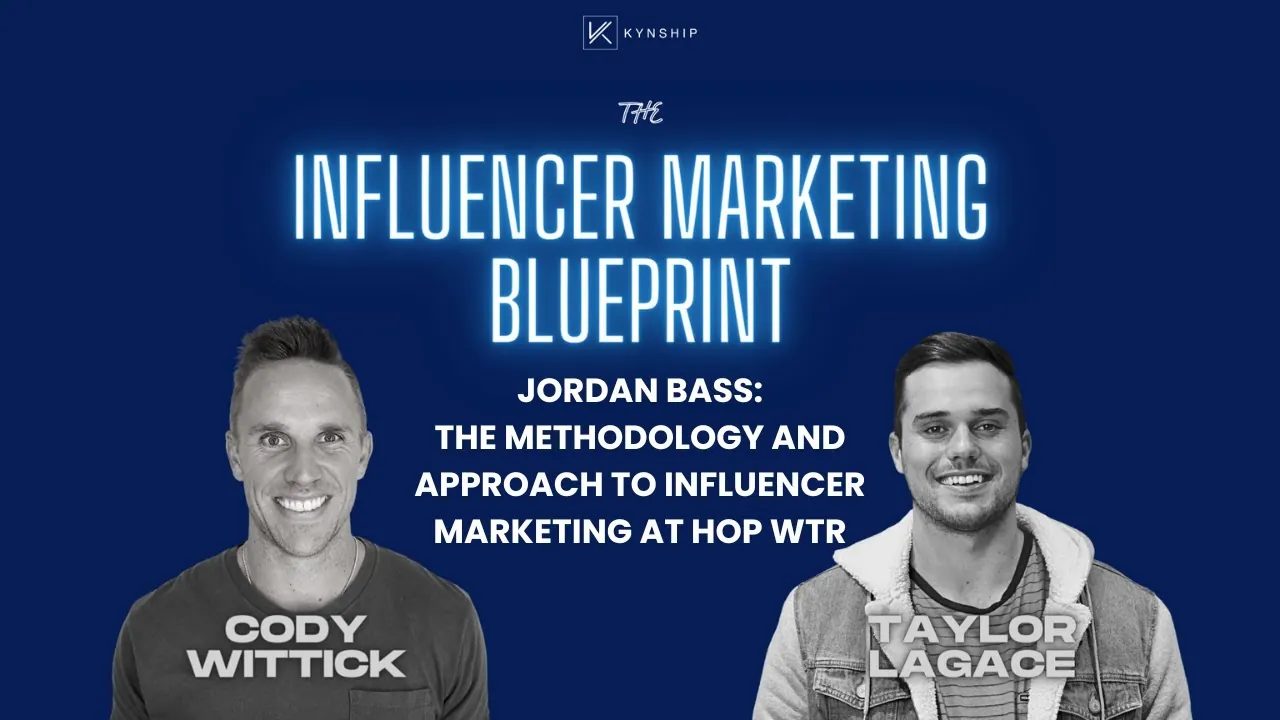
- HopWtr sends creators into the store with every big retail launch, to show where the product sits on the shelf. Jordan Bass, HopWtr, 16:04
- Bloom Nutrition's buyers find it on social and buy it in store. Greg LeVekia, Bloom, 7:50
- Neuro Gum is working out how to get creators to send people into Costco, which means it hasn't cracked it yet. Neuro Gum, 18:32
- The Vitamin Shoppe's point is that the retailer wants the creator's community brought into the store. The Vitamin Shoppe, 10:05
What our data says
- We hold no retail launch dates, so we can't set sponsored videos against sell-through. Nobody in 2,841 interviews gives a sell-through number that came from creators.
- Nobody says the "90 days or you're not taken back" rule from the Sephora example either.
The verdict is partly because operators do line up creators with a retail launch, and they describe shoppers finding a brand on social media and buying it in store. But nobody gives a result, and the 90-day rule has no source.
The line we suggest is increase shelf velocity after getting into a major retailer, by sending creators with the launch so shoppers who saw them on social pick the product off the shelf.
Reach a new segment after repositioning the brand
7. Confirm you're actually skipping a buyer
Ask whether you've ever pointed a creator at everyone already buying from you, not just the group you built the brand for.
4 of our 62 recorded sales calls raise this problem of skipping a buyer.
Counted in our own data, 24 Sep 2026
8. Name the exact buyer the old brand skipped
Name exactly who your old positioning leaves out.
You can't point a creator at a buyer nobody has named.
2 brands did this, and 1 has its own number.
Who did it
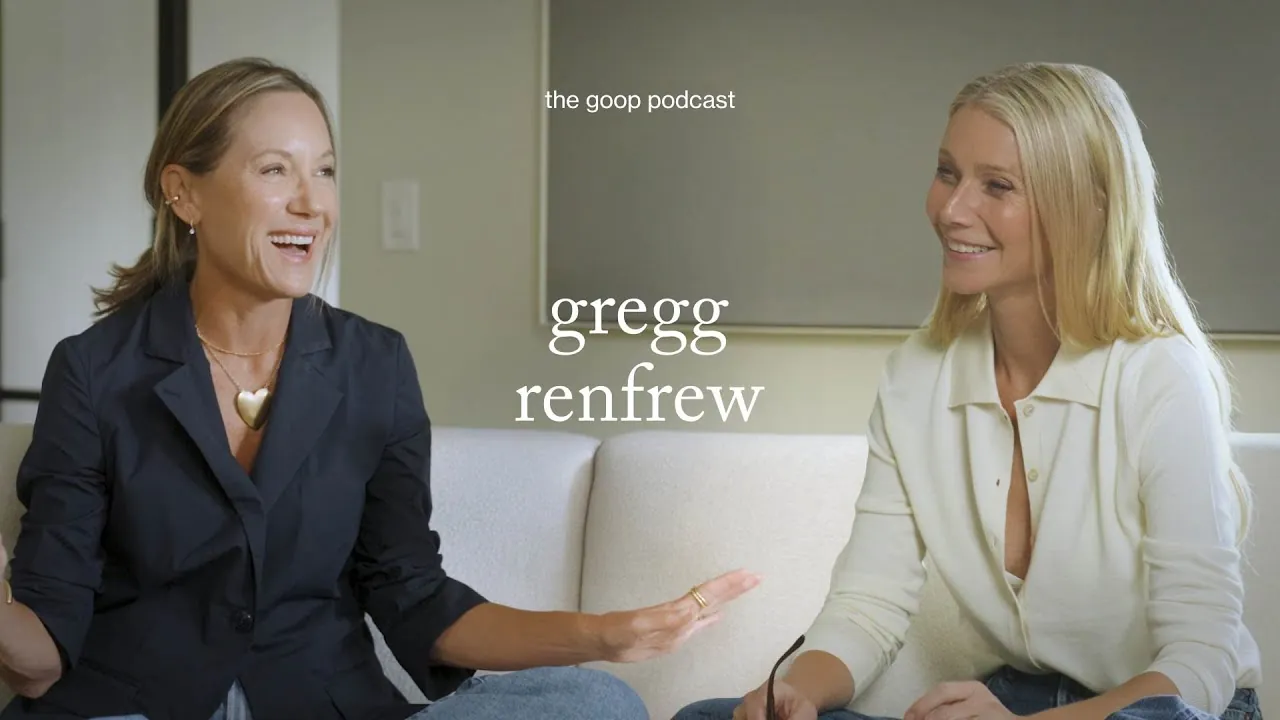
- Counter's founder Gregg Renfrew named her own age group, women in their 50s, as the one the industry was ignoring.
- MERIT Beauty's CMO says the data telling brands to chase Gen Z and Gen Alpha just means every other marketer reads it and goes there too.
- MERIT Beauty, the pick: Its CMO then picked millennial and Gen X on purpose, in her own words, because nobody else was going there.
9. Change the name to fit the new buyer
Change the name or look so it can hold the new buyer too.
The old name is what keeps signalling the old, narrower buyer.
3 brands did this, none with their own number, and 4 sources argue against it.
Who did it
- AG1's CEO Kat Cole says the brand needed a name that could hold future innovation, because Athletic Greens was too narrow to stretch into new products.
- Poppi co-founder Stephen Ellsworth said the rebrand from Mother Beverage to Poppi was meant to help reach a younger audience.
- Dunkin's own release said the new branding was one more step in becoming a beverage-led, on-the-go brand across packaging, advertising and restaurants.
- Gatorade's rename failed, it renamed itself G with no explanation to anyone outside the company, and no creators carried the reason to shoppers.
- WW's rename failed too, and its own CEO admitted the bridge from the old name to the new one wasn't overt enough.
What it produced
- Gatorade suffered a 15.5% sales drop while remaining close to a $5 billion brand overall.
- WW's shares plunged roughly 35 percent that Wednesday, the market's reaction to a rename that had confused its own customers.
10. Sign creators whose audience already is your buyer
Sign creators whose own audience already is the buyer you want.
6 brands did this, and 1 has its own number.
Who did it
- HexClad's head of growth Connor Rolain paid $100,000 for a 9-month deal with a lifestyle creator whose audience is older and more female than HexClad's usual audience.
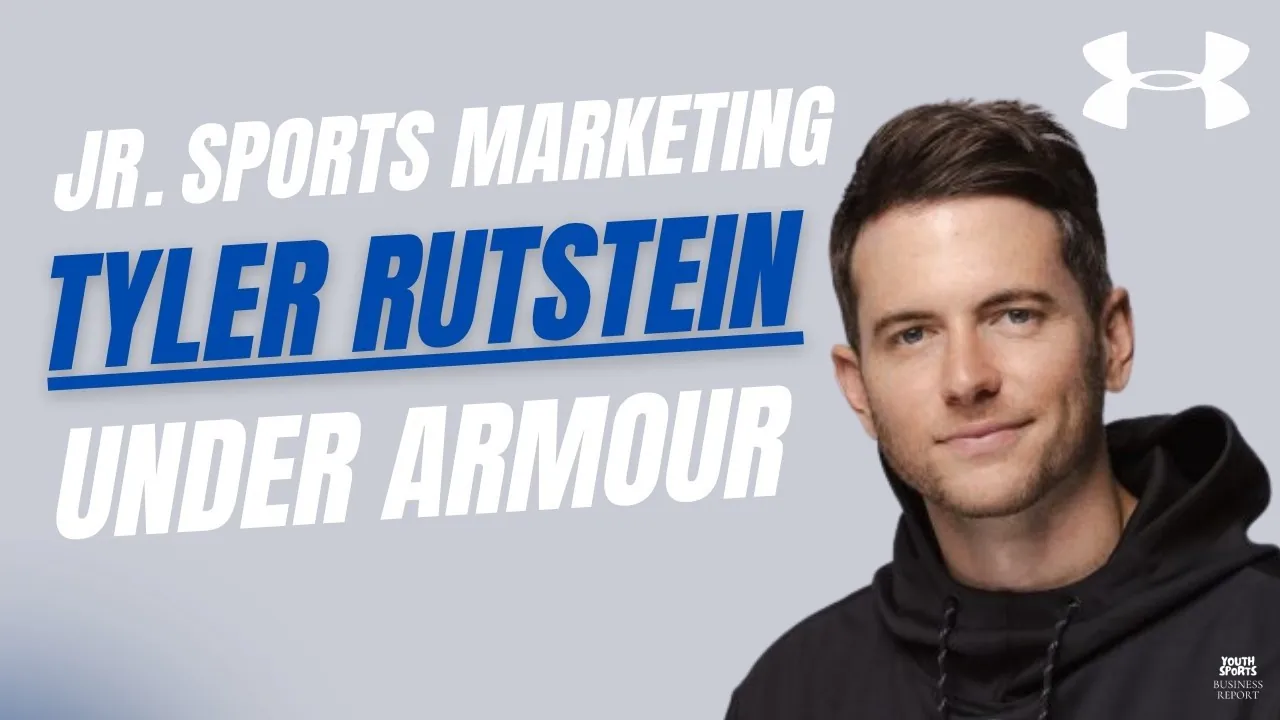
- Under Armour SVP Tyler Rutstein named Johnboy and Unrivaled Sports as partners signed to help it reach a more youthful audience.
- Jones Road CEO Cody Plofker picks creators for who has influence with the audience he wants, not whether they fit the brand's look.
- W co-founder and CEO Woodie Hillyard added a second co-owner ambassador to reach young women and the mothers of Jake Paul's young men.
- Stanley let The Buy Guide's founder buy 5,000 Quenchers wholesale to sell straight to the audience that already was the new buyer.
- Victoria's Secret CEO Hillary Super named creator partnerships and social-first content as what the brand used to reach the segment it wanted.
11. Check creator activity is still climbing
Check whether your own creator deal count is still climbing after the reposition, not falling.
As of July 2026, 274 of Nutrafol's 416 recorded YouTube deals landed in the last 12 months, against 142 before.
Counted in our own data, 30 Jul 2026
12. Let those creators carry the relaunch publicly
Let the creators who signed on carry the relaunch in public.
A rename nobody sees is just a new logo.
3 brands did this, none with their own number.
Who did it
- For Engine's relaunch, The Shelf brought in 10 micro and mid-tier creators across corporate, travel and lifestyle spaces to carry the new identity.
- AG1 kept the same podcast creators who built Athletic Greens, including Joe Rogan and Andrew Huberman, and they carried straight through the rename.
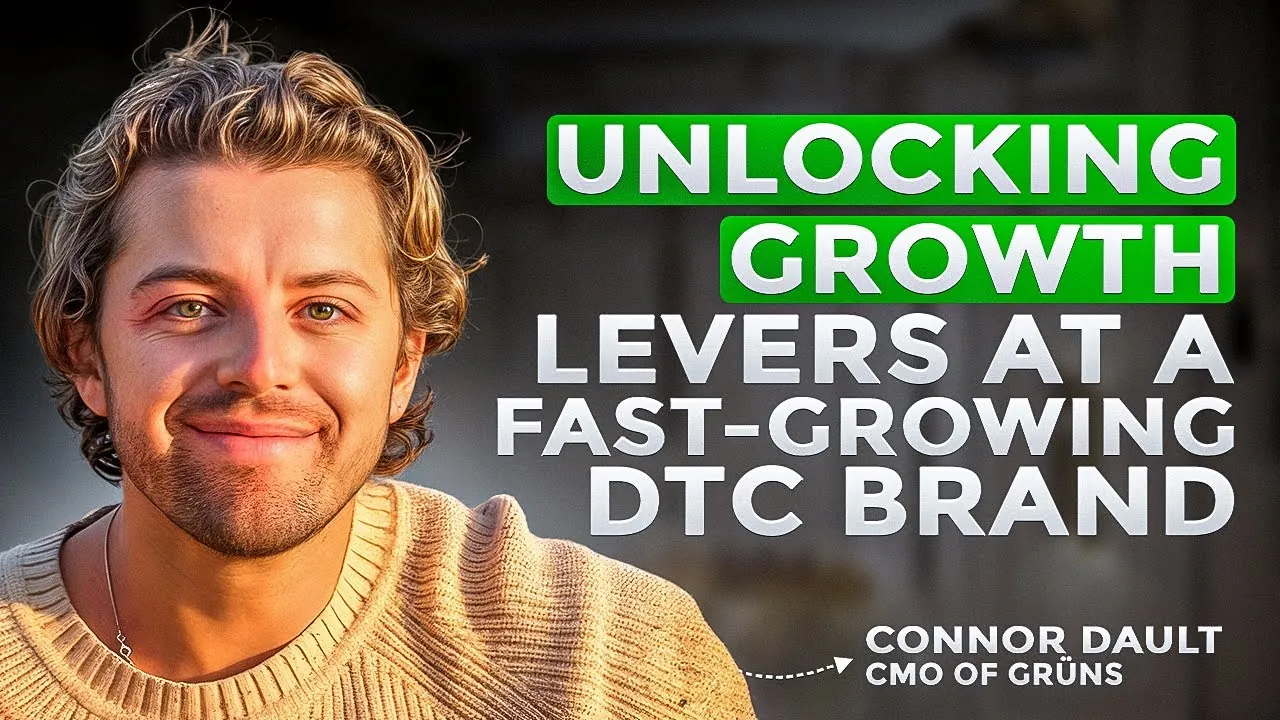
- Grüns CMO Connor Dault frames the whole point as one question, how do partnerships reach audiences the brand doesn't have yet?
What it produced
- Engine's relaunch pulled 510,742 total impressions, 2.3 times what the campaign had projected.
- The paid media Engine built from that creator content brought 11.7 million impressions and 773 signups at $51.75 each.
13. Give the old link months to fade
Let the old and new links run side by side for a while, instead of forcing every creator onto the new one overnight.
89 of AG1's 90 YouTube placements in Jan-Mar 2023 still linked athleticgreens.com, and by Jul-Sep 2023 153 of 161 linked drinkag1.com, the switch running across two full quarters.
Counted in our own data, 16 Sep 2026
14. Check you haven't dropped your old niche
Check your own numbers before assuming a reposition means you dropped the old niche.
Fitness, sports and health deals were 13 of AG1's 108 niche-tagged deals in 2023, 28 of 193 in 2024 and 98 of 364 in 2025; our data does not show AG1 moving away from fitness creators.
Counted in our own data, 24 Sep 2026
15. Force paid media to catch up
Force paid media to catch up to what your creators already proved works.
Meta and TikTok keep serving the audience they already know.
2 brands did this, none with their own number.
Who did it
- Jones Road CEO Cody Plofker forced Meta spend onto a different age group in a holdout test, at the same efficiency as usual.
- Innocent Drinks' Annie pushed hard for its first-ever paid deals with creators, testing them against paid ads to reach new audiences, and they performed really well.
16. Check whether the new segment bought
Check whether the new segment actually bought, not just watched.
Views and impressions are not customers.
We're fairly sure, 4 brands did this, and 1 has its own number.
These are the brands that did it.
- AG1 saw the flip, its CEO Kat Cole says new-customer acquisition has skewed female the last few years, reversing a male skew from five years earlier.
- Victoria's Secret saw the growth, CEO Hillary Super says new-customer growth is particularly strong among 18 to 24 year olds.
- Stanley saw it in revenue, which jumped from $73 million in 2019 to $194 million in 2021, more than doubling in two years.
Here's what it produced.
- Dunkin' saw the sales, hundreds of thousands of Charli's drink were sold in its first five days.
- Dunkin' also saw it in downloads, a 57% jump in app downloads the day the campaign launched versus its usual 90-day average, a daily record.
After a repositioning, are creators how a brand reaches the new audience?
Our verdict is partly.
The line we tested is to target a new segment of people after a brand repositioning, like Athletic Greens becoming AG1 and expanding from targeting athletes to everyday people.
Here's what operators say.
- Under Armour uses partnerships to reach new segments, especially a younger one. Youth Sports Business Report, 7:03
- Grüns frames partnerships as the way to reach new audiences. Connor Dault, Grüns, 0:00
- Innocent Drinks had never paid creators, tried it to reach new people against its paid ads, and it performed really well. PrettyGreen, 15:18
Here's what our data says.
- AG1's YouTube creators grew across the Athletic Greens to AG1 rename, 138 creators in 2022, 317 in 2023, 394 in 2025, and the name changed on the videos in 2023 (212 Athletic Greens videos in 2022, 321 AG1 videos in 2023).
- The athletes to everyday people shift doesn't show up. Of AG1 videos whose channel has a niche on file, fitness, sports and health were 12% in 2023, 27% in 2025 and 13% in 2026. We have no niche on file for any channel before 2023, so we can't see the mix before the rename.
The verdict is partly because creators are used to reach new people, and AG1's creator count nearly tripled around the rename. But the one example we use, athletes to everyday people, isn't visible in who AG1 actually booked.
The line we'd suggest is to target a new segment after a repositioning by booking creators whose audience IS that segment, like AG1 going from 138 creators on YouTube in 2022 to 394 in 2025 around its rename.
Bet big on a celebrity that pays off
17. Decide fee or equity before you ask
If a celebrity-tier name's fee is out of reach, work out the equity trade you would actually offer before you approach them.
1 of our 62 recorded sales calls raises this problem.
Counted in our own data, 24 Sep 2026
18. Decide the celebrity's job before you shop
Choose the anchor by authenticity, not reach, and decide their job before you spend, as one operator did before backing a deal with $2 million.
We're less sure here, 1 brand did this, and none has its own number.
This is the brand that did it.
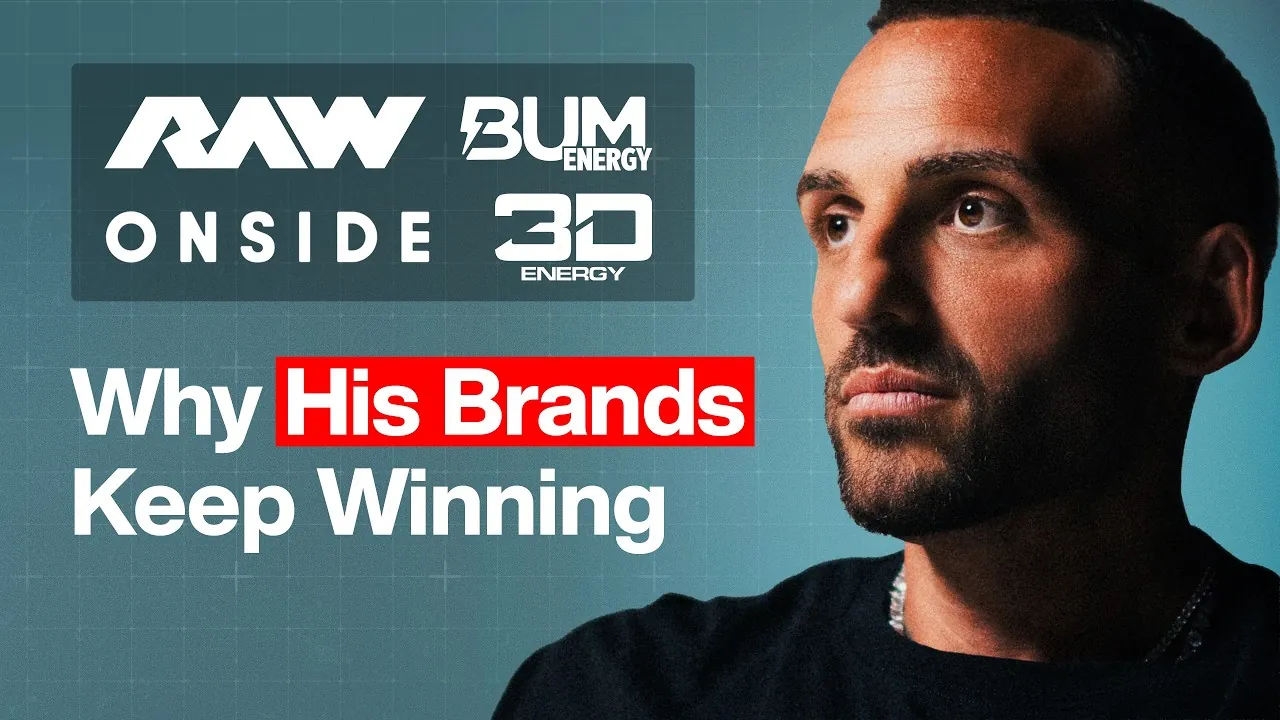
- Raw Nutrition ran the $2M test, its CEO Dom Iacovone says he decided what a celebrity had to do before backing the deal with $2 million.
- Before Chris signed with Raw Nutrition, other creators were asking the brand for $6,000-$10,000 a month with no anchor behind the brand.
19. Start with people already using your product
Check your own customers and followers first, since the tools exist to find who already buys from you or follows the brand.
We're fairly sure, 4 brands did this, and none has its own number.
These are the brands that did it.
- Manscaped's social lead says they look first for people who are already customers or have experience with the brand.
- Alo Yoga's global marketing head says most ambassadors are organic, people who already love and wear the brand.
- Koia checks before any deal, its co-founder says Chris Paul's team was checked for prior organic use, already drinking and posting about the product before any deal existed.
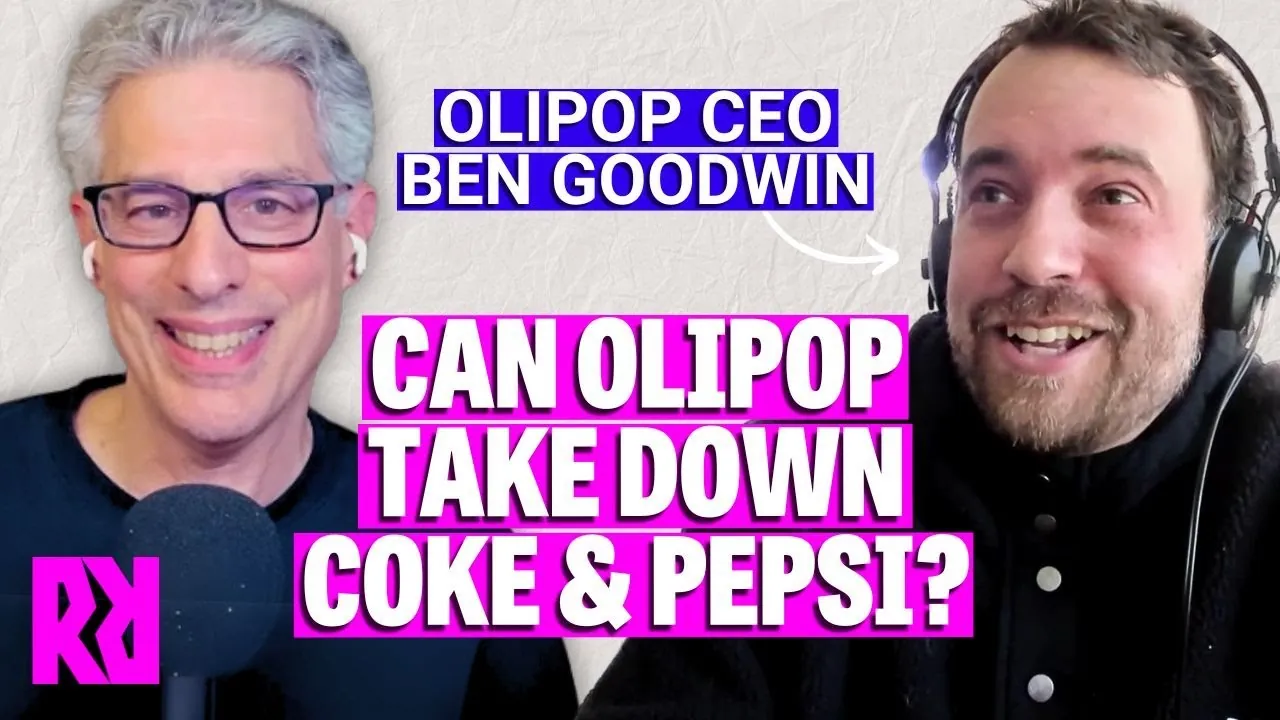
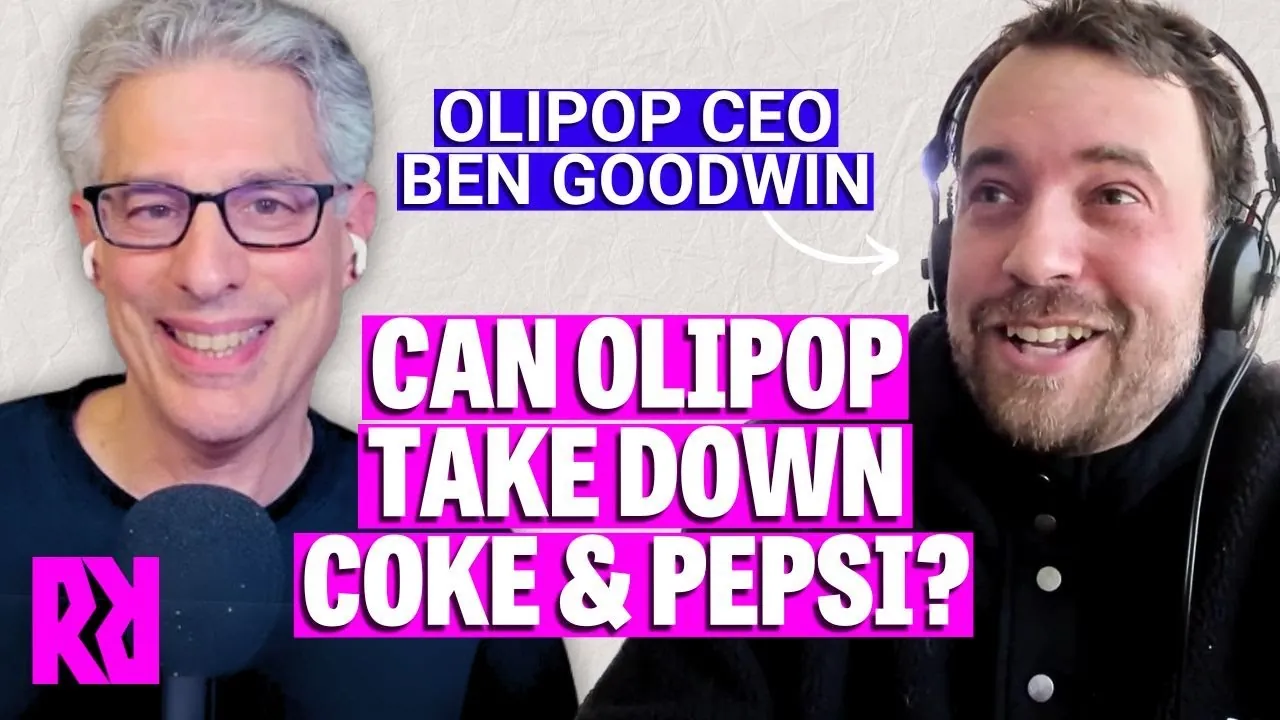
- Olipop found its closest celebrity relationship by a photo, its CEO says it started after she was photographed drinking the product, before any outreach happened.
20. Check the refusal record before signing anyone
Check what a name has turned down, not just their reach, since a refusal record is proof and free samples are not.
We're fairly sure, 2 brands did this and 1 has its own number, though 2 sources argue against it.
These are the brands that did it.
- Nike's payoff is Jordan Brand, its strongest division with a 6% sales gain to $7 billion, and it has doubled since 2020.
- Adidas & Yeezy is where it failed, Adidas said dropping Kanye West from the Yeezy deal could cost it more than $1 billion in sales.
- Raw Nutrition ran the refusal test, Dom Iacovone says Chris turned down three, four, five million-dollar deals and a $300k-a-month cash offer that did not fit the brand.
- The opposite is unsigned interest, Jackie Fast says interest with no signed contract means little, since the fall-through chance on unsigned interest is 99.9%, from tens of thousands of samples.
Here's what it produced.
- Jordan's own payoff is an estimated $250 million a year from Nike and $2.7 billion in career earnings, the highest-paid athlete ever.
21. Structure fee, equity and exclusivity before signing
Decide the mix of fee, equity and exclusivity before you sign, since bringing a celebrity on after the business exists is the shape most likely to fail.
We're fairly sure, 3 brands did this and 2 have their own number, though 1 source argues against it.
These are the brands that did it.
- Casamigos used an earnout, Diageo valued it at up to $1 billion, with $700 million paid upfront and $300 million more tied to results over 10 years.
- Alkaline88 paid cash plus shares, O'Neal's endorsement deal with Alkaline Water paid $3 million cash over three years, plus company shares that vest over the term.
- BUM Energy made him an owner, not a spokesperson, analyst Joshua Schall says Chris Bumstead is an equity owner, face of the brand and partial namesake of BUM Energy, not a hired spokesperson.
- Ridge used the risky shape, one Operators Podcast panelist says bringing a celebrity on after the business exists, the shape Ridge used with Marquez, fails most often.
22. Force ongoing content, not one shoot a year
Build the deal so the celebrity keeps posting after launch, since one shoot a year with no real involvement is the failure named again and again.
We're not sure anyone gets this right, no brand we hold did this well, and 3 sources show it failing.
These are the ones who saw it fail.
- One Operators Podcast panelist says failed celebrity brands do one shoot a year, get a handful of assets, then the person is gone.
- A VC who backs celebrity brands says a co-founder posts two or three times, then goes quiet, leaving an unmotivated celebrity and an unhappy founder.
- Neuro Gum's co-founder says bringing on a name gets very expensive if that person is not talking about the product authentically.
23. Use the anchor to cut everyone else's rate
Let the anchor's signing reset the market, since the same creators who first asked $6,000-$10,000 a month came back offering $2,500-$3,000.
How sure are we? 2 brands did this, none with their own number.
Who did it?
- At Raw Nutrition, Dom Iacovone says the same influencers who wanted $6,000-$10,000 a month came back offering $2,500-$3,000 once the anchor signed.
- Cadence's marketing head says top-tier athlete association built enough prestige that creators wanted to be part of the brand once outreach began.
24. Do not expect the payoff to go public
Track the deal yourself after signing, since almost none of these numbers get published on their own.
As of August 2026, of the 475 celebrity deals we hold, only 2 carry a dollar figure, Clooney's $40 million Nespresso deal and Idris Elba's $24 million Huel round.
Counted in our own data, 10 Aug 2026
25. Grade every number by how sure you are
Treat a press estimate as a press estimate, and save full trust for a filed contract or a court record.
As of August 2026, of the 64 celebrity partnerships on our own sheet, only 4 are graded a filed contract or a court record; the rest are press estimates.
Counted in our own data, 14 Aug 2026
26. Measure the payoff and what a miss costs
Check the numbers after the deal runs, since Kobe Bryant's early BodyArmor stake and the brand's own write-down afterward sit on the very same product.
How sure are we? 2 brands did this, 1 with its own number, 3 sources against.
Who did it?
- Kobe Bryant invested in BodyArmor in 2014 for more than 10% ownership, and his estate received an estimated $400 million when it sold.
- After Coca-Cola paid $5.6 billion for the rest of BodyArmor, it wrote down $760 million in 2024 and $960 million more, $1.72 billion total.
- Papa John's own release says it sold more than 3 million Shaq-a-Roni pizzas in 2021 and raised more than $3 million for its foundation.
- Flo Rida was awarded $82.6 million by a jury after he sued Celsius energy drinks.
What did it produce?
- The BodyArmor write-downs also cut Coca-Cola's North American operating income by 65%.
Does a vetted celebrity who really uses the product pay off?
The verdict is partly.
The line we tested was Secure a celebrity with the highest chance of paying off on a large investment. Ex. Nike & Michael Jordan created billions in value, while Adidas & Yeezy lost billions after improper vetting.
What do operators say?
- Cymbiotika says every celebrity posting for it or invested in it used its products first. Cymbiotika, 21:06
- Olipop found its celebrity partner because she kept being photographed drinking it. Olipop, 12:15
- Liquid Death looks for people who truly love the brand, and that's why they invest. Liquid Death, 54:25
- Neuro Gum only took on people who were fans of the product, and warns it gets very expensive when they aren't. Neuro Gum, 31:26
- The failure people describe is a celebrity made co-founder who posts 2 or 3 times and nothing happens. Shelf Space, 38:44
What does our data say?
- We hold 447 celebrity deals on file, across 390 people and 171 brands, and only 2 carry a deal value, so the table says who signed and never whether it worked.
- Of the 7 deals we followed from problem to result, BodyArmor was the biggest celebrity spend and the worst result, $1.72bn written off over 2 years. Electrolit took share with almost no celebrity spend. Johnnie Walker has the only clean positive number, and its owner credits 2 countries for it. In all 7, a celebrity added to the result but caused none of them.
Why partly? The brands that do well with a celebrity say they picked someone who already used the product, and nobody describes a real user failing. But no brand shows the payoff in numbers, and the failure they describe is a celebrity who stops posting, which vetting alone doesn't fix.
The suggested line is Secure a celebrity with the highest chance of paying off, one who already uses the product, on terms that keep them posting. Ex. Cymbiotika only works with celebrities who used its products first.
Expand into a new country with local creators
27. Line up local creators before naming a country
Before you name your next country, line up a local creator there, not just a big name still stalling you.
3 of our 62 recorded sales calls raise this problem.
Counted in our own data, 24 Sep 2026
28. Test one country with local creators first
Test a new country with local creators before wider marketing or a retail deal.
Why now? Sending creators first proves it works before you spend more.
How sure are we? 2 brands did this, none with their own number.
Who did it?
- The Wild always sends an influencer first to test a new market, then expands into wider marketing and retail once that influencer does well.
- Before its own European launch that fall, Jones Road Beauty asked the brands already running internationally, HexClad and Ridge, rather than guessing.
29. Pick local creators the audience trusts
Sign a local face the audience already trusts there, not a face flown in from home.
How sure are we? 2 brands did this, none with their own number.
Who did it?
- Instead of reusing a US name, HexClad looked for a flagship local creator for Japan and picked an up-and-coming Japanese chef.
- Celsius's UK marketing head named four UK athletes, Declan Rice, Georgia Stanway, Rhasidat Adeleke and Tom Curry, tied to the UK expansion.
30. Localise your story, language and funnel too
Fix the words and the buying path for that country too, or the local face is just fronting a foreign funnel.
How sure are we? 1 brand did this, none with its own number.
Who did it?
- Jones Road Beauty is rolling out translations market by market inside the EU, starting with Germany, then French Canadian after Canada's own success.
- A literal machine translation into German read as foreign to a native speaker, so Jones Road Beauty added a local-language speaker to the process.
- One panelist says a new influencer reaches a new audience the same way a new language does, and neither works until you speak to that audience directly.
31. Line up a local distribution or retail partner
Sign a local distribution or retail partner before you ask a local creator push to carry real sales.
Creators can't sell what shoppers can't buy nearby.
2 brands did this, 1 with its own number.
Who did it
- Celsius picked Suntory Beverage & Food Great Britain and Ireland as its exclusive UK and Ireland sales and distribution partner.
- Rhode needed a retail partner with global reach like Sephora before pushing further into the UK, a market it already knew online.
- Celsius expanded its existing PepsiCo distribution agreement, begun in the United States in 2022, to include Canada.
- Celsius also picked Suntory Oceania as its exclusive manufacturing, sales and distribution partner for Australia and New Zealand.
What it produced
- Celsius's international revenue hit $47.5 million in the first half of 2025, up 33% year over year, including in the UK.
- Rhode's Lemontini campaign, timed with new European market launches, became one of its highest revenue days in company history.
- Rhode's Sephora UK debut brought the highest number of customer sign-ups ever for a brand launch there.
32. Scale the creators and markets that worked
Put bigger deals behind the creators already proving out, and name your next countries off real signal, not a guess.
2 brands did this, none with their own number.
Who did it
- Beyond one local test, HexClad is working a bigger deal with an internationally appealing creator, covering YouTube integrations plus ad rights across several countries.
- Even with more international demand on the table, Rhode is deliberately taking it one place and territory at a time.
33. Measure and budget spend country by country
Read and set ad spend and CPA targets per country, because one global number hides which markets are still worth pushing.
No brand we hold did this well, and 0 sources show it failing.
Who did it
- Once a country's core audience is bought out at its target CPA, one panelist shifts their budget to the next country, in their case the Netherlands.
- One panelist's advice is to launch untapped-language ads rather than squeeze another 10% out of an already-tapped audience, since CPA drops almost instantly on audiences nobody has tapped.
Do local creators speed up a launch in a new country?
The verdict is partly.
The line we tested was "Expand from North America into Europe, Asia. Ex. Celsius expanding from the U.S. into the U.K. and using local U.K. influencers to speed up growth and sales."
What operators say
- The Wild always sent creators into a new market first, and only moved into wider marketing and retail there if the creators did well. PrettyGreen, 2:52
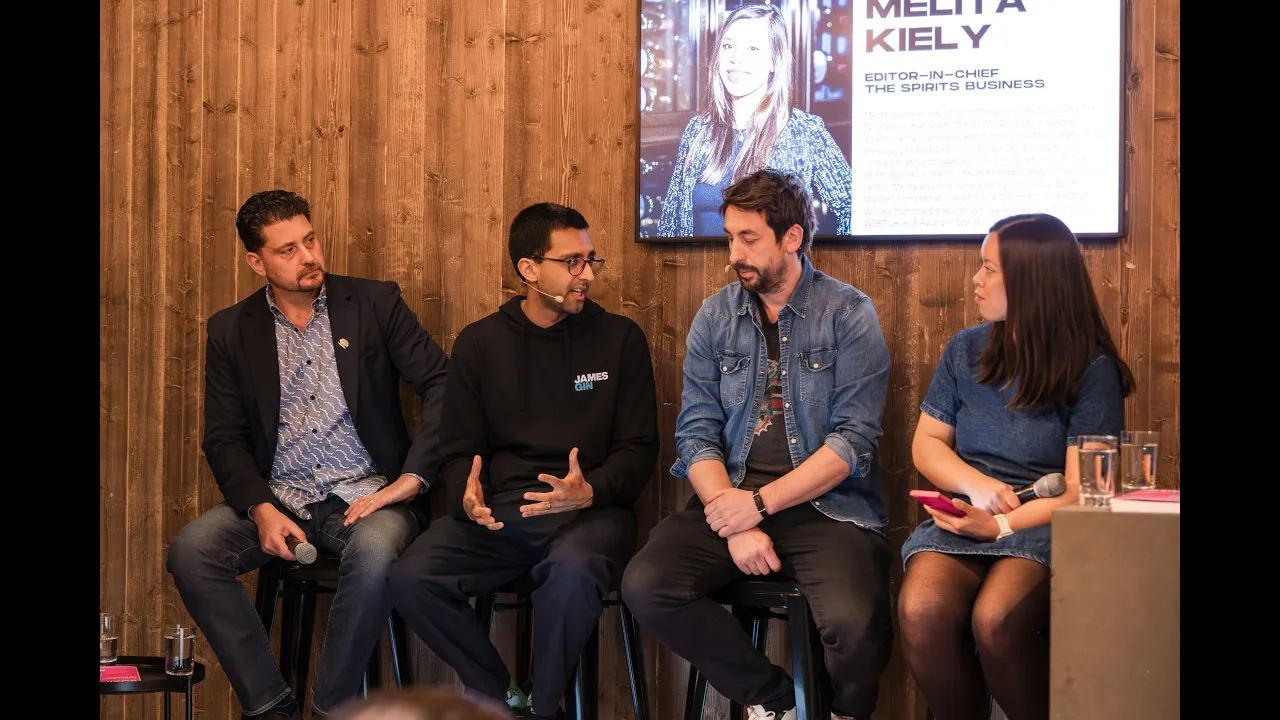
- Another brand's plan in any new market is to reach the people who shape local culture, not the ones who sell posts. The Spirits Business, 38:22
- A third says it wants flagship creators to open up each new country, and that it hasn't done this well yet. Marketing Operators, 1:02:59
What our data says
- We see 12 Celsius videos on YouTube in total, so the Celsius U.K. example can't be checked with our data.
The strongest version isn't "creators speed up a launch", it's that creators are the cheap TEST of a country before a brand commits, and nobody gave a speed or sales number.
The suggested line is "Expand from North America into Europe and Asia, by testing each new country with local creators before committing budget to it."
Build a community your creators want to join
34. See if cold outreach alone is failing you
Check your last batch of cold outreach, because messaging a lot of creators to close only a few is a community problem, not an outreach problem.
2 of our 62 recorded sales calls raise this problem.
Counted in our own data, 24 Sep 2026
35. Don't build this if repeat deals already work
Check your own re-book rate on plain affiliate deals before you build a single tier or Discord.
Squarespace re-books 86.1% of 958 creators, 825 of them across 7,551 videos, off a plain affiliate programme with no Discord, no tiers and no community at all.
Counted in our own data, 24 Sep 2026
36. Make new creators earn their way in
Send one standout box that makes other creators jealous, and only let people into the group once they have earned it.
1 brand did this, none with its own number, and 1 source against.
Who did it
- SugarBearHair's founder sent the nicest box to make other influencers jealous, and access to the group had to be earned, not just given.
- Mass sampling failed, as 5,000 free samples sent out got 5 responses and 5 videos, made $20,000 on TikTok, then stalled with no way to scale it.
37. Put every new creator through a graded course
Record one orientation, track who actually finishes it, then quiz them before they represent you.
2 brands did this, 1 with its own number.
Who did it
- Every new Neuro Gum creator sits through a recorded three-hour orientation on video, and the brand tracks whether they actually went through it.
- Seed's graded course is a 59-minute Instagram Stories course covering 6 subjects, from the microbiome to FTC rules, before a 10-question final exam.
- Watching the video is not enough, so Neuro Gum's brand manager personally quizzes every creator with specific questions to confirm they understood it.
- Nearly 1,700 people registered for Seed University and only 100 to 200 are accepted, so the course doubles as the filter.
38. Put your founders inside the community too
Put your own staff inside the group too, talking to creators directly.
2 brands did this, 1 with its own number.
Who did it
- As Neuro Gum's CEO, Kent runs a quarterly Zoom with creators to transfer company culture, the connection he says brands stuck at 100K a month lack.
- Mad Rabbit has a full-time community manager who moderates the Discord, writes the ambassador challenges and engages with creators every day, so it's not left to a founder alone.
- At Neuro Gum, the head of growth and the brand manager are both personally inside the creator Discord, talking with creators directly.
39. Grow paid-creator loyalty, not just headcount
Track the re-book rate on your paid creators separately from your community's headcount, because they are not the same number.
Red Bull's Student Marketeer programme, the biggest named community we hold at 4,000+ people, has one of the worst measured re-book rates on paid creators at 14%, second only to Bumble.
Counted in our own data, 14 Sep 2026
40. Set a bar, then give creators tiers
Set a clear bar to get in, then split members into tiers they can climb.
2 brands did this, 2 with their own number.
Who did it
- Neuro Gum started at 500 people with a GMV goal to avoid getting kicked out, and is now split into tier one, two and three.
- Lululemon's written bar says you must live in the U.S. or Canada and have at least 3,000 followers on one channel before you can even apply.
- At Neuro Gum, the Discord and tier system exist so creators understand exactly how to move up and work better with the brand.
41. Hire someone to teach your creators
Hire a person whose only job is teaching new creators, before you sign more than you can train.
1 brand did this, none with its own number, and 1 source went against it.
Who did it
- Raw Nutrition brought in Isabel specifically to run a whole education series for the brand's own athletes.
- Clean Skin Club is where it failed, signing so many ambassadors so fast that the brand could not teach them the backstory or how to talk about the product.
- Raw Nutrition brought Christian on board to show new athletes and influencers how not to sell out.
42. Make the top prize rare and visible
Give the biggest reward to only a few creators, and make it public so everyone can see.
3 brands did this, 2 with their own number.
Who did it
- At Neuro Gum, only some creators, not all of them, went up on a Times Square billboard in December for the whole world to see.
- SugarBearHair flew select creators inside the group to Coachella to mix with celebrities, and to Florida, building loyalty through the culture.
- Gymshark picks 1 Official Gymshark Athlete each year through public competition, and the winner gets a year of gear, LIFT events, a photoshoot and a free gym membership.
What it produced
- One creator rode the Times Square hype the brand had built and made $250,000 in one day.
43. Let creators share what is working now
Write down whatever hooks are working right now and hand them straight to every creator.
2 brands did this, 1 with its own number.
Who did it
- At Neuro Gum, whatever hooks are currently working get written into the same orientation sheet on Notion and passed to every creator.
- Another brand pushes what works to affiliates through creator calls and its own Discord, the same shared-hooks idea.
- Neuro Gum's affiliate army grew to 25,000 plus creators, producing millions of content iterations a month to see what is working.
What it produced
- Neuro Gum reached 13% awareness across the entire United States, about one in seven people.
- Neuro Gum became a top 50 health and household product on Amazon, number one in its category, selling more than 5-hour Energy.
44. Shift pay to commission as trust grows
Move your strongest affiliates onto a flat retainer, and on repeat-purchase products pay a high commission on the first sale.
1 brand did this, none with its own number.
Who did it
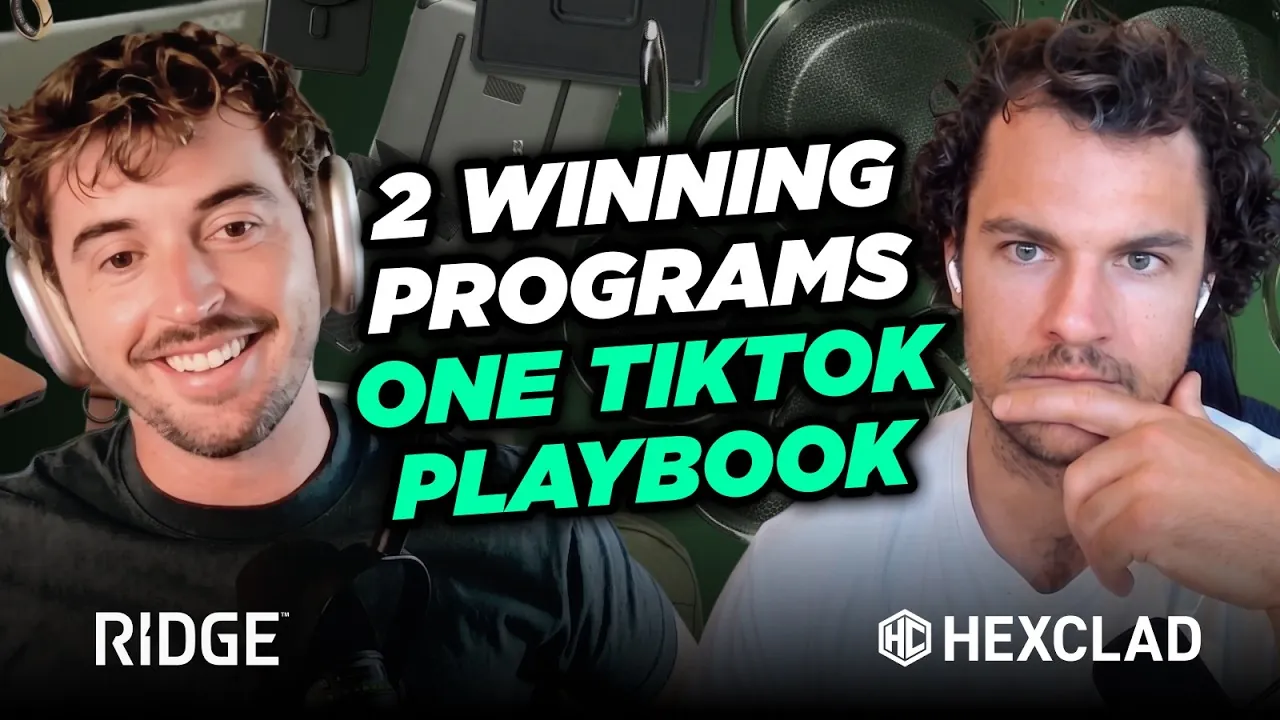
- For Ridge & HexClad, one Marketing Operators host says strong affiliates get rolled onto a flat rate retainer covering a few dozen videos a month.
- For Ridge & HexClad, one Marketing Operators host says a $50 consumable can afford a very high first-order commission, since the customer buys five more times a year.
Does booking the same creators again beat one-off videos?
The verdict is that it holds.
The line we tested is a common belief, not in the tab, that one-off sponsored videos are how influencer marketing is bought.
What operators say
- A brand signs ambassadors for a year, like an employee. Common Thread Collective, 25:54
- Another moves a creator who performs onto a monthly deal, because creators value knowing what's coming. Marketing Operators, 1:01:29
- HopWtr gives its bigger ambassadors equity. Jordan Bass, HopWtr, 17:21
- Neuro Gum would rather put $5,000 into a retainer for 10 to 20 all-stars than spread it across one-offs. Neuro Gum, 31:25
What our data says
- The typical brand with 30 or more sponsored videos books 45.7% of its creators again, and 1,100 of 3,005 brands book more than half again.
- The brand with the most repeat bookings on YouTube, Squarespace, has 825 creators on more than one video.
The verdict holds because everyone who talks about it moves the creators who perform onto a longer deal, and the typical brand re-books close to half its creators. Nobody argued for one-offs as the better buy.
Is a creator's audience used up after 3 months?
The verdict is that it fails.
The line we tested is churning through creators once their audience is saturated three months in.
What operators say
- A brand says the longer the better, since fatigue comes, but not in 3 to 6 months. PrettyGreen, 6:58
- Another runs talent for a season or 3 months and then rotates, to get past creators getting bored after month 6. Ben Acott, 0:00
- And one names the law of diminishing influence, where the more brands a creator sells, the less each one gets. Starting Small, 35:11
What our data says
- 28,917 creator and brand pairs have 4 or more sponsored videos together, and 87% of them ran longer than 3 months, 48% longer than a year, with the typical run at 344 days.
- Later reads do draw fewer views. Among 2,676 pairs with 6 or more reads, all at least 6 months old, reads 4 onward drew 81% of the views of the first 3, and in 35% of the pairs they drew as many or more. Pairs that stopped early aren't in this, so the real drop may be bigger.
Brands keep creators for about a year, not 3 months, and reads do lose about a fifth of their views after the first few, so fatigue is real, but slow.
The suggested line is "Churning through creators once their audience wears out. Later reads draw about a fifth fewer views, but brands keep a creator for about a year, not 3 months."
Does a creator community keep creators posting beyond what paid deals get?
The verdict is Partly.
The line we tested is "Build real relationships with influencers and develop an influencer community. Ex. Nutrafol building a community of science-backed influencers, NeuroGum and Discord groups."
What operators say
- NeuroGum runs its own channel for its creators. Neuro Gum, 51:31
- A brand coaches its affiliates on community calls in Discord, showing what a winning ad looks like. Marketing Operators, 28:54
- Another brand has a full-time community manager writing challenges for its ambassadors. Open Residency, 58:38
- Jones Road briefs its affiliates in creator calls and in Discord. Jonesroadbeauty, 26:17
What our data says
- The highest re-booking among big brands comes with no community, since Squarespace booked 825 of its 958 YouTube creators more than once (86.1%).
- Across 3,005 brands with 30 or more sponsored videos, the typical brand books 45.7% of its creators more than once. AG1 is at 33.7% of 1,108 creators and Nutrafol at 40.9% of 132, both under the typical brand, even with Nutrafol's creator community.
The brands that run a community use it to coach their creators, and that's real. But a community isn't what keeps creators coming back in our data, a plain standing deal does it better at the biggest scale.
The suggested line is "Build real relationships with influencers through a standing deal they can count on, and use a community to coach them on what's working. Ex. Squarespace re-books 86.1% of its 958 creators, NeuroGum coaches its creators in its own channel."
Take over one city before you repeat it
45. Check if you still lack a local base
Check your last batch of cold outreach, because no local club or dinner to fall back on is a city problem, not an outreach problem.
1 of our 62 recorded sales calls raises this problem.
Counted in our own data, 24 Sep 2026
46. Pick one city where your buyers already are
Pick one city where your buyers and creators already are, not the whole country at once.
2 brands did this, none with their own number.
Who did it
- Gymshark started in its own hometown Birmingham, launching the first 'We Lift The City' event there in May 2018.
- One YouTube channel's telling of Rockstar's rise says Rockstar Energy gained traction one store and one city at a time.
47. Sponsor clubs that already fill a room
Sponsor the local run clubs and community groups already filling a room every week, before building an audience from zero.
7 brands did this, none with their own number.
Who did it
- Venice Run Club's anniversary run drew sponsors at once, On, Electrolit, Shokz, Oakley, Levain Bakery, Creamy Boys and Wild Fork.
- Propel built a branded Hydration Hub into Koreatown Run Club's own relay, rather than running a standalone brand event.
- On's Athlete Partnerships Manager says On works through its own ambassadors already inside run clubs, rather than building a club from scratch.
- Gymshark runs a weekly outdoor 5K with pacers through Gymshark x Gymbox Run Club, hosted on the gym's own site.
- Planet Fitness's own CMO says franchisees fund local marketing market by market, so the brand becomes ingrained in each community.
- Diplo's Run Club sold 100,000 tickets across 10 events, including 5K run-and-raves in Miami and Phoenix.
What it produced
- Diplo's own co-manager told Billboard the Whoop ambassador deal, alongside Cristiano Ronaldo, would probably not have happened without the run clubs.
48. Host or co-host one creator dinner
Host one creator dinner before you launch anything.
It's worth doing now, since one founder says host it before a campaign, not as a thank-you after.
3 brands did this, none with their own number.
Who did it
- Apollo.io brought 30 of its program's creators together for one dinner, after months of them showing up in each other's feeds online.
- Glossier ran a perfume-themed dinner hosted by Into the Gloss as a stealth event for its new fragrance, You Soie, without showing itself.
What it produced
- One Pureology dinner drew 27 influencers, 90% of target, and made 158 pieces of content and 20.2M impressions against a 374K goal.
- The same Apollo.io program's gifting, with no posting obligation, produced 41 posts and 171K views at zero creator spend.
49. Run one pop-up before the bigger moment
Run one pop-up or one-day event in the city, giving creators something real to film.
4 brands did this, 1 with its own number.
Who did it
- Lively's founder ran pop-ups city by city by city, the exact same mechanism she says built the brand's ambassador base.
- RYZE took a coffee truck to seven pop-up events, and its own tour agency reports 8.8 million views from the tour.
- Tatcha built its first pop-up and saw over 9 million social media impressions from it.
- LYMA's own founder points to SoulCycle events across the US and London as proof of appetite for the brand.
What it produced
- The same city-by-city pop-ups gained Lively 165,000 brand ambassadors, over 500 different events in year one alone.
- More than 1,500 riders attended the LYMA event, with LYMA running its own branded bars and on-bike gifting.
50. Sign local creators as a reason to return
Sign local creators as a standing reason for the room to keep coming back to you.
1 brand did this, and 1 has its own number.
Here's who did it.
- Gymshark, in its own words, sent free stringers like fan mail to the bodybuilders it admired, hoping they would like them.
Here's what it produced.
- Gymshark credits the creators it had gifted product to for going from £300 a day to £30,000 in 30 minutes.
51. Put one dated PR moment on the calendar
Put one dated PR moment on the calendar, like an expo booth, a store opening or a same-day multi-city ride.
3 brands did this, and 1 has its own number.
Here's who did it.
- Gymshark treated one expo booth opening on one Friday morning, 10am at the NEC Birmingham, as its whole PR moment, not a multi-week push.
- Peloton used a single showroom launch release to announce 10 more showrooms coming in the next 12-18 months.
- Celsius marked its SoulCycle partnership with 20 featured rides on one day across New York, Chicago, Miami and Los Angeles.
- An outside channel's account says Gymshark put its whole bank account into securing one expo booth space the following year.
52. Measure the city, then repeat it
Track your own sales, events and content for this city, then repeat the same playbook in the next one.
5 brands did this, and 3 have their own number.
Here's who did it.
- After Birmingham, Gymshark lifted Dublin, then Toronto, then Frankfurt, then Houston, then Amsterdam, repeating the same event each time.
- Puresport's founder says the London stop of its run tour beat even its own hometown turnout in Manchester.
- Diplo's Run Club is expanding its run clubs to Chicago, Denver, Toronto and Mexico City next, then Europe further out.
- IM8's own CEO says the brand ran more than 100 offline events in 20 months, calling that rare for the supplement category.
Here's what it produced.
- Walmart grew from one store in 1962 to more than 10,000 retail units by 2011.
- Puresport's four-city UK tour, Glasgow then Manchester then Birmingham then London, drew over 1,000 people across the 4 days.
- IM8's own CEO says acquisition cost fell from $305 to $301 as spend doubled, a company-wide figure, not one city's result.
Does winning one city at a time build a brand faster?
The verdict is can't test.
The line we tested is city by city domination, for example local influencer events, creator dinners, partnerships with clubs, committees and groups, and PR stunts.
Here's what operators say.
- Celsius takes requests for local events and charities through its site. Celsius, 23:46
Here's what our data says.
- We hold 96 brand community events on file across 26 brands, where 19 repeat, 8 are one-off and 37 state any number at all. None states a sales result for the city.
- Nobody among the 677 interviews that talk about cities, events, run clubs or dinners describes growing city by city and what it did.
The verdict stands because nobody gives a result for going city by city, and our event records hold no sales number for a city. It's a tactic worth running, not a proven claim yet, and the way to prove it is to run 1 city against a city where we don't.
Our suggested line is city by city domination, run as a test, with local influencer events, creator dinners and club partnerships in 1 city, measured against a city where we don't run them.
Avoid paying $100+ CPMs
53. Check if you have no CPM ceiling
Check your last few quotes against a written ceiling. Having no ceiling, or one so strict nothing clears it, is a CPM problem, not a creator problem.
2 of our 62 recorded sales calls raise this problem.
Counted in our own data, 24 Sep 2026
54. Check where your quote sits against the market
Compare any quote against our own 686 rate quotes before you accept or reject it.
39.5% of the 686 creator rate quotes we hold clear $100 CPM; the median is $70 and the top tenth starts at $1,062.
Counted in our own data, 11 Sep 2026
55. Set a different ceiling by channel size
Set two ceilings, one for creators under 50,000 subscribers and one for creators above it, not one number for both.
Below 50,000 subscribers, the median ask is $312 CPM and 78.9% clear $100; at 50,000 and up, the median is $55 and 33.6% clear $100.
Counted in our own data, 11 Sep 2026
56. Refresh your CPM number before you quote it
Check the date on whatever CPM number is in your head before you repeat it.
The rate quotes we hold average 114 days old, which is why a remembered number (like Ridge's own '$5, $7 CPMs') goes stale.
Counted in our own data, 11 Sep 2026
57. Pick your CPM ceiling before the first quote
Set a CPM ceiling before you ask anyone their price, and hold to it.
2 brands did this, and 1 has its own number.
Here's who did it.
- HexClad says $50 to $100 CPM adds up to a five-figure deal, and chooses affiliate deals over paying it for YouTube.
- Ridge's founder still cites paying five, seven dollar CPMs, and says the channel is now more expensive and less effective.
58. Pay per view or sale, not flat
Pay each creator on the view, the sale, or a mix, never one flat fee alone.
2 brands did this, and 1 has its own number.
Here's who did it.
- AG1's own affiliate terms let a creator's pay be commission, a flat fee, or a mix, set per creator, not one number for everyone.
- Vetain's founder turned down a 50 to 80 CPM offer for a story because the conversion data didn't back the price.
59. Buy creators as one bundled program
Run many creators through one paid program instead of negotiating each one cold.
2 brands did this, and none has its own number.
Here's who did it.
- Apollo.io ran 124 creators across LinkedIn, Instagram, TikTok, X and YouTube through one pipeline, with every brief, contract and dollar on one system.
- Tabs Chocolate puts creators on retainer with a small CPM bonus on top, instead of pricing every video fresh.
Here's what it produced.
- The bundled program landed at $43 CPM, under the $50 to $90 typical range for LinkedIn B2B influencer deals.
- The same bundled program also delivered 4.8M+ views across 8 platforms in total.
60. Give creators a real reason to stay
Give creators a reason to like the brand, like dinners, an orientation or a personal call, not just a fee.
4 brands did this, 1 has its own number, and 1 source argues against it.
Here's who did it.
- Creatorbuzz brought 30 of Apollo.io's program creators together for a dinner, so people who only knew each other from feeds finally met in person.
- Sundae Creative built an intimate dinner at LYLA Toronto to launch Pureology's Love Luster, blending storytelling and hospitality.
- NeuroGum makes every creator sit through a three-hour orientation every time they join.
- On's own athlete-partnerships lead says a signed athlete stays with the brand largely because of the relationship, not the price.
- Against that, one Marketing Operators guest describes deals as a stated bid, a CPM and a video count, with no relationship at all.
- NeuroGum's co-founder Kent Yoshimura also runs a quarterly call to make each creator feel part of the company, cheaper than a flight and dinner.
Here's what it produced.
- The Pureology dinner produced 158 pieces of content and an estimated 20.2 million impressions, far more than the 374,000 the brand had targeted.
61. Sign one anchor to reset every price
Sign one anchor whose name resets what every other creator thinks the deal is worth.
1 brand did this, and 1 has its own number.
Here's who did it.
- Dom Iacovone says that before Chris signed, other influencers asked Raw Nutrition for $6,000 to $10,000 a month each.
- Dom Iacovone says the same influencers now offer $2,500 a month, wanting to be part of a brand about to be massive.
Here's what it produced.
- Raw Nutrition's anchor was announced right before the Olympia, and its YouTube videos passed a million views as revenue exploded, drawing Vitamin Shoppe's interest.
62. Count relationships, not videos, on your roster
Count how many separate creators you actually pay, not how many videos went out, before you call a roster big.
56.8% of the videos across 98 supplement brands run on one creator's standing code, so counting videos rather than standing arrangements overstates how many separate deals a brand is buying by 2.01x on average.
Counted in our own data, 10 Sep 2026
63. Decide how much you want to rebook
Pick your own target rebook rate on purpose, because brands range from 86.1% down to 33.7%, so it's a choice, not an accident.
Squarespace rebooks 86.1% of its 958 creators; AG1 rebooks 33.7% of 1,108, LMNT 53.3% of 396, BetterHelp 34.6% of 2,830, showing standing relationships are a choice some brands make far more than others.
Counted in our own data, 24 Sep 2026
64. Move proven creators onto a standing deal
Once a creator proves out, lock them into a standing rate or equity instead of re-pricing every video.
2 brands did this, and 2 have their own number.
Here's who did it.
- In 2020 Ridge signed long deals with about 5,000 YouTubers at one fixed $5 CPM plus a free wallet, instead of pricing each one fresh.
- Alex Hormozi pays a promoter 25% of equity up front, 25% on performance and 50% over time, across a four-year term.
65. Expect your top fifth to carry the rest
Expect your best-performing fifth of creators to end up carrying most of your sponsored videos, then cut down toward that on purpose.
Across 3,005 brands, the top fifth of a brand's creators carries a median 60.3% of its sponsored videos; at LMNT it is 71.3%, which is what a brand looks like once it has cut down to the creators who perform.
Counted in our own data, 24 Sep 2026
66. Cut the creators who lose you money
Track results per creator and drop the ones running net negative, no matter how long you've worked together.
1 brand did this, and none has its own number.
Here's who did it.
- FightCamp's founder says a lot of the influencers it worked with were net negative and just didn't work.
- One brand says its ad account now runs the same five to 10 smaller creators again and again because they performed well.
Do smaller creators beat bigger ones for sales per dollar?
The verdict is partly true.
The line we tested is a common belief, not in the tab, that the biggest creators are the best buy.
Here's what operators say.
- HopWtr uses big creators for awareness and small ones for sales. Jordan Bass, HopWtr, 12:18
- Poppi says the smaller creators usually convert the most. Poppi, 39:12
- At Bucked Up, a creator with under 10,000 followers asked to be paid only on sales, and sold as much as the big creators. Bucked Up, 27:00
The verdict is both, for different jobs, big for reach and small for sales, and nobody says the biggest are the best buy per sale.
Do relationships and dinners bring a creator's rate down 5 to 10 times?
The verdict is that it fails as written.
The line we tested says "Avoid paying $100+ CPMs by building relationships with influencers. Hosting creator dinners, getting creators to actually like your brand, and creating goodwill. Building relationships over dinner can reduce rates by 5-10x at the cost of one dinner."
Here's what operators say.
- A buyer on Marketing Operators describes one kind of creator deal as much less about the relationship and more about the bid, the CPM, how many videos, yes or no. Connor, 1:13:11
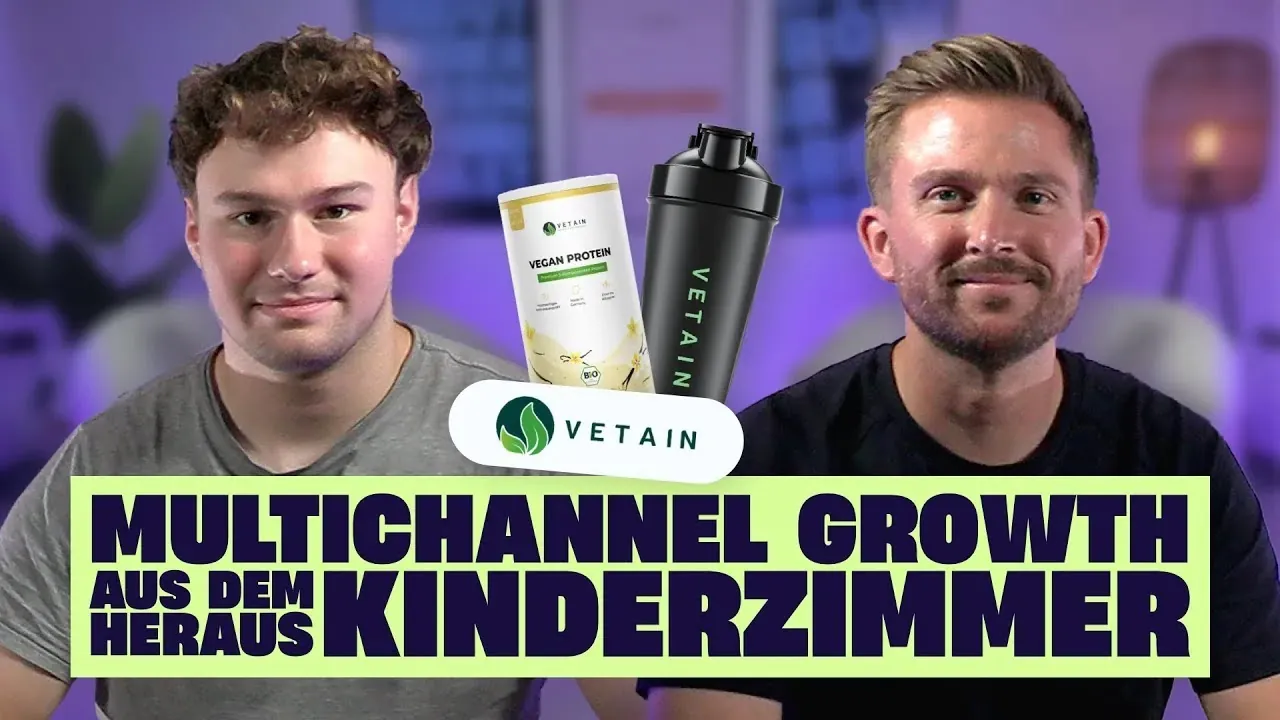
- Vetain turns down CPMs of 50 to 80 for a story when conversion doesn't back them. Vetain, 41:16
- And a brand says its partnerships are largely built on relationships. The Out2Win Pod, 17:29
Here is what our data says.
- Of 686 creator price quotes we hold, 39.5% are over a $100 CPM, so $100+ is normal, not the exception.
- Our own Bum Energy case, $10,000 quoted and $2,500 a few weeks later, is the one example of a rate falling 4 times. No interview describes it.
Rates follow the numbers, views, CPM and conversion, and what a relationship changes is whether a creator says yes, posts and stays. 5 to 10 times cheaper has 1 example, and it's ours.
The line we'd suggest is to avoid paying $100+ CPMs by building relationships with influencers, so they say yes, post more and stay longer. Ex. Bum Energy was quoted $10,000 and weeks later the same creators offered $2,500.
Other claims we tested
Does a standout, personal PR box get creators to post without pay?
The verdict is that it's partly true.
The line we tested is B for Boxes, we send standout, personalized gifts to the right creators, so they notice you and want to be part of what you're building.
Here is what operators say.
- A brand moved to stunt seeding, turning up at creators' houses with mailers. Glossy, 18:17
- Another brand says some creators post and some don't, and it keeps the 3 to 5 that do best. Ecommerce Influence, 21:59
- Another scaled seeding into the thousands of gifts a month, and its Meta ads got cheaper. Marketing Operators, 1:13:37
- And another is blunt that a gift comes with no promise of a post. Raphael Paulin-Daigle | Ecommerce CRO, 13:36
Here is what our data says.
- We don't track who posted after a gift, so a posting rate can't be measured here.
Gifting works as volume with a filter, you send a lot, keep the few who post and do well, and it feeds paid ads. The evidence on personal touches is about outreach messages, not boxes.
Do most creators a brand books not perform, while a few carry the sales?
The verdict is that it holds, but not the 80%.
The lines we tested are "Onboarding creators only to find 80% don't perform" and "A few creators bring in almost all our sales."
Here is what operators say.
- FightCamp's founder says the hit rate isn't high, and a lot of its creators were net negative. Dominic Bouchard, 45:33
- A brand now works over and over with 5 to 10 smaller creators, because they performed. Marketing Operators, 19:58
- Another finds a really strong creator in about every dozen it tries. Marketing Operators, 55:22
- So one operator would rather start with 20 creators than 3, to give it a fair shot. Marketing Operators, 36:32
- Against the grain, an agency got a much higher hit rate once it moved from small creators to larger ones. Reza, 34:21
Here is what our data says.
- At the typical brand, the top fifth of its creators carry 60.3% of its sponsored videos (3,005 brands). Brands put most of their money on a few creators, which is what they'd do if a few carry the sales.
- LMNT leans on a few creators more than AG1 or Nutrafol, as its top fifth carry 71.3% of its videos, against 60.4% at AG1 and 57.4% at Nutrafol.
Operators agree most creators don't work out and a few do, and brands put most of their videos on a few creators. Nobody gives 80%, and "about 1 in 12" is the only rate anyone says out loud.
The line we'd suggest is "Onboarding creators only to find most of them don't perform," since at the typical brand the top fifth of its creators carry 60% of its sponsored videos.
Does one big name make other creators want to work with you for less?
The verdict is that it's partly true.
The line we tested is A for Anchor, we bring on one big name in your space, which makes other creators want to work with you, often for less.
Here is what operators say.
- NeuroGum's version is to put a small group of all-star creators on retainer, and other creators join once they see it working. Neuro Gum, 31:25
- NeuroGum says the retainer itself drew other creators in. Neuro Gum, 13:30
Here is what our data says.
- Nothing we hold links signing one person to other creators' prices. Our own Bum Energy case is the only example.
The pull operators describe comes from creators seeing other creators win, a group of all-stars on retainer, not from 1 celebrity.
Do discount codes show what a creator is worth?
The verdict is that it fails.
The line we tested, a common belief not in the tab, is that discount codes and affiliate links show what creators are worth.
Here is what operators say.
- An agency measured an 18 to 20% lift in other channels from affiliate sales, and the brand raised its payout. Marketing Operators, 1:08:54
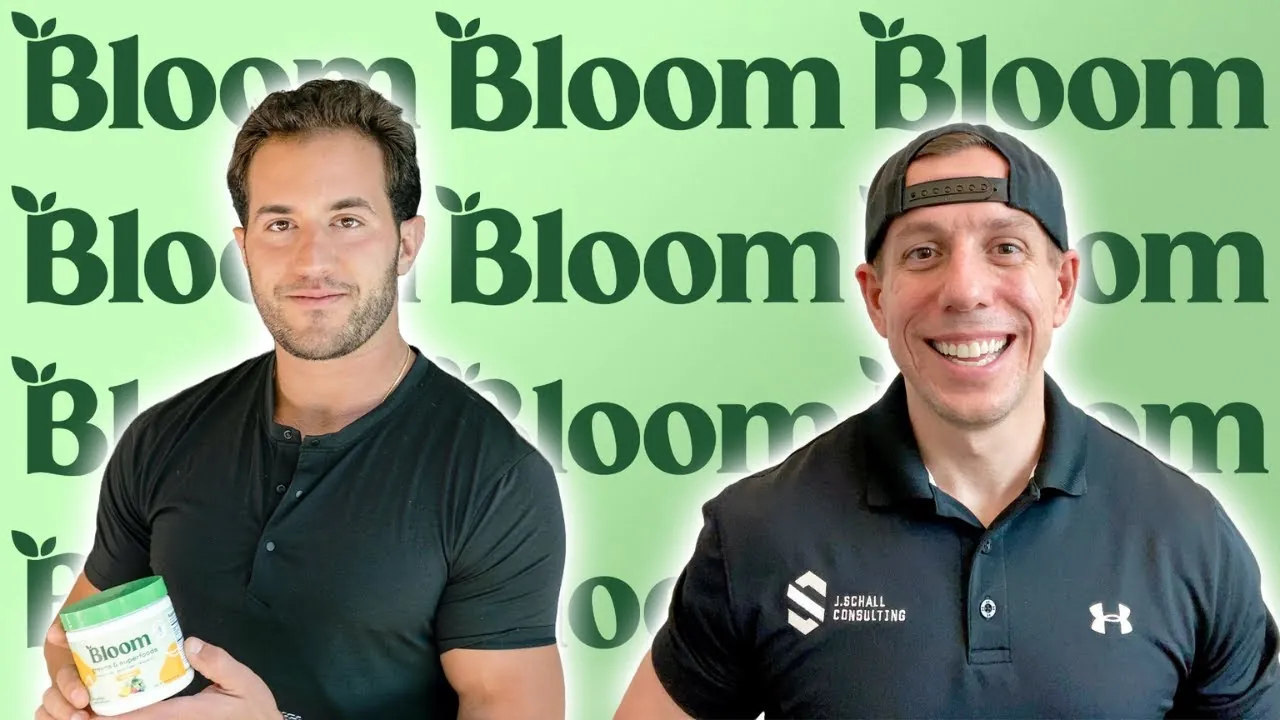
- Bloom Nutrition runs its whole creator program with no codes and no links. Bloom Nutrition, 18:16
Codes catch the buyer who types the code, and operators who measured the rest found sales in other channels on top.
Does most of the return come from running creator content as ads?
The verdict is that it's partly true.
The line we tested is S for Scale, whitelisting, where the creator program becomes the testing ground and paid media becomes the amplifier.
Here is what operators say.
- At Obvi, 75% of its ads were creator content run from the creator's page. Obvi, 10:38
- A brand found its partnership ads about as efficient as its own ads, but reaching more new people. Marketing Operators, 31:06
- An agency says 5 great creator assets to boost beat hundreds of weak ones. Shopify Masters, 5:56
Here is what our data says.
- We hold 1,553 creator ads on file, from 13 brands and 70 creators, and the typical one ran 18 days, 568 ran 30 days or more and 39 ran 90 or more. That shows few creator ads survive long, and it says nothing about the share of return.
Operators treat creator ads as a core lever and say they reach new people. Nobody gives the share of return, and the 90 / 10 HexClad line isn't in our transcripts.
How we tested
Full write-up: the Google Doc
- Written first: every claim got a line saying what would prove it wrong, before any evidence was read.
- Interviews: for each claim we pulled the 220 most relevant passages, 130 to 180 interviews a claim, and read every one looking for a result that says otherwise.
- Links: every line from an interview was checked word for word against the transcript, and links to the second it was said.
- Our data: a video is counted once, a creator is a channel, and our deals table covers YouTube. So a small number means we don't see it. It never means it didn't happen.
- Verdicts: Holds, Partly, Fails, or Can't test. A claim nobody gave a result for can't be marked as proven.