A show from Influencer Advisory

The BrandGrowthPodcast

For the people running influencer marketing inside wellness, beverage and supplement brands.

We sit down with the marketers who have actually run these programs and ask how the work gets done, what it costs, and how they proved it worked. Then we publish the answers, so the next person does not have to guess.

Where this started

A marketer at a Toronto drinks brand told us she turns down GLP-1 money.

That was episode one. Monalisa Maposa runs community and marketing at WakeWater. The cheque clears, the category is close enough that most people would take it, and she says no anyway, because the room she spent two years building would notice.

Nobody writes that down. There are a hundred articles about how to find a creator and almost nothing about the call she made in the ten seconds before she replied.

So we asked her the rest of it. What a relay from Toronto to Blue Mountain costs to put on, about $600 a team, and who really pays. The point where a creator deal stops being a message and needs a real contract, which for her is $1,000. Why she stopped trusting a follower count, and what she watches instead.

Three quarters of an hour later we had answers to things we had been guessing at for a year. That is the whole show.

Why this show exists

Wellness brands already know creators are where their buyers are. What almost nobody knows is how to run it properly.

One creator is easy. Two hundred creators, a real budget, a legal team with an opinion about every line, and a boss asking what came back, that is where it falls apart. And this category has a second problem on top of that one. What a creator is allowed to say about a drink, a powder or a pill is not the same as what they can say about a pair of shoes, so the advice written for everybody else does not fit you.

People will tell you influencer marketing works and show you a nice number at the end. Almost nobody writes down how the work actually gets done, and fewer still write it down for wellness. So every episode we ask the practical questions. Where do you start, how do you pick creators, what does it cost, who has to approve the script, what breaks when it gets big, and how do you prove it worked. No pitch, no theory, no polished case study with the hard parts taken out.

We are building brands ourselves, so we want the same things you want. Make this confusing space a little clearer every episode, for the other people doing your job.

What has already been said on the show

Every line below is something a guest answered on the record.

Episode 1 Beverage

Monalisa Maposa

Manager of Community and Marketing, WakeWater

  • Why she turns down GLP-1 money, even when the cheque clears
  • Her $1,000 rule for when a creator deal needs a real contract, and where whitelisting rights sit
  • What a relay from Toronto to Blue Mountain costs to put on, about $600 a team, and who really pays
  • Why follower counts miss the signal, and how community trust turns up as sales weeks later

Episode 2 Founder led

Amira

Owner, Orris Labs

  • Why she still thinks word of mouth is the thing brands underestimate most
  • How she picks creators who fit a scent brand, with three stores and a small team
  • Why she says not every result can be tracked, and what she does about it

What people get wrong

The things everybody believes about this work, answered by the people who do it.

The belief is on the left. The answer is what a guest actually said, and the episode it came from is named, so you can go and hear it in their own words.

Everybody says

The bigger the following, the bigger the result.

Monalisa stopped trusting follower counts. What she watches instead is community trust, and she says it turns up as sales weeks after the post, from people who never liked it.

Episode 1, Monalisa Maposa, WakeWater

Everybody says

If the cheque clears and the category is close, you take the money.

She turns down GLP-1 money. Her drink is the one people have at a run club, and she thinks that cheque would cost her more than it pays.

Episode 1, Monalisa Maposa, WakeWater

Everybody says

You can track all of it if your setup is good enough.

Amira has three locations and a marketing team of her own, and she still says plainly that not every result can be tracked. She plans around it rather than pretending otherwise.

Episode 2, Amira, Orris Labs

Everybody says

A creator deal is a DM and a free box.

Past about $1,000, Monalisa wants a real agreement with the whitelisting rights written down, because that is the point where a handshake starts costing somebody.

Episode 1, Monalisa Maposa, WakeWater

Everybody says

Social took over from word of mouth.

Word of mouth is still the thing Amira says brands underestimate most. It is why she built a workshop people walk into instead of only a bottle to sell.

Episode 2, Amira, Orris Labs

What we would ask you

Here are the questions, in advance. There is nothing else hiding behind them.

We pick eight or nine of these for a 45 minute slot, and the good ones are always the questions only you can answer. You can tell us which ones to skip.

How the programme really runs

  • What does your creator work look like on a normal week
  • How many creators are you working with now, and how many did you start with
  • Walk me through what happens from picking a creator to the post going live
  • Who says no inside your company, and what do they usually say no to

The money

  • How do you decide what a creator is worth
  • Flat fee, commission, or both, and why that way
  • What is the number you get judged on at the end of a quarter
  • Has a campaign ever paid for itself in a way you could actually prove

What a creator can and cannot say

  • What can a creator never say about your product
  • Who reviews the script before it goes out, and how long does that take
  • Has anything you wanted to do been blocked by the rules
  • How do you handle disclosure, and has anyone ever got it wrong on your behalf

Sending product, because yours is physical

  • What does a creator have to understand about your product before they can talk about it
  • How do you handle sending product, and how often does that go wrong
  • Do creators who actually use it perform better than ones who just talk about it
  • Is there something true about your product that people will not believe coming from you

The part that went wrong

  • Tell me about one that did not work, and what you think the real reason was
  • Have you ever had to pull something down
  • What is the most expensive mistake you have made here
  • What do you do when a creator goes off the brief

What it costs you

Three quarters of an hour, and you keep everything we make from it.

About 45 minutes, and no prep

You do not write anything or prepare slides. We read your last month of posts before you arrive and open on something you already said.

You keep the clips

You get the full recording and the short cuts we make from it, to use wherever you want. It becomes a public record of work you have done.

The audience is your buyer

The show is watched by brand builders and marketers buying creator campaigns, which is the room you would want to be talking in anyway.

In our Toronto studio or remote

We record in person on two cameras when you are close enough. If you are not, remote is fine and plenty of guests have done it that way.

In the room

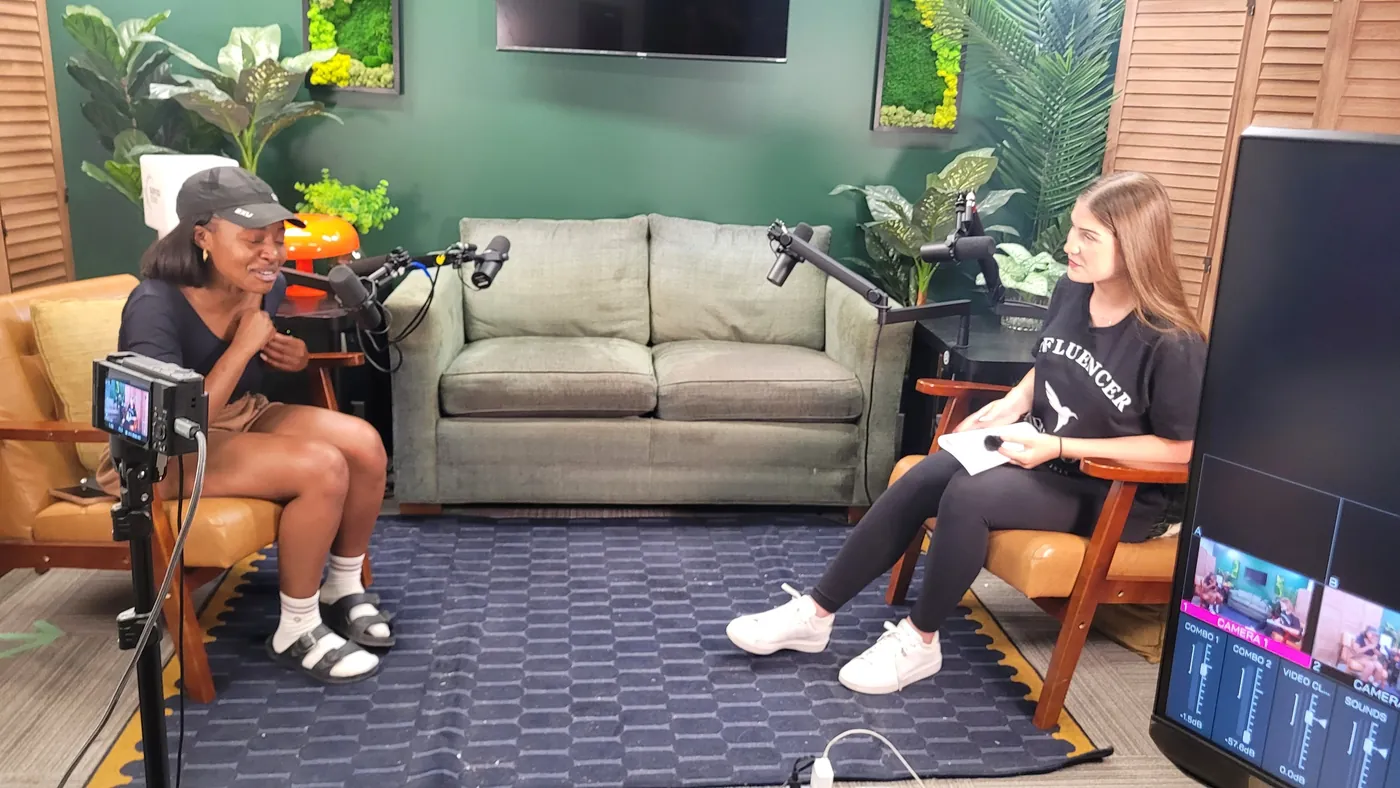
We record in person, in the same room, on two cameras.

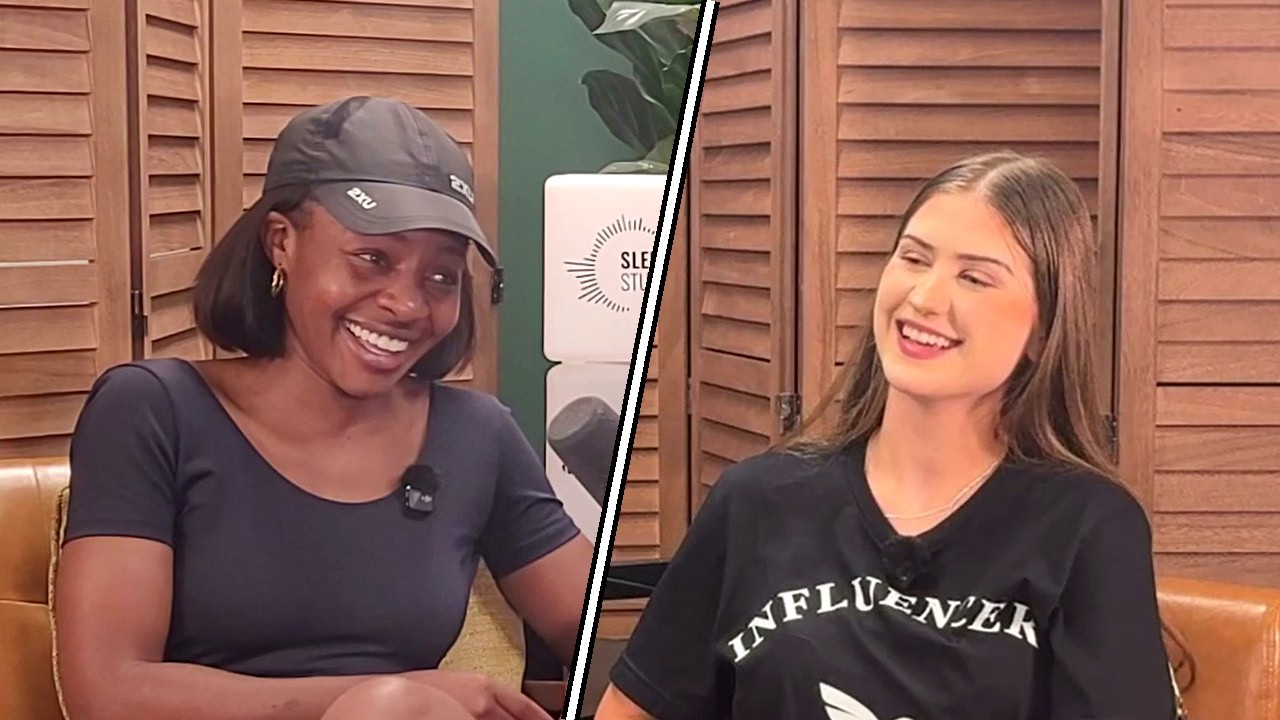
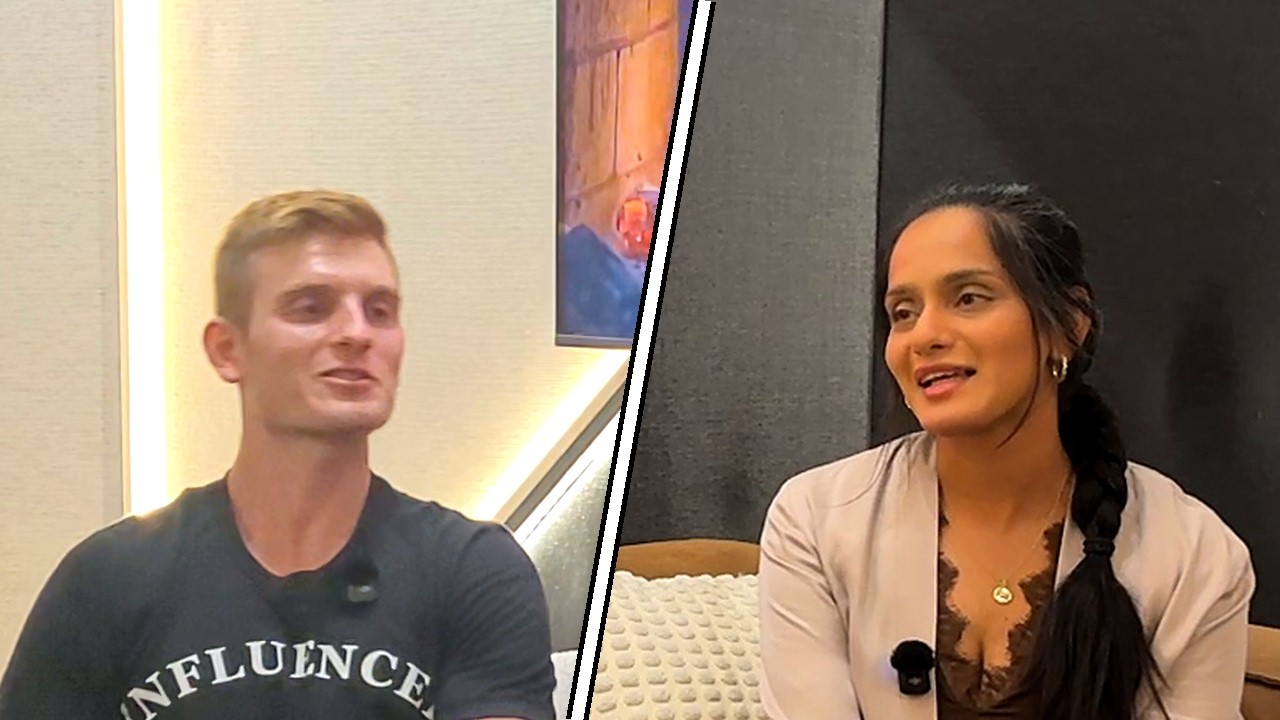
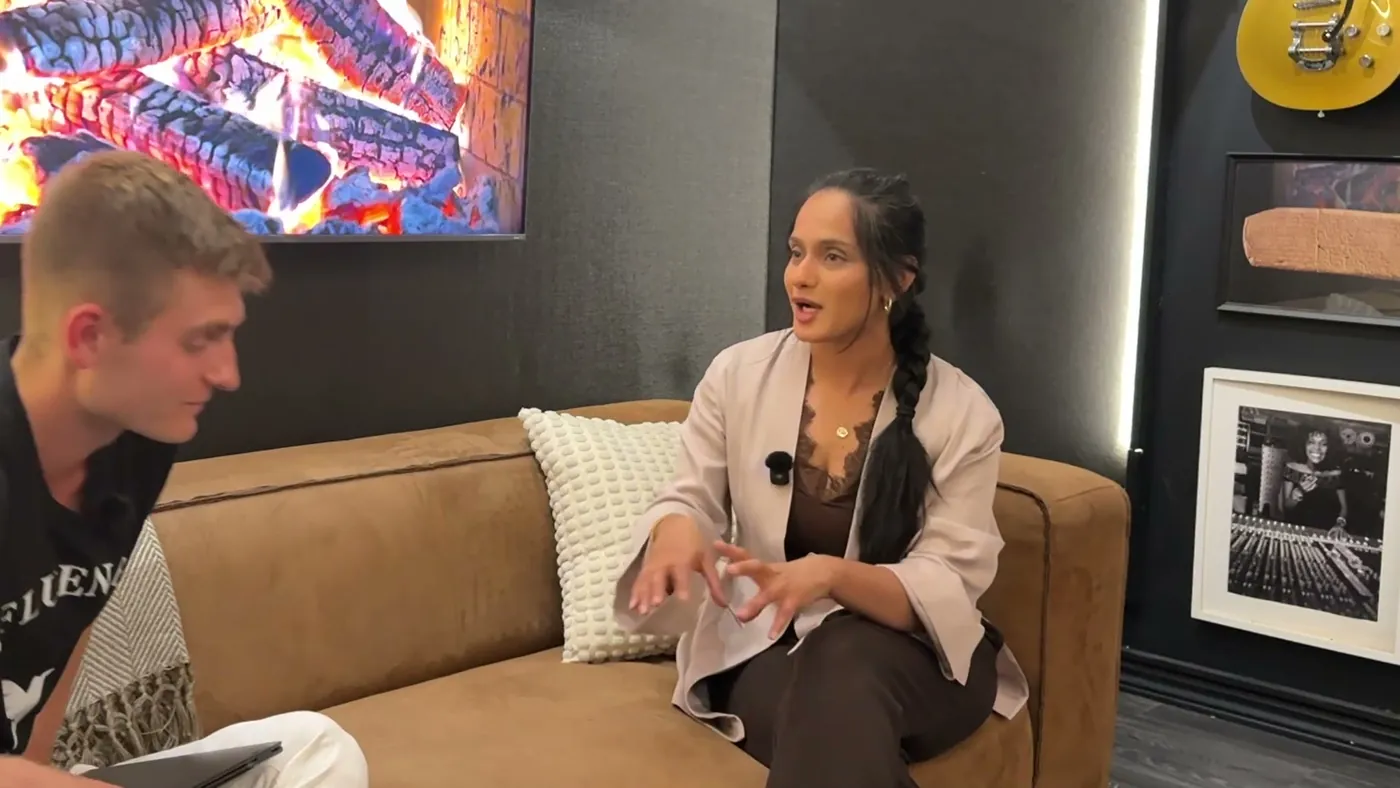
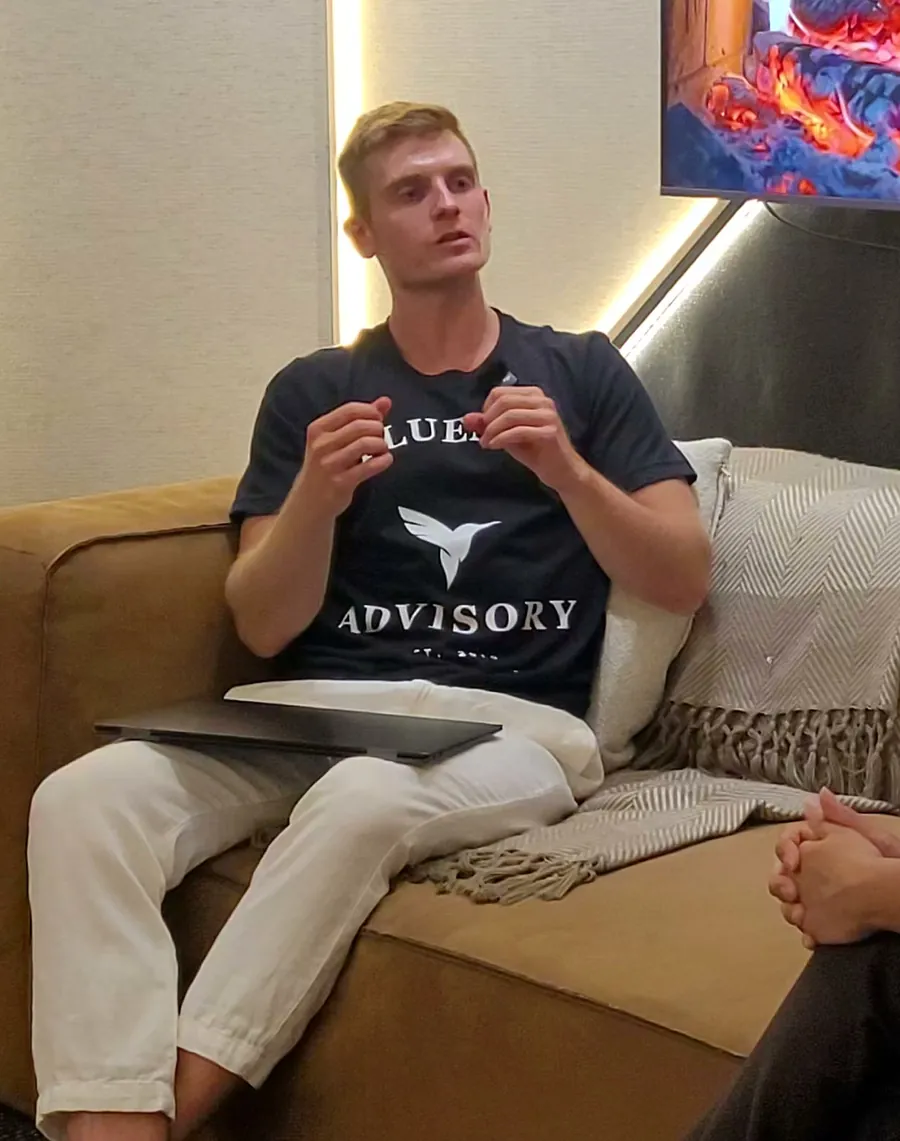
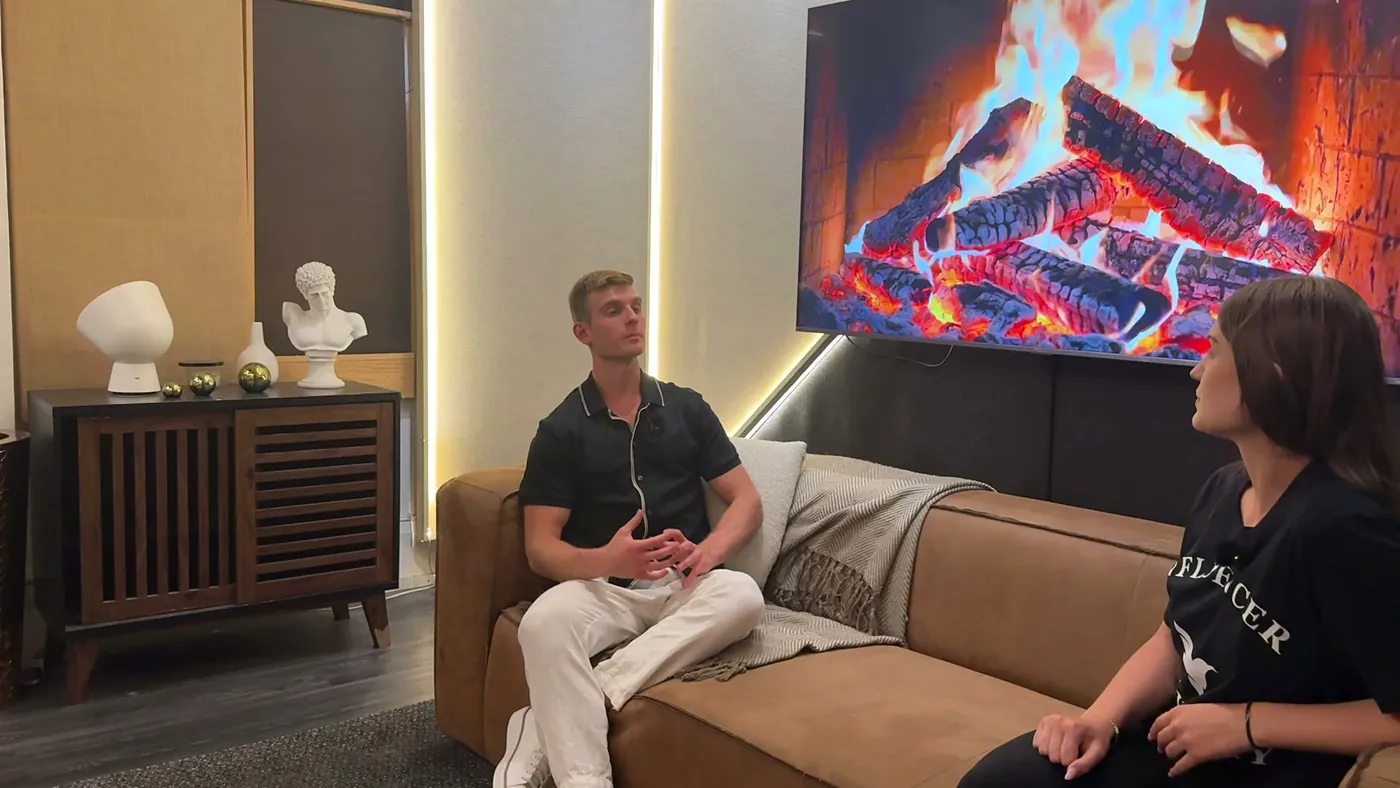
A couch, two microphones, and somebody who has read your last month of posts before you sat down. Guests tell us the first ten minutes feel like a work conversation they were already having, which is roughly the idea.

Recording an episode on the couch, both people mid conversation
Making a point on camera during a recording
The set during a recording session, cameras and lights in frame
Two people talking through a question in the green room

Come on the show

Tell us what you run and we will come back to you with a couple of times.

About a minute, five boxes

What do you sell
No pitch comes back, just times.

Not ready to sit down yet? Watch an episode first and see how it goes.