 Influencer Advisory™
Influencer marketing: the best programs, what works in 2026, and how the best agencies sell
Founder · September 21, 2026 · 48 min read
Fits into: The Influencer Growth Engine, as the one page holding the research behind it.
Goal: By the end you can copy how the best programs run their creators, what is working in 2026, and how the best agencies price and sell.
Part 1, the best programs: Start with people who already love the product
1. Gymshark: send product to people your buyers admire
The play: In 2012 Gymshark sent stringers to bodybuilders it admired; Lex Griffin, Matt Ogus and Chris Lavado liked them, shared them, and became its first athletes.
Result: Once bodybuilders started sharing them, the site went from £300 a day to £30,000 in 30 minutes at BodyPower.
How it works:
- Women athletes: Signed women from fitness, like Nikki Blackketter, Robin Gallant and Jazmine Garcia.
- Pay per sale: An affiliate program on Awin pays commission on sales within 30 days of a click.
- Open to anyone: Anyone can post a Gymshark66 pledge on TikTok or Instagram to try out.
2. WHOOP: get elite athletes wearing it because it helps
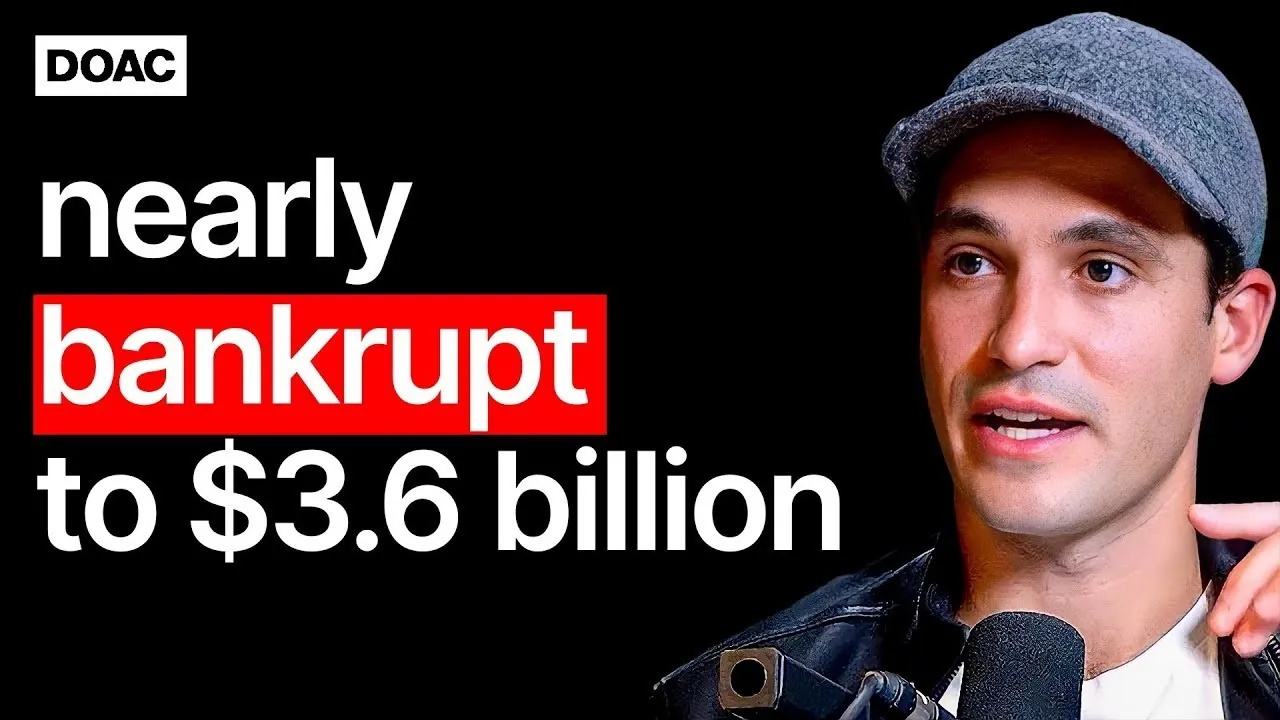
The play: Will Ahmed built WHOOP's brand by getting the world's best athletes to wear it, betting they would love it enough to pay for it themselves.
Result: In 2026 athletes including Cristiano Ronaldo, LeBron James and Rory McIlroy joined its $575 million funding round.
How it works:
- First users: Two of WHOOP's first hundred users, in 2014, were LeBron James and Michael Phelps.
- Leagues: In April 2017 the NFL Players Association made WHOOP its official recovery wearable.
- Make them investors: Athletes now invest as ambassadors: Cristiano Ronaldo joined in 2024, beside Patrick Mahomes.
3. Bloom Nutrition: ask creators to feature it, then send more
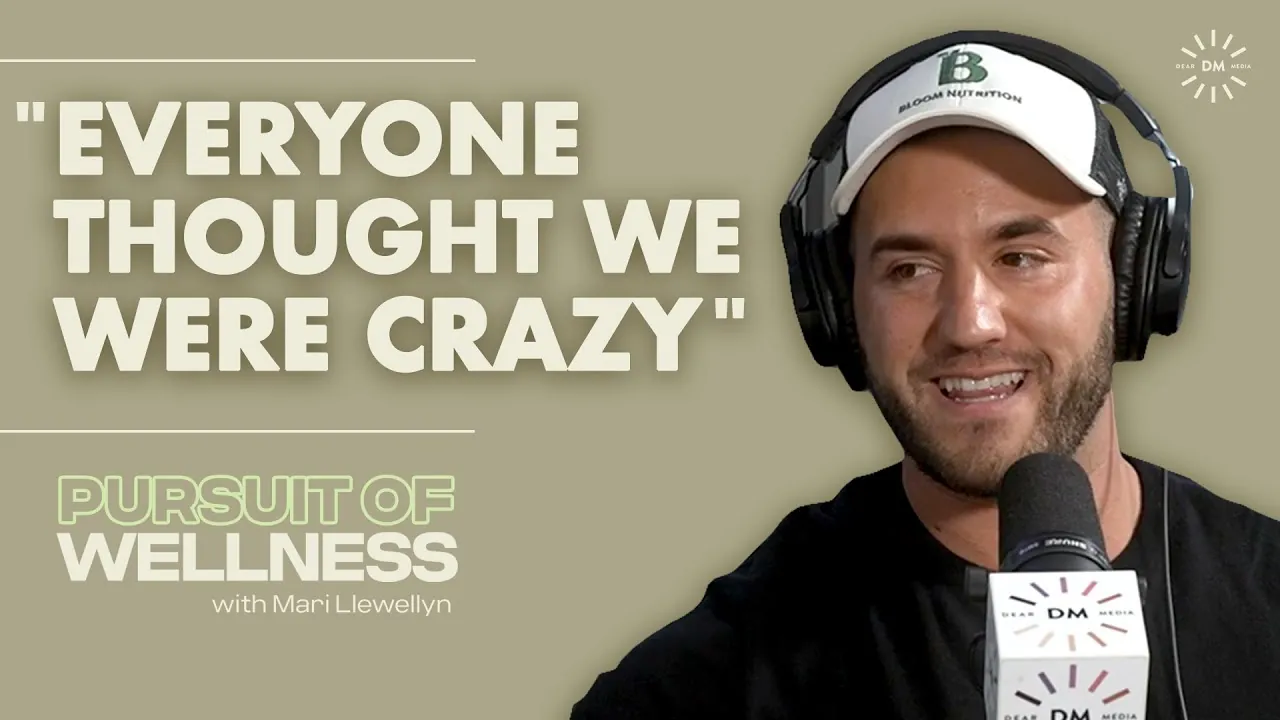
The play: Bloom moved its creator search to TikTok and asked influencers to include its greens in a couple of videos, then scaled up what worked.
Result: Since 2021 Bloom has worked with 5,600 influencers, who made a reported 12 billion views.
How it works:
- Pick everyday creators: Creators range from moms to students to nurses, including the most famous grandmother on TikTok.
- Spend: About 75% of its marketing budget goes to creators.
- Payoff: That spend helped bring in nearly $170 million of revenue in 2023, Llewellyn says.
4. Alo Yoga: make ambassadors out of people who wear it
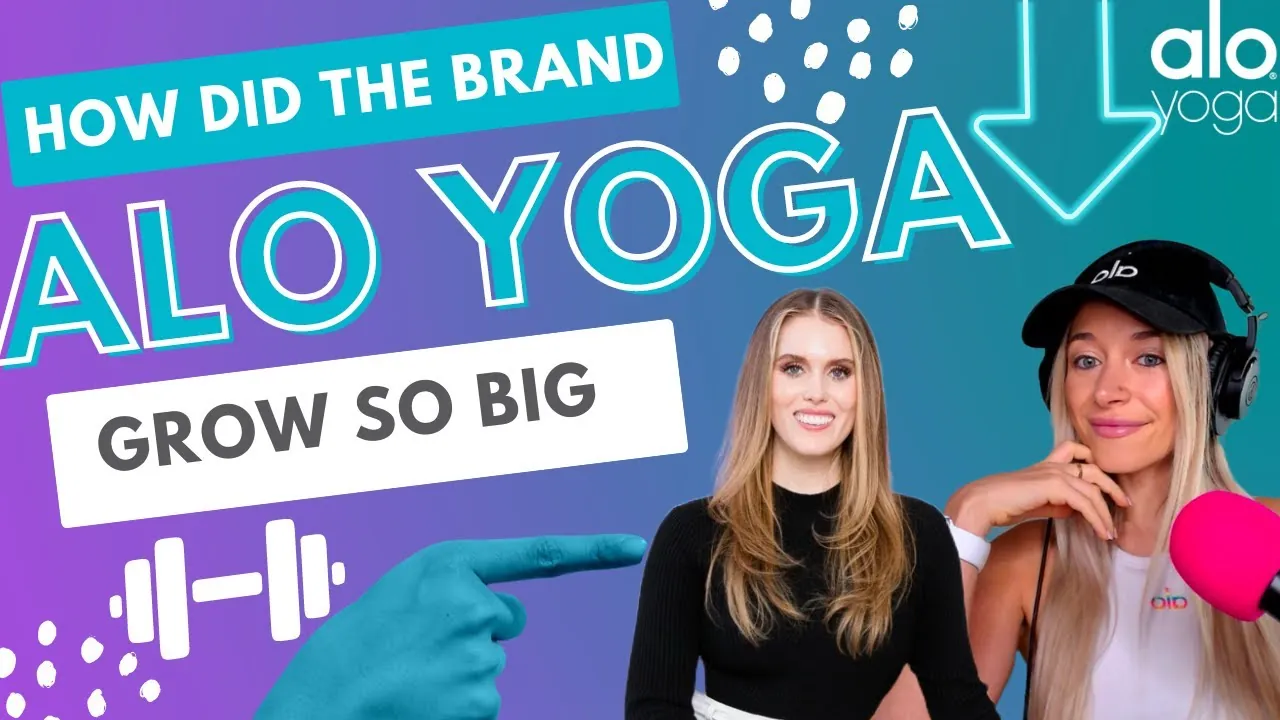
The play: Alo's ambassadors are yoga, fashion and beauty influencers, and its CMO Angelic Vendette says most became ambassadors organically because they love the brand.
How it works:
- Discount for pros: Certified yoga teachers, trainers, creators can apply to Alo Pro for 25% off full-priced gear.
- Anyone can join: Its affiliate program sets no requirements to join and pays a commission on sales.
- Crowd over team: Its CMO counts more than 4,000 people marketing Alo, against a team of 53.
5. Glossier: turn your most engaged customers into paid reps
The play: Glossier gave engaged customers codes for store credit, then paid eleven women a sales commission as reps with their own page and picks.
Result: No sales figure was published for the rep program itself.
How it works:
- Host your fans: About 150 of its most active customers chatted in Slack channels Glossier set up.
- Pay real commission: One rep says her link gave new buyers 10% off and paid her a commission.
- Pay beyond money: Glossier's VP of growth said reps were rewarded more by social currency than by money.
Part 1, the best programs: Next, pay creators to talk about it, then keep the ones that work
6. LMNT: sign podcast hosts early, pay cash or equity
The play: LMNT's co-founder pitched podcasters he knew, paying some in cash and some in a little equity, signing many before they were famous.
Result: LMNT grew past $200 million in yearly revenue on about $6 million raised.
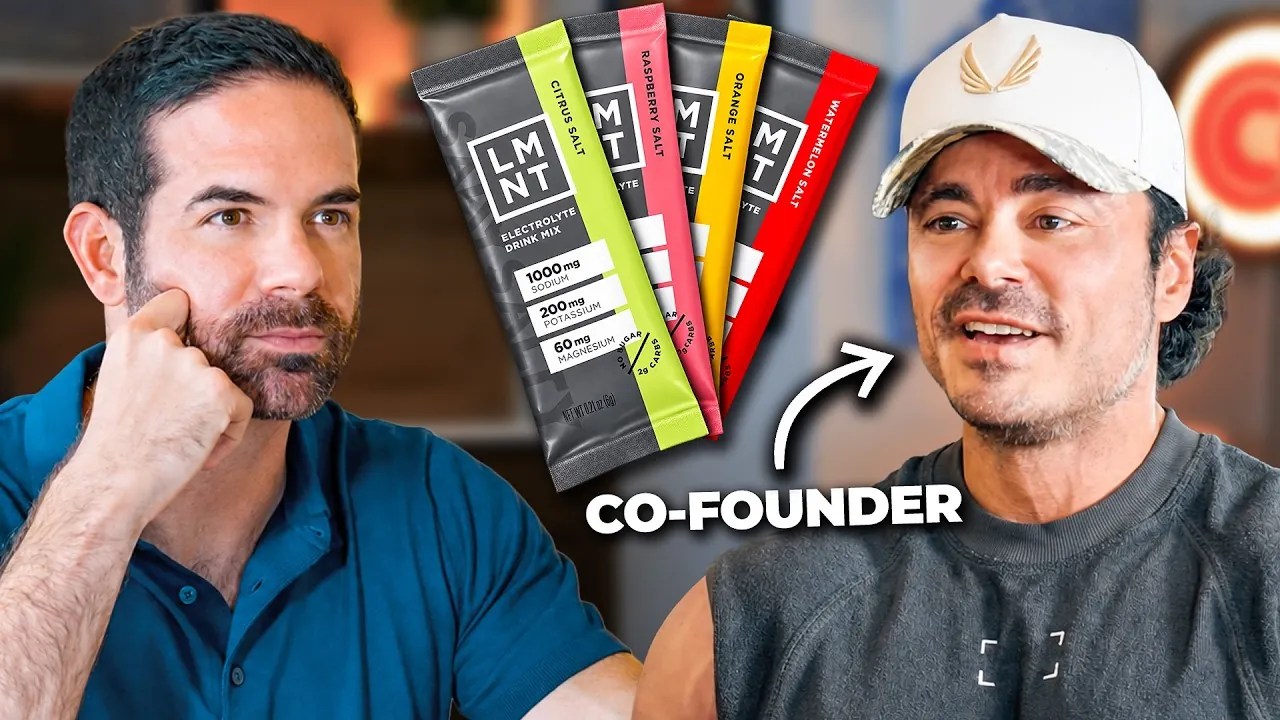
How it works:
- Hosts explain it: On shows like Huberman Lab and Modern Wisdom, hosts explain the science of sodium.
- The offer: A free sample pack of 8 flavors is added to listeners' cart automatically.
7. Manscaped: pick creators on audience, rebook the good ones
The play: Manscaped's team of about six checks that a creator's audience is mostly US men 18 to 35, then engagement, before booking them again.
Result: Paul Tran said revenue went from $3 million to nearly $300 million in three years.
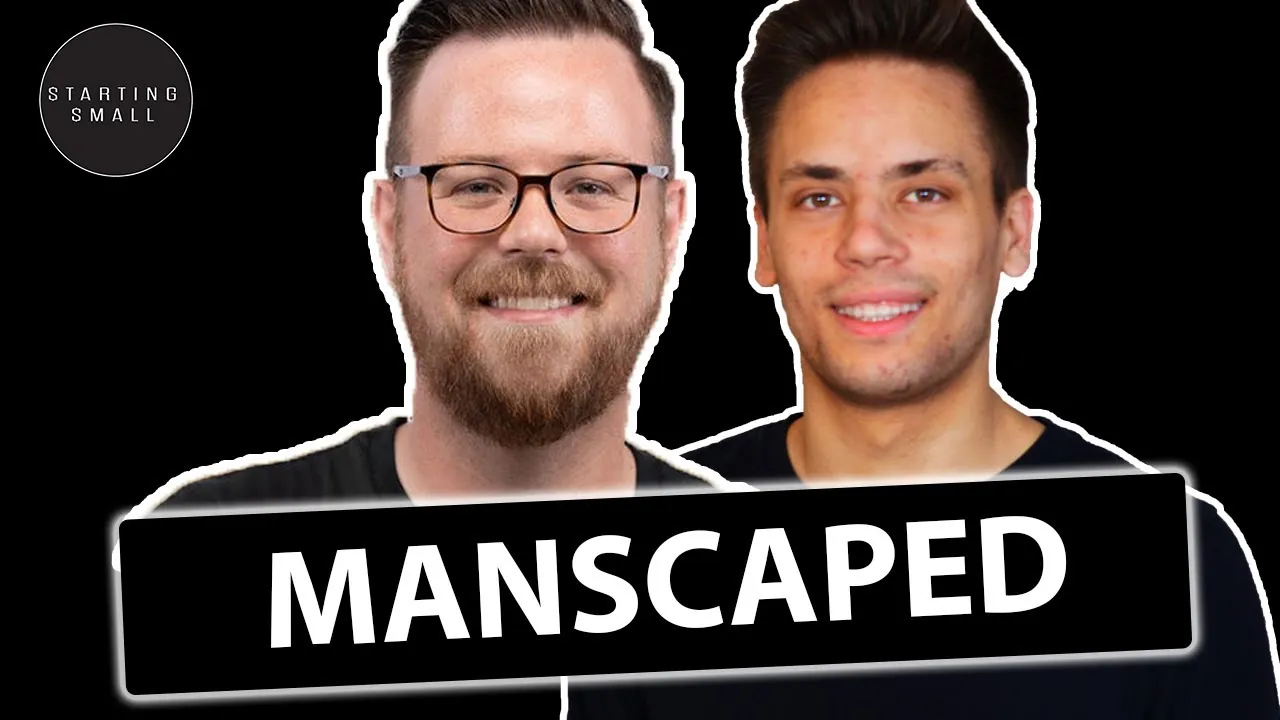
How it works:
- One offer everywhere: Its reads kept one offer across channels: 20% off and free shipping.
- Booking again: Six of its ten most watched sponsored videos came from Patty Mayo, sponsored 14 times.
- Personal codes now: Each creator now has a personal code for 15% off and free shipping, like FOOTY.
8. AG1: keep hundreds of hosts, try never to cancel
The play: AG1 works with hundreds of podcasters at a time, run by a five-person partnerships team, and tries never to cancel a host.
Result: Revenue went from $160 million in 2021 to about $600 million in 2024.
How it works:
- Pick familiar shows: Its CRO first pitched hosts he listened to, then chose shows on health, money, relationships.
- Track loosely: Each show gets its own vanity URL with UTM tags, treated as a low reading.
- Ease off instead: Once a show's performance levels off, AG1 changes how often it runs, rather than cancelling.
9. Poppi: put money into creators before worrying about profit
The play: Allison Ellsworth says Poppi didn't measure ROI for its first 3 years, spending heavily on creators instead of chasing profit.
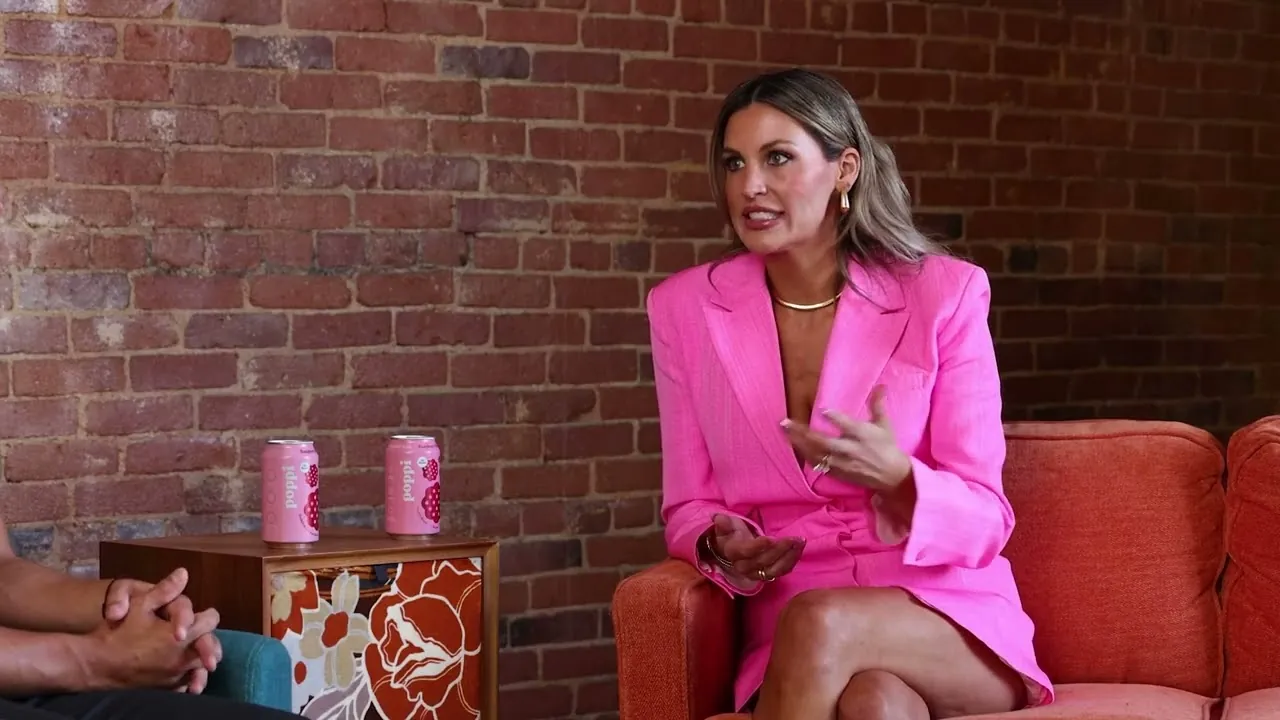
How it works:
- Show the founder: Allison Ellsworth danced and made taco videos before finding her founder story worked best.
- Gift on invitation: It ships free cans on invitation, getting around 500 wedding invites a month.
- Creators in the campaign: Its 2025 Super Bowl ad campaign used creators partnered with Poppi, including investor Alix Earle.
Part 1, the best programs: From there, hand creators the big moments
10. e.l.f.: give creators a song and challenge to run
The play: e.l.f. commissioned its own song for a TikTok hashtag challenge, then partnered with Simon Cowell on a TikTok rock band with its own challenge.
Result: Tarang Amin says the Simon Cowell TikTok challenge did 15 billion views.
How it works:
- Own the song: e.l.f. made #eyeslipsface with a Brooklyn agency, later a full track with songwriter iLL Wayno.
- Paid push: e.l.f. paid to promote its video, the first paid ad to hold TikTok's top hashtag.
- Make fans compete: For Eyes. Lips. Famous., top TikTok influencers asked fans to post why they should win.
11. Feastables: give college creators free rein and bars
The play: MrBeast launched Feastables on campus through Friends of Feastables, a college creator program giving creators averaging over 2M followers total creative freedom.
Result: The content got over 26 million impressions.
How it works:
- Skip the script: Instead of a script, creators got prompts to think big in their own style.
- The stunts: They made giant chocolate heads, took ice baths, and used helicopters to reach students.
- Output: Over one semester the creators made 206 pieces of content, with 2M engagements.
12. Celsius: put its biggest creators inside real events
The play: Celsius signed Jake Paul, putting its brand on his fight gear and inside his show, and held a celebrity pickleball tournament at David Dobrik's home.
Result: The pickleball tournament alone got more than 3 billion media impressions and more than 31 million social impressions, Celsius says.
How it works:
- Athletes first: By January 2022 its athlete partners included Dustin Poirier, Suni Lee and Hunter Woodhall.
- Owned events: At events it owns, Celsius wants brand photos and national press, not just social posts.
- Anyone can apply: It runs an open ambassador program: people apply and are picked on enthusiasm and involvement.
Part 1, the best programs: Then make the best creators owners
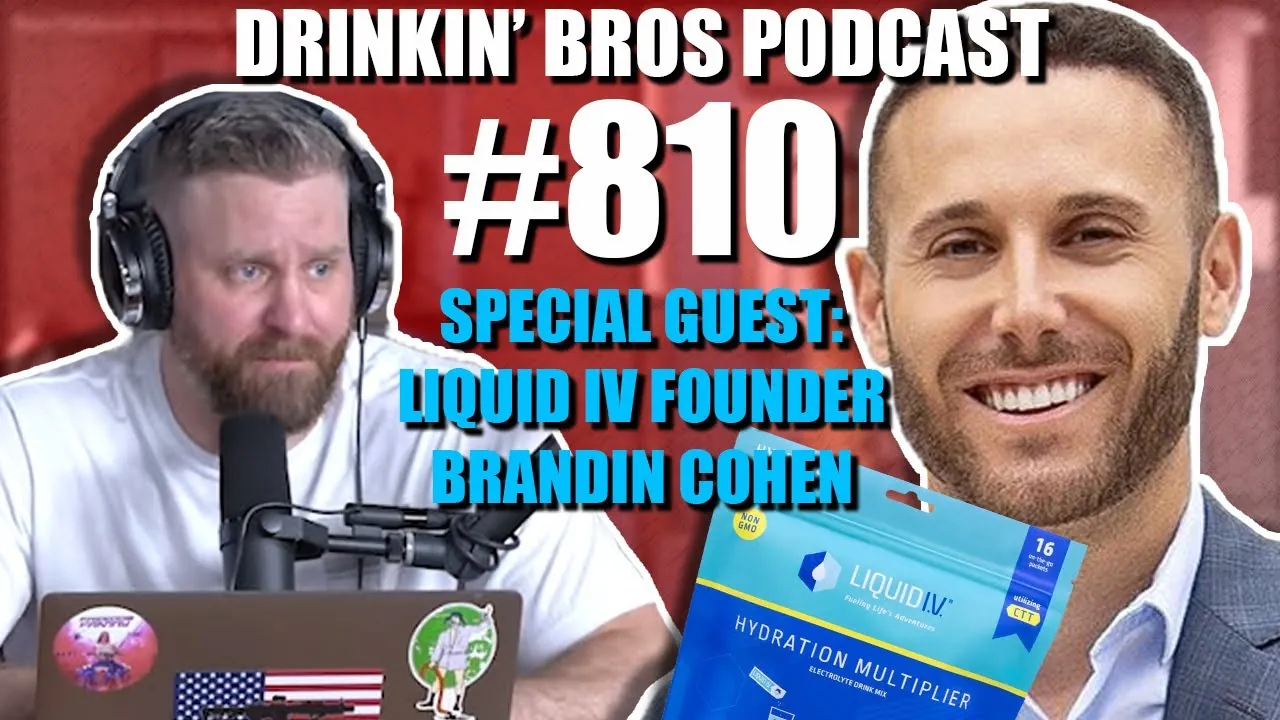
13. Liquid I.V.: raise money from celebrities who work on it
The play: Brandin Cohen raised from celebrities on the basis that each would do something in the business; Scooter Braun invested, and it made flavors with Justin Bieber and Kygo.
Result: Unilever bought Liquid I.V., which is now in 80,000 retail stores.
How it works:
- Bring in names: In July 2019 a $5 million round added investors like Demi Lovato and Justin Bieber.
- Always say yes: When celebrities and athletes want free product, Cohen just says yes.
- Boost what works: Creators' TikToks ran as Spark Ads; return on ad spend rose 48% from Q2 to Q3, 2021.
14. Neutonic: make the creators the founders
The play: Neutonic was founded in 2023 by fitness creator James Smith and podcast host Chris Williamson; Smith gave away 5,000 branded rash guards.
Result: Neutonic says it has sold over 7.5 million cans since launch.
How it works:
- Gifting at scale: Outside creators come through agency Gymfluencers; best posts earn paid campaigns or an affiliate spot.
- Prize is access: For its creatine sachets, top prizes included a 30-minute call with James Smith and mentorship.
- Creator investors: Creators Kayla Itsines and Mike Thurston put money in too.
Part 2, what works in 2026: Set the budget and build the team
15. Unilever: move half the media budget to social
The play: In 2025 Unilever said it plans to spend half of its media budget on social channels and put more money into influencer marketing.
How it works:
- Share of sales: Vaseline built products with the creators who first posted its hacks, and 15% of the sales of those products will go to those creators.
- Share of ad budget: Unilever announced plans to work with 20 times more influencers and to spend half of its ad budget on social media, up from 30%.
- Creators at the World Cup: Unilever's 2026 FIFA World Cup campaign will include more than 50,000 creators making content during the 39-day event.
- Influencers so far: Unilever CEO Fernando Fernandez says the company is already close to 300,000 influencers.
- Creator hubs: For the World Cup, Unilever built House of Fresh, a set of in-person creator hubs in Mexico City, New York and Miami.
- How it measures: Unilever's Selina Sykes says buzz is a quick early sign, and sales and return on investment are the true indicator of performance.
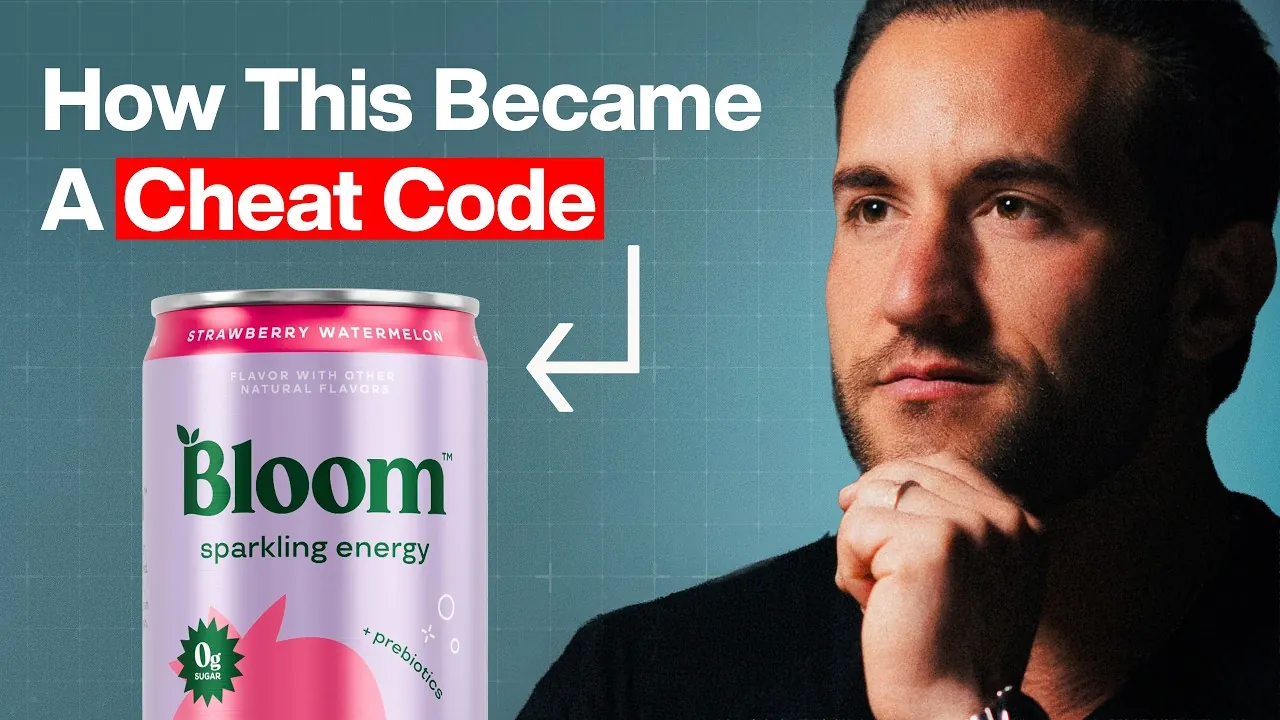
16. Bloom: run the creator program in-house and buy on CPM
The play: Bloom keeps 15 to 25 people in-house on its influencer team and talks to creators directly.
Result: Bloom says its CPMs have been below $2 for months at a time.
How it works:
- The CPM goal: Take the CPM you get on Meta, cut it in half, and make that the goal for the influencer program.
- The fee: Bloom negotiates the numbers before a creator posts, and the simplest way is to look at the average views on their last 10 videos.
- Creator size: On a limited budget, Bloom's co-founder would stick with creators who have 5 to 50,000 followers.
- Traditional media: Bloom's co-founder says he spent $3 million in 1 month on traditional media ads and got probably three sales from them.
- Sales in stores: When TikTok Shop is going well, Bloom sees more than 30% of those sales going over to Amazon, Target and Walmart.
- The store buyer: In 2022 or 2023, Bloom's way to reach a retail buyer was to find who the buyer followed on Instagram and sign all of those influencers.
17. Cadence: set a launch budget and plan to over-invest at the start
The play: Cadence sets a budget going into its launches, expects to over-invest for the first two or three months, and leans heavily to influencers and creators.
How it works:
- Outreach: The person who runs influencer at Cadence reaches out to as many micro creators as it takes to get some traction on TikTok and Instagram.
- Content to whitelist: People post about Cadence, come into its Discord, keep posting and give it content to whitelist.
- Athletes: Cadence says athletes are not creators: expect a sachet on a table, not big reels, and ask them to be as educational as they can.
18. Ground News: sponsor more YouTube videos than any other brand
The play: Ground News led all brand sponsors on YouTube with 1,863 integrations in the first half of 2025, by Gospel Stats data.
Result: The videos Ground News sponsored had 664 million views, also the top position.
How it works:
- Growth: Ground News's integrations in the first half of 2025 grew 202% year over year.
- Views: Ranked by total video views, Ground News held the top position with 664 million views, ahead of Shopify, BetterHelp and Incogni.
- All brands: Across all brands, YouTube sponsorships jumped 54% year over year in the first half of 2025.
- What was counted: The count includes only videos from English-speaking channels with at least 25,000 views within seven days of upload.
Part 2, what works in 2026: Send product out, then sign many small creators
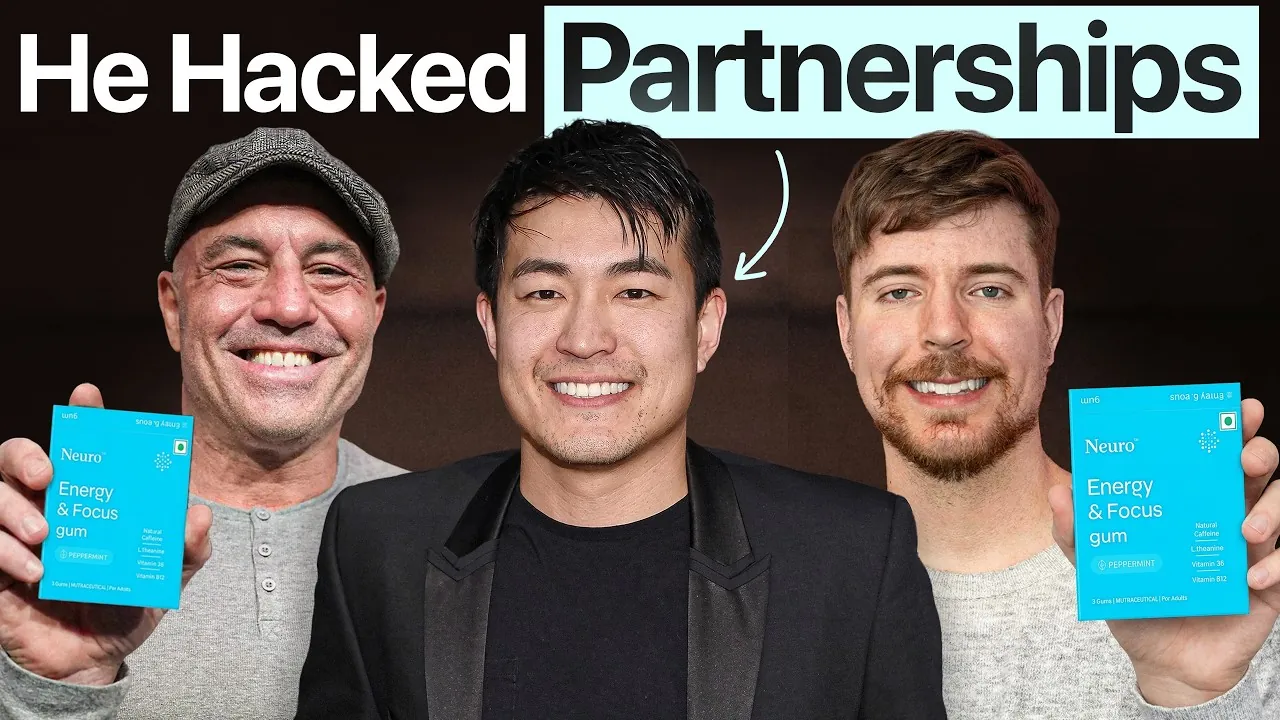
19. Neuro: send free product to 300 creators and keep going
The play: In late 2023 Neuro budgeted free product for 300 creators and asked each for a video, and from January to April nothing worked.
Result: Then one video went viral, and in 2025 Neuro had 5 billion impressions.
How it works:
- The viral video: The video that went viral was a creator clipping Joe Rogan talking about the product.
- Impressions: In 2024 Neuro was the fastest growing company on TikTok Shop in the health category, and in 2025 it had 5 billion impressions.
- Sales on Amazon: Neuro saw a possible link: every dollar it made on TikTok came with an extra 40 cents on Amazon.
- Clips for store buyers: Neuro sends clips of celebrities talking about the gum to the buyers at stores.
- Seeding Joe Rogan: Ryan Chen thinks Neuro seeded Joe Rogan product in November 2019; nothing came back for months, and Rogan first mentioned Neuro in February 2020.
- Where sales came from: Up until last year, 90% of Neuro's business came from Amazon, its website and TikTok Shop, and 10% from about 20,000 store doors.
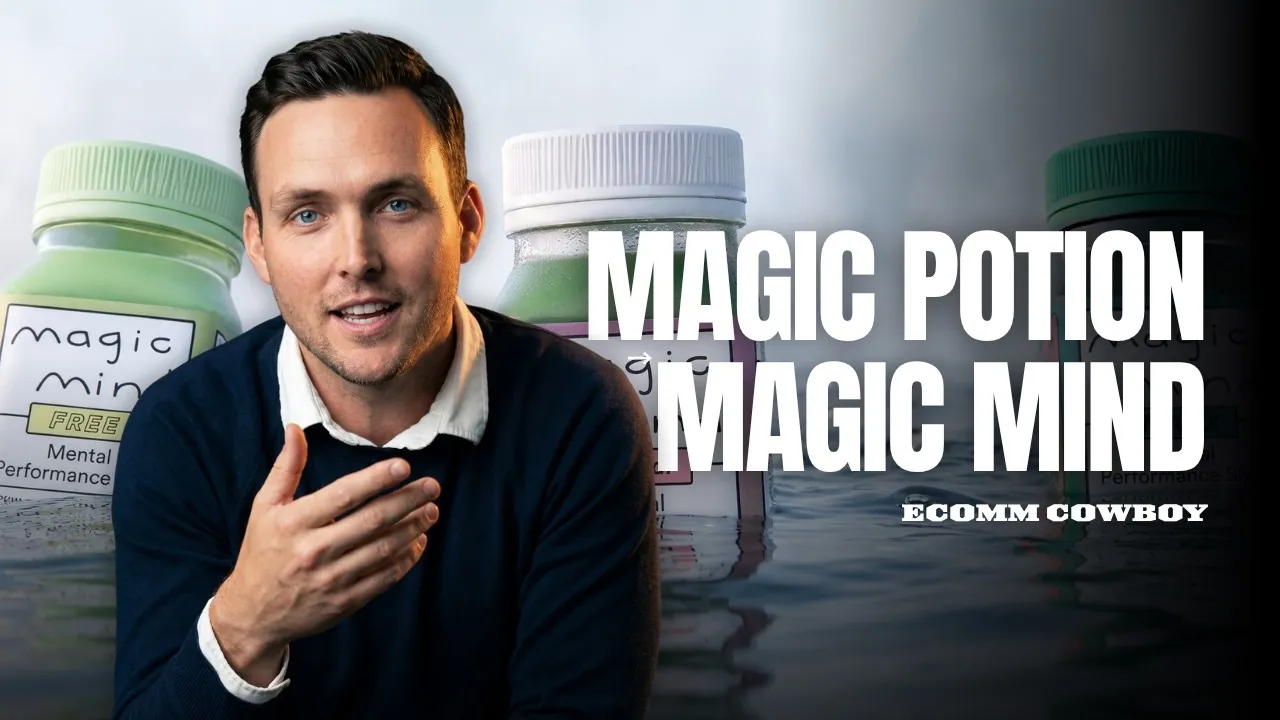
20. Magic Mind: sign 500 small creators a month
The play: Magic Mind was doing 500 creator deals a month, at an average deal size of 300 dollars.
How it works:
- The team: Magic Mind had 30 employees in Romania doing direct deals with influencers, mostly on YouTube and podcasts.
- What predicted sales: The factor most tied to success was whether the creator truly loved the product.
- The top seller: One month the top selling creator was an older woman making cottagecore gardening videos in the UK.
- Tracking: Magic Mind had a hard time tracking attribution, and its CEO says most of the benefit spills over to Amazon and the Meta account.
- A famous customer: A famous customer posted the VIP package Magic Mind sent her, and the CEO says it moved the needle that day but wasn't as big a moment as you'd expect.
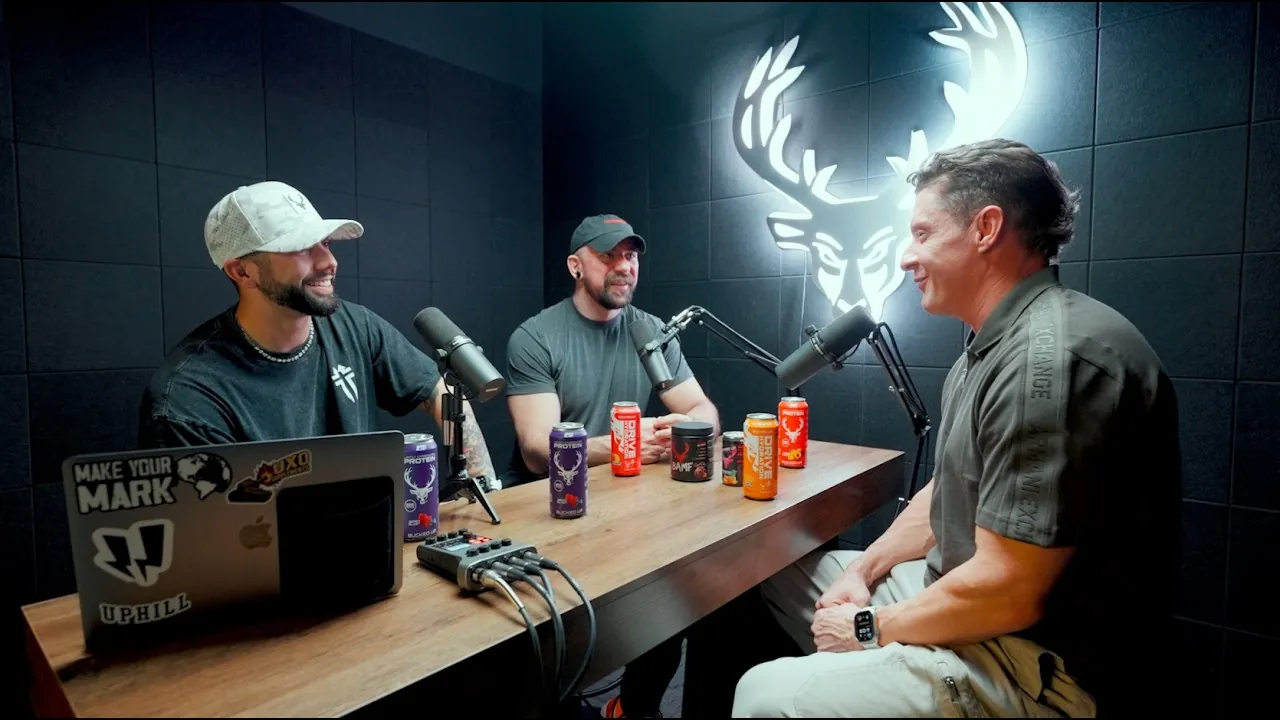
21. Bucked Up: pay small creators for what they sell
The play: About 10 years ago Bucked Up moved from paying big influencers for a post to micro influencers who are paid for how many they sell.
Result: Bucked Up's CEO says it has over 100,000 ambassadors.
How it works:
- New sign-ups: Over 200 people a day apply to become a Bucked Up ambassador.
- The paid post: About 10 years ago Bucked Up paid one big influencer $1,000 for a post and got about 50 sales.
- The small creator: A creator with less than 10,000 followers posted and made just as many sales as the big influencers.
- One day with a star: Bryson said that if he broke 50 at golf the Bucked Up website would be 50% off for 24 hours, and Bucked Up says it did over $4 million in revenue in those 24 hours.
- TikTok live: For a refresher drink coming up with Danny Duncan, Bucked Up says he will do a TikTok live to help get the momentum.
- Local teams: Local sports teams that want a sponsorship help put together packages in the Bucked Up warehouse, and one soccer team earned $35,000.
22. Poca: build a bot that finds creators to gift
The play: Poca built a bot on Claude Code that goes out to meet influencers, starting from mini campaigns: what to say and who is best to say it.
How it works:
- One hour of setup: In less than an hour on Claude, Poca's co-founder made a bot that looks through creators, checks for a link in their bio and starts to reach out.
- Gifting: That 1 hour on Claude let Poca's team do a lot of gifting while staying careful with how it spends its dollars.
- A giveaway for nurses: Poca did a giveaway with Kayla, who is Espresso RN, giving away Pocas to break rooms, because nurses love the product.
- Budget split: Poca's co-founder says to start 80/20: 80% of marketing budget on the ad channels and 20% on creating the stories you need to tell.
- Hims & Hers: At Hims & Hers, in the early days of Instagram influencers, men danced in the shower with the shampoo bottles for free, and the brand later made TV ads and subway billboards from it.
Part 2, what works in 2026: Pay creators a share of what they sell
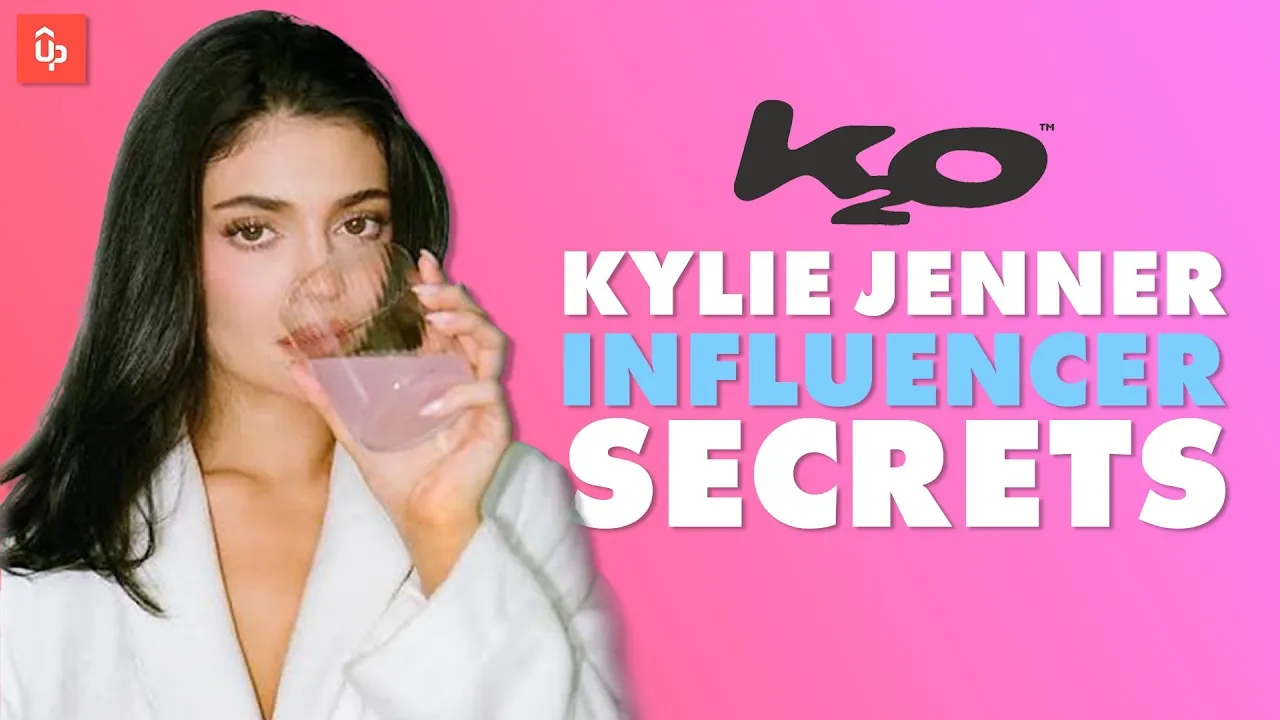
23. K2O: pay 15% commission on TikTok Shop
The play: K2O pays creators 15% commission on TikTok Shop, or 10% when it is running GMV Max ads.
Result: K2O's CEO says it is probably working with over 10,000 creators right now.
How it works:
- The 60-day challenge: K2O just ran a 60-day challenge: a creator of any size who posted one video every day for 60 days got $1,000, with no sales requirement.
- Referral bonus: A creator who refers another creator gets a bonus when that creator reaches a set amount in sales.
- Repeat customers: A customer who has purchased three times is invited to join the brand ambassador program.
- What stopped working: K2O's CEO says giving away 10,000 samples a month to get a lot of content doesn't work on TikTok Shop anymore.
- Who makes the revenue: K2O's CEO says the 80/20 rule holds: the top 20% of creators generate 80% of the revenue.
- One person for creators: K2O's CEO hired Melissa to manage all its TikTok Shop creators, and a creator can reach her on Discord, by text, by call or on WhatsApp.
24. Ridge: get hundreds of creators posting in the same week
The play: Ridge had hundreds of creators post 1,200 videos in one week for its TikTok Shop campaign.
How it works:
- Ads in a month: Ridge made 700 ads in the month to date, not counting the TikTok Shop videos.
- Weekly calls: Ridge is working out how to brief creators at scale, with community calls each week on which concepts are working.
- Volume first: Ridge wants as many pieces of content live as it can get, to find out quicker what works.
- The contest: Ridge is running a contest that rewards people on the amount of videos, and wants to align its incentives around revenue a little further over time.
25. Sephora: give creators their own storefront on your site
The play: Sephora launched My Sephora Storefront, where creators show their favorite products on the Sephora website and earn sales commissions.
Result: Sephora has 1,000 live creator storefronts, more than it first projected for the rest of the year.
How it works:
- The commission: Sephora is offering a 15% commission on Storefront sales.
- Who can apply: Sephora takes applications from creators with more than 3,000 followers on Instagram, TikTok or YouTube.
- Sign-ups at one event: More than 200 creators signed up on the spot at an event in LA.
- The paid program: Sephora Squad, its paid partnership program, has produced a lineup of more than 300 creators and alums who regularly work with the retailer.
- Brands waiting: Sephora's Brent Mitchell says it already has a waiting list of brands that want to get involved in the Storefront program.
26. Gap Inc.: open one creator program to anyone with 1,000 followers
The play: Gap Inc. launched its Creator Program in October 2025 for U.S. creators with at least 1,000 followers, and now employees can apply too.
Result: Gap Inc. says posts from the public program reached approximately 154 million users.
How it works:
- Posts so far: Gap Inc. says the public program has generated nearly 30,000 unique social media posts.
- Who can join: At launch the program was open to U.S. creators aged 18 and older with at least 1,000 followers on a single platform.
- Employees: From July 22, eligible employees in Gap Inc. offices, stores and distribution centers can apply to join.
- Paid reach: Gap Inc. may also run content from the program through its paid, social and owned marketing channels.
27. Aire: pick an affiliate creator who has lived the problem
The play: In 2026, for TikTok Shop's 6.6 sale in Singapore, Aire, which sells adult incontinence care, worked with Jessica, an affiliate creator who cares for her father.
Result: TikTok says Aire's whole 6.6 campaign recorded a 3x increase in GMV, its sales on TikTok Shop, compared to previous campaigns.
How it works:
- Sales: TikTok says the 6.6 sale was Aire's highest-performing campaign yet, with a 3x increase in GMV compared to previous campaigns.
- The creator: Jessica is a TikTok Shop affiliate creator and caregiver, and her experience caring for her father helped shoppers connect with the product.
- Affiliate videos: Aire's affiliate videos saw stronger visibility during the sale week, and one day reached 2x in affiliate GMV.
Part 2, what works in 2026: Write a light brief for each creator
28. Summer Fridays: edit the brief for each creator
The play: Summer Fridays co-founder Marianna Hewitt goes through the sponsored content briefs with her team and edits each person's brief to fit them.
How it works:
- Not a script: With over a decade of working with brands as a creator, Marianna Hewitt says a brief that is too detailed is too much like a script, and the creator should get free rein.
- Founder off camera: Marianna Hewitt is not in any of the content on Summer Fridays, and wants people to show up for the brand and the product.
- Bloom's brief: Bloom's CEO says a content brief can be as short as: it's a Crisp Apple energy drink, don't say anything off-brand, you're the expert.
Part 2, what works in 2026: Run the best creator posts as ads
29. HexClad: make creator ads a third of the ad account
The play: HexClad's team guesses a third of its ad account is creator led, from Gordon Ramsay to a creator with 5,000 followers who makes ads that convert.
How it works:
- The deal: HexClad signs a larger creator for 3 months, part flat fee and part percent of spend with a cap, not for 12 months.
- Repeat creators: HexClad goes back again and again to the five to 10 smaller creators whose ads performed well.
- A new audience: HexClad signed one creator for $100,000 on a 9-month deal, and her ads reached a different group of people from the rest of the account.
- Product seeding: HexClad sends out hundreds of products a month and gets tens of millions of impressions.
- Shoot days: From an influencer it wants ads with, HexClad asks for a number of shoot days, not a number of ad deliverables.
30. Seed Health: build a paid influencer program and measure the return
The play: Seed Health hired Lily Comba in 2020 to create and launch its paid influencer program, and she was there for two and a half years.
Result: Lily Comba says she spent about $20 million on influencers and saw a return of over a hundred million dollars.
How it works:
- Paid usage rights: Her agency now negotiates paid usage rights on every deal, and the paid media team runs the post as an ad through the influencer's handle.
- Watch time: Her agency won't work with a creator whose average watch time is less than 25%.
- Order value: One early question her agency asks a brand is its average order value (AOV), to see if influencer marketing can work for it.
- Check the screenshot: If an influencer's Instagram story shows only 27 link clicks but 300 purchases, something does not add up.
- Budget floor: Her agency says the sweet spot for a brand's budget has been a 50k minimum, and it will go lower for certain brands, down to 20k.
31. Halfdays: put the founders on camera every week
The play: Halfdays tested founder content before Black Friday, and now both co-founders create content once a week.
Result: In many cases the founder content returned double what a content creator's post returned for the same product.
How it works:
- Founder time: Both co-founders spend an entire day creating content once a week.
- Creator posts as ads: Most of the UGC that Halfdays puts ad dollars behind is made by content creators.
- Gifting: Smaller content creators are often willing to create in exchange for gifting.
- A brand collaboration: A collaboration with Hoka grew the Halfdays email list by 10% in 2 days.
- Small creators over years: Halfdays tags small creators in its videos so both can grow, and has worked with a few of them for a few years.
- The Hoka launch: Halfdays launched the Hoka collaboration with content shot in studio and on mountain, community events and shopping experiences in person.
32. Hint: rent a celebrity's page to run ads from it
The play: About 9 years ago, a marketer then at Hint paid 10 to 20k a month to lease a big celebrity page and use it to whitelist ads.
Today: The same marketer says it's almost just a percentage of spend, which has now proven to work really well.
How it works:
- Agencies, 9 years ago: About 9 years ago Hint paid creative agencies 5 to 25k a month, sometimes for just a handful of assets.
- YouTubers, 9 years ago: About 9 years ago Hint probably paid YouTubers a flat fee in the range of 2500 to 7500.
- Creators now: Now a brand pays creators a percentage of what they bring in, plus maybe a flat fee of no more than 50 to 200 bucks if it is new to the platform.
Part 2, what works in 2026: Bring in a famous name who already uses the product
33. Bobbie: sign the celebrity who is already a customer
The play: Cardi B came to Bobbie because she had been feeding its formula to her baby for the past year, and Bobbie went all in with her.
How it works:
- Earlier names: Tan France came into the brand in Bobbie's first year, and Ashley Graham the next year.
- Customers on a billboard: For Mother's Day, Bobbie planned to surprise customers and put them on a billboard in Times Square.
- Customers as creators: Bobbie's Chief Brand Officer says one of the most underrated tactics is turning no-name customers into UGC content creators at scale.
34. IM8: make the famous names equity partners
The play: IM8's ambassadors are equity partners, a list that includes David Beckham, Giannis Antetokounmpo, Aryna Sabalenka and Inter Miami CF.
Size of the brand: Prenetics says IM8 reached approximately $251 million in annualized run-rate revenue within 20 months of launch.
How it works:
- The Inter Miami deal: The partnership with Inter Miami CF includes an equity stake in Prenetics and rights to a minimum of 4 players, including Lionel Messi.
- Every partner: Prenetics says every one of these partners holds equity in Prenetics.
- Skin in the game: IM8 says every single one of its ambassadors has equity, as skin in the game.
- Why equity: IM8 says a star can take many endorsement deals, but taking equity signals that he is invested in the brand.
- The founder's math: On giving up equity, IM8 says it would rather have 10% of a billion than 100% of 50 million.
35. Zevia: back a celebrity deal with always-on social and a paid campaign
The play: In March 2026 Zevia announced a partnership with Cardi B, who has over 200 million social media followers in total.
Result: Zevia says the partnership announcement alone generated 152 million editorial impressions in just the first week.
How it works:
- Record social reach: Between Cardi B and other marketing programs in March, Zevia saw its highest-ever organic social media reach.
- Always-on social: Zevia says to expect an always-on social media approach from both sides of the partnership.
- Paid campaign on top: Zevia will put campaign spend against the partnership right away, with a summer advertising campaign on traditional and streaming television and digital.
- Inside the budget: Cardi B came on board as part of Zevia's broader plan for 2026, so within planned budgets.
- Tour sponsor: To kick things off, Zevia was a key sponsor of the Little Miss Drama Tour, with a superfan giveaway and a brand presence at each stop.
36. Culture Pop: tie one flavor to one person and his cause
The play: Culture Pop's black cherry flavor is out in Noah Kahan's name and supports the Busy Head Project.
How it works:
- How the deals start: Culture Pop says it hasn't chased down movie actors, fashion people or big time influencers for its relationships with celebrities.
- Influencers: Influencers who love the product come to Culture Pop, and it doesn't want the relationship to be transactional.
37. La Sportiva: only sign athletes who already use and love the product
The play: La Sportiva athlete manager Kelsey Quinn won't add anyone to the team who doesn't already use and love its products.
How it works:
- Race week: La Sportiva has had its athlete Anton Krupicka up in Leadville almost every year to do an activation around the race.
- Say what you want: When Kelsey Quinn looks to bring on a new athlete, she says in the meeting that the brand wants to see them be involved, from product feedback to event help and content ideas.
Part 2, what works in 2026: Bring creators together in person
38. Space NK: take creators and celebrities on one trip with your brand partners
The play: Space NK flew celebrities and social content creators to Miami with its brand partners, and says it's not as expensive as people would think.
How it works:
- Where the money went: Space NK invested in taking people to Miami, and once there the Delano Hotel was its partner.
- Tracking: When guests link through an affiliate platform like LTK, Space NK can see who clicked, whether they landed on its website and what that customer did next.
- Celebrity guests: Space NK's head of PR says the traditional rule is influencers or celebrities, because a celebrity guest list traditionally won't post, and she scratched that rule.
- A trip that backfired: OpenAI's luxury creator trip to New York, with around 30 creators at a high-end farm resort, drew an online backlash.
- Gifts for followers: Space NK sent a package with something from Fenty, something from Elemis and its Summer Society bag to community members who followed along.
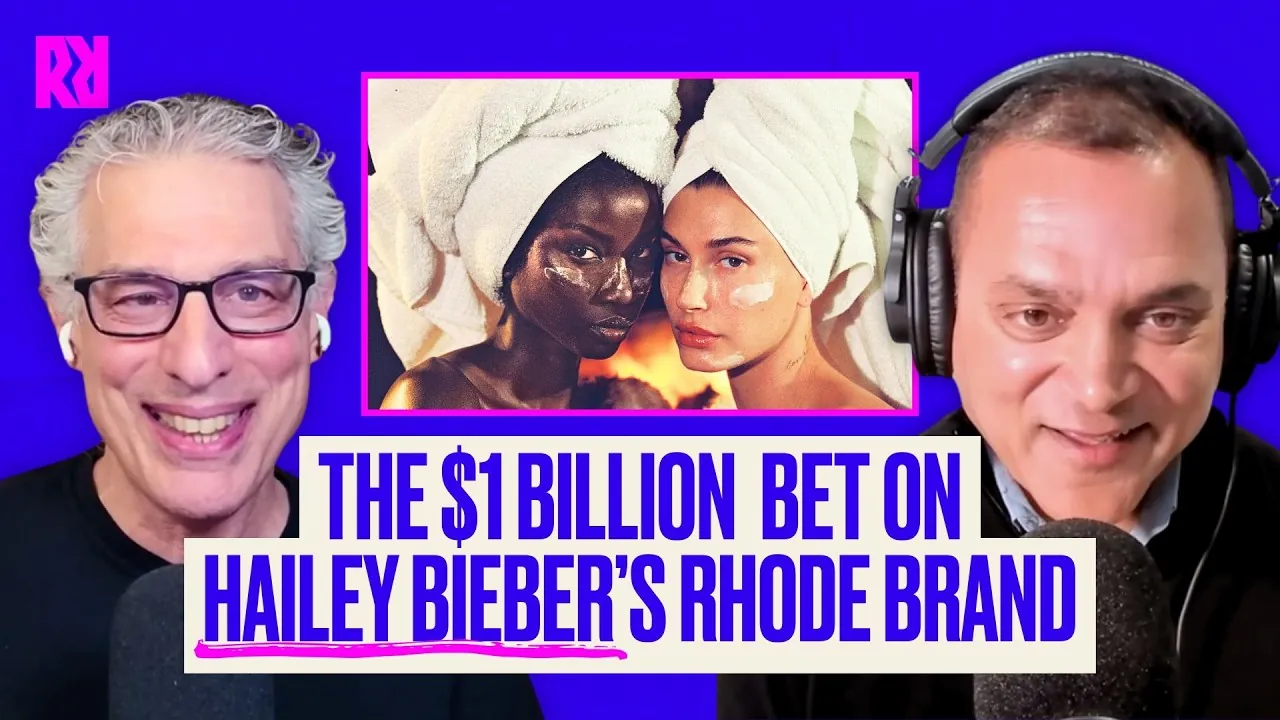
39. rhode: bring the founder and a creator network to Coachella
The play: At Coachella 2026 rhode hosted an invite-only activation during weekend one, co-sponsored by Sephora, Patrón and Postmates, for creators and brand partners.
Result: rhode led all brands at Coachella with $4.9 million in earned media value, from 818 posts across 521 creators as of press time, a total for the whole festival.
How it works:
- Creator count: rhode had the highest creator participation of any brand at the festival.
- The pop-up: rhode's mobile pop-up had product-discovery areas, glam stations, and branded food and drink moments.
- Other beauty brands: By CreatorIQ's data, e.l.f. Cosmetics reached $2.5 million in EMV at Coachella, Medicube $2.2 million and Neutrogena $1.7 million.
- Neutrogena's samples: Neutrogena gave out an estimated 145,000 units of Ultra Sheer Invisible Gel SPF 40 from a sampling area at Palm Springs Airport.
40. Instacart: host a creator dinner where every dish can be shopped
The play: On Aug. 6, 2026 Instacart served creators and VIP guests a five-course dinner inside a pop-up grocery aisle in L.A., and attendees could shop the recipes' ingredients on Instacart.
How it works:
- The invite: Instacart's Jamie Baron says that when the invite was released, it sold out in six minutes.
- Who was invited: With only 70 to 100 people at the event, Instacart chose content creators so that as many people as possible could experience it virtually.
- Partner brands: Each course of the Instacart dinner was centered on a CPG brand that was also on display, such as Siete tortilla chips and Maruchan ramen noodles.
- Time to film: Instacart's dinner had four seating times, so groups had enough time to move through each room and capture content.
- The bag to take home: Attendees left with an Instacart bag full of the recipes' ingredients, to recreate them at home and share them with their followers.
41. Rent the Runway: give one creator a month-long trip
The play: Rent the Runway and Air France sent creator Candace Marie Stewart on a month-long tour through France, to give one creator the time and space to live in the experience.
How it works:
- Posts owed: Candace Marie Stewart is on the hook for 37 posts over the trip, 20 of which will be Instagram stories.
- The cost: Rent the Runway gave no figures, but confirmed the cost is comparable to one part of a typical brand trip, and says brand trips often reach into the high six figures.
- The goals: Rent the Runway's goals for the campaign include social CRM, press, signups to RTR and impressions.
- Free to post: Candace Marie Stewart has the freedom to post what she wants and when, and to tell her own story as it relates to the two brands.
Part 2, what works in 2026: What stopped working
42. K2O: stop mass sampling for content on TikTok Shop
What stopped: K2O's CEO says giving away 10,000 samples a month to get a lot of content doesn't work on TikTok Shop anymore.
What he does now: K2O's CEO says you have to be a lot more targeted and find creators who would be a good fit and are not actively promoting competitors.
How it works:
- Who to pick: K2O's CEO says a brand new brand probably can't work with the top 10% of TikTok creators, and needs creators of a similar size who can grow with it.
- Go deep: K2O's CEO calls going deep with creators the most important part of the TikTok game today.
43. OpenAI: skip the luxury creator trip where the price becomes the headline
What stopped: In 2026 OpenAI took around 30 creators to a high-end farm resort in New York, and the backlash caused some of the invited creators to delete their posts.
The limit: Digiday says the backlash exposed that brand trips can work, but the format needs to change.
How it works:
- The price: Rooms ran $2,200 to $5,400 a night, and the price tag became the headline.
- Deleted posts: The backlash caused some of the invited creators to delete their posts, while others locked their comments.
- Other brands: Digiday says the same backlash hit a raft of brands this year, including Revolve and Kendall Jenner's tequila brand 818.
- Creators say no: Creator Heike Young turned down brand trips to both Coachella and Cannes Lions this year because she didn't see any value in them for her audience.
44. Bucked Up: stop paying a big influencer a flat fee for one post
What stopped: About 10 years ago Bucked Up paid an influencer with 670,000 followers on Instagram $1,000 for a post and got about 50 sales.
What it did next: A micro influencer offered to post for Bucked Up and be paid only for how many she sold.
How it works:
- Barely paid back: Bucked Up's CEO says that about 10 years ago the $1,000 post just barely paid for itself.
- The switch: About 10 years ago a micro influencer with less than 10,000 followers posted and did just as many sales as the big influencers.
Part 3, how the best agencies sell: First, set a floor and publish it
45. Viral Nation: publish your minimum on a pricing page
The play: Viral Nation's pricing page says a single service starts at $250,000.
How it works:
- Single service floor: Viral Nation says engagements start at $250,000 USD for a single service.
- Always-on floor: Multi-service, always-on programs typically begin at $1M+ a year, by its own site.
- Exceptions: It reviews exceptions case by case, and will talk to a Fortune 500 brand that wants to start at $100,000.
- Who it turns away: It says it does not take one-off micro engagements outside its ideal client profile.
- Campaign range: A single-flight creator campaign typically runs $250,000 to $5M+, inclusive of creator costs, by its own site.
- What the fee covers: Viral Nation says campaign fees cover strategy, creator sourcing and vetting, negotiation, contracting, project management, content QA, and measurement.
46. NeoReach: put a floor on each service
The play: NeoReach's pricing page sets a minimum engagement of $50,000 for full-service campaigns.
How it works:
- Full-service floor: The minimum engagement for a full-service campaign is $50,000, by its own site.
- UGC floor: UGC content programs start from $10,000.
- Three ways to buy: NeoReach sells per campaign, per project or on a retainer, and the retainer is a recurring monthly scope.
- What every deal includes: Every full-service engagement includes strategy, creator operations, campaign management and measurement.
- Speed to launch: NeoReach says it can activate campaigns in as little as seven days.
- Why the price is custom: NeoReach's home page says pricing is custom because campaigns are, scaled to scope, channels, and creator tier.
47. August United: ask for the budget on the contact form
The play: August United's contact form asks for a campaign budget, and the first choice is $50K-$100K.
How it works:
- Budget bands: The form offers three campaign budgets: $50K-$100K, $100K-$500K and Over $500K.
- What it sells: August United says it designs audience-first and outcome-based influencer programs.
- Named clients: A 2023 release says it works with clients like Microsoft, Samsung, Nestle, Sam's Club, Petsmart and P.F. Chang's.
- Full service: The same release says it provides full-service influencer marketing, from strategy to partnership management to content development and implementation.
- How it describes itself: August United calls itself a creator-led social media agency.
48. Ubiquitous: tell buyers what a full program costs
The play: Ubiquitous's own blog says a credible full-service program generally starts around $100K over a quarter.
How it works:
- Monthly figure: That comes to roughly $33K a month, by its own blog.
- What the figure covers: The figure covers creator fees, management, and production.
- Time to judge: Ubiquitous tells buyers to plan for a 3-month proof of concept before judging the channel.
- Named client result: One client story on its site is titled How Ubiquitous Helped Jinx Reach $100M in Revenue.
- Second client headline: Another client story is titled How Lyft Hit 8.1 Million Views, a $4.31 CPM, and Spiked Google Search Volume.
- Creator network: Ubiquitous says it has 40K+ creators to work with.
49. Superbloom: name a minimum, then bend it for the right brand
The play: Superbloom says its sweet spot has been a 50k minimum, and it will go lower, to 20k, for brands it feels confident in.
How it works:
- Where it bends: For a brand that's disrupting something, Superbloom says it can go as low as 20k.
- Watch time rule: Superbloom won't work with a creator who has less than a 25% average watch time.
- Holiday pricing: When creators ask for holiday pricing, Superbloom says it doesn't buy into any of that.
- Cancellation clauses: On long-term creator deals, Superbloom points to cancellation clauses as the safeguard.
- Training program: The Superbloom Accelerator is a six-to-eight-week training program for brand-side teams.
- Creator-led growth: Net Influencer says Superbloom's influencer programs are designed for measurable new customer acquisition, not just impressions.
50. Socially Powerful: print the minimum project size
The play: Socially Powerful's own site lists a minimum project size of $50,000+.
How it works:
- Minimum project: The minimum project size is $50,000+, by its own site.
- Influencer fees: It says influencer fees vary by influencer type and platform, starting from $100 per post for nano-influencers.
- Two ways to buy: Its pricing models include project-based and retained partnerships.
- Cost breakdown: Socially Powerful says every campaign comes with a clear breakdown of costs, with no hidden fees.
- Time to launch: It says a campaign can launch in as little as two weeks if expedited, and a well-planned one usually takes 4 to 5 weeks from briefing to execution.
- Named clients: Socially Powerful says it has worked with Amazon, TikTok, L'Oréal, Primark and Red Bull.
Part 3, how the best agencies sell: Next, pick how you charge
51. Billion Dollar Boy: sell both a retainer and a project
The play: Billion Dollar Boy says it works on both a retained and a project basis.
Result: Most of its global clients retain it, by its own site.
How it works:
- Two models: It supports always-on retainers for long-term annual commitments, and project-based work for campaign bursts.
- Who retains it: Most of its global clients retain it to manage creator strategy across multiple markets.
- Creator payment terms: Its standard terms pay creators 60 days from the date the content goes live.
- Brand safety guarantee: Billion Dollar Boy says it guarantees brand safety and suitability, using its own technology and human review.
- Accreditation: It calls itself the only social & influencer agency accredited by the IPA for effectiveness.
- Paid social: Its list of services includes paid social amplification and optimisation.
52. Viral Nation: charge for your work, not a margin on creators
The play: Joe Gagliese says Viral Nation dropped its margin on creator campaigns in 2020 and asked clients to pay for the work.
Result: Joe Gagliese says Viral Nation spends 30% less on creators than its competitive set, on average.
How it works:
- Creator cost shown: Viral Nation tells clients how much an influencer costs, and doesn't hide the cost of anything.
- The switch: In 2020 it stopped putting margin in creator campaigns, so the client pays for the work it's doing.
- Why it holds clients: Joe Gagliese says a rival now has to displace Viral Nation with the raw metrics and not creative ideas.
- Two budget lines: Its pricing page tells a brand to plan for two lines: the service fee and the pass-through costs.
- Creator spend: Joe Gagliese says Viral Nation spends 30% less on creators than its competitive set, on average.
- Who goes to the pitch: Viral Nation brings its leadership to a pitch as the thought leader, and Joe Gagliese says its win percentage on those deals is very high.
53. Insense: price the manager apart from the creators
The play: Insense, a platform with a managed service, lists a Dedicated Platform Manager from $2,500/month, creator cost not included.
How it works:
- Manager fee: The Dedicated Platform Manager is from $2,500/month, and creator cost is not included.
- Video package: Ready-To-Go UGC videos are from $3,500 for 8 custom videos, and that price includes creator cost.
- Hours saved: Insense says the manager saves a team 40+ hours.
- Sample pricing: The page says the pricing shown reflects a common setup, and final proposals are tailored.
- What the manager does: The manager handles campaign launches, manages creator operations and collects the final deliverables on time.
- Software price: The self-service platform is a software plan, listed from $500/month.
54. Vamp: let a buyer start with one campaign
The play: Vamp, a platform with a managed service, lets a brand run a single campaign with no retainer, with budgets from $1,000.
How it works:
- Starting budget: Campaign budgets start at $1,000, by its own site.
- No retainer: Pay-as-you-go runs a single campaign with no retainer or long-term agreement.
- Longer programmes: Vamp Pro and Enterprise programmes run on a 12-month minimum.
- Platform fee: Campaigns are subject to a variable platform fee.
- Creator prices: The brand sees an upfront price for every creator at the selection stage.
55. Influentials: sell three levels of help
The play: Influentials, a platform with a managed service, sells three levels of support and lets the buyer choose how much to hand over. Its page is in Dutch.
How it works:
- Three levels: The page is in Dutch, and it says: three levels of support, choose how much you want to outsource.
- Briefing service: The Briefingservice is from €350: Influentials lays the strategic foundation and the buyer runs the campaign.
- Brief and Select: Brief and Select is from €525: Influentials sets the strategy and finds the creators, and the buyer runs the campaign.
- Fully managed: Fully managed has a custom price, and Influentials takes on the whole campaign from start to finish.
- Fee and rewards: Creator rewards, in product or money, sit apart from the service fee and are agreed in the intake call.
- Costs up front: Influentials says its team gives a full cost overview before anything is confirmed.
56. OpenSponsorship: add a full-service tier that costs more
The play: OpenSponsorship, an athlete influencer marketplace, says it added a full-service model: the client gets time back and pays a bit more.
How it works:
- Full-service model: OpenSponsorship's team says the full-service model gives the client the time back, and the client pays a bit more.
- Price rise: OpenSponsorship's team says it's about to raise its prices a little bit, because it services so much.
Part 3, how the best agencies sell: Then promise something specific
57. Carusele: guarantee the impressions and the clicks
The play: Carusele's partnership ads package lists guaranteed true-view impressions and clicks.
Result: Carusele says one program beat the benchmark by 22% on Kroger's own sales data.
How it works:
- The guarantee: The Amplifiers package, for partnership ads and whitelisting, lists guaranteed true-view impressions and clicks.
- Priced packages: Carusele lists The Classic, its full-service influencer program, from $25,000.
- UGC video: UGC-style video is from $7,500 and fully licensed for paid use.
- Pay on sales: Its affiliate program is priced as a low monthly fee plus a percentage of sales.
- Kroger test: The Kroger program ran across six markets, three test and three control.
- TikTok subsidy: Carusele says that because it is a TikTok Agency Partner, TikTok subsidizes part of creator payments.
58. Sway Group: put the guarantee on the home page
The play: Sway Group's home page says it guarantees results.
How it works:
- The guarantee: The home page says we guarantee results, and gives no terms for the guarantee on that page.
- More content per dollar: Massive Sway, created in 2023, uses primarily nano influencers and removes pre-launch content review.
- Content without the post: In a CGC campaign the influencers do not post on their feed, so the brand doesn't pay for exclusivity, usage, or reach.
- White label: Sway Group can serve as a white-label influencer partner for another agency.
- Approval rights: In a traditional campaign the brand chooses creators from a vetted list and approves the content before it goes live.
- Years in business: Sway Group says it has been connecting brands with creators since 2011.
59. UGC agency model: back the first offer with money back
The play: One plan for a UGC agency remakes a brand's winning ads for a onetime fee, with an optional guarantee of money back if they don't perform similar or better.
How it works:
- What this is: It's a plan for a $1 million per year UGC agency, laid out in a how-I-would-build-it video, not a running agency's price list.
- Intro offer: The intro offer is a onetime fee, with an optional guarantee of money back if the ads don't perform similar or better.
- Monthly offer: The recurring offer is $5,000 a month for 10 to 20 different creatives.
- Mastermind tier: A higher tier he floats is a UGC mastermind with a call once per week.
- Feedback channel: The lowest tier is a feedback channel that answers questions for $500 or $1,000 per month.
- Entry product: The entry product in the plan is a list of 100 hooks for UGC ads, priced at about $100.
60. Obviously: promise the client its own data
The play: Obviously's site says all first-party data from its creator network belongs to the client.
How it works:
- Who owns the data: Obviously says all first-party data belongs to you, the client.
- Exclusive network: It sells end-to-end services that are exclusive to the brand and completely customized.
- Custom dashboard: The creator network comes with a custom dashboard for monitoring all aspects of the campaigns.
- Collaboration count: Its site counts 152,562 influencer collaborations.
- Ambassador lift: Obviously says ambassador content and events see a 65% lift in engagement over one-off campaigns.
- Competitor analysis: It offers a detailed analysis of the influencer content made by the brand and its competitors, including influencer costs.
Part 3, how the best agencies sell: After that, say what is included
61. Linqia: tell the brand how little it has to do
The play: Linqia says it needs brand input at just three touch points: creator list review, content brief review and content review.
How it works:
- Three touch points: Brand input is required at creator list review, content brief review, and content review.
- What Linqia handles: Linqia's team handles creator negotiations, contracting, and management.
- Paid reach: It runs creator-handle ads through allowlisting to reach broader audiences.
- Outside measurement: It offers integration with 15+ third-party measurement partners.
- Awards: Its campaigns for Danone, Instacart, and Noodles & Company have been recognized by the Shorty Awards.
- How it describes itself: Linqia calls itself the leading independent influencer marketing agency in the US.
62. The Goat Agency: sort your services into five buckets
The play: The Goat Agency splits its influencer services into five buckets: strategy, discovery, content, amplification and commerce.
How it works:
- Five buckets: The five buckets are strategy, discovery, content, amplification and commerce.
- No talent roster: Goat does not manage or represent creators, and says that keeps its influencer selection neutral.
- Paid media: Goat says it pioneered influencer-led paid media as a channel.
- No price on the page: Its FAQ gives no price: to get started, a brand fills in the online form on the Contact page.
- First big client: Goat says its first annual 7-figure client allowed it to scale.
- Award shortlist: Goat says it is a finalist for Campaign's Global Social Media Agency of the Year for the third year running.
63. Open Influence: say you are a service, not software
The play: Open Influence says it is not a SaaS platform, and that it offers fully managed influencer marketing services supported by tech.
How it works:
- Service, not software: Open Influence says it offers fully managed influencer marketing services supported by tech, not defined by it.
- What the team handles: Its team handles everything from strategy and creative to influencer sourcing, campaign execution, and performance optimization.
- Contracts: Under Contracting & Negotiation it lists everything from rate negotiations to usage rights.
- Paid amplification: It scales top-performing content through whitelisting, targeting, and media planning.
- Fortune 500 share: Open Influence says 38% of its clients are Fortune 500 brands.
- Renewal rate: Open Influence says it has a 92% renewal rate.
64. Influencer: show the vetting behind every creator
The play: Influencer, the agency at influencer.com, says all creators are vetted via its stringent 5 stage process.
How it works:
- Five-stage vetting: All creators are vetted via a 5 stage process for safety, compliance and performance, by its own site.
- A named process: It calls its process The Influencer Way.
- Bespoke packages: It says it aligns its services to the client's priorities and crafts creator-focused packages.
- Affiliate programs: It builds always-on, cross-platform affiliate programs.
- Recall figure: Influencer says its campaigns deliver +16% higher recall on Instagram, and names Element Human, 2025 as the source.
- Founders: Influencer says it began in 2015 with Ben Jeffries and Caspar Lee.
65. inBeat: open with a free discovery call
The play: inBeat's site says the process begins with a free discovery call to understand the brand and its objectives.
How it works:
- First step: The process begins with a free discovery call, by its own site.
- Creator testing: inBeat says it tests and selects creators on brand values, audience demographics, and engagement levels.
- Paid media: It sells paid media with weekly optimization.
- Client headline: One client headline on its site reads Increasing ROAS by 300% through a full-funnel strategy.
66. HireInfluence: say you sell no canned packages
The play: HireInfluence's home page says no canned packages here, and that campaigns are designed around the objectives and KPIs of each client.
How it works:
- No canned packages: Its campaigns are designed around the objectives and KPIs of each client, by its own site.
- Fully managed: HireInfluence says it delivers fully-managed influencer marketing campaigns.
- Manual talent selection: It says it sources creators through an extensive, manual selection and validation process.
- Reporting: Its project analytics include EMV, Sentiment and Conversion Tracking.
- Years in business: HireInfluence says it has served brands since 2011.
Part 3, how the best agencies sell: Last, prove it with names and numbers
67. Whalar: quote a number someone else measured
The play: Whalar's home page says Nielsen found its campaigns had an ROI of $2.41.
How it works:
- Nielsen figure: Whalar says Nielsen found its campaigns had an ROI of $2.41, above all other media channels measured.
- Campaign management: Under Activate, Whalar lists end-to-end premium campaign management.
- Creator paperwork: It lists contracting, onboarding and payment as part of the same service.
- Paid amplification: It lists paid amplification strategy, execution, and optimizations.
68. Kynship: put the client's number in the headline
The play: Kynship titles a client story How Kynship Helped WildBird 14X Revenue At 22% Profit In 3 Years.
How it works:
- WildBird headline: The WildBird headline names the client and the figure: 14X revenue at 22% profit in 3 years.
- Purdy & Figg headline: A second headline reads From £452K to £50M, for Purdy & Figg.
- Three stages: The Kynship System is made up of 3 key stages: Forecasting, Creative and Conversion.
- A priced app: The Kynship App, for sending product to influencers, is $69.99/month with a free trial.
- How it describes itself: Kynship calls itself an Ecommerce growth agency that scales new customer revenue.
- What the app does: The app sends, tracks, and reports influencer orders inside the brand's store.
69. Fanbytes: name the clients and the growth rate
The play: Brainlabs, which acquired Fanbytes, says the Fanbytes client list includes Samsung, H&M, Estee Lauder, Mattel, Ubisoft, and Nike.
Result: Brainlabs says Fanbytes grew 130% YoY for the last five years.
How it works:
- Named clients: The acquirer's post lists Samsung, H&M, Estee Lauder, Mattel, Ubisoft, and Nike as clients.
- Growth figure: Brainlabs says Fanbytes grew 130% YoY for the last five years.
- Brands served: The same post says Fanbytes offers its services to over 500 brands.
- Data tool: Brainlabs says Fanbytes campaigns are powered by its own data tool, Bytesights.
- Creator database: The Drum reports that Fanbytes offers brands a database of 3 million influencers on TikTok and Instagram.
- Brand kept: The Drum reports that Fanbytes will retain its brand after the sale.
70. Digital Voices: put a return per dollar on the home page
The play: Digital Voices' home page lists $8 earned for every dollar spent on Influencer Marketing.
How it works:
- Return per dollar: Its home page lists $8 earned for every dollar spent on Influencer Marketing, as its own figure.
- Historic data: Digital Voices says its campaigns are built using a decade's worth of historic performance data.
- End-to-end campaigns: It says it runs localized campaigns from end to end.
- Brand approvals: Brands approve influencers and content in its campaign management platform, Chord.
- Usage rights: It negotiates usage rights so influencer content can run as paid social advertising.
- Live dashboards: Clients can access live performance data on its interactive dashboards.
71. The Outloud Group: print the ranges a buyer can expect
The play: The Outloud Group's site lists a cost per acquisition range of $30-300 for YouTube integrations, and says it varies based on product or service.
How it works:
- Cost per acquisition: For YouTube integrations, its site lists a cost per acquisition range of $30-300, which varies based on product or service.
- CPM range: The same block lists a CPM range of $30-100, dependent on vertical & creator.
- Instagram Stories: For Instagram Stories, its site lists a $100 average cost per conversion.
- What it sells: The Outloud Group describes its work as influencer and podcast marketing campaigns with clear results.
- Part of the team: The Outloud Group says it acts as an extension of the client's team.
- Named client: A quote on its home page calls Outloud an increasingly important partner for AG1.
Part 3, how the best agencies sell: What most agencies leave off the page
72. The Goat Agency: answer how to start with a contact form
The play: The Goat Agency's FAQ answers how to get started by sending the buyer to the online form on its Contact page.
How it works:
- The form: The FAQ says to get in touch via the online form on its Contact page.
- Then a reply: A member of the team then reaches out for more information on what the buyer is looking for.
- Then a call: Goat says it usually likes to jump on an intro call too, if there's time.
- Then a proposal: One of its Client Managers then works with the buyer from Brief to Proposal.
73. Insense: call the listed price a sample
The play: Insense, a platform with a managed service, says the pricing shown reflects a common setup and final proposals are tailored.
How it works:
- Sample pricing: Final proposals are tailored based on creators, requirements, and concept complexity, by its own page.
- Scouting price: For Influencer Scouting, the page says get customized pricing based on your campaign needs.
- Custom package: Insense says its experts help build a customized package that fits the campaign objectives and budget.
74. Sway Group: price admin work on a custom basis
The play: Sway Group says influencer administration is priced on a custom basis, depending on the brand's individual needs.
How it works:
- Custom basis: Influencer administration is priced on a custom basis, depending on the brand's individual needs.
- What admin covers: Sway Group says it can provide back-office support for contracts, payments, and metrics.
- Next step on the page: The page ends on a button that reads Reach Out For a Conversation.
- Home page offer: The home page asks the buyer to schedule a free strategy session.
75. Viral Nation: keep exceptions and terms case by case
The play: Viral Nation's pricing page says it considers exceptions case by case for enterprise brands, including pilots and first engagements below the standard minimum.
How it works:
- Exceptions: Viral Nation considers exceptions case by case for enterprise brands, including pilots and first engagements below the standard minimum.
- What the minimum is: The page calls the minimum a qualification threshold, not a wall.
- Content production: Viral Nation says content production is priced case by case, and has ranged from $50,000 to $1M+.
- Payment terms: Payment terms are set case by case, with net 30 as the standard.
- Usage rights: Organic usage rights and paid usage rights are separate rights, and Viral Nation says they are priced separately.
- Extra review: Programs with unusual complexity go through additional review before Viral Nation issues a scope.
Sources
- 1. Gymshark uk.gymshark.com, awin.com, row.gymshark.com
- 2. WHOOP YouTube at 1:24:36, nflpa.com, sportico.com
- 3. Bloom Nutrition YouTube at 37:41, netinfluencer.com
- 4. Alo Yoga bloy.io, netinfluencer.com, YouTube at 13:16
- 5. Glossier qz.com, adiaadores.com
- 6. LMNT thefoodstack.substack.com, partners.drinklmnt.com
- 7. Manscaped thoughtleaders.io, sponsorradar.com
- 8. AG1 marketingbrew.com
- 9. Poppi YouTube at 4:21, fortune.com, prnewswire.com
- 10. e.l.f. investor.elfbeauty.com, shortyawards.com
- 11. Feastables archrival.com
- 12. Celsius bevnet.com, marketingbrew.com, celsius.com
- 13. Liquid I.V. bevnet.com, YouTube at 13:40, ads.tiktok.com
- 14. Neutonic gymfluencers.agency, tech.eu
- 15. Unilever digiday.com, mediapost.com, netinfluencer.com
- 16. Bloom YouTube at 5:47, YouTube at 8:57, YouTube at 10:51, YouTube at 12:41, YouTube at 31:35, YouTube at 48:36
- 17. Cadence YouTube at 54:23, YouTube at 54:39, YouTube at 1:06:39
- 18. Ground News netinfluencer.com
- 19. Neuro YouTube at 18:57, YouTube at 19:27, YouTube at 20:23, YouTube at 29:38, YouTube at 5:34, YouTube at 11:02
- 20. Magic Mind YouTube at 16:23, YouTube at 17:56, YouTube at 18:08, YouTube at 16:40, YouTube at 5:12
- 21. Bucked Up YouTube at 27:20, YouTube at 26:40, YouTube at 27:07, YouTube at 21:04, YouTube at 22:11, YouTube at 56:10
- 22. Poca YouTube at 36:35, YouTube at 36:53, YouTube at 54:59, YouTube at 1:00:09, YouTube at 15:26
- 23. K2O YouTube at 24:18, YouTube at 31:21, YouTube at 32:25, YouTube at 5:07, YouTube at 33:52, YouTube at 21:43
- 24. Ridge YouTube at 34:31, YouTube at 35:11, YouTube at 35:48, YouTube at 35:44
- 25. Sephora marketingbrew.com
- 26. Gap Inc. ca.fashionnetwork.com
- 27. Aire newsroom.tiktok.com
- 28. Summer Fridays YouTube at 28:40, YouTube at 40:31, YouTube at 40:34
- 29. HexClad YouTube at 36:09, YouTube at 19:52, YouTube at 30:31, YouTube at 1:05:52, YouTube at 1:10:35
- 30. Seed Health YouTube at 15:36, YouTube at 58:01, YouTube at 22:58, YouTube at 27:09, YouTube at 1:13:34
- 31. Halfdays YouTube at 46:17, YouTube at 48:42, YouTube at 48:56, YouTube at 0:32, YouTube at 49:14, YouTube at 32:37
- 32. Hint YouTube at 18:20, YouTube at 19:19, YouTube at 18:34
- 33. Bobbie YouTube at 12:38, YouTube at 40:33, YouTube at 1:17:45
- 34. IM8 finance.yahoo.com, YouTube at 17:45, YouTube at 17:15, YouTube at 18:18
- 35. Zevia fool.com
- 36. Culture Pop YouTube at 16:51, YouTube at 17:05
- 37. La Sportiva YouTube at 28:35, YouTube at 37:18
- 38. Space NK YouTube at 23:21, YouTube at 29:31, YouTube at 39:52, digiday.com, YouTube at 32:54
- 39. rhode beautymatter.com
- 40. Instacart eventmarketer.com
- 41. Rent the Runway digiday.com
- 42. K2O YouTube at 5:31, YouTube at 5:02
- 43. OpenAI digiday.com
- 44. Bucked Up YouTube at 26:40, YouTube at 27:07
- 45. Viral Nation viralnation.com
- 46. NeoReach neoreach.com, neoreach.com (2)
- 47. August United augustunited.com, cmswire.com
- 48. Ubiquitous ubiquitousinfluence.com, ubiquitousinfluence.com (2), ubiquitousinfluence.com (3)
- 49. Superbloom YouTube at 1:13:34, YouTube at 58:01, YouTube at 35:26, netinfluencer.com
- 50. Socially Powerful sociallypowerful.com
- 51. Billion Dollar Boy billiondollarboy.com
- 52. Viral Nation YouTube at 21:18, YouTube at 21:50, YouTube at 22:05, viralnation.com, YouTube at 22:16, YouTube at 17:02
- 53. Insense insense.pro
- 54. Vamp vamp.com
- 55. Influentials influentials.com
- 56. OpenSponsorship YouTube at 20:47, YouTube at 30:31
- 57. Carusele carusele.com
- 58. Sway Group swaygroup.com, swaygroup.com (2)
- 59. UGC agency model YouTube at 0:02, YouTube at 3:01, YouTube at 4:15, YouTube at 6:48, YouTube at 7:56, YouTube at 22:23
- 60. Obviously obvious.ly, obvious.ly (2)
- 61. Linqia linqia.com, linqia.com (2)
- 62. The Goat Agency goatagency.com, goatagency.com (2)
- 63. Open Influence openinfluence.com, openinfluence.com (2)
- 64. Influencer influencer.com, influencer.com (2)
- 65. inBeat inbeat.agency
- 66. HireInfluence hireinfluence.com
- 67. Whalar whalar.com
- 68. Kynship kynship.co, apps.shopify.com
- 69. Fanbytes brainlabsdigital.com, thedrum.com
- 70. Digital Voices digitalvoices.com
- 71. The Outloud Group outloudgroup.com, outloudgroup.com (2)
- 72. The Goat Agency goatagency.com
- 73. Insense insense.pro
- 74. Sway Group swaygroup.com, swaygroup.com (2)
- 75. Viral Nation viralnation.com
What works in influencer marketing in 2026?
Bring in a famous name who already uses the product
13. Bobbie: sign the celebrity who is already a customer
- Zevia and Cardi B: Zevia says the announcement of its partnership with Cardi B generated 152 million editorial impressions in the first week.
Bring creators together in person
15. Space NK: take creators and celebrities on one trip with your brand partners
- rhode at Coachella: rhode led all brands at Coachella with $4.9 million in earned media value, from 818 posts across 521 creators as of press time.