 Influencer Advisory™
How to build an influencer flywheel in 25 steps
For you if: Your finding a lot of one-off creators and want to create a compounding influencer system, You are actively scaling your influencer program.
Founder · September 26, 2026 · 14 min read
Hormozi deck (Not posted)
For you if:
- Your finding a lot of one-off creators and want to create a compounding influencer system
- You are actively scaling your influencer program
1. Compounding Efforts
A flywheel is a wheel that keeps turning: each turn with a creator builds on the last, compounding your effort instead of starting over.
Each turn of the flywheel builds upon work done earlier, compounding your investment of effort.
Read it: jimcollins.com, 2001 (Good to Great):
- Amazon's flywheel: Coming out of the 2001 crash, Amazon named its own flywheel's drivers and turned it again and again. (jimcollins.com, 2019)
- HubSpot's funnel swap: HubSpot's CEO retired the sales funnel he used for 28 years and switched to the flywheel. (Harvard Business Review, November 20, 2018)
2. The Matthew effect: small edges compound
Merton's 1968 theory says an early edge does not stay flat, it snowballs into a bigger one.
Look at the first small win with a creator and build the next one directly on top of it.
The sociologist Robert K. Merton called this phenomenon the Matthew effect, named after a passage in the gospel of Matthew.
Read it: Columbia University Press, February 2010
Step 1: Select on data
3. Our data: a rebooked creator isn't safer
47.5%, 39.3%, 38.5%: the raw rebook rate whether the creator is new, tried once, or already rebooked by someone else.
Leave out pairs running on one permanent discount code or link: 33.7%, 29.4%, 29.4%, no lift either way.
What matters is the creator's record with you, not another brand's; the rebooking odds later on this page show that curve.
Our data: 475,370 sponsored YouTube videos, 208,649 brand and creator pairs, 2012 to 2026, YouTube only. First videos on or before 2025-04-30, so every pair had a year to come back.
4. YouTube: rewards channels with returning viewers
YouTube's own algorithm sends more reach to channels whose viewers keep coming back, at least monthly for 6 months in the past year.
Our recommendation system aims to offer viewers more videos and channels they’re likely to enjoy. If viewers are returning to your channel regularly to watch more, they’re more likely to be recommended more of your videos in the future.
Read it: YouTube Help (Google), 2026
The research:
- Retention report: YouTube's own retention report shows exactly which moments in a video held viewers and which lost them. (YouTube Help (Google), 2026)
5. Parasocial bonds: the bond becomes trust, then sales
A 304-person survey found credibility builds a parasocial bond, the bond builds trust, and trust is what raises the intent to buy.
a sequential mediation effect is identified, whereby parasocial relationships strengthen trust, ultimately leading to increased purchase intention.
Read it: Frontiers in Communication (peer-reviewed journal), 08 September 2026
6. Goldilocks influencers: bigger isn't more engaged
Across 1,700+ influencers, engagement rises then falls as followers grow, so the biggest audience isn't the most engaged one.
Look for the peak of that curve, not the biggest following: past a point, more followers get you less engagement.
the relationship between an influencer’s follower count and engagement follows an inverted U-shape.
Read it: Journal of Marketing, via ama.org, 2023
The research:
- Blogger traits: Real customer data and an experiment found engagement depends on the blogger's own traits and the post's content. (Journal of Marketing, via ama.org (AMA Insights in the Classroom), 2019)
- Bigger isn't better: Instant Hydration's co-founder says a bigger influencer isn't automatically a better one. (hear it at 28:36)
7. Newton's CMO: rebook only what performs
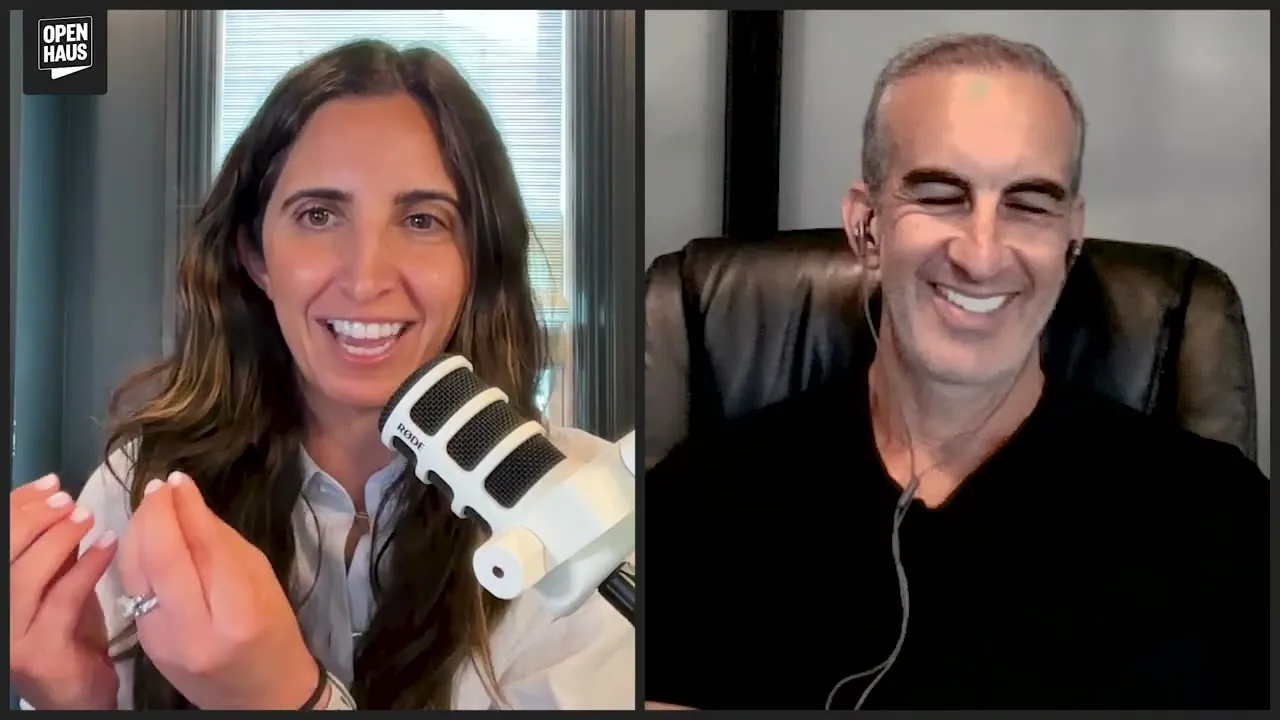
Newton's CMO says the brand measured everything possible and only rebooked the influencers who actually performed.
we kind of patched together a strategy with in very close connection with the agency that we were working with to measure everything humanly possible um and really make sure that we were only rebooking influencers who actually performed
Hear it: Incrementality Testing at Scale: Lessons from Newton CMO Aaron Zagha | Open Haus Podcast
The research:
- Retail media data: Walmart Connect's SVP says retailers now match their own sales data to specific creators, not gut feel. (Modern Retail (Digiday Media), by Mitchell Parton, April 13, 2026)
Do this:
- Rank creators on their own rebook record with you, since another brand's history won't tell you.
- Check whether viewers return monthly for 6 months, since YouTube rewards that with reach.
- Track what each creator delivers, and rebook only the ones who actually performed.
Step 2: Test the fit
8. Explore vs exploit: don't rush the payoff
March's 1991 theory warns that jumping straight to exploiting what works pays off short term and costs you long term.
Exploring means testing new creators; exploiting means doubling down on ones that already work, and rushing to exploit costs you long term.
This paper considers the relation between the exploration of new possibilities and the exploitation of old certainties in organizational learning.
Read it: Organization Science (INFORMS), via EconPapers/RePEc, 1991
9. Our data: most deals never repeat
62.5% of brand-creator pairs never go past one video.
Those that do wait a median 49 days before the second.
Our data: 475,370 sponsored YouTube videos and 208,649 brand-creator pairs, YouTube only.
10. Teami: test small before you scale
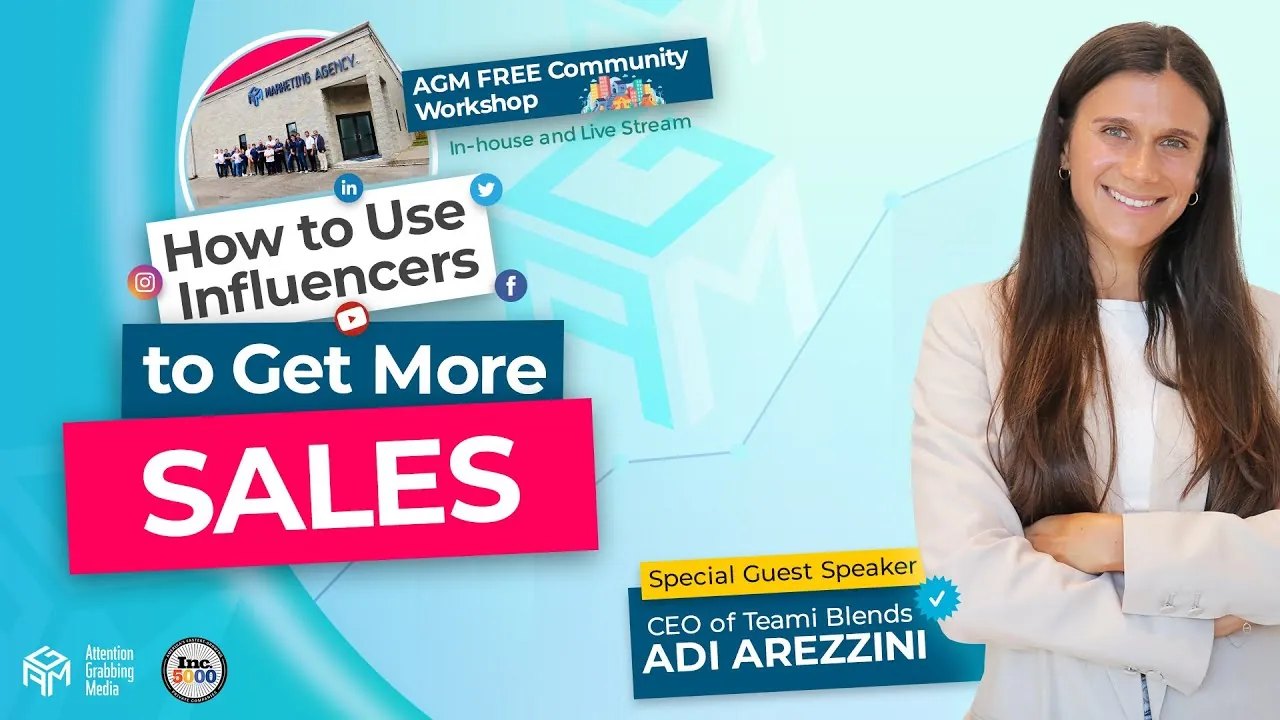
Teami's founder says test macro influencers first, from a hundred to a thousand dollars each, not the ten thousand dollar names.
start slowly testing macro influencers in the same niches as what worked in your micro infra your micro influencer campaign start with a hundred to a thousand dollars as a test budget for each influencer don't go to the ten thousand dollar people start with people that a hundred dollars see what happens
Hear it: How to Use Influencers to Get More Sales | Adi Arezzini
The research:
- 300-creator seed test: Neurogum's co-founder says they seeded free product to a budget of 300 creators as a test. (hear it at 18:30)
11. Pixel 7a: creator ads beat old ones
Google's Pixel 7a test checked results after two weeks, and by the four-week mark watch time was up 49%, consideration up 128%, cost per lifted user down 56%.
After just two weeks, the team saw that the creator-led ads drove consideration and awareness KPIs faster than the traditional ads.
Read it: Think with Google, 2026
The research:
- Geo experiments: Google's own paper says randomly splitting regions into control and treatment is a simple, reliable way to test. (Google Inc. (research.google), 2011)
12. Bandit testing: shift spend to winners live
A live test across over 750 million bank ad impressions found shifting spend toward what's already winning raised results 8% over two months, at no extra cost.
Over the course of two months, our policy achieved an 8% improvement in the customer acquisition rate, relative to a control policy, without any additional costs to the bank.
Read it: Marketing Science (INFORMS), via EconPapers/RePEc, 2017
Do this:
- Test new creators before doubling down on ones that already work.
- Set a test budget of $100 to $1,000 a creator, not the $10,000 names.
- Move spend toward what's winning: a live test lifted results 8% in 2 months.
Step 3: Scale winners
13. Nielsen: creative is most of the win
Nielsen found strong creative is the overwhelming driver of sales success, up to 80% for TV and 89% for digital.
when creative is strong, it’s the overwhelming driver of in-market success: up to 80% for traditional TV and 89% for digital advertising
Read it: Nielsen, October 2017
14. Truvani: prove it before you scale
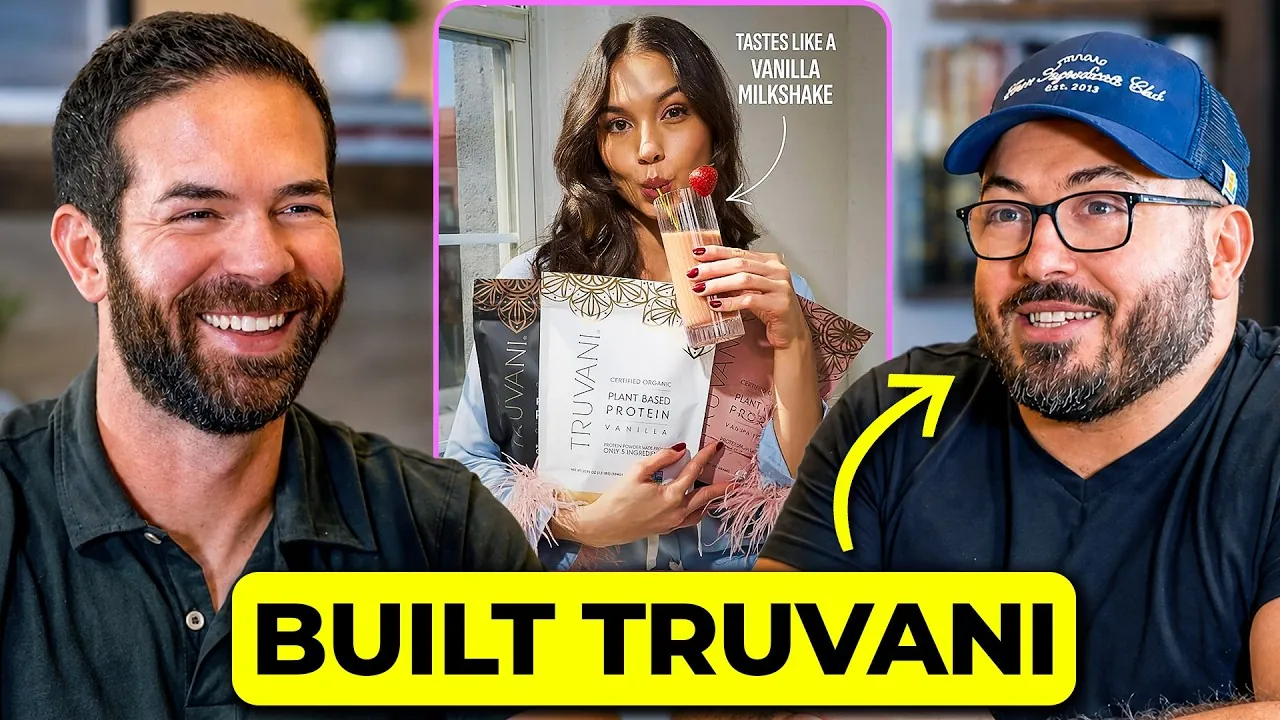
Truvani's founder says proof of concept is the company's top rule: prove a tactic on 5,000 samples before doubling it to 50,000.
proof of concept is the number one guiding principle at our company. we will prove it before we double down on it.
Hear it: Truvani Founder on Building a Brand Worth Hundreds of Millions | Derek Halpern
15. Our data: winners take most of the budget
Pairs that reached 3+ videos carry 65.8% of every sponsored video, and 10+ pairs carry 34.8%.
Leave out pairs running on one permanent discount code or link, and it's 40.6% and 18.8%.
Our data: 475,370 sponsored YouTube videos and 208,649 brand-creator pairs, YouTube only.
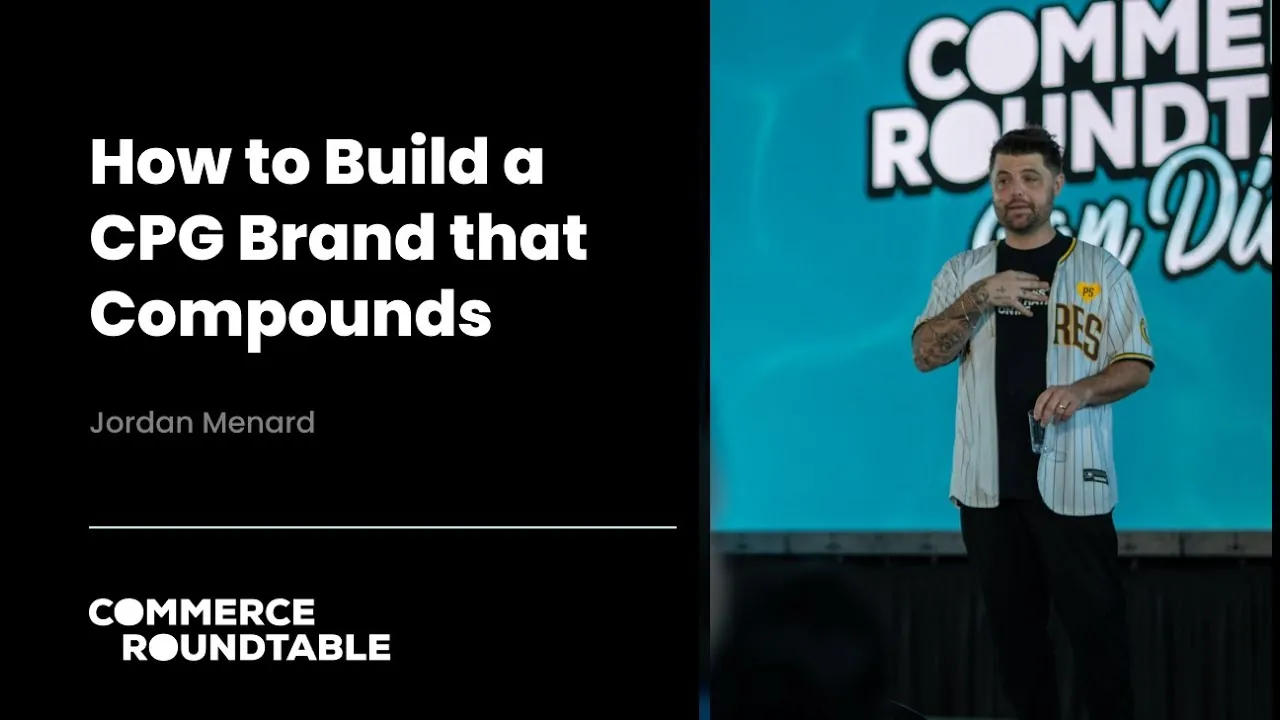
16. Instant Hydration: $5M on Helen's ads
Instant Hydration's co-founder says they've spent $5 million on one creator's ads because she's down to play ball.
We have this girl, Helen. We've spent $5 million on Helen's ads. $5 million just on her ads. And the reason is she's down to play ball.
Hear it: Subscription Growth Engines: How to Build a CPG Brand that Compounds
17. AG1: never cancel a podcast that works
AG1's CRO says the brand works with hundreds of podcasters and would rather keep building the relationship than cancel what's working.
What we don't want to do is cancel anything," Corne said. "We want to make sure that we stay, because we want to continue to build more and more relationships.
Read it: Marketing Brew, September 15, 2022
18. Meta: creator ads doubled to $10B
Meta's CFO told investors its Partnership Ads product, creator content turned into paid ads, more than doubled year over year to $10 billion in Q1.
Once a creator's video works, run it as a paid ad through Meta's Partnership Ads.
This is contributing to rapid growth in our partnership ads product, with its revenue run rate more than doubling year over year in Q1 to $10 billion.
Read it: The Motley Fool (transcript of Meta Platforms' Q1 2026 earnings call), April 29, 2026
Do this:
- Test a tactic on 5,000 samples before doubling it to 50,000.
- Keep strong creative in rotation, behind up to 80% of TV and 89% of digital wins.
- Turn a working creator video into a paid ad, as Meta's revenue doubled to $10 billion.
Step 4: Build belief
19. Persuasion knowledge: people learn to spot a pitch
People build up their own knowledge of marketers' tactics over time.
They draw on that knowledge to spot, discount, or resist a persuasion attempt.
Skip the celebrity for the sponsored post: labeling one 'Sponsored' only triggered distrust when a celebrity did the posting.
In theories and studies of persuasion, people's personal knowledge about persuasion agents' goals and tactics, and about how to skillfully cope with these, has been ignored.
Read it: Journal of Consumer Research (Oxford Academic / Oxford University Press), archived copy of the publisher's abstract page via Wayback Machine, June 1994
The research:
- Sponsored labels: Labeling a post 'Sponsored' only triggered distrust when a celebrity posted it, cutting how much people shared it. (Journal of Interactive Marketing, via Wageningen University & Research's institutional research portal, 1 May 2017)
20. Narrative transportation: stories change belief
Green's own theory says getting absorbed in a story carries that story's beliefs into how a person judges the real world afterward.
Brief creators for their own true story, not a script: getting absorbed in it carries its beliefs into real-world judgment.
we have explored a process we call "transportation into narrative world", a type of mental involvement in narratives that may facilitate the integration of knowledge from the narrative world into real-world judgments
Read it: Melanie C. Green's own faculty profile, Social Psychology Network, 2000
The research:
- Own genuine story: Talkspace's CMO says they ask creators for their true, genuine story instead of a script. (hear it at 0:23)
21. Blenders: its creator is chief content officer
Blenders made a creator with 50 million followers its chief content officer on a multi-year deal, its biggest partnership yet, because its CEO doesn't believe in renting a customer.
I don't necessarily believe in renting a customer or renting culture.
Read it: Digiday, August 21, 2026
The research:
- Repeated connection wins: Zevia's CMO says ongoing connection with a creator's community breaks through better than a single ad. (Digiday, August 3, 2026)
22. True Classic: partners, not transactions
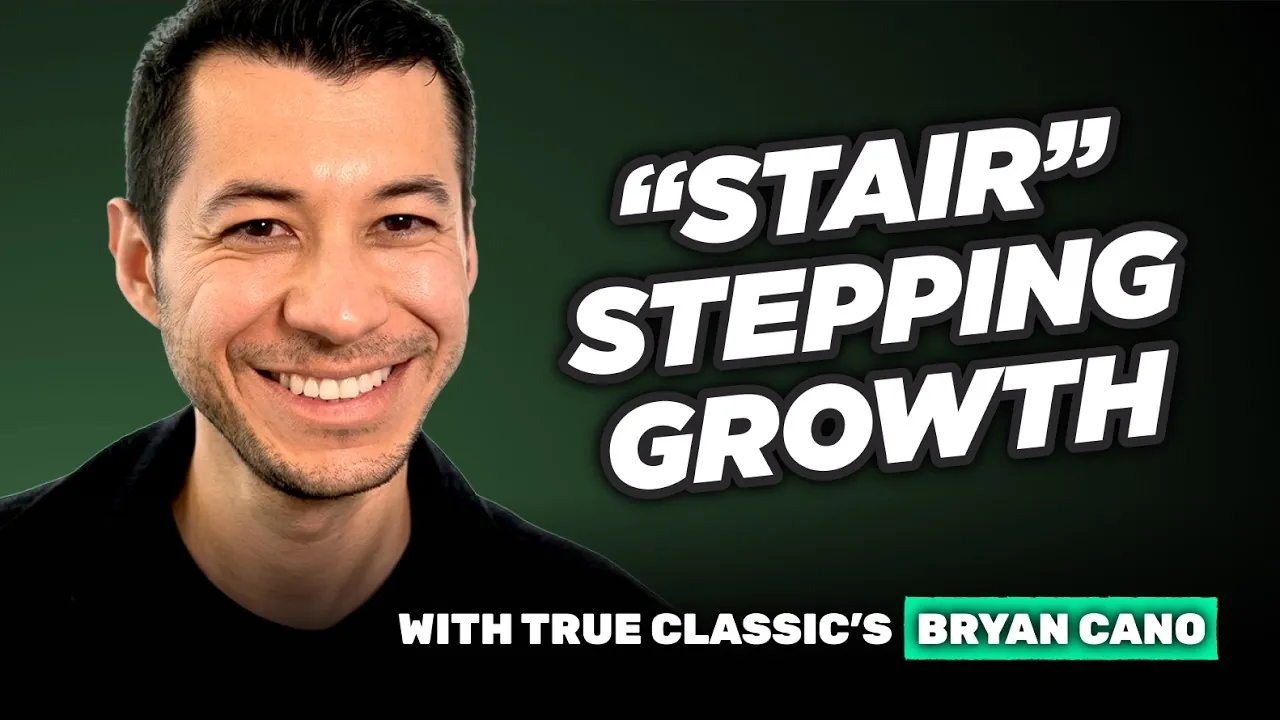
True Classic's marketing lead says influencer marketing as one-off paid posts is dying, replaced by affiliate creators treated as partners who win together with the brand.
I think we're going to see influencer marketing die but we're going to see this rise of creator networks, affiliate networks where it is not a transaction but rather we win together.
Hear it: Your Step-By-Step Growth Framework With Bryan Cano (True Classic)
23. Neurogum: one cool voice pulls more
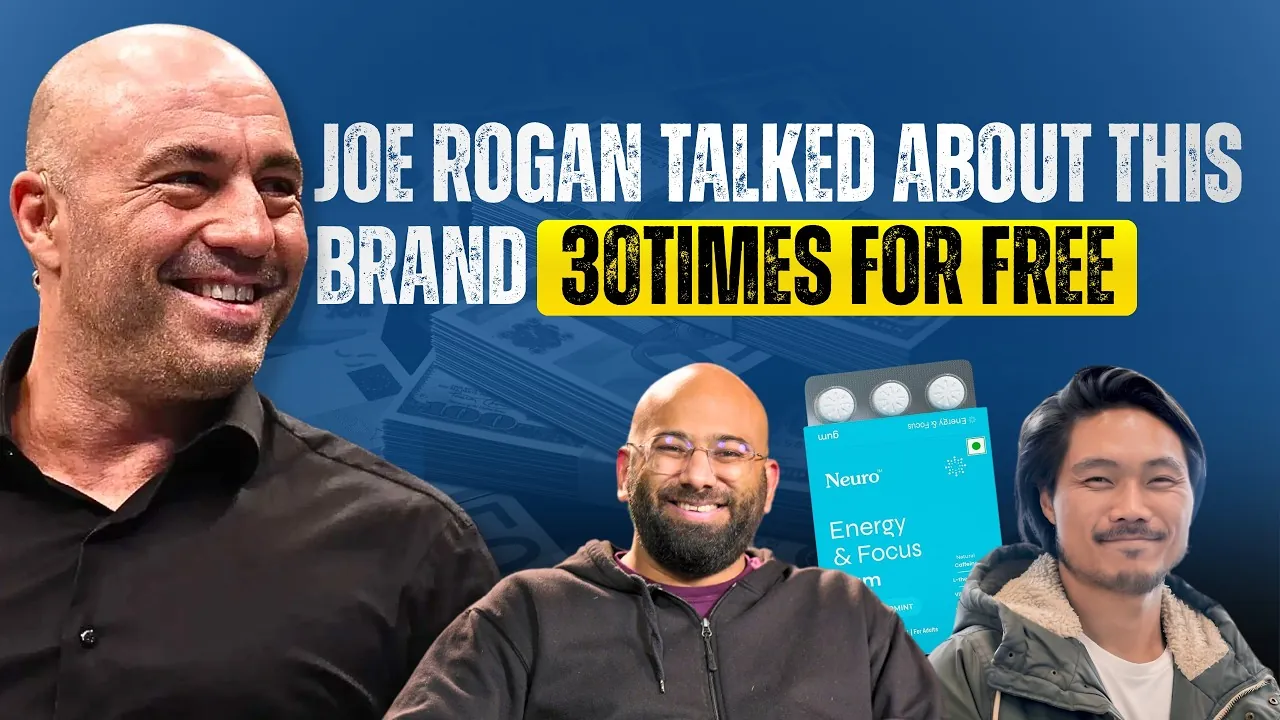
Neurogum's co-founder says once one cool person talks about you, every other cool person wants to talk about you too.
Once you get one cool person to talk about you, every other cool person wants to talk about you.
Hear it: The $20 Billion D2C Opportunity No One is Talking About | Ft. Kent Yoshimura
Do this:
- Leave celebrities out of sponsored posts; a 'Sponsored' label only bred distrust when they posted it.
- Ask creators for their own true story, not a script.
- Treat affiliate creators as partners who win with you, not one-off paid posts.
Step 5: Results compound
24. Our data: rebooking odds rise every time
The rebook odds climb to 37.5%, 61.2%, 71.5% and 77.4% after 1, 2, 3 and 4 videos.
Leave out pairs running on one permanent discount code or link: 27.5%, 38.6%, 65.7%, 71.1%.
This climb, 37.5% to 77.4%, is the creator's record with you, the record another brand's rebook rate can't give you.
Our data: 475,370 sponsored YouTube videos and 208,649 brand-creator pairs, YouTube only.
25. Nielsen: ad effects roughly double over time
Nielsen's own study of 23 CPG brands found the long-term sales effect of advertising averages about twice the short-term effect.
Special K hit 2.8x.
Findings from the new NCS study support the premise that the average multiplier for the long-term effect of advertising is approximately twice that of the short-term effect.
Read it: Nielsen, June 2015
The research:
- Cost of acquisition: Nielsen says pulling back on long-term marketing raises what it costs to win a customer. (Nielsen, September 2023)
26. Binet & Field: results build over time
The IPA's own report on Binet and Field's work says campaign results are not flat, they build up over time.
Les Binet and Peter Field return to explore a vital new area: how campaign results develop over time.
Read it: IPA (Institute of Practitioners in Advertising), November 2013
The research:
- Mental availability: Every repeated turn thickens memory traces, so the brand comes to mind faster next time. (Ehrenberg-Bass Institute for Marketing Science (marketingscience.info), 2020)
27. Palmatier: reallocated spend lifts engagement 16.6%
Palmatier's study found spending 1% more on influencer marketing lifts engagement about 0.5%, but reallocating that spend to what works could lift it 16.6%.
Palmatier and his co-authors found that if firms spent 1% more on influencer marketing, they would see a nearly 0.5% increase in engagement. They also concluded that reallocating spending based on the study's insights could result in a 16.6% increase in engagement.
Read it: University of Washington, Foster School of Business, October 20, 2022
28. Neurogum: creators iterate off each other
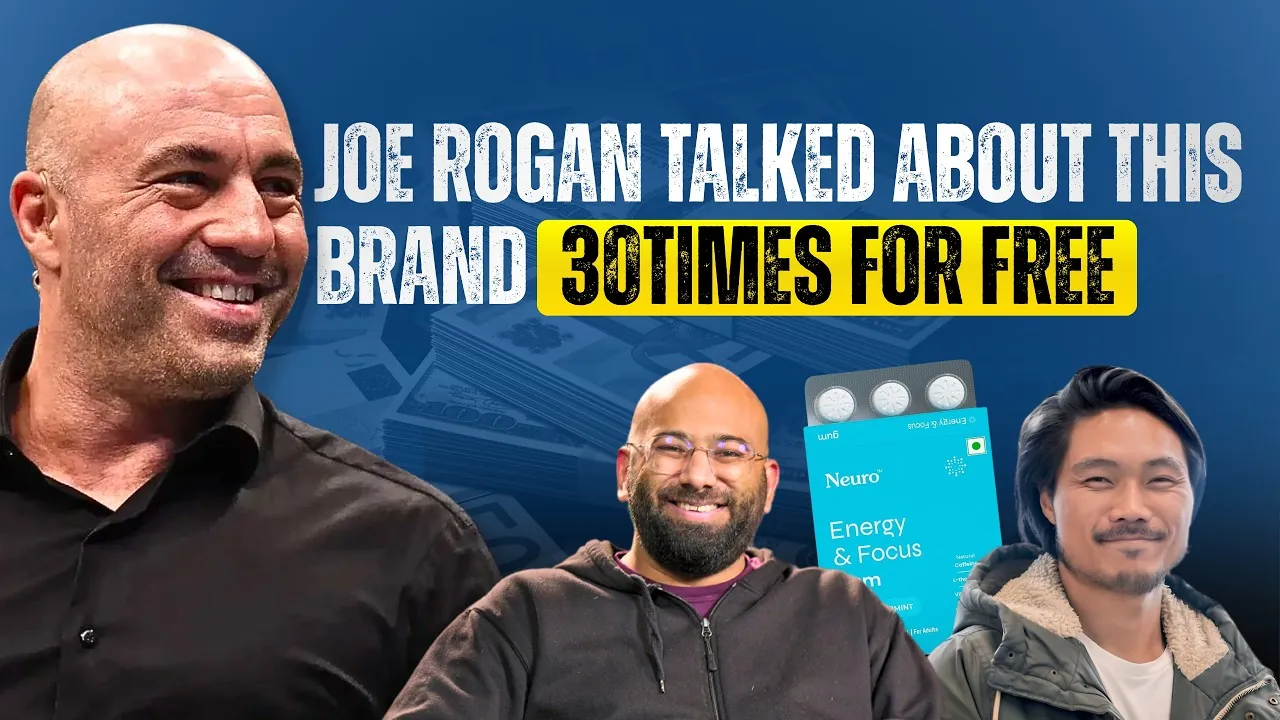
Neurogum's co-founder says their own creator flywheel lets creators talk to each other and iterate on what sells best.
we also have the c creator flywheel where all the creators are able to talk to themselves and they iterate against each other on what works the best and what sells the best.
Hear it: The $20 Billion D2C Opportunity No One is Talking About | Ft. Kent Yoshimura
The research:
- Not there yet: Unilever's beauty CMO says more data will earn more trust in creator picks, but they're not there yet. (Digiday, July 10, 2026)
Do this:
- Track rebook odds climbing from 37.5% after 1 video to 77.4% after 4 videos.
- Plan for results to build over time, not land flat after one push.
- Move spend to what already works; reallocating it could lift engagement 16.6%.
What slows the wheel down
29. Lewis & Rao: ad ROI is noisy
Across twenty-five large field experiments, the usual confidence interval on ad ROI is over 100 percentage points wide, and a clean read can take over 10 million person-weeks of data.
The median confidence interval on return on investment is over 100 percentage points wide.
Read it: Quarterly Journal of Economics, via IDEAS/RePEc, 2015
The research:
- Matched-audience method: Across 15 Facebook experiments, matching viewers after the fact usually gave a different answer than a real holdout. (Marketing Science (INFORMS), via IDEAS/RePEc, 2019)
30. Meridian: more spend, smaller returns
Google's own marketing-mix tool says a channel's sales grow more slowly as spend rises, until more money yields only smaller returns.
The response curve shows you how your sales would change at different spend levels. It shows that spending even more money yields progressively smaller returns.
Read it: Google for Developers, Meridian documentation, Last updated 2026-05-15
The research:
- Robyn's Hill curve: Meta's own tool, Robyn, also models ad spend as having diminishing returns, channel by channel. (Meta Platforms, Inc. (Robyn open-source documentation), Documentation updated December 2024; Copyright 2024 Meta Platforms, Inc.)
- Saturation point: AG1's CRO says once an audience is saturated and performance levels off, the brand dials back that show. (Marketing Brew, September 15, 2022)
31. Andreessen Horowitz: data moats erode, not grow
a16z argues a data edge doesn't get stronger with scale, past a point the moat erodes as competitors catch up.
The data won't stay the edge once rivals catch up, so what keeps compounding is the turning of the wheel, not the data pile.
Instead of getting stronger, the defensible moat erodes as the data corpus grows and the competition races to catch up.
Read it: Andreessen Horowitz (a16z), May 9, 2019
The research:
- Not automatic: The same theory admits an early lead doesn't always compound, and starting behind doesn't guarantee failure. (Columbia University Press, February 2010)
32. FTC v. Devumi: the followers were fake
The FTC's first case over fake influence found Devumi filled more than 58,000 orders for fake Twitter followers alone.
According to the FTC, Devumi filled more than 58,000 orders for fake Twitter followers, enabling the buyers to deceive potential clients about their social media influence.
Read it: Federal Trade Commission, October 2019
The research:
- Disclosure rule: The FTC's own rule says any paid or gifted relationship with a brand must be made obvious to the audience. (Federal Trade Commission, November 2019)
33. Talent agency founder: no deal without transactions first
A talent agency founder says long-term creator partnerships only make sense when there's a real transactional business result underneath them.
Prove the transactions first with one-off deals, then move only the creators who deliver them into long-term partnerships.
So, without the core business of transactions, long-term partnerships don't make sense for our brands. It just doesn't like and the industry is saying that's where it's going. Everyone wants long-term partnerships and it's just like no, right?
Hear it: Stop Making the Creator the Hero: A Talent Agency Founder's Hype Check
Do this:
- Check ad ROI against a wide range; the usual interval runs over 100 percentage points.
- Cap spend increases before returns flatten, since more money past a point yields smaller returns.
- Ask for a real transaction result before any long-term partnership, not after.