
Who are the key players in wellness beverages?
CELSIUS had fitness credibility but needed to expand beyond gym-native consumers without losing its zero-sugar, active-lifestyle authority.
August 27, 2026
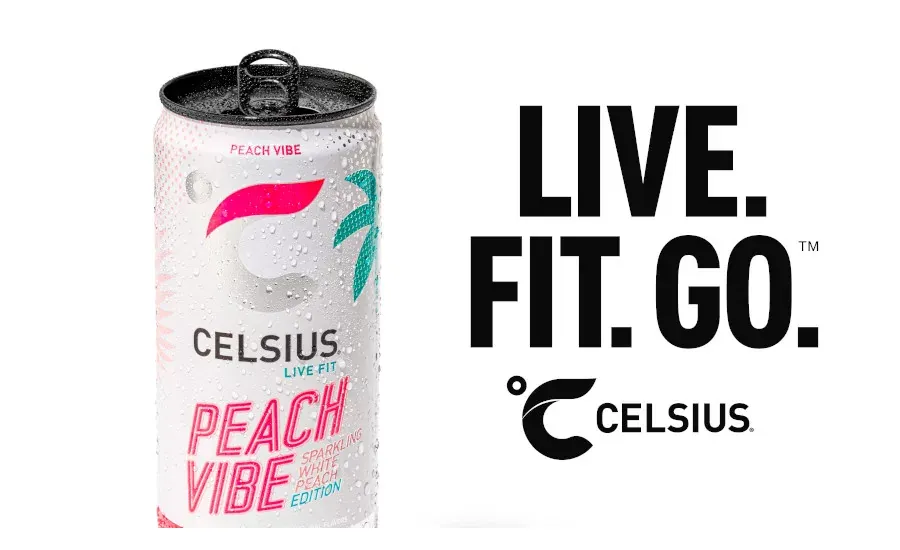
1. CELSIUS, LIVE. FIT. GO.
Campaign and post: Official campaign hub · Public video · Company announcement
The marketing problem. CELSIUS had fitness credibility but needed to expand beyond gym-native consumers without losing its zero-sugar, active-lifestyle authority. The campaign’s task was to reposition the product from an energy drink for athletes to an energy source for “everyday achievers.”
Big creative idea. “Fit” became a broader emotional proposition: firefighters balancing family and life-saving work, runners balancing career and performance, nurses finding room for their own passions, and athletes. The product becomes a cue for purposeful daily energy rather than only a pre-workout ritual.1
Integration sequence. Hero film and short-form creative created upper-funnel narrative; brand partners supplied content through their own social channels; CELSIUS channels distributed the message; retailer availability and existing distribution supported conversion. The campaign was designed to run in the U.S. and expand internationally.1
Evidence signal. CELSIUS called it the company’s largest marketing initiative. It comprised three 15-second spots and a 30-second anthem. That supports campaign scale and intent, but no causal sales lift or media ROI was publicly disclosed.1
What to steal. Do not abandon a core performance truth to reach a larger market. Instead, translate it into more everyday moments. The useful test is whether the new audience sees the product as for them without existing users feeling the brand has become generic.
Watch-out. A repositioning needs retail and content follow-through. “Everyday energy” is easy for competitors to copy, so audience-specific creator content and distinctive product experience must carry the strategy after launch.
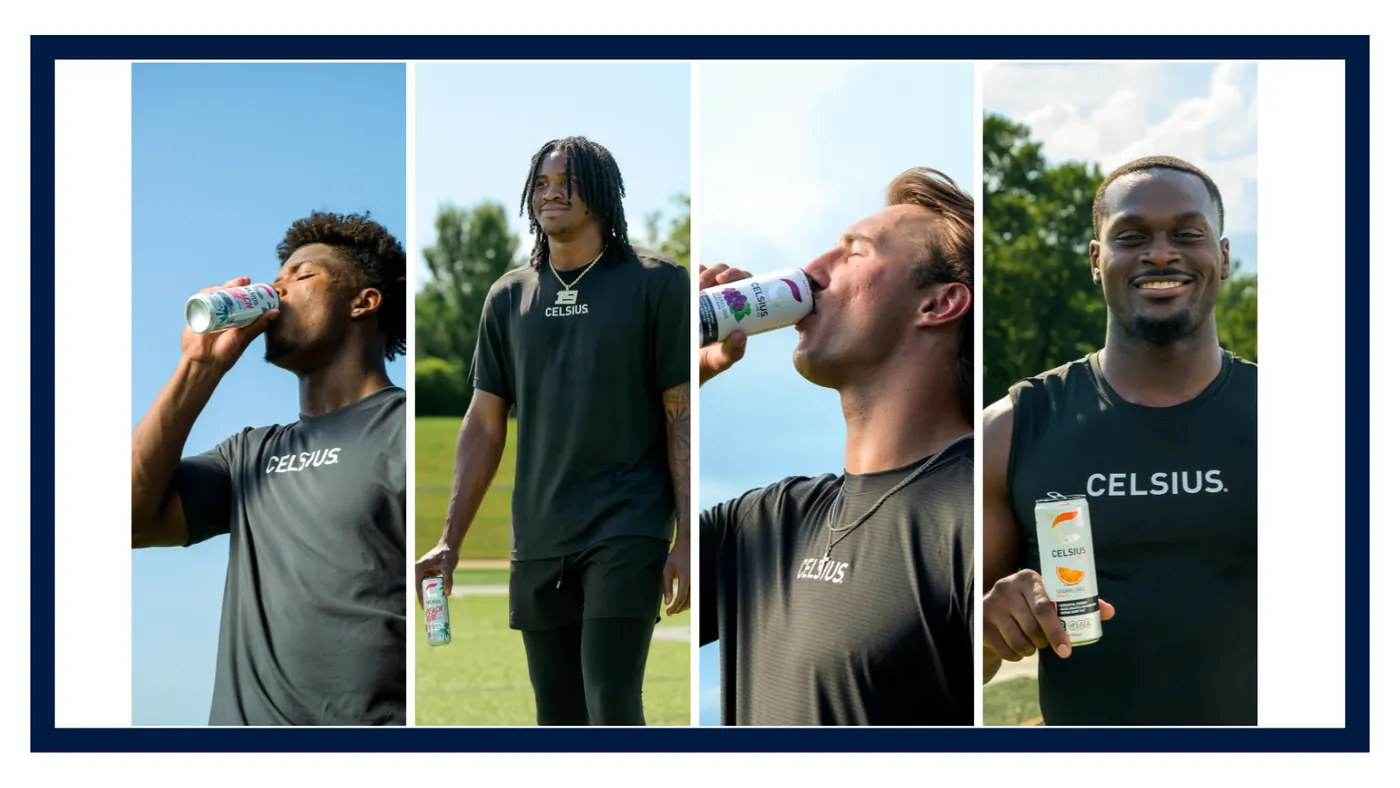
2. CELSIUS, Energizing the Madness
Campaign and post: Public Instagram post · NACS reporting · Program search page
The marketing problem. A functional-energy brand needs a credible path into younger adults and campus culture that does not rely only on a small number of expensive athletes.
Big creative idea. A distributed NIL roster turns a national college-basketball moment into many local social voices, converting individual-athlete authenticity into scale.
Integration sequence. Athlete/NIL participation produces social content; March Madness creates a shared cultural context; convenience retail and campus-adjacent purchase occasions create a path to trial; the broader CELSIUS brand platform supplies continuity.
Evidence signal. NACS reported 136 college basketball players and described the effort as CELSIUS’s largest NIL initiative to date. Roster size is not a reach, conversion, or incremental-sales figure.2
What to steal. For campus categories, a broad but well-managed local roster can outperform a single national spokesperson because it creates repeated social proof in specific communities.
Watch-out. NIL work requires disciplined age, caffeine, disclosure, university, and content-governance controls. Require creator disclosure and do not treat earned posts as a substitute for a measurable retailer-lift test.
3. Alani Nu, Kimade with Kim Kardashian

Campaign and post: Official release · Public Instagram post · Reuters context
The marketing problem. Alani Nu’s social-native, lifestyle-oriented positioning needed a cultural accelerator that could create new trial without losing the founder-led femininity and flavor play that differentiated the brand.
Big creative idea. The Kimade launch fused a recognizable celebrity aesthetic with limited-edition flavor, turning a new SKU into a cultural and retail event instead of a routine product launch.
Integration sequence. Celebrity partnership creates earned-media attention; social content and founder/community dynamics supply daily relevance; limited flavor creates urgency; Target, Walmart, other retail, and online availability turn awareness into purchase.3
Evidence signal. Reuters documented the collaboration and broad retail/online availability, but no public campaign ROI, conversion, or sales lift was disclosed.3
What to steal. Use celebrity when the partner adds a concrete creative world-flavor, visual language, use occasion, and audience-not only reach. A limited product provides a sharper call to action than a generic brand endorsement.
Watch-out. The real diligence question is retention after the celebrity peak. Separate earned attention, creator engagement, retailer velocity, and new-household repeat rather than assuming a high-profile partner drives profitable growth.
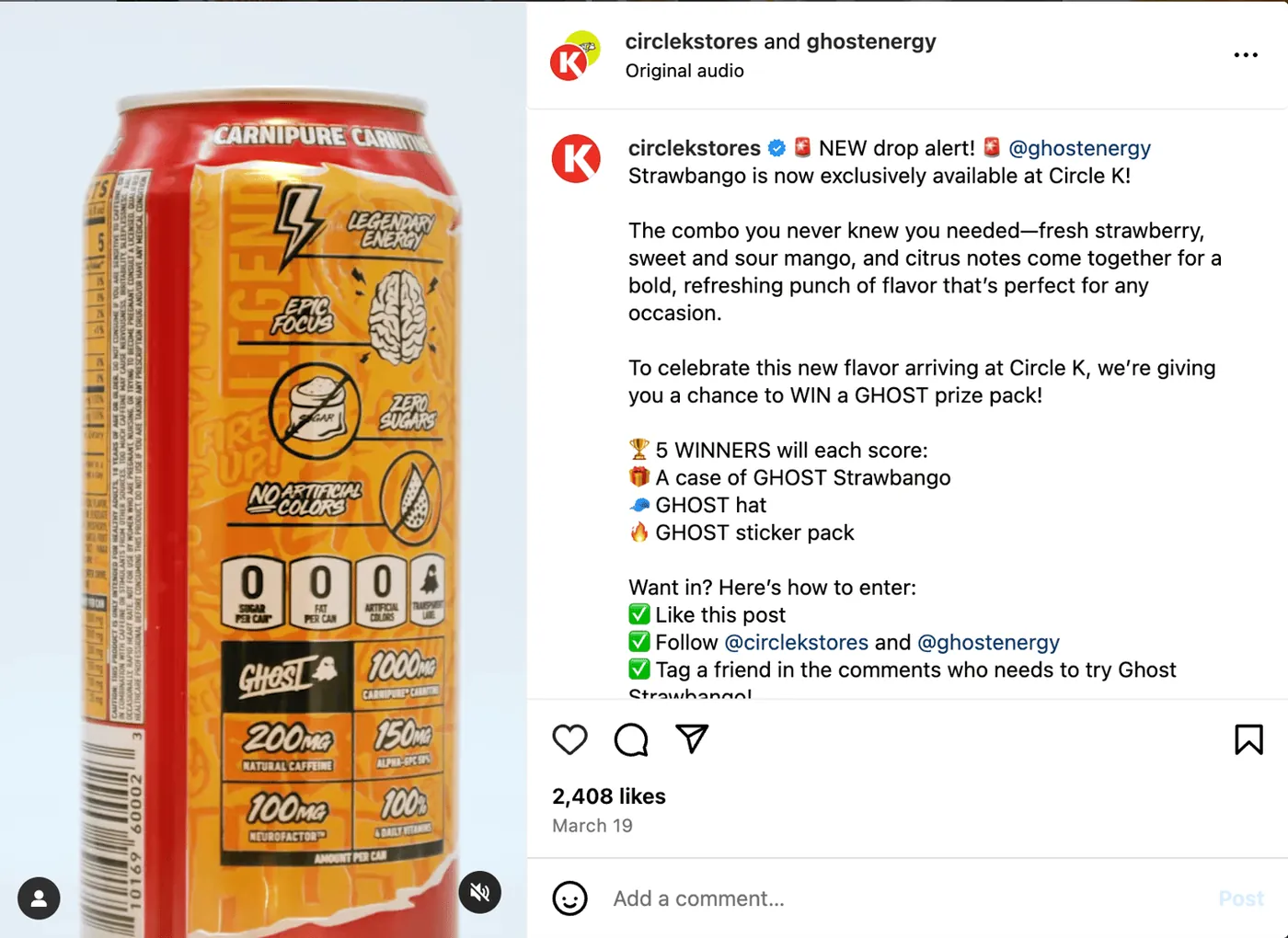
4. GHOST, GHOST Fam and Circle K Strawbango
Campaign and post: GHOST/Circle K Instagram Reel · Circle K Facebook video · GHOST Fam page
The marketing problem. Energy and sports-nutrition brands need to keep a passionate fan base engaged while giving a retailer a reason to devote shelf space to a non-core SKU.
Big creative idea. Community is treated as a commerce engine. GHOST Fam creators create ongoing participation; a previously limited seasonal flavor becomes a Circle K exclusive, giving fans a scarcity narrative and the retailer a differentiated traffic driver.
Integration sequence. Creator/community storytelling and email/SMS/DTC infrastructure sustain fandom; retail-exclusive flavor creates a store destination; Circle K’s own channels amplify the message; scarcity helps turn attention into near-term conversion.4
Evidence signal. GHOST’s official page listed 75 Fam members across fitness, gaming, wellness, and entertainment. The size of a roster does not prove active posting, attributed sales, or incremental retailer traffic.4
What to steal. Give the retailer a specific role in the story. A retail exclusive works best when it feels earned by the community, not merely placed at a store.
Watch-out. Do not confuse a large ambassador roster with a disciplined creator program. Score contribution by creator cohort, code/store traffic, SKU velocity, opt-ins, and content quality.
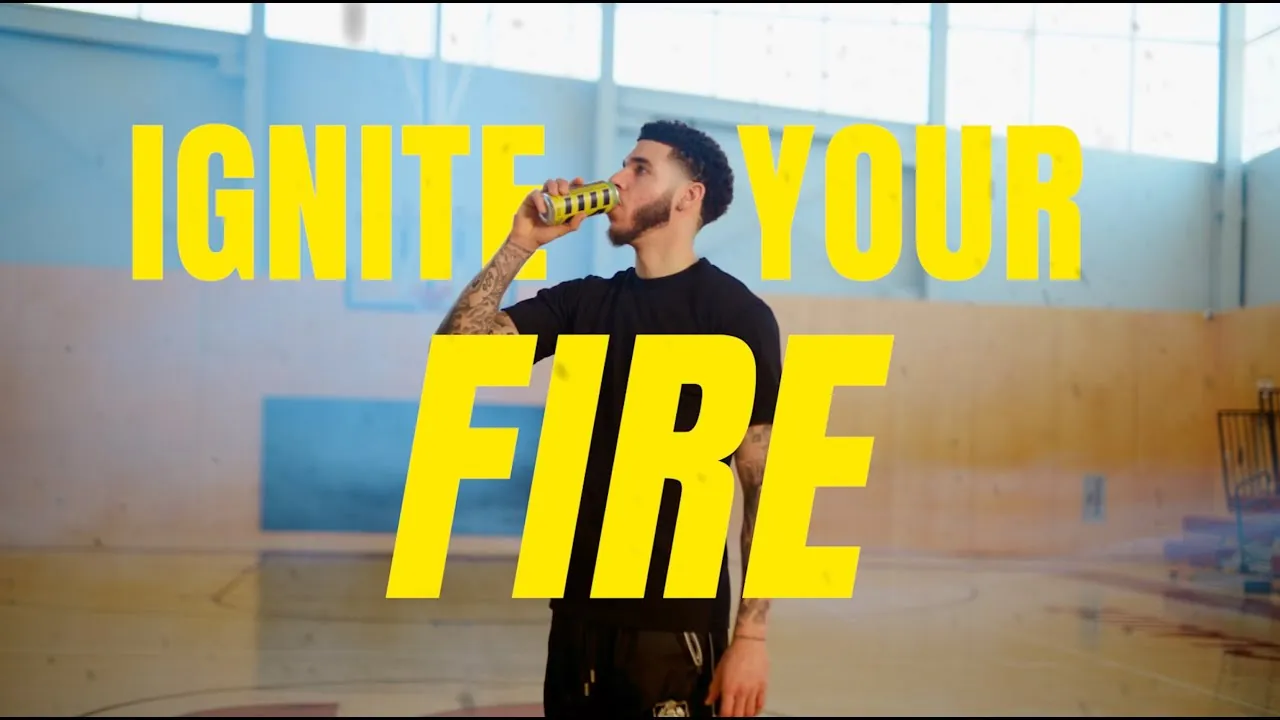
5. C4 Energy, Ignite Your Fire
Campaign and post: Official Nutrabolt announcement · Public video
The marketing problem. C4 had science/performance credibility but needed to evolve from product utility into an emotionally recognizable global brand.
Big creative idea. “Ignite Your Fire” takes performance energy and connects it to personal drive. Athlete, celebrity, and creator stories are presented as proof that the brand supports the motivation behind achievement.
Integration sequence. Hero video and a 60-second spot create the narrative; athlete/creator assets support social and digital; OOH and broadcast widen reach; NYC SummerStage and WWE SummerSlam sampling provide physical trial and cultural association; DTC, Amazon, and major retail provide conversion.5
Evidence signal. Nutrabolt documented the named roster, channel mix, and experiential placements. The release does not report lift, sales, or ROAS.5
What to steal. Pair broad-reach creative with a tangible trial mechanism. Performance claims land better after consumers have actually sampled the product and understand the use occasion.
Watch-out. A long roster can look like rented fame if no single person has a meaningful relationship to the brand. Choose a small number of clear proof roles rather than a list of faces.
6. Liquid I.V., Fuel Your Play
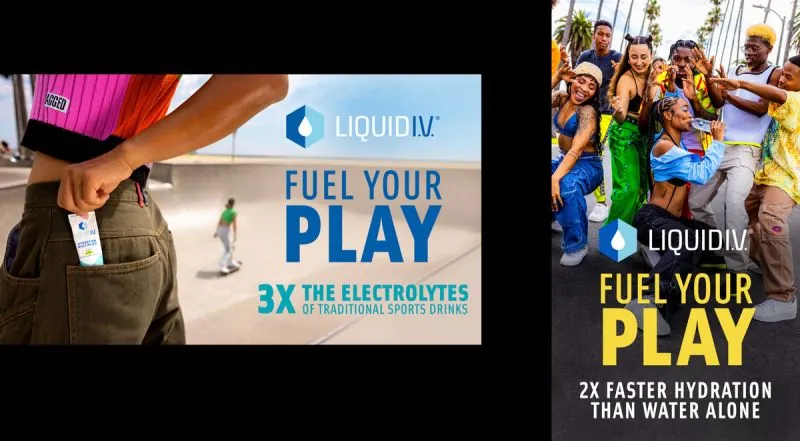
Campaign and post: Public campaign video · Marketing Dive case article · MOGL NIL partnership
The marketing problem. Hydration sticks have an unfamiliar use occasion for many consumers. The brand needed to broaden the product beyond recovery or sport into an everyday lifestyle habit.
Big creative idea. “Fuel Your Play” turns hydration into an enabling ritual for work, fun, sport, travel, and social activity. The creative emphasis is on active life rather than a medical or technical promise.
Integration sequence. A reported $20 million media buy used CTV/video and OOH; the “Pass the Pack” creator chain added peer-to-peer social distribution; a national sampling tour put product in hands; NIL/campus work added local relevance; e-commerce and retail availability completed the path to purchase.6 7
Evidence signal. The reported $20 million media buy is a scale indicator, not ROI. A separate MOGL program said it enabled access to more than 10,000 student-athletes; neither source provides controlled sales lift.6 7
What to steal. Sampling is not a side tactic for an unfamiliar beverage. It is the bridge between an online claim and a sensory habit. Link every sample to a QR code, retailer route, and re-purchase window.
Watch-out. “Hydration” content can become undifferentiated quickly. Protect a clear product-use story and avoid creator language that implies medical treatment or guaranteed outcomes.
7. Liquid I.V., Creator Media to Commerce Measurement
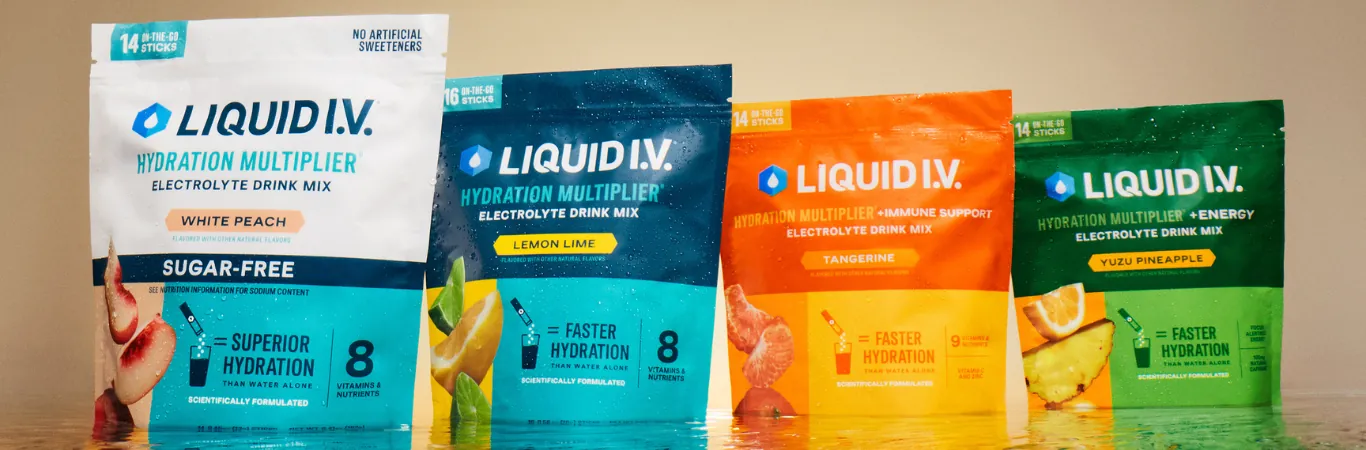
Campaign and post: TikTok creator-media case study · Amazon Ads case study · Meta geo-lift study
The marketing problem. Last-click reporting often misses a consumer who sees creator/video content, then buys on Amazon or in a store. Liquid I.V. needed evidence that media and creator investment created demand across channels.
Big creative idea. Rather than a single creative platform, this is a measurement integration: use native creator content and paid amplification for discovery, then connect exposure to marketplace/DTC behavior and sales experiments.
Integration sequence. TikTok Spark Ads amplified creator content for awareness and conversion; Amazon DSP, streaming TV, online video, and audio were staged ahead of Prime Day; Meta used U.S. treatment and holdout geographies to measure marketplace and DTC outcome effects.8 9 10
Evidence signal. TikTok reported spend scaling more than 700% and 48% quarter-over-quarter ROAS improvement in its case study. Amazon reported 48% new-to-brand share of ad-attributed purchases and a 2.2% brand-awareness lift. Meta reported 4.95% ecommerce-marketplace and 10% DTC lifts in its geo study.8 9 10
What to steal. The lesson is methodological: use a test design that can see cross-channel demand. Link content IDs, media exposure, retailer/DTC behavior, and repeat rather than optimizing creators only against a coupon code.
Watch-out. These are platform/advertiser case studies with their own definitions and incomplete methodological disclosure. Treat them as operating examples, not universally reproducible benchmarks.
8. BODYARMOR FIT, Fitness Never Rests
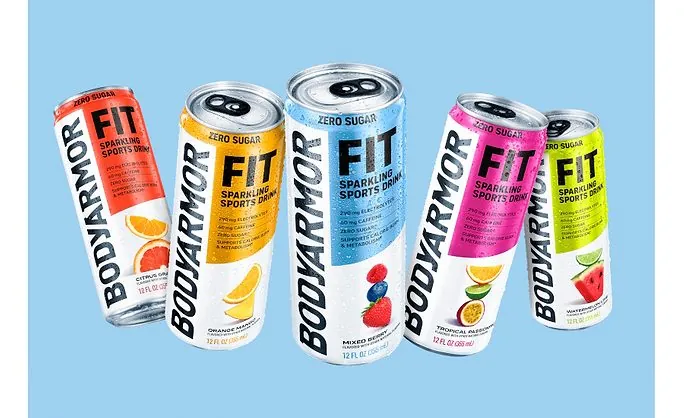
Campaign and post: Coca-Cola launch page · Public video
The marketing problem. A sports-drink brand with established athlete equity needed to recruit everyday-active consumers and establish a new sparkling, zero-sugar, caffeinated format without making the portfolio hard to understand.
Big creative idea. “Fitness Never Rests” uses Joe Burrow and a broader lifestyle story to position fitness as a continuous way of life that spans exercise, work, and social routines-not a narrowly competitive sport moment.11
Integration sequence. Nationwide product launch, athlete partnership, digital/social, OOH, retail, and influencer-led storytelling all work together. The can format and product proposition serve as an invitation into newer, less formal occasions.11
Evidence signal. Coca-Cola documented the full-funnel launch, Joe Burrow partnership, and product proposition. No campaign lift, velocity, or attributable sales result had been published in the reviewed sources.11
What to steal. Use a brand extension to create a new occasion, not merely another SKU. The campaign must make the new consumption ritual obvious enough that customers understand when it replaces or complements the existing product.
Watch-out. Clearly separate caffeine, electrolyte, and sport-performance cues across the portfolio. Confusion can suppress trial and create avoidable claim/audience risk.
9. Poppi, Super Bowl Creator Vending Machines
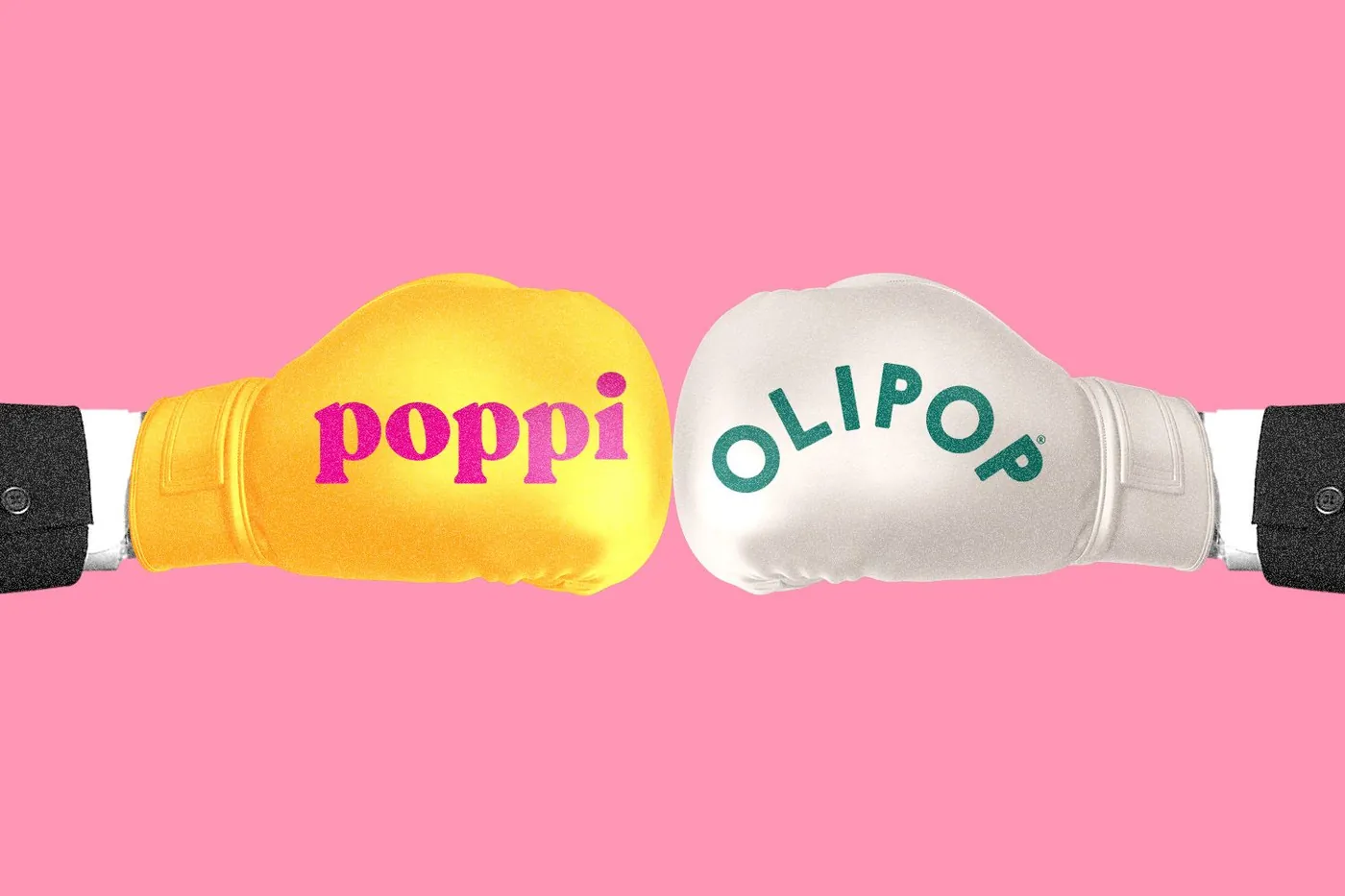
Campaign and post: Poppi TikTok · Creator post · Marketing Brew coverage
The marketing problem. As a social-native functional soda, Poppi needed an attention-grabbing moment to dominate a culturally crowded Super Bowl window and reinforce its creator-centric identity.
Big creative idea. Pink branded vending machines became both physical gifting objects and social-content backdrops. A creator-led Super Bowl ad added mainstream scale.
Integration sequence. Creator seeding generated UGC and social conversation; high-profile creators and the Super Bowl created earned-media visibility; retail availability provided the conversion endpoint. The activation also put the brand into a direct public conversation with Olipop.12
Evidence signal. Marketing Brew reported millions of views and thousands of comments from original creator content. These are attention signals rather than conversion or profitability measures.12
Problem encountered. The campaign attracted criticism because viewers perceived that expensive machines were sent to already wealthy creators. Poppi’s founder responded that machines cost less than reported and cited more than 3.4 million donated cans in the prior year.12
What to steal. Big seeding can create cultural heat, but only when the access logic feels authentic and participatory. Pair creator gifting with fan/community access, retail trial, or a transparent give-back mechanism.
Watch-out. Optimize net sentiment and qualified action-not view count. A stunt that becomes a debate about brand values may damage the trust a functional brand needs.
10. Olipop, Creator Community and Affiliate Program
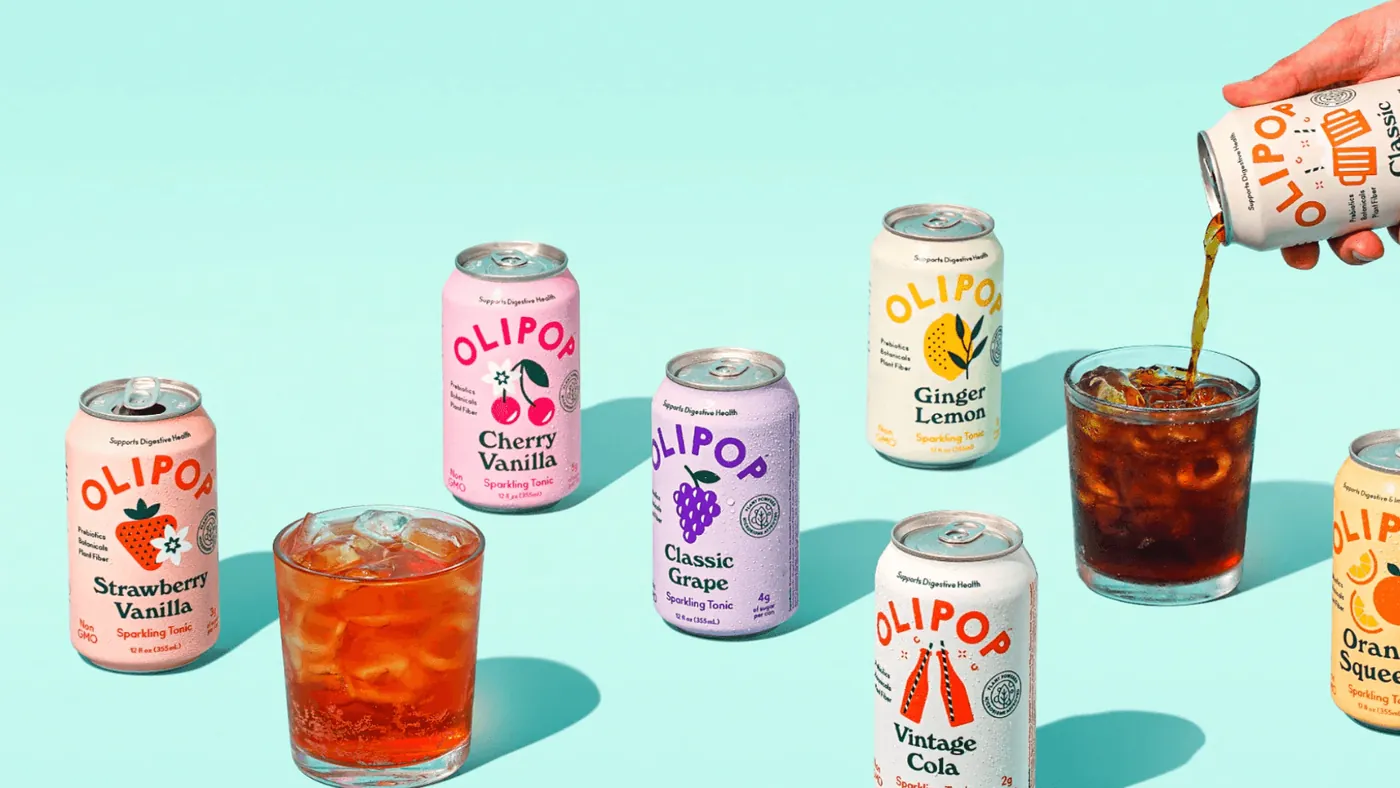
Campaign and post: OLIPOP affiliate program · Brand TikTok · impact.com case study
The marketing problem. Fast organic creator interest created a management problem: Olipop needed to scale a large creator pool without weakening brand fit or turning the program into an expensive, over-scripted sponsorship machine.
Big creative idea. Treat creators as a diverse community of real product fans. Product gifting and commissions are paired with creator-specific codes, giving individuals creative freedom and a direct commercial stake.
Integration sequence. Selective onboarding and creator tiers maintain quality; $36 variety packs seed authentic trial; custom codes make Instagram, TikTok, podcasts, and offline word-of-mouth trackable; commissions reward conversion; the brand’s wide retail availability captures the consumer whether they buy online or in store.13
Evidence signal. The impact.com/GravityFed case says the program drove 12% of total sales and 982% average ROI over four years; it says micro-creators grew from 3% to about 20% of creator-driven sales and that more than 1,400 custom codes were created over three years.13
What to steal. Long-tail creators work when product enthusiasm, clear creator selection, creative freedom, a simple economic model, and code-level tracking form one operating system. Include credible experts where their category relevance is genuinely high.
Watch-out. These results are platform/agency-reported, not independently audited. Confirm attribution windows, agency costs, free-product cost, discount leakage, retail halo, and incremental new-customer contribution before copying the ROI number.
11. Simply Pop, Masterbrand Trust Meets Prebiotic Trial
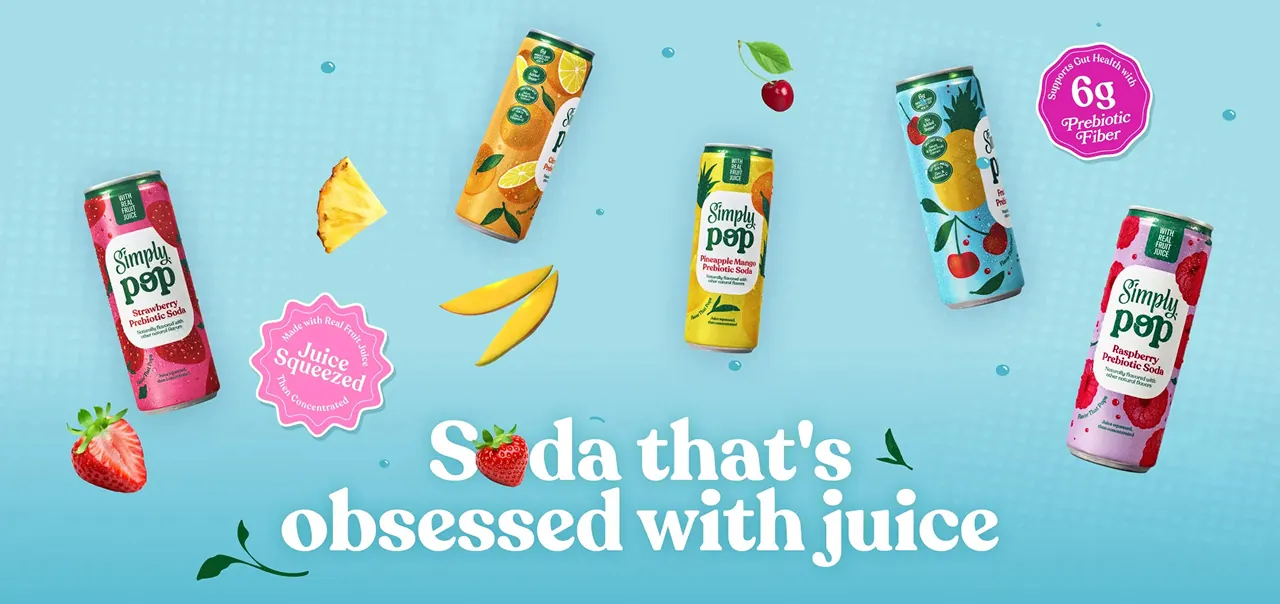
Campaign and post: Coca-Cola launch article · Public Instagram post
The marketing problem. Prebiotic soda was drawing attention, but many potential consumers were curious rather than converted. Coca-Cola needed to lower the risk of trying a relatively new functional proposition.
Big creative idea. Use the established Simply brand-already associated with juice and taste-to create a familiar, fruit-forward route into prebiotic soda. The message is innovation with reassurance.
Integration sequence. The launch followed more than a year of taste, packaging, and consumer-feedback work; phased retail and Amazon Fresh availability created convenience; OOH, digital, influencer social, sampling, experiential, and a Dear Media podcast tour built awareness and trial.14
Evidence signal. Coca-Cola identified wellness-focused Gen Z and Millennials-particularly those curious about but not yet buying prebiotic soda-as the key target. The source documents launch design rather than performance results.14
What to steal. When a new functional category has adoption friction, an existing trusted brand can serve as a “permission structure.” The most important creative choice may be reducing perceived risk, not explaining more science.
Watch-out. Trust alone does not sustain a functional extension. Track taste satisfaction, repeat, and whether the new product is recruiting consumers rather than merely cannibalizing core Simply occasions.
12. Pepsi Prebiotic Cola, From Limited Digital Test to National Rollout
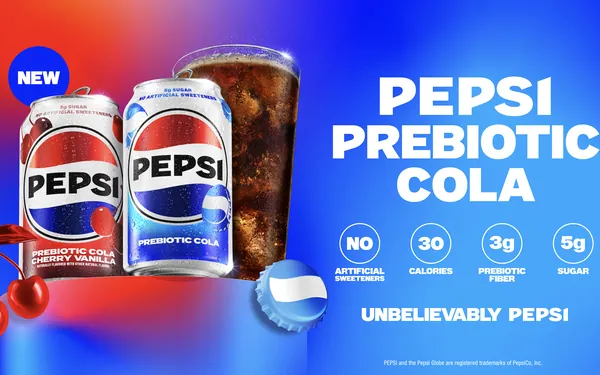
Campaign and post: PepsiCo limited-launch announcement · Public Instagram post · Nationwide launch
The marketing problem. Pepsi needed to enter functional soda while keeping the distinctive taste equity and broad consumer trust of cola. The challenge was to test interest without immediately overcommitting national inventory and media.
Big creative idea. A limited Black Friday digital release framed the proposition as a novelty and a test. National availability then turned a culturally newsworthy moment into a mainstream retail product.
Integration sequence. E-commerce test builds first-party and social signals; limited availability creates urgency; launch social and press generate attention; national in-store and online rollout makes the product shoppable; retail media can subsequently target consumers with existing cola or better-for-you-soda interest.15
Evidence signal. PepsiCo described the limited release and subsequent national availability. Public “sellout” or sentiment statements should be treated as company/partner signals, not a standardized measure of sustainable demand.15
What to steal. Test-and-scale is valuable when a large incumbent is entering a new need state. It allows the brand to learn which proposition, flavor, price, and audience convert before committing broader retail support.
Watch-out. A limited release can create artificial scarcity. Use it to learn about new-to-brand recruitment and repeat, not as a substitute for a full-market demand test.
13. Premier Protein, #PumpkinSpiceYourLife
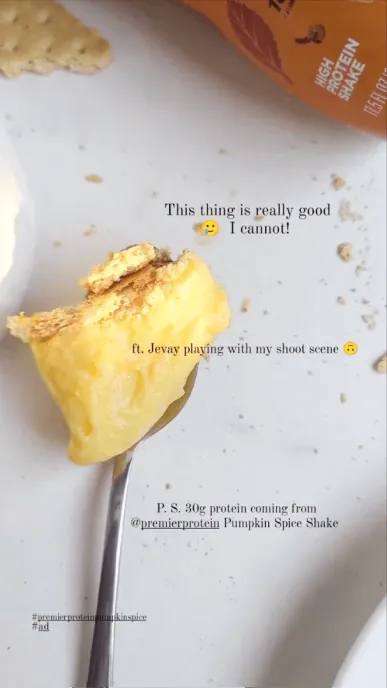
Campaign and post: Shorty Awards case · Public Instagram post · Later case study
The marketing problem. Protein beverages can feel overly gym-centric or functional. Premier needed to make a seasonal limited flavor feel useful and culturally relevant across a wider range of consumers.
Big creative idea. “Pumpkin Spice Your Life” used creator utility content-recipes, mocktails, workouts, and day-in-the-life moments-to show that a protein shake can participate in familiar seasonal rituals rather than replace them.
Integration sequence. A cohort of macro and micro creators published content across TikTok, Instagram, Pinterest, and YouTube; diverse representation widened the addressable community; product stories created content for both discovery and consideration; retail/DTC availability supported purchase.16
Evidence signal. The Later case reports 78 creators, 144 original pieces, 23.2 million audience reach, 2.7 million impressions, and 130,300 engagements. Its narrative and at-a-glance engagement figures differ slightly, and it does not publish click or purchase results.16
What to steal. Utility content is more scalable than a generic product hold. Make the product solve a specific content job-recipe, ritual, routine, or real-life constraint-so the creator’s post supplies consumer value.
Watch-out. Engagement cannot prove that seasonal novelty created profitable repeat. Test a creator-exposed retailer or audience cohort for first purchase and re-order.
14. OWYN, Costco Pro Elite Creator Launch
Campaign and post: Aligned Growth case study · Public Facebook video
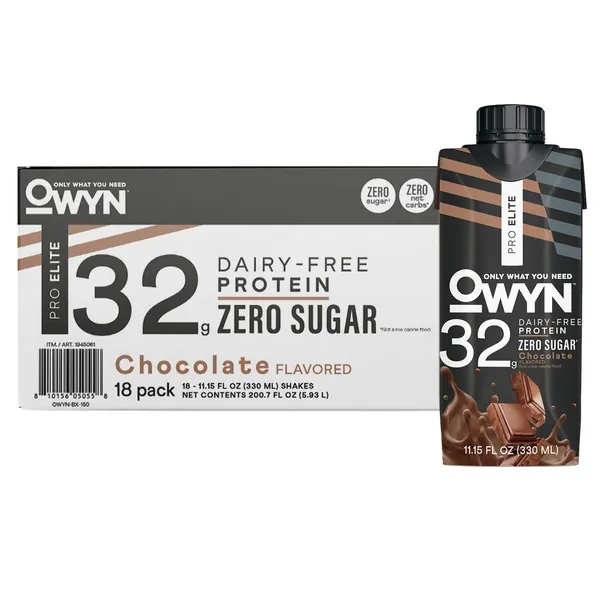
The marketing problem. A plant-based protein launch in Costco needs to create awareness, explain the product quickly, and steer consumers to a specific club retailer, often in a limited launch window.
Big creative idea. Merge creator credibility with store-level relevance. Local creators visit the club store; scalable green-screen content lets the campaign travel beyond the launch market; paid whitelisting turns creator assets into performance media.
Integration sequence. Twenty-one creators delivered local in-store videos and non-localized content; 60-day whitelisting rights enabled paid amplification; Costco’s physical shelf created the conversion endpoint; holiday timing supplied urgency.17
Evidence signal. The agency reported 64 posts, $8 CPM, 14.9 million impressions, and holiday sellouts. Elsewhere on the same page it mentions “8M+” impressions, so the 14.9 million number needs reconciliation and should be labeled agency-reported, not independently verified.17
What to steal. Local creator content is most effective when it solves a local commerce problem: show the exact store, format, and purchase path, then scale the best creative through licensed paid media.
Watch-out. Club sellouts can be driven by inventory allocation, display, timing, or promotion as well as media. Compare velocity against matched stores and check on-shelf availability before attributing the outcome to creators.
15. Core Power, Champion Your Recovery with Katie Ledecky
Campaign and post: Fairlife/Core Power partnership announcement · Public Instagram post · PR Newswire release
The marketing problem. A high-protein recovery product needs to communicate a rational functional role without becoming too technical or losing emotional desirability.
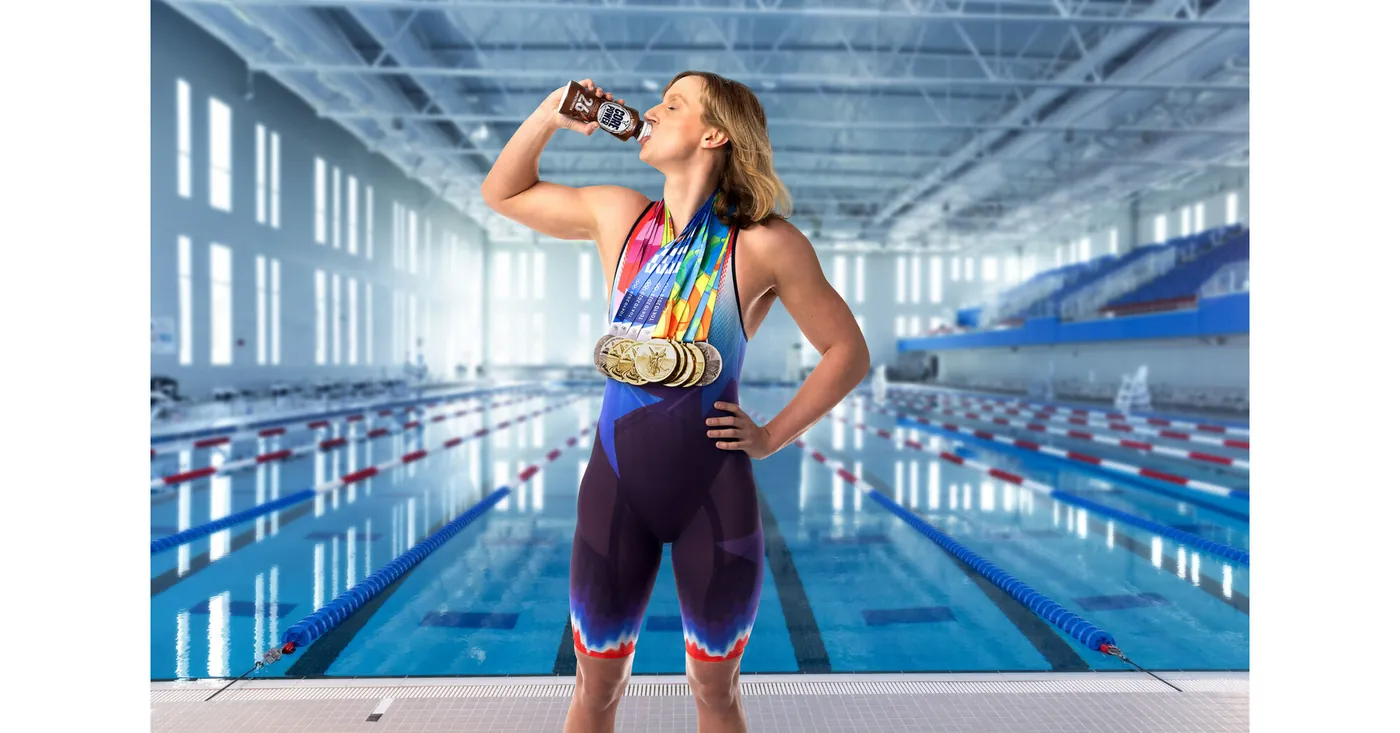
Big creative idea. Katie Ledecky’s recovery routine supplies a credible human proof point. The campaign makes high-performance recovery aspirational while keeping the product’s role understandable: a post-workout drink, not an abstract nutrition claim.
Integration sequence. Multi-year athlete partnership, digital/social/video, Olympic/Paralympic cultural context, and retail availability created a premium brand platform. The athlete was presented as a user of the product, not just a face on advertising.18
Evidence signal. Fairlife/PR Newswire documents the multi-year partnership and campaign scope, but public sources do not disclose brand lift, reach, sales lift, or ROI.18
What to steal. Athlete endorsements are strongest when the person has a believable relationship to the exact usage occasion. “Recovery” is more credible when the creative shows the behavioral routine, not merely a medal.
Watch-out. Elite-athlete aspiration can narrow a category. Pair hero work with creators who show everyday recovery, breakfast, or busy-life routines to broaden relevance.
16. Muscle Milk, Strength for it All
Campaign and post: PepsiCo campaign release · Public Instagram Reel · PR Newswire release
The marketing problem. Muscle Milk’s legacy performance identity risked feeling narrow as protein consumption expanded to more casual, everyday consumers and plant-based options became relevant.
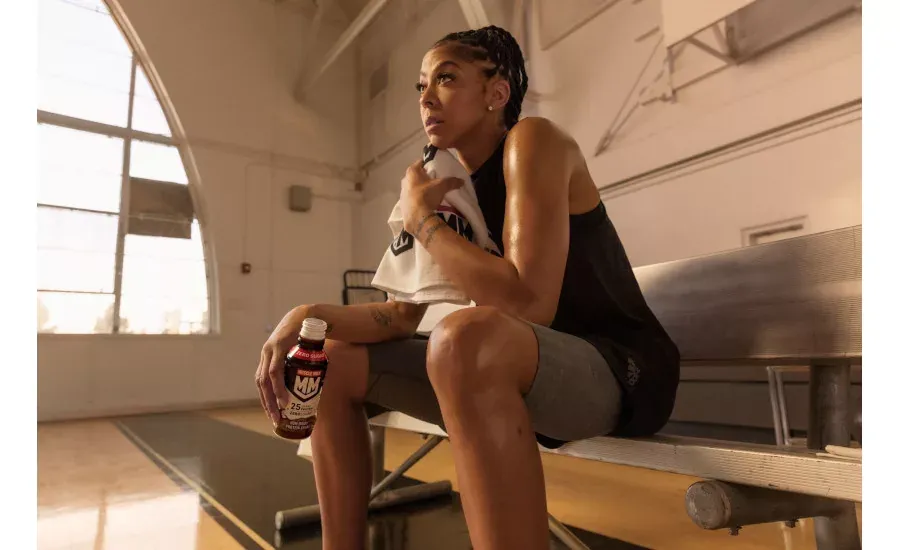
Big creative idea. “Strength for it All” broadens strength from gym accomplishment to everyday capability. Candace Parker, Julio Rodríguez, and Christian Pulisic add sport credibility, while community work and Plant Protein extend the brand beyond one user type.
Integration sequence. National streaming, online video, social content, retail/on-shelf execution, athlete storytelling, and the Muscle Milk Fitness Court / Lifting Project community connection were combined. Pulisic supplied a creative entry point for Plant Protein.19
Evidence signal. The PepsiCo/PR Newswire source documents the roster and planned channel mix, but it does not publish campaign reach, sales lift, or return on spend.19
What to steal. An athlete campaign becomes more durable when it has a credible community asset or participation layer. That gives the brand an action beyond awareness and can translate “strength” into something consumers can experience.
Watch-out. Avoid a fragmented story in which each athlete promotes a different product without a shared consumer proposition. One master narrative should connect every format and partner.
References
- 1 Celsius, LIVE. FIT. GO. campaign announcement
- 2 NACS, CELSIUS NIL initiative
- 3 Reuters, Alani Nu / Kim Kardashian collaboration
- 4 GHOST, Meet the Fam
- 5 Nutrabolt, C4 Ignite Your Fire campaign
- 6 Marketing Dive, Liquid I.V. Fuel Your Play
- 7 MOGL, Liquid I.V. NIL partnership
- 8 TikTok for Business, Liquid I.V. case study
- 9 Amazon Ads, Liquid I.V. case study
- 10 Meta for Business, Liquid I.V. geo-lift case
- 11 Coca-Cola, BODYARMOR FIT launch
- 12 Marketing Brew, Poppi Super Bowl creator activation
- 13 impact.com, OLIPOP creator-community case
- 14 Coca-Cola, Simply Pop launch
- 15 PepsiCo, Pepsi Prebiotic Cola limited launch
- 16 Later, Premier Protein creator case study
- 17 Aligned Growth, OWYN Costco creator case study
- 18 Fairlife, Core Power / Katie Ledecky partnership
- 19 PepsiCo, Muscle Milk Strength for it All