
An end to end walkthrough to celebrity partnerships
"Fame creates trial. Only value creates loyalty. That's the difference between a launch and a lasting brand."
Founder · September 11, 2026 · 9 min read
If you want to:
- Reduce the cost and risk of your first celebrity partnerships
- Want to be familiar with the space
- Acquire a larger upside
Key concepts
"Fame creates trial. Only value creates loyalty. That's the difference between a launch and a lasting brand."
- Elizabeth Ahern, LinkedIn, 2026
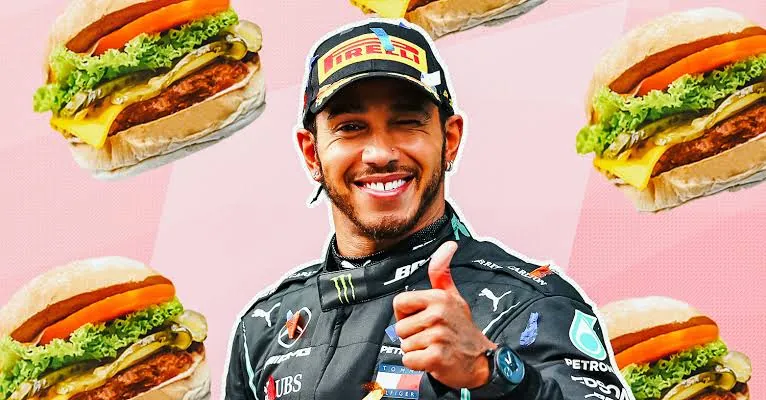
In 2024 alone, 127 celebrity brands shut down - from Lewis Hamilton's Neat Burger to multiple athlete-backed products that never made it past launch phase
Which wellness brands should hire celebrities?
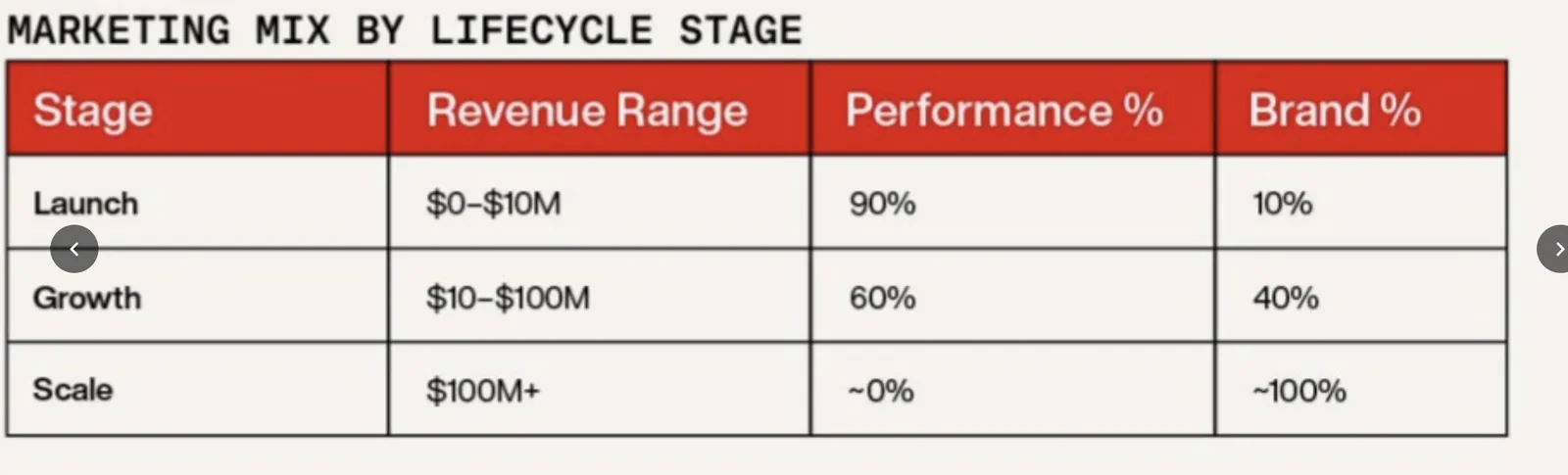
Companies need this especially when transitioning from performance to brand marketing efforts (50-100M)
Source: https://www.youtube.com/watch?v=I8j_yBfAepY
The Specific Triggers
Trigger 1: New entrant into a trending subcategory. When a spirits subcategory is growing rapidly - tequila grew at 13% category-wide in 2022, with celebrity tequilas growing at 40% in the same year (IWSR, 2024) - new brands entering the market face an impossible awareness problem.
They have no heritage, no distribution relationships, and no consumer recognition. A celebrity co-founder solves all three simultaneously: the celebrity's social media following provides instant distribution, their public appearances generate press, and their name provides the credibility that takes non-celebrity brands years to build.
Trigger 2: A trending subcategory that coincides with a celebrity's cultural moment. The timing of the celebrity's peak cultural relevance matters enormously. Dwayne Johnson launched Teremana Tequila in 2020, at the height of his global popularity and during the tequila category's fastest growth period.
Trigger 3: An existing brand losing market share to celebrity competitors. When a legacy spirits brand watches a celebrity-backed competitor take shelf space and consumer mindshare, the defensive response is often to sign their own celebrity. This is a reactive trigger, but it is highly predictable: identify which legacy brands in a growing subcategory do not yet have a celebrity partner, and they are likely in active conversations.
Trigger 4: A brand looking to increase multiples for an acquisition. The Casamigos, Aviation Gin, and Proper No. Twelve transactions established a clear playbook: build a celebrity-backed brand to a certain revenue threshold, then sell to a major spirits conglomerate (Diageo, Bacardi, Brown-Forman) at a 6-12× revenue multiple. Brands that are explicitly building toward an exit use celebrity involvement to accelerate the timeline and increase the acquisition price. The trigger here is investor pressure for a liquidity event - when a VC-backed spirits brand is 3-5 years into its growth cycle and needs to demonstrate premium positioning to attract acquirers.
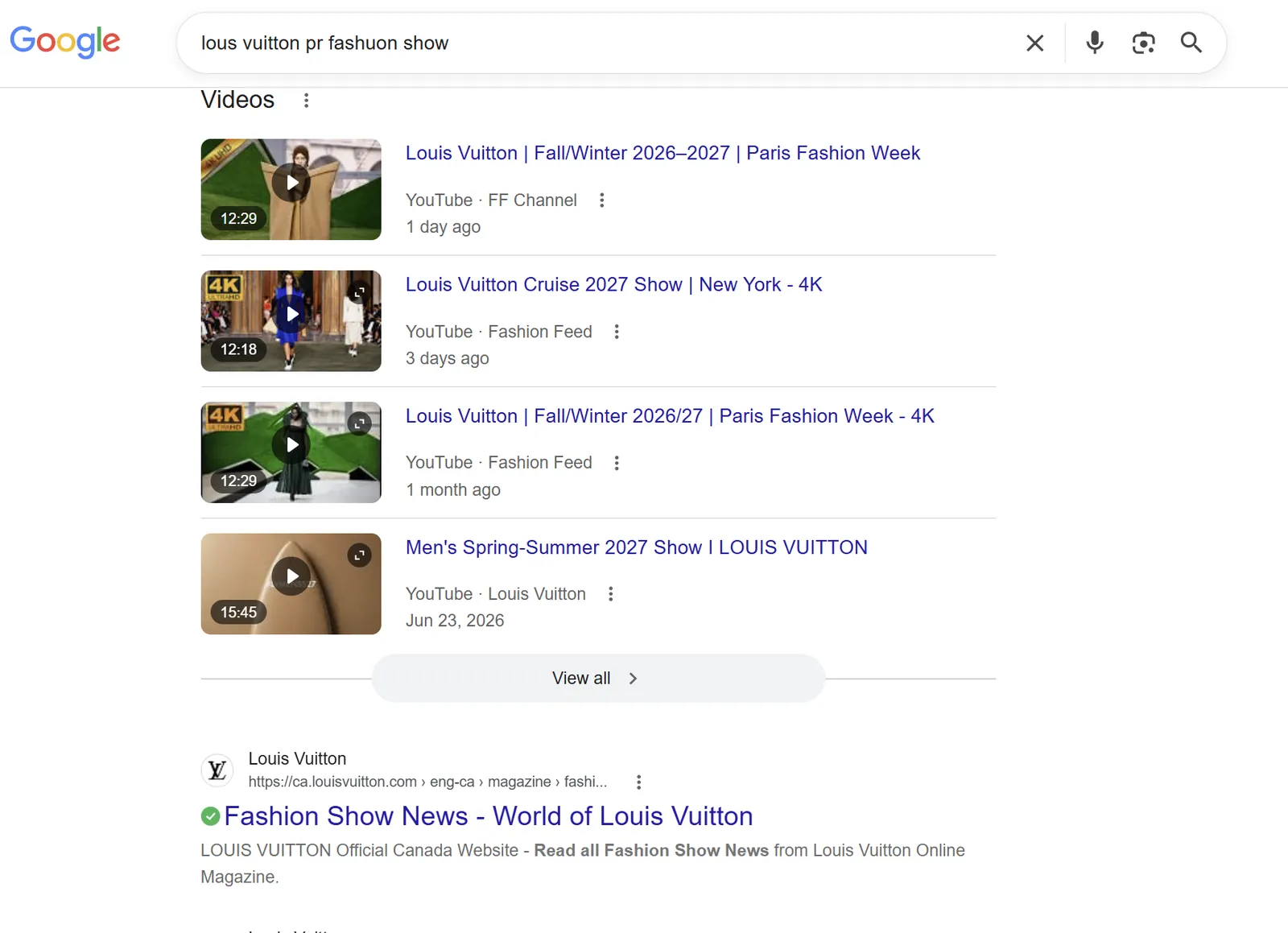
Trigger 5: Entry into a new geographic market. When a fashion brand expands into Asia, Latin America, or the Middle East, it needs local celebrity credibility. K-pop stars have become the primary vehicle for luxury brand expansion into South Korea and Southeast Asia - LVMH, Kering, and Richemont have all signed K-pop artists as brand ambassadors specifically to drive sales in Asian markets.
Trigger 6: A brand losing relevance with a key demographic. When a brand's sales data shows declining penetration with 18-34-year-olds. Burberry's repeated creative and celebrity strategy overhauls in the 2010s and 2020s were driven by data showing declining relevance with younger luxury consumers.
Trigger 7: The Super Bowl advertising cycle - amplify your ad with a celebrity - ex. slack & mr beast
Trigger 8: A DTC brand scaling to retail distribution. brand moves from direct-to-consumer online sales to retail placement at Sephora, Ulta, or Target, it needs a new wave of consumer awareness to justify shelf space. Rhode's expansion into retail prior to its e.l.f. Beauty acquisition was supported by Hailey Bieber's consistent social media presence.
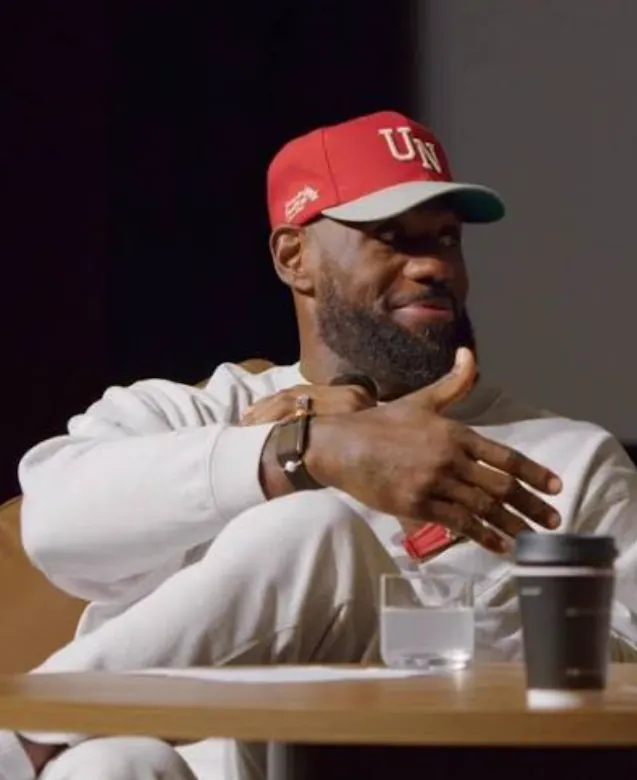
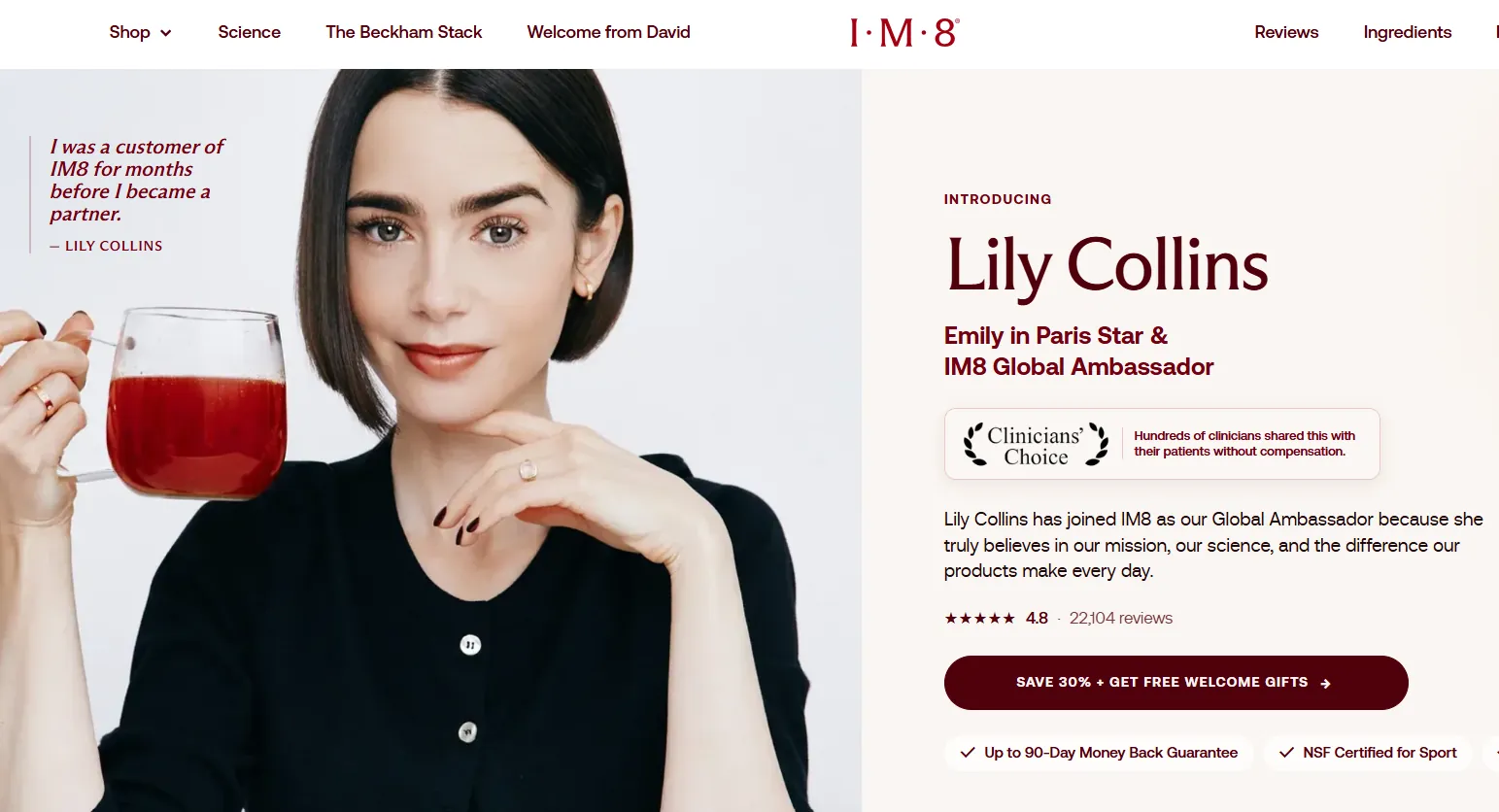
Whoop x lebron
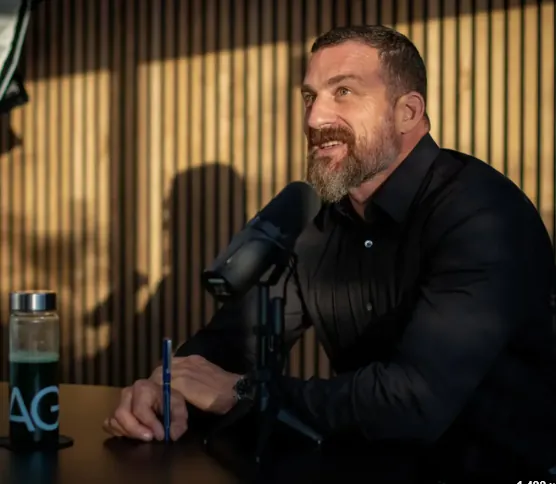
huuberman x ag1
| Outcome | Why it is commercially important |
| Avoid expensive celebrity partnerships that never perform | It directly addresses investment loss, wasted leadership attention, brand damage, and inability to defend spend. |
| Improve conversion rates through recognizable social proof | Conversion affects revenue efficiency, CAC payback, and the ability to scale paid distribution. |
| Increase retail sell-through and retailer interest | Retail demand can strengthen reorders, distribution conversations, and trade confidence. |
| Generate celebrity-led content for paid ads, retail, PR, and social | Rights-cleared assets extend value far beyond one post or appearance. |
| Build trust around a new or underperforming product | Wellness products often require consumers to believe product quality, relevance, and claims before trial. |
| Reach qualified wellness buyers at scale | Reach creates opportunity, but it only has value when the audience is relevant and activation is effective. |
| Turn a commodity product into a relevant brand | Cultural meaning can improve differentiation and long-term brand salience. |
| Earn press and organic creator coverage | Earned attention can amplify paid partnership value and provide third-party social signals. |
| Enter new customer segments or markets | The right cultural voice can help relevance in a new audience, but market entry depends on distribution, product fit, claims, and operations. |
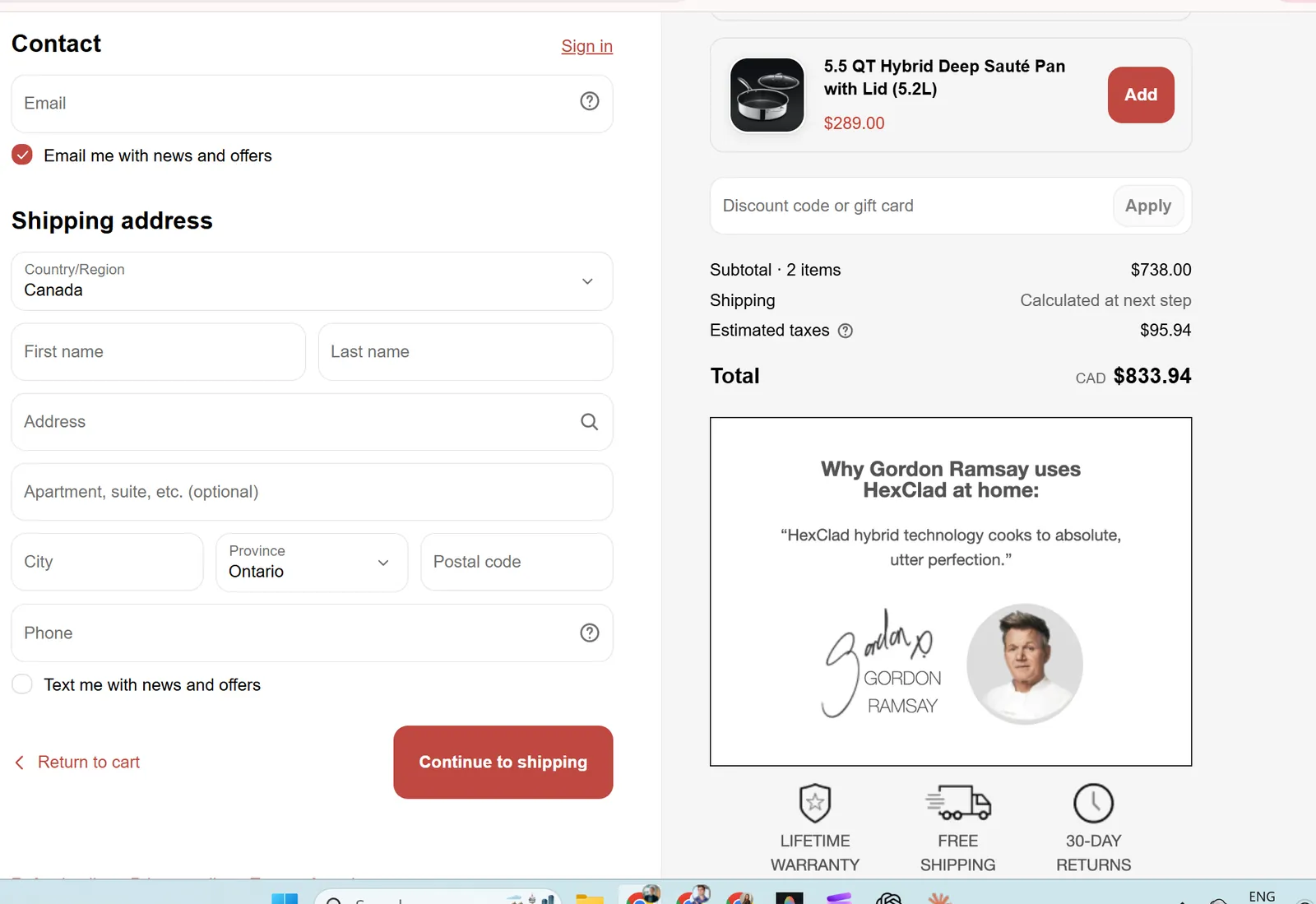
Knowing which trigger you are in is the easy part, the slow part is finding a celebrity who already fits your product and your buyer, so if you are at that stage we can put together a shortlist of celebrities who fit your brand.
Types:
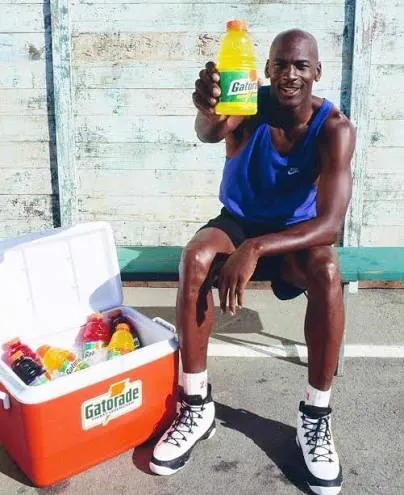
The All-Cash / Traditional Spokesperson Model
These are fixed-term, fee-for-service agreements focused on specific deliverables
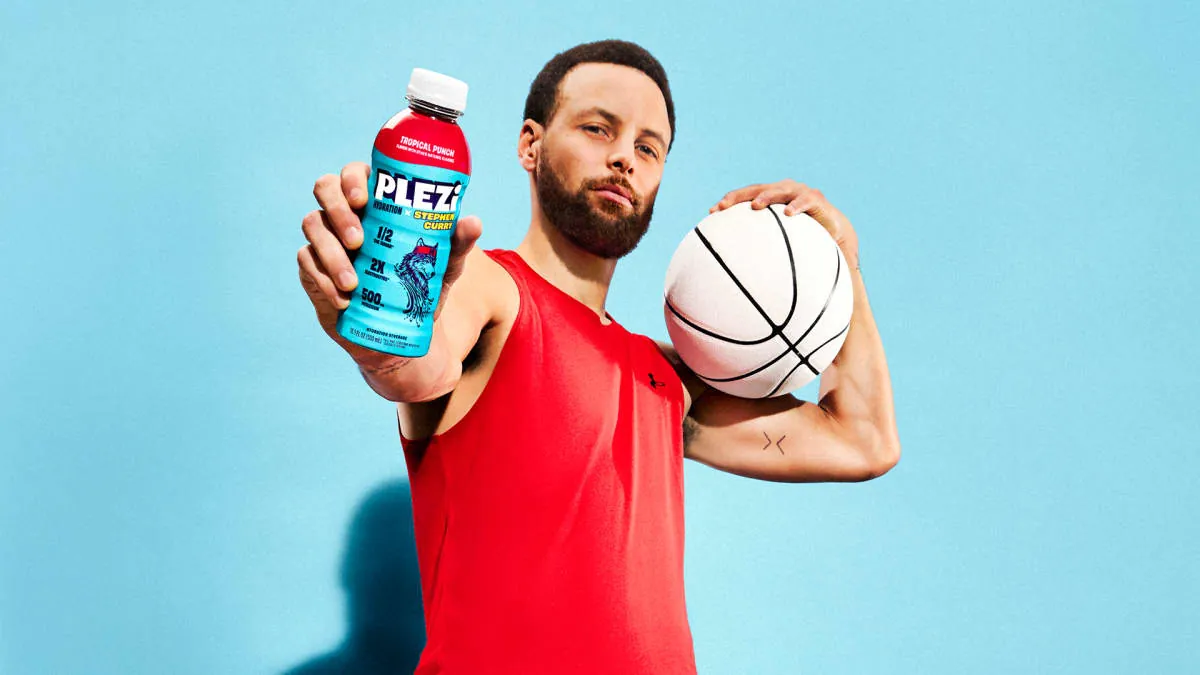
The Hybrid Model (Cash + Equity)
To align incentives, many modern deals combine a lower upfront cash guarantee with equity grants or stock options.
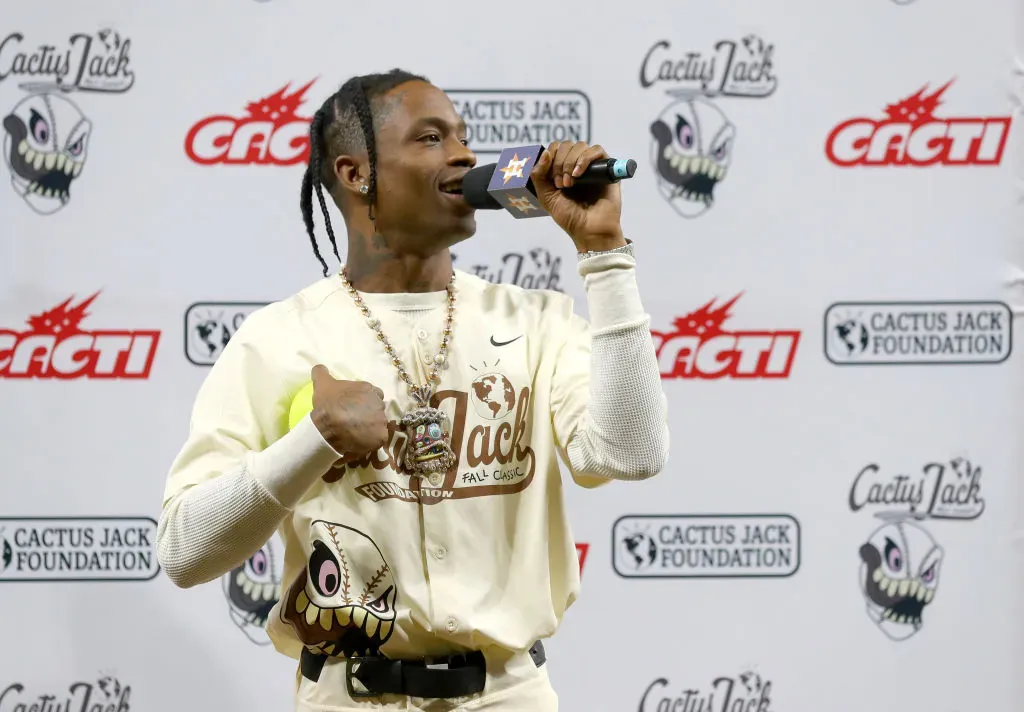
The Revenue-Share / Co-Creation Model
Often used for limited drops or co-branded product lines, this model ties the celebrity's compensation directly to the sales of the specific products they helped create
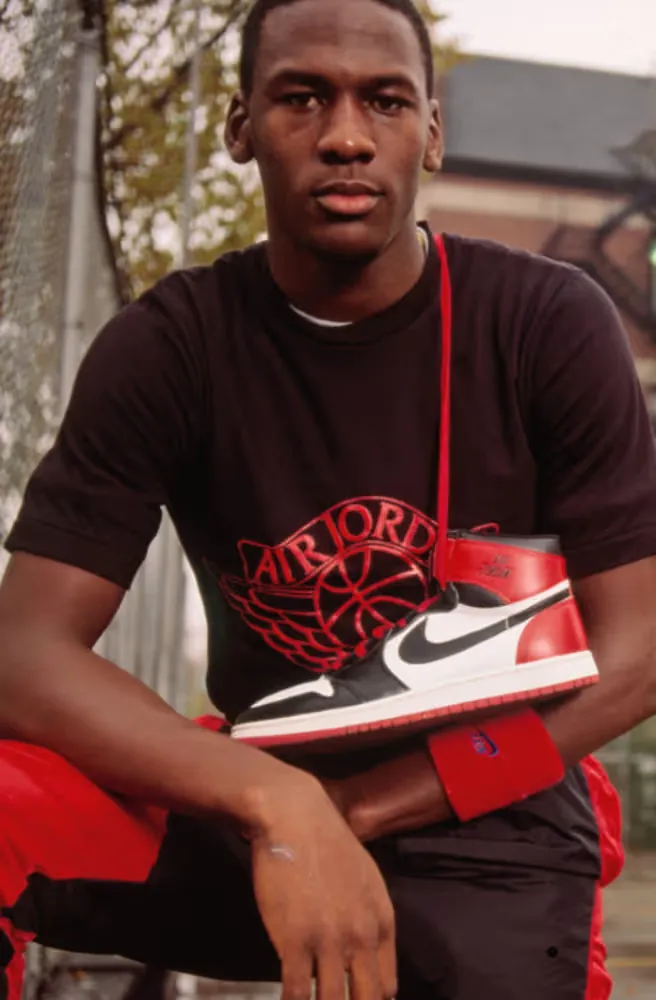
Equity Partnerships and Celebrity Co-Founders
At the highest level of engagement, celebrities join brands as co-founders or major equity stakeholders
What makes a celebrity choose a brand?
Appeal to celebrities to have more leverage.
Financial incentives however brand storytelling can go a longer way..
**50 Cent + Street King energy shot (2011). **
**50 Cent **launched the shot with Pure Growth Partners CEO Chris Clarke, and through the UN World Food Programme each shot purchased was meant to provide a meal for a child in Africa.
He publicly committed to donating 1 billion meals to the WFP over five years, and the cause powered retail growth. Within four months of founding, it was in 3,700 GNC stores. He also turned the cause into engagement: for one week, every Facebook "Like" on the Street King page triggered a meal donation. The math was simple for consumers, and WFP explained that one "meal" meant a 10-cent donation.
FIY - You can still exit the brand - make the profit there
Tactics:
Decision-maker breakdown:
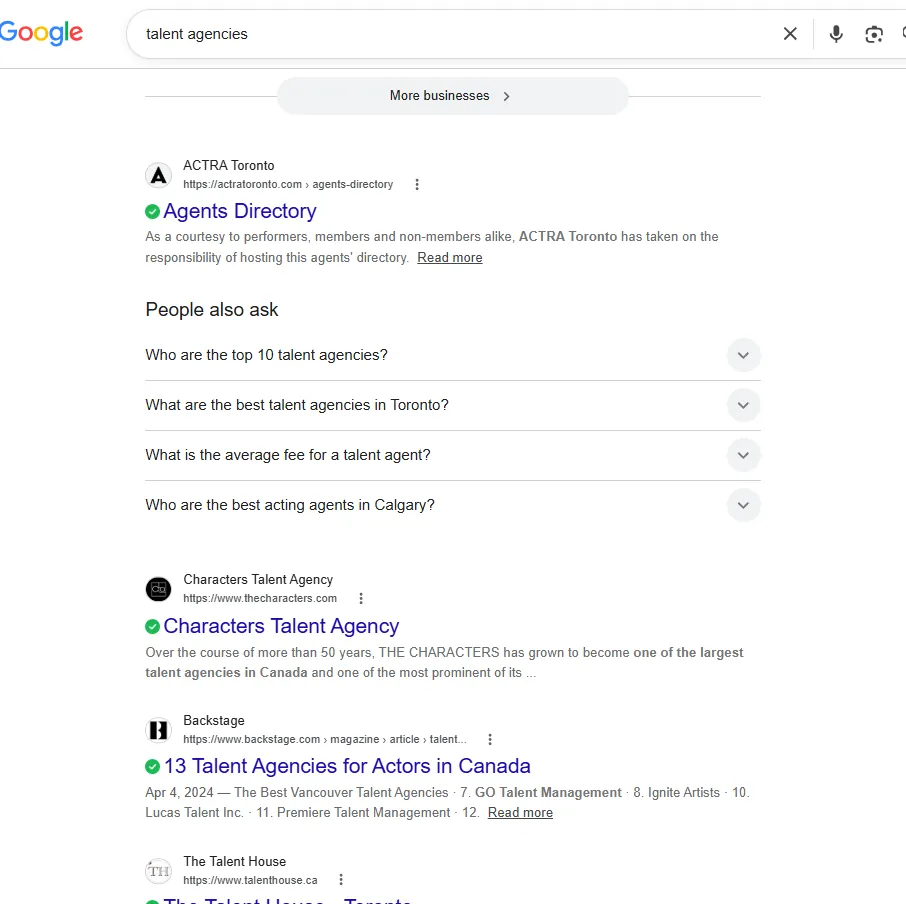
1. The Talent Agent
They negotiate contracts, find roles, and secure paid endorsements. They typically earn a 10% to 20% commission on the deals they broker.
When to contact: If you have a firm, paid offer (cash in hand) for a commercial, a brand ambassadorship, or a specific gig, the agent is your primary target. Be warned that they side with the talent, so they will negotiate against you (the brand). In favour of the influencer and their commission percentage.
Examples
- Creative Artists Agency (CAA): Their Entertainment Partnerships department specializes in connecting brands with talent for film, TV, and digital content.
- William Morris Endeavor (WME): WME's Brand Partnerships division is known for massive deals, such as John Cena's partnership with McDonald's and Millie Bobby Brown's florence by mills lifestyle brand.
- United Talent Agency (UTA): Also handles this…
2. The Manager
Managers oversee the long-term trajectory of a celebrity's career. They act as the "CEO" of the celebrity's business, advising on which projects to take, shaping their brand, and often hiring or firing the agents and publicists. They take a 10% to 20% cut of the client's total income.
When to Contact: For long-term equity deals, co-ownership ventures, or partnerships that require deep integration into the celebrity's personal brand,
They evaluate whether a deal aligns with the star's 5-year plan.
Examples
Business managers like Mickey Segal (NKSFB) and Belva Anakwenze (Abacus Financial)
3. The Publicist
Publicists handle all media relations, press releases, interviews, and crisis management. They curate the celebrity's public image and manage their relationship with the press.
When to Contact: If you want to send a product for gifting/seeding, request an interview, or propose an unpaid charity alignment. They can control the flow of free products and PR opportunities.
Examples:
Jill Fritzo (who has represented the Kardashian sisters), Meredith O’Sullivan (co-founder of The Lede Company, representing Lady Gaga and Rihanna), and Nicole Perna (Imprint PR) .
Many of the biggest deals in Hollywood are struck over a meal or an exclusive industry event such as:
- Cannes Lions International Festival of Creativity: The premier event where major brands, ad agencies, and entertainment executives converge to discuss branded content and entertainment partnerships.
- Variety Summits: Variety hosts numerous events that bring together creators, talent, and brand marketers.
Every person on this list works for the talent, and the agent earns more when you pay more. Having someone on your side of the table before any number is agreed is the part we handle for brands.
Process
- What takes the most time in the process
- finding the right celebrity How is this process done?
- negotiating a deal that doesn’t burn a year’s worth of cashflow
- Get them to like it first
- thorough gifting process
- talking with talent managers
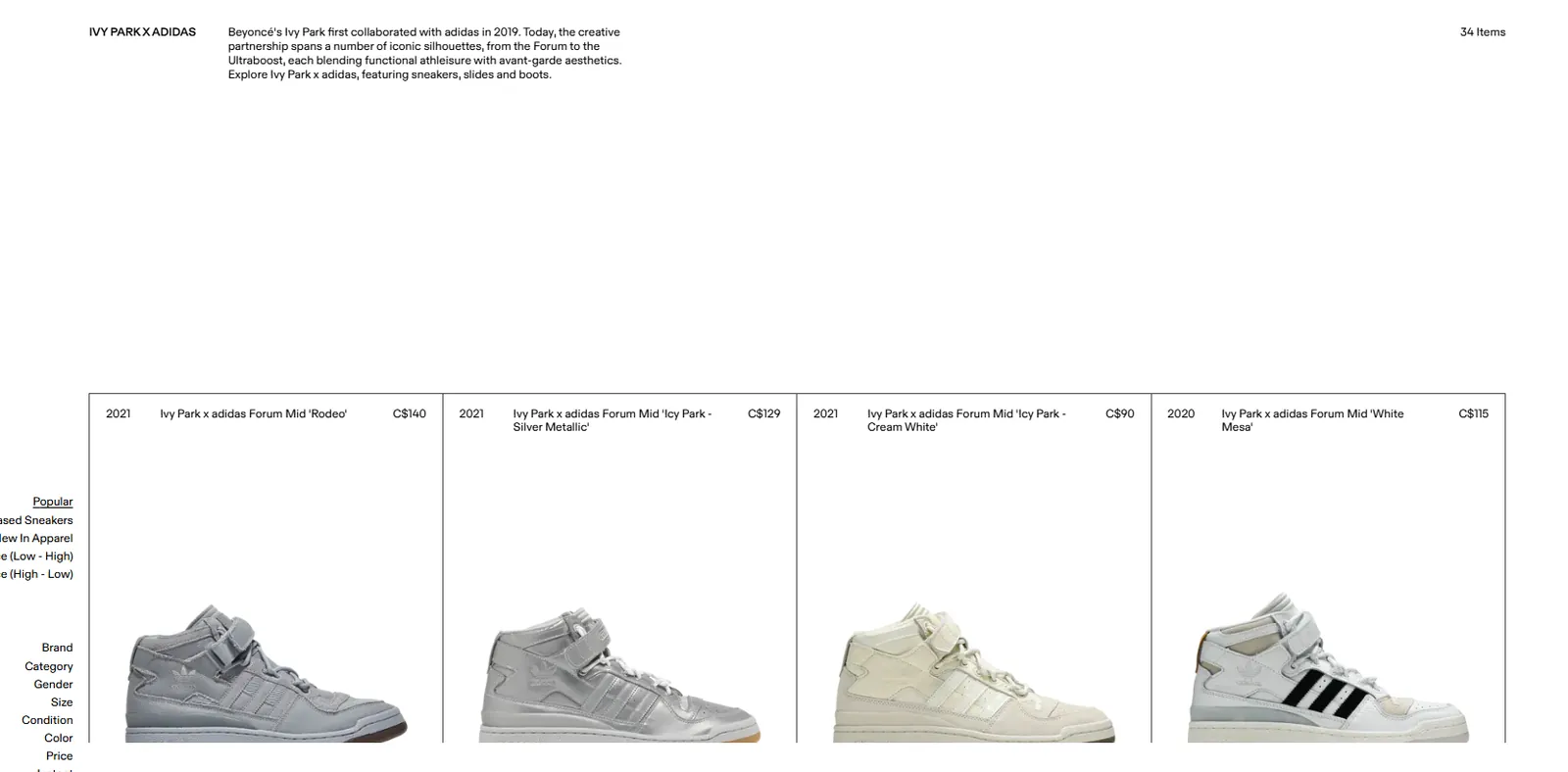
- Co-created lines
The Meaning Transfer Model (MTM)
- Culture to Celebrity: The celebrity accumulates meaning from their roles, public persona, and cultural context.
- Celebrity to Product: Through the endorsement campaign, the celebrity's cultural meaning transfers to the brand.
- Product to Consumer: The consumer acquires these meanings by purchasing and using the product.
Attribution Mechanisms
Q Score (Q-Rating)
It calculates the percentage of people who consider the celebrity "one of their favorites" divided by the percentage of people who are aware of them
Earned Media Value (EMV)
EMV assigns a monetary value to the organic exposure a brand receives as a result of the celebrity partnership (e.g., press coverage, organic social shares, fan discussions).
Brand Lift Studies
Surveys conducted before, during, and after a campaign to measure shifts in consumer perception.
- Awareness: Did the celebrity help more people discover the brand?
- Consideration: Are consumers more likely to think about buying the brand?
- Favorability: Did the celebrity improve the brand's overall image?
- Purchase Intent: Are consumers actively planning to buy the product because of the endorsement? [12]
FAQ
If the upside is a 10x return, the downside is brand dilution, negative ROI, and PR disasters. A 2010 Ace Metrix study found that fewer than 12% of ads using celebrities exceeded a 10% lift in effectiveness, and one-fifth actually had a negative impact.
Why most people think celebrities don’t work
Today's consumers, particularly younger demographics, can spot a purely transactional relationship. If the celebrity clearly does not use the product, the endorsement fails.
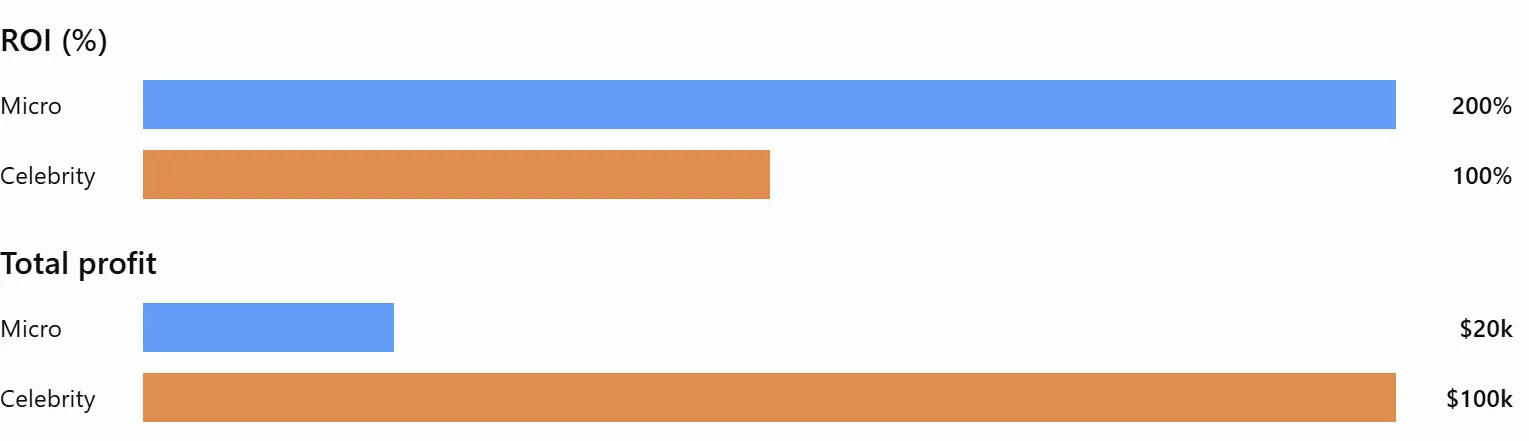
This is why most resort solely micro-influencers, who maintain niche credibility, frequently deliver higher ROI (by percentage) than macro-celebrities for specific campaigns.
However total ROI (by spend) is typically higher with celebrity campaigns.
What are the biggest risks of celebrity deals?
Product quality failures. Jaclyn Hill's cosmetics brand collapsed after a defective lipstick launch triggered a recall and lasting reputational damage. The brand ultimately shut down
Positioning misalignment. Jessica Alba's Honest Beauty faced consumer trust erosion when product claims - particularly around sunscreen efficacy - did not hold up to scrutiny, creating a disconnect between the brand's mission and its actual performance.
**Scandal **- Kanye & adidas dropoff after Kanye mentioned slurs in public (October 25, 2022 - peak climax)
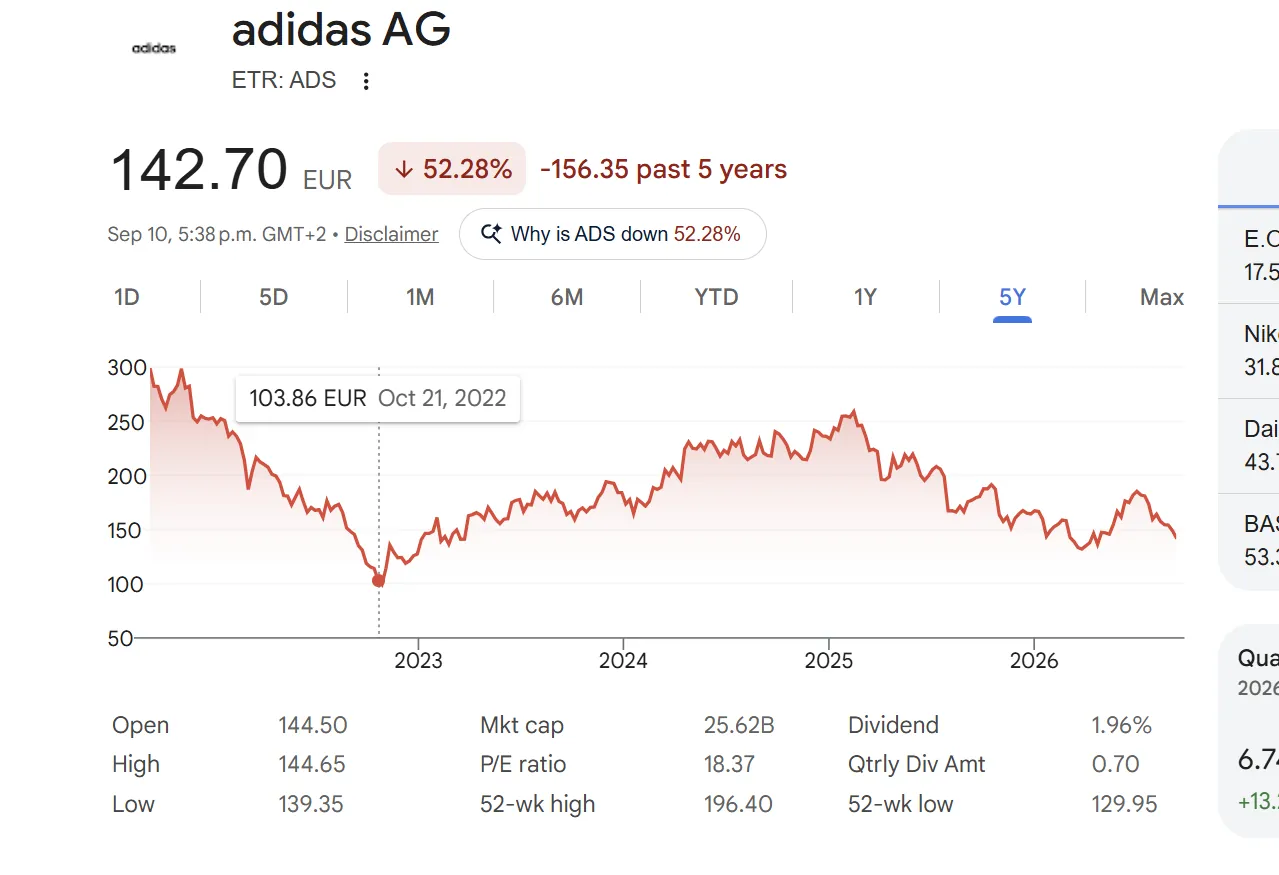
When a celebrity endorser becomes embroiled in a scandal or controversy, the fallout can be swift and financially devastating for the associated brands
- Case Study: Tiger Woods (2009)
- Case Study: Lance Armstrong (2012)
- Case Study: Jared Fogle and Subway (2015)
The graveyard
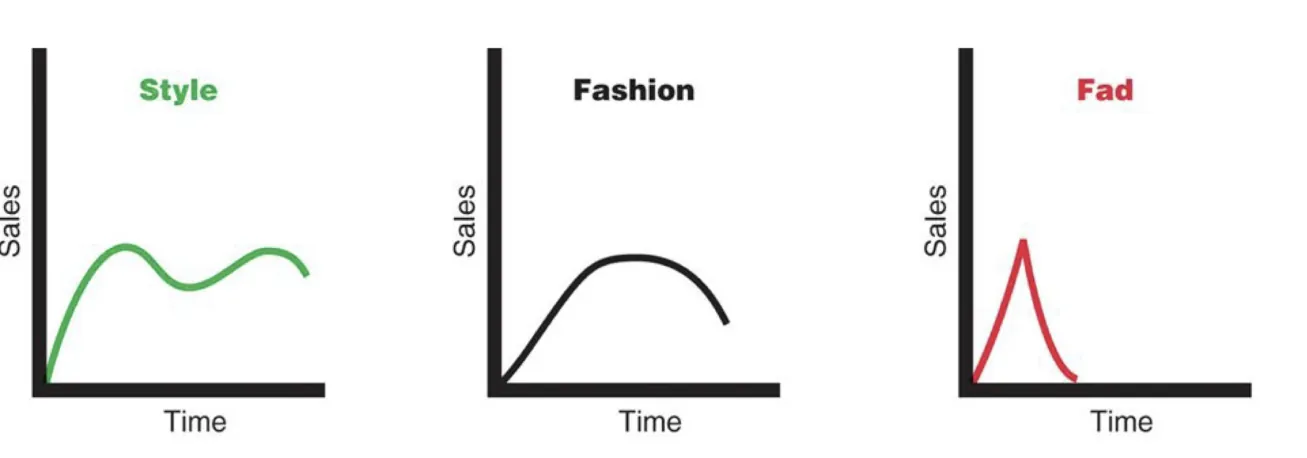
"Most celebrity brands collapse because they confuse attention for longevity. Retailers start pulling shelf space, the celebs move on, and the brand fades."
- Sam Parham, LinkedIn, 2025
Track the celebrity brand's rate of sale on a monthly basis through syndicated data or retailer portals. The pattern in most categories is the same: a massive spike at launch, followed by a sharp decline as novelty fades and consumers realize the product quality may not justify the premium.
Most of the brands in that graveyard had the attention and not the fit, so if you want us to run the whole partnership with you, from picking the celebrity to measuring what it sold, that is the work we do.