 Influencer Advisory™
What do you pay on top of commission?
Real incentives on top of commission are how a brand brings creators in and keeps them posting.
Founder · October 2, 2026 · 37 min read
Real incentives on top of commission are how a brand brings creators in, gets them posting hard and keeps them posting month after month.
Is a flat fee per post too risky?
especially with TikTok and its virality compared to YouTube or Instagram. This only makes sense if you're doing mass amounts like 10, 30 posts plus.
When a creator still wants a flat fee, building the first deal as a hybrid with commission tends to end with them asking for commission alone.
- Say somebody gets 50,000 views on average on Instagram. On Reels they will land between 40,000 and 65,000 views. On TikTok the same creator will be like 3,000, 5,000 or a million, so if you are paying for content and only get so many shots, that is very volatile.
- HexClad would never pay an agreed flat fee for a TikTok post at this point. Followers probably matter more on long YouTube videos, and on TikTok they are almost meaningless, so it would rather use the TikTok Shop approach there.
Heard on Marketing Operators at 30:38 and 1:04:02.
Should you mix a flat fee with commission?
- HexClad describes the old way as paying a creator with a million followers 20 grand for one piece of content. Reach is no longer guaranteed, so it may hold that kind of deal to a certain percentage of budget and put a bigger focus on a high volume of creators.
- When a creator has put up an arbitrary number, bring it down to reality with a hybrid model. Pay a flat fee based on their average CPM and the industry CPM, and an affiliate commission for extra sales.
- If you structure the first deal as a hybrid, the creators will get commission, and then they'll want to switch over to commission instead of the flat fee.
Heard on Marketing Operators at 1:01:16. From Dennis Ksendzov on LinkedIn and General end to end guide on Influencer Marketing.
Compensation structures for creators:
Should you pay one fee for a batch of videos?
Ridge accepts a batch fee as the short term cost of getting new affiliates on board, though it pays for every video, not only the ones that sell.
- Ridge also pays a flat fee for volume. Make thirty videos, get paid a set amount, no commission involved. Out of the thirty one creative is bound to perform much better.
- Ridge says paying for a batch of videos is a little more transactional than commission, because it does not reward only the content that sells. It sees it as what it needs in the short term to get affiliates on board, creating content and seeing results.
Heard on Marketing Operators at 56:06 and 56:32.
How do you work out a creator's fee from views?
Pricing a fee from CPM puts it side by side with your Meta ads, and Bloom can afford a higher CPM on creators because influencer converts higher as a channel.
- The simplest way Bloom sizes a fee is from the creator's last 10 videos. It takes the average views and then decides what it is willing to pay per thousand views. If half of the creator's following is in India and the product is only sold in America, it cuts that CPM in half.
- Bloom: the contract price is worked out from CPM (cost per thousand views). Start from your own Meta CPM, say $20 per thousand views. then work on attainng the same or lower CPM - since influencer converts higher as a channel, you can afford to have higher CPMs, even because people will recognize the influencer and be more willing to purchase.
Heard on Open Residency at 5:34 and 9:03.
How long should a first creator deal be?
Hannah Perez of SEEQ thinks a buyer now needs about 20 touch points to remember a brand, far more than one paid video and moving on can give.
Start with a short deal and a small list of deliverables, and extend it once the creator proves out. One brand that used to sign 6 month and 1 year deals up front now asks for a very specific list of paid deliverables with 3 to 4 months of usage, tests it and then extends.
Hannah Perez of SEEQ does not think a brand gets far paying a creator a few hundred dollars for one video and moving on. The saying used to be that a buyer needs seven touch points to remember a brand, and she thinks today it is probably more like 20.
Heard on Marketing Operators at 40:35, and on Shelf Talks Podcast at 33:02.
What happens when a discount code leaks?
A leaked creator code turns the discount into a straight loss beyond the commission, which is one reason Ridge kept creator discounts at 10% for a long time.
- HexClad gets hit hard by leaked discount codes whatever it does, even when the code is hidden in a custom link and the creator is never given the code.
- Leaks are one reason that for a long time Ridge only gave 10% off with creators. Plenty of codes leaked and Ridge just took the loss.
Ridge's sponsored videos stay up on YouTube, so if it turns a code off, people who just watched the creator and want to use the code find it does not work. That is a poor experience all around.
Heard on Marketing Operators at 1:13:56, 1:14:38 and 1:14:58.
How do you fix a leaked discount code?
- Ridge does not do big discounts with creators. It only gives discounts it is comfortable having floating around, and when a code has clearly leaked it has the code updated.
- HexClad found one fix on its Joe Rogan sponsorship. The discount was applied by a script at checkout, which Intelligems can do, and the script only fires for a buyer who arrives with the UTM parameter from the link. HexClad saw a ton of attribution and zero leakage.
- Have a clause to tell creators to update the link and code in the description few months to help stop site leakage.
- During big sale periods like Father's Day or Q4, Ridge shows strike through pricing and does not let any codes work. Creator ad reads that go live in that time have no code to offer, and Ridge says that is as good as it could get it.
Heard on Marketing Operators at 1:15:07, 1:15:14 and 1:15:35. From Influencer Campaign Common Problems & Solutions.
How brands do incentives
Ridge layers contest rewards over everyone's commission and puts its strongest affiliates on a flat retainer, and in May close to 1,000 creators posted about 7,000 videos.
How high can creator commission go?
Everybody gets commission. It is usually paid on the first order only, so a product people buy again can carry a very high rate.
- Ridge rewards a creator in three ways. Everybody gets affiliate commission, there are contest rewards on top of that, and the strongest affiliates are put on a flat rate retainer. In May, Ridge had about 7,000 videos posted by close to 1,000 creators.
- Commission is usually paid on the first order only, even for a subscription brand on TikTok Shop. One operator has heard of brands paying 80% commission and is sure there are brands out there paying 120%.
Say you sell a $50 consumable. You can afford to pay a massive commission on the first order, because buyers come back and buy five more times through the year and that is where the margin comes from.
- Don’t depend on tiktok shop: Bloom can pay more than anyone because TikTok Shop is not what keeps its lights on.
Heard on Marketing Operators at 19:18, 56:06 and 56:48, and on Open Residency at 31:49.
Can one video pay a creator commission twice?
Ridge says commission alone gives creators little reason to make good wallet content, and for hero products it will pay a share of the Meta ad revenue their videos bring.
- A Ridge creator gets paid twice on one video. They earn a higher commission on the organic sales, then a lower commission on the sales from the GMV Max ads Ridge pays to run behind it.
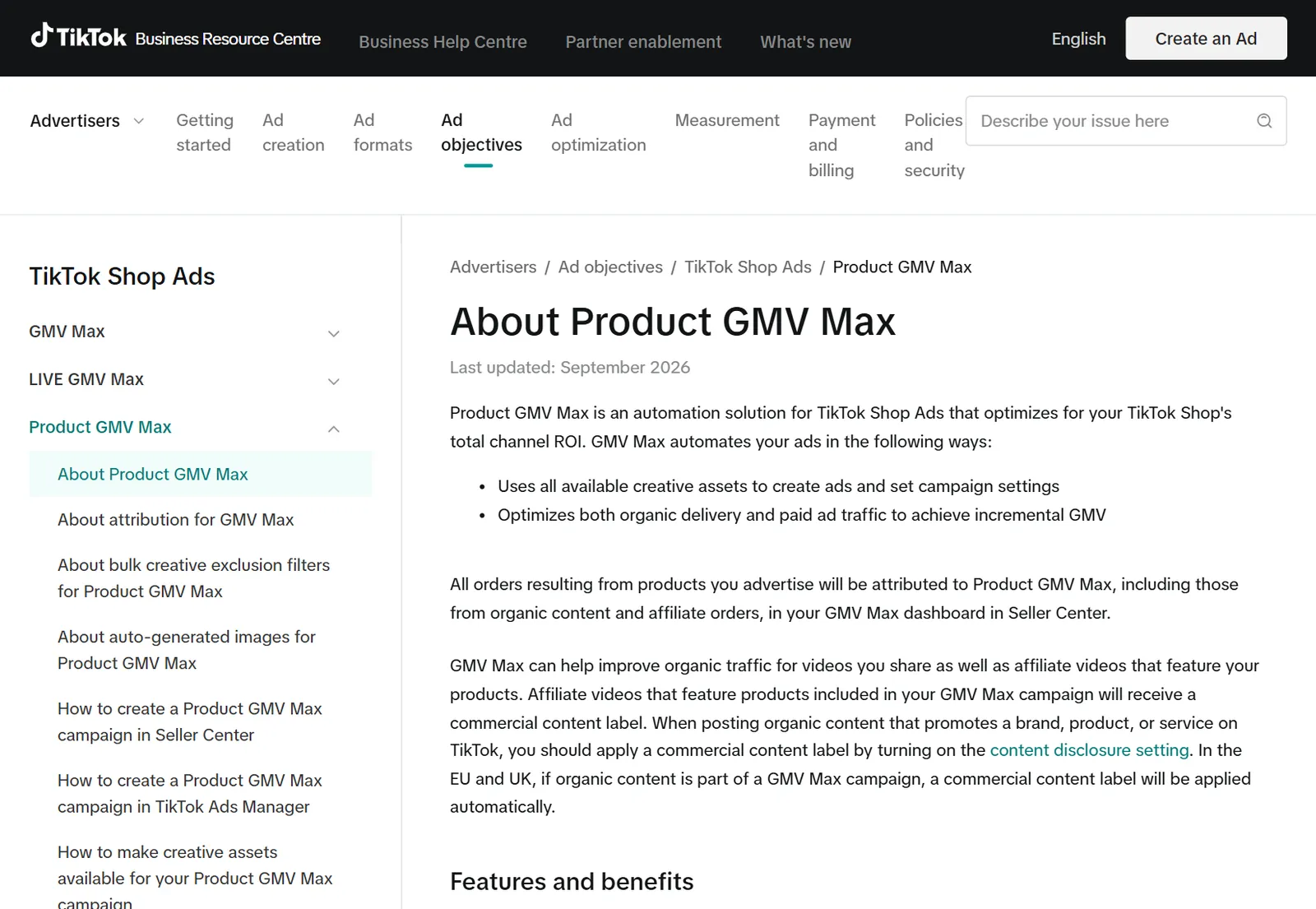
- Creators get commission on every channel their video is reused on. One brand reuses all of its TikTok content on Meta, Pinterest and Snapchat, pays commission on those channels as well, and tells its creators they have over 150 streams of revenue.
- Ridge says wallets are not really working on TikTok Shop, so creators paid by commission are not really incentivized to make good wallet content. For its hero products, Ridge says it is going to pay creators a percentage of the ad attributable revenue their content brings on Meta, independent of whether it sells on TikTok.
Heard on Marketing Operators at 20:04 and 52:38, and on Hudson at 31:47.
When do you pay a creator a monthly retainer?
A retainer carries a new creator until commission pays more, but a creator nobody coaches on their creative can stagnate and stop performing on commission.
- Comfrt's founder says to offer early creators $1,000 a month or 15 to 20 percent commission, whichever earns them more (have a minimum view requirement).
- The retainer is only there at the start. Once a creator sells enough, the commission pays more than it does (and if it doesn't, then you would drop the retainer either way because they're not bringing in sales).
- biggest mistake here is not investing in the growth of the creator and helping them improve their creative strategy, either with feedback from the group or with hiring content coaches ( if the creator stagnates, you're gonna go through their audience and they're gonna stop performing on commission)
- TBAR, a TikTok Shop agency, pays a retainer creator a flat fee per video or for a certain amount of videos, and then a commission. It talks to those creators multiple times per day and tells them what angles are working, while still giving them creative freedom.
- One creator on a small monthly retainer brought $150,000 of the $226,000 GMV at Peach Slices, according to the vendor's own write-up.
Heard on Hudson at 29:18 and 32:42, and on Storetasker: ecom wisdom | Experts in Shopify at 5:03. From Warmap, the ABCs system.
What do brands pay in retainers and bonuses?
TBAR caps its bonus so extra pay cannot grow without limit in a big month, and says the bonus works out to about 10% of what the creator makes.
- average rates: One brand pays affiliate retainers of about 300 dollars for six videos.
- Tabs Chocolate had dozens of creators each running their own brand page on TikTok, with no approvals. They were paid a retainer and then a small CPM bonus based on the views they brought in.
- For one brand, TBAR ran a cash bonus on top of commission for about a month. A creator who did 1K in sales got a $100 bonus, 2.5K got a $250 bonus and the 5K tier got a $500 bonus, and a creator only gets the bonus for the tier they end up on.
- TBAR uses that capped bonus instead of boosted commission, because with a creator who does over 50K in a month you would endlessly be paying way more. It says the bonus is pretty much equal to 10% of whatever the creator makes.
- Early on, a waitress made videos for the brand every week at $25 each. The founder told her how many pieces of content, hooks and calls to action to make, she did all of it, and she now makes over $100,000 a month.
- Ridge expected to spend almost 50 thousand dollars in a single month on fixed content costs with creators, meaning retainers and content bonuses, before any of the dollars it spent on GMV Max. It said it would overpay for content in the short term to learn faster which creators and which content work.
Heard on Marketing Operators at 45:10, 42:51 and 45:38, on Hudson at 22:55, and on Storetasker: ecom wisdom | Experts in Shopify at 9:16 and 9:44.
What can you offer creators that costs no money?
Not every reward on top of commission is cash, and a repost or joint post puts the creator in front of the brand's own audience.
- If you are a brand with a big following, you can bargain with that when you are seeding product to creators. Repost them on your story, repost them on your feed or do a post together, and sell them on the distribution you are going to give them.
Heard on Open Residency at 58:35.
What do the best creators earn?
Bloom says its program has become a full time job for its best affiliates, with 150 or 200 of them on one Discord call quitting their 9 to 5s.
- Bloom's payouts are sometimes six figures, and the numbers are agreed before the creator posts.
- Neuro pays some of its top creators hundreds of thousands of dollars a month, and they are about 22 years old.
- One normal person in Bloom's affiliate program quit their job and made $50,000 in about 2 weeks selling its clear protein powder on TikTok Shop. Bloom had 150 or 200 of its top affiliates on one Discord call, and it says they are all quitting their 9 to 5s to do this full time.
Heard on Open Residency at 8:53 and 30:44, and on The BarberShop with Shantanu at 31:05.
What pay deals can you copy? 3 examples
A pay deal can reshape commission instead of adding cash, as when Organifi offers each affiliate a 30% lifetime commission or a 75% one time payout.
Example 1: Organifi lets affiliates pick their payout
Your affiliates get traffic in different ways, so you let each one pick a 30% lifetime commission or a 75% one time payout.
Proof: Organifi paid affiliates about $6 million total in 2016. (Drew Canole, founder of Organifi, with his numbers man Jamal, on Nathan Latka's show)
Do this:
- Set up a 75% one time payout option for affiliates who buy traffic and want money upfront.
- Let each affiliate select which commission structure to use based on how they acquire their traffic, will increase activity from affiliates.
Example 2: Ridge pays less commission on ad sales
You can always metnion to the influencer that you are, in fact, helping them grow their presence, so you'd be able to get a discount here especially when negotiating usage rights.
Proof: Ridge pays a higher affiliate commission on organic sales and a lower affiliate commission on GMV Max, since Ridge is already paying to promote that content through the ad system. (Marketing Operators, where hosts from Ridge, HexClad and Jones Road Beauty take apart the Ridge and HexClad affiliate programmes)
Do this:
- Set two commission tiers for affiliates, one rate for organic sales and a lower rate for sales that came through GMV Max ads.
- Feed affiliate videos that tag a product into the GMV Max ad campaign so the brand can pay to promote them with a daily budget and target.
- Pay affiliates commission again on the sales from GMV Max ads that run their tagged videos, on top of what you spend on the ads.
Example 3: Bloom affiliates sell with no discount code
You do not want your affiliate program to put your product on sale all year, so buyers click buy now with no coupon code.
Who says so: Greg LaVecchia, co-founder of Bloom Nutrition, who ran its paid media himself
Do this:
- Set the affiliate program terms so the product never goes on sale except for Black Friday or Prime Day.
- Build the checkout and marketing funnel so people can buy anywhere with no coupon code needed, just click buy now.
How much do I pay creators, and how do I set up the deal?
The rights, the payout rules and the exit decide a creator deal more than the fee, from Ridge's partnership ad access to IM8 holding commission 30 days for returns.
1. Who is this for?
- Founders about to pay their first creators, & anyone writing a creator deal.
2. What is the 1 number the story turns on?
- $6,000 a month: what creators asked BUM Energy before Chris Bumstead. After him, the same creators came back at $2,500.
3. How did they start?
- BUM Energy: an energy drink from the people behind Raw Nutrition, & no good face for the brand yet.
4. What was the first move with creators?
- BUM Energy x Chris Bumstead: the anchor athlete first. The CEO also helped Chris do his own deal with Gymshark.
5. What happened next?
- Chris's Gymshark deal: BUM Energy written in as the exclusive supplement & energy drink collab at Gymshark events.
- That collab drink is only at Gymshark events. It resells for over $100 a can on eBay.
- 2026: BUM Energy keeps an athlete on only while their following grows 10 to 20% month over month.
6. What is going on now?
- Ridge (2025): 50 to 100 creators paid $100 to $200 a video, mostly for content, plus access to run partnership ads from their pages.
- Jones Road Beauty (2025): partnership ad rights in the same deal at no additional cost.
- Cellucor (2026): Team C4 pays a flat fee based on average views, plus commission on the creator's own discount code.
- Kill Cliff (2025): 15% commission per sale, 20% after 10 sales, 25% after 99, 30% at 100 or more.
- Bombas (2026): 10% commission on a new customer, only 1% on an existing one.
- Ketone-IQ (2026): the partner gets a portion of the spend behind their whitelisted ads. Equity only when someone really leans in as a partner.
- AG1 (2026): the repost license runs 12 months from the post. Ads through the creator's own handle need a separate written agreement.
- IM8 (2026): commission held 30 days for returns, paid once the balance hits $100. A January sale pays out in early March.
7. What is the problem, or what went wrong?
- Ridge: about $10 CPMs to YouTubers since 2016. Then crypto sponsors quoted the same creators $3,000 CPMs.
- Jones Road Beauty: about $100,000 a month on influencer content, & the ROAS looked terrible on its own.
- Bucked Up (2025): the ambassador owes 30 days' written notice to quit. Bucked Up can end it with no notice.
8. What should they do next?
- Ridge (2025) gets whitelisting as part of paying about 50 creators for UGC. Step: put the ad rights in the first deal.
So
- So the fee is the small part: the rights, the payout rules & the exit are the deal.
Steps to incentivize an influencer to join you long term?
For a creator you want past a single post, the pay on offer is steady money, a cut of sales or a share of the business.
For you if:
- You want a creator to keep working with you, not post once and move on.
- You are choosing between steady pay, a cut of sales or a share of the business.
- You run an agency or manage creators and want them to sign and stay.
Pay them steady money, not one-off fees
Steady money gets the brand a reliable few dozen videos a month and a lower cost per piece of content than paying for one post at a time.
1. Pay a salary and fund the show they want to make
One company gave a 21 year old creator 45 grand a year, paid his production costs, bought him an RV and shared his Patreon revenue, so he could make the show he wanted.
“they give him a salary they fund his production expenses they buy him an rv and they agree to a revenue share on patreon i was a young dude i was 21. yeah planning the hitchhike and make a documentary about it and this company was like i will buy you an rv and give you 45 grand a year now this deal feels pretty exciting for a young creator you get paid a guaranteed amount of money to make the show you want to make”
Hear it: How he changed the news forever
2. Move your best affiliates onto a flat retainer
Once an affiliate proves they sell, they go on a flat rate retainer, so the brand knows a few dozen videos a month are coming.
And then as they become more valuable affiliates to us, we roll out different sorts of retainers. So, if someone's really strong and we want to make sure that they are going to be delivering a few dozen videos per month, we'll put them on a flat rate retainer and that is like the the the total cost here.
Hear it: TikTok Shop Masterclass: Inside Ridge & HexClad Affiliate Programs
3. Offer a lower rate for a longer run
A creator who charges 3,000 a video might take 2,500 a video for three months, and the cost per piece of content comes out a lot lower than one post at a time.
And instead of it being 3,000 a video maybe it's 2,500 a video if you're committing to three months. But what we have found so far in just like this influencer negotiation game is you know our overall cost or cost per piece of content will be a lot lower if we're doing these deals even if it's a month or a two-month engagement versus just going to somebody and say we want one post.
Hear it: E041: Influencer Marketing Strategy: Product Seeding, Building Partnerships & Measuring EMV
Give them a piece of the business
A share of the business is pay that grows with the brand, as LeBron James and his partners turned under $1 million in Blaze Pizza into $25 million.
4. Take a stake instead of only a fee
50 Cent's vitaminwater deal gave him a 10 percent stake in his Formula 50 brand. When Glaceau sold to Coca-Cola in May 2007, the rapper got paid.
What initially started as a test trial with Vitaminwater during a 2004 Reebok commercial, led 50 Cent to a 10 percent stake in his Formula 50 brand.
Read it: Yahoo Finance (AfroTech), 2023-01-20
5. Let them invest early
LeBron James and his partners put less than $1 million into Blaze Pizza in 2012. A later sale valued the chain at around $250 million, and he owns about 10 percent.
Sources told ESPN that an investment James, his business partner Maverick Carter and financial adviser Paul Wachter of Main Street Advisors made for less than $1 million in 2012 in upstart fast-casual chain Blaze Pizza has turned into $25 million. The valuation was confirmed when Blaze Pizza sold an undisclosed percentage of the company to private equity firm Brentwood Associates a few weeks ago that valued the company at around $250 million, sources said. James owns about 10 percent.
Read it: ABC News, 2017-07-24
6. Offer something bigger than a check
Under Armour won Stephen Curry while Nike Jordan was offering more money, by promising to help him buy a WNBA team in the Bay Area when one came up.
So, the step one was he chose Under Armour versus Nike Jordan who were offering him more money at the time. And the simple reason for that was that at Under Armour we came with a bit of a Trojan horse to him, a bit of a risk-taker. As Matt was speaking to there, we said to him we'd help him buy a female WNBA franchise when it came available in the Bay Area.
Hear it: More than endorsement, the Athletes becoming brands
7. Pay in stock that vests years from now
Under Armour gave Curry 8.8 million restricted stock units worth $75 million, vesting in 2029 and 2032, and the deal can become a lifetime deal if revenue goals are met.
The two-time MVP received 8.8 million restricted stock units of the company’s common stock on April 3 as part of his extended role as brand ambassador, a package valued at $75 million, as disclosed in a recent SEC filing. Under Armour’s extended contract has the potential to be a lifetime deal for the NBA star if revenue goals are met.
Read it: Front Office Sports, 2023-04-10
8. Tie part of the payout to how the brand does later
When Diageo bought Casamigos, the tequila brand George Clooney started with Rande Gerber and Mike Meldman, it paid $700 million up front and up to $300 million more over 10 years based on performance.
The transaction values Casamigos at up to $1 billion, with initial consideration set at $700 million and a further potential $300 million based on a performance linked earn-out over 10 years, reflecting the brand’s exceptional growth trajectory and upside potential.
Read it: Diageo (press release), 2017-06-21
9. Give equity in pieces: some now, the rest over time
On a 40% deal for the creator, this celebrity brand builder issues a quarter up front and puts the rest on a vesting schedule.
So often we will just say it's a a 40% deal on the creator side. We will usually issue a quarter of that upfront and then we will do another sort of you know vesting schedule off the off the back of that.
Hear it: How MrBeast Built Feastables in 90 Days | Ben Acott, Feastables Founding Team
10. Date before you marry: a small stake tied to goals
Start with a short deal and a smaller stake, and the equity only vests if they hit a revenue goal or a set number of deliverables. If they miss, you can take it back.
So we always say like hey date before you can get married give them like a sixmon deal to start with on like a smaller equity percentage where they're more like an ambassador for example. tie like milestones, tie equity to milestones like they need to hit a specific revenue go specific amount of deliverables and if yeah you don't hit that like the equity is not vested give yourself kind of those clawback opportunities.
Hear it: The VC Behind Your Favorite Celebrity Brand - Scott Van den Berg on Hot Start's Investment Thesis
11. Treat an athlete partner like an owner
Brendan Ahern keeps Ronnie Coleman updated on the real figures, because Coleman is his partner and an owner of the business.
um and I and I have to reciprocate by you know constantly update showing him the the figures and numbers treating him like an owner right because that's how he is an owner yeah he's my partner so I don't treat him like an ignorant athlete
Hear it: Brendan Ahern Interview | Formula For
12. Give a celebrity partner real decisions
Khloud does not go through Khloé's agent. She makes the calls on the packaging and on how the brand goes to market, and the speaker calls her as good a partner as anyone in 26 years.
We don't talk to her agent. She is directly involved. She makes the decisions on the packaging. She makes the decisions on the way we go to market. And I think she's been as good of a partner as anybody I've worked with in 26 years in this business.
Hear it: Khloud Has Khloé, But Community Builds The Brand
Pay them a cut of what they sell
A high cut of sales gets affiliates making content, and TikTok Shop builds confidence by keeping creators on their first rate for 30 days when a seller lowers it.
13. Pay a royalty on every sale
Nike's Air Jordan deal gave Michael Jordan royalties on every sale. The line did more than $100 million in its first year and $7 billion last year, and Nike has paid him an estimated $2.35 billion since 1984.
Air Jordan launched 40 years ago and crushed expectations with more than $100 million in sales in its first year, with Jordan entitled to royalties on every sale. Revenue last year: $7 billion.
Read it: Sportico, 2025-04-23
14. Split the company with them
Rihanna launched Fenty Beauty in 2017 with LVMH's Kendo Brands, and each owns half. It made around $450 million of net sales in 2024.
In 2017, Rihanna, whose full name is Robyn Rihanna Fenty, launched Fenty Beauty with the help of Kendo Brands, LVMH's in-house beauty incubator. She and LVMH each own half of the company, sources said.
Read it: CNBC (Reuters), 2025-10-21
15. Let a share of every sale add up over years
On LTK, creators earn between 10% and 25% of sales, and more than 130 have become self-made millionaires, its founder told Forbes.
Venz Box told Forbes that more than 130 influencers have become self-made millionaires through LTK. These creators, mostly women, earn between 10% and 25% of sales - the brands and retailers on the platform set their own commission rate. Brands get the sale that the creator drives, and the creator earns a commission on top of that - LTK earns a transaction fee from these sales.
Read it: TechCrunch, 2021-11-22
16. Promise their commission will not drop mid-campaign
TikTok Shop gives creators 30 days of commission protection: a raise applies straight away, and creators already promoting a product keep their first rate when a seller lowers it.
This update aligns the Shop Ads commission rules with our standard commission rules, creating a more consistent and predictable experience for both sellers and creators. It also helps to build creator confidence and foster stronger, long-term partnerships, which can ultimately benefit your sales.
Read it: TikTok Shop (official seller center), 2026-09-14
17. Give each creator their own page and code
Glossier's rep program, launched in July 2017, gave its 500 reps their own landing page on Glossier's website with their favorite products and a coupon code.
The millennial-minded company, which is expected to exceed $100 million in revenue in 2018, currently dabbles in social-selling through its online-only rep program, which launched in July 2017. (This includes 500 reps and operates as an affiliate program. Sellers are given their own landing page on Glossier's website to include their favorite products, along with a coupon code.)
Read it: Glossy, 2018-12-19
18. Show them how many ways they can earn
Comfrt tells creators they have over 150 streams of revenue: every color and collection they promote pays them whenever it runs as a winning ad.
“So we have over 150 streams of revenue that could be making you money on a daily basis while you sleep. You promote every single color, every single collection in the business. We're running those as ads, whether it's shops or Meta or website from Tik Tok or Snapchat or Pinterest. If we're running those and they're winning, you're getting paid. So, here's your revenue streams. Why not go give yourself 150 plus revenue streams to go make money? And that's how we've phrased it.”
Hear it: How Comfrt Made $500M in 3 Years
19. Pay a high commission and earn it back on repeat buys
A high percent keeps affiliates making content, and the brand makes its margin when those customers come back and buy five more times in the year.
So, now your affiliates are super incentivized to produce a bunch of content around it. You're fine paying a high percent, whatever it is, because all right, they're going to come back and buy five more times throughout the year, and like that's where we get our margin on.
Hear it: TikTok Shop Masterclass: Inside Ridge & HexClad Affiliate Programs
Terms both sides can live with
What you pay comes with terms, and Mark Rober tells creators to let a brand deal run a year and then slice the sponsor part out.
20. Ask for exclusivity only where it matters
For a cookware brand, the ask is to be the only cookware on all of the creator's cooking content.
We have to be like the exclusive cookware used on all of your cooking content.
Hear it: E041: Influencer Marketing Strategy: Product Seeding, Building Partnerships & Measuring EMV
21. Let the sponsor segment expire after a year
Mark Rober tells creators to make brand deals run for a year, then slice the sponsor part out of the video, and Jimmy does the same.
yeah so whenever I do this is advice creators make sure in your brand deals you say it's like it's up for a year and then you can go back and slice out that portion and get rid of you're the only the second Creator we've talk to does that Jimmy and second now I didn't even know Jimmy did it yeah I realized like of course that's the way to do it
Hear it: The Full Story of Mark Rober
22. Sign them for life
Nike signed LeBron James out of high school in 2003 for a reported $90 million, then gave him its first lifetime deal in 2015.
Nike has signed NBA star LeBron James to a lifetime deal, the company said Monday. The sneaker giant did not disclose the terms of the agreement, but sources told CNBC it is the biggest in Nike's history.
Read it: CNBC, 2015-12-07
Give them a title and a say in the product
Paying a partner in a title or a say in the product lets them shape the brand, as when HOP WTR built a grapefruit product around its ambassador's favorite flavor.
23. Give them a real job with real say
Jennifer Aniston joined a collagen brand as chief creative officer, helping with product development and brand strategy.
The actress is teaming with collagen-based ingestible brand Vital Proteins as its new chief creative officer, where she will assist in product development and overall brand strategy.
Read it: WWD, 2020-11-18
24. Make them creative director of a product line
Polaroid's owners signed a multi-year partnership with Lady Gaga in 2010, with her as creative director for a specialty line of Polaroid products.
PLR IP Holdings, LLC, owners of the Polaroid™ brand, today announced a multi-year strategic partnership with Lady Gaga, who will serve as creative director for a specialty line of Polaroid Imaging products.
Read it: TheWrap, 2010-01-07
25. Launch a product around your ambassador's favorite
HOP WTR launched a grapefruit product with an ambassador because grapefruit was his favorite flavor.
partner amplifier we launched a new product grapefruit was his favorite flavor so we launched a grapefruit product and collaboration with him again that's like very organic
Hear it: Jordan Bass from HOP WTR: Methodology and Approach to Influencer Marketing in a Retail Business
26. Fund their own creative projects
Beyoncé's $50 million Pepsi deal included a TV ad, sponsorship of her tour and money for her own creative projects.
“Beyoncé has signed a $50 million promotional deal with Pepsi, The New York Times reports. At some point after her Super Bowl XLVII halftime performance on February 3rd (of which Pepsi is a sponsor), the singer will appear in a new TV ad for the soft drink, which will also feature her face on a limited-edition run of soda cans. The deal will also involve sponsorship of her tour next year (Beyoncé is expected to release a new album at some point in 2013), along with a multi-million dollar fund for Beyoncé's creative projects, even if they have no obvious connection to Pepsi.”
Read it: Rolling Stone, 2012-12-10
Make them feel like insiders
Creators who earn their way into a brand's inner group stay loyal, and Mad Rabbit backed one tattoo artist as he grew from 40,000 toward 200,000 YouTube subscribers.
27. Make the group worth getting into
Sugar Bear Hair sent its creators the nicest boxes and trips to Coachella and Florida, and creators had to earn their way into the group.
“He made the influencers almost jealous of each other because he would send the nicest box to them. And if you were part of the Sugar Bear Hair group, you felt really really special, but you had to earn your way in there, right? And the same way you have to kind of earn your way to be a neuro Tik Tok creator now. And then if you're part of that group, he was sending them to Coachella to hang out with like the Kardashians. he's sending them to like whatever trip in Florida. Like it's such a beautiful way to build the culture and have them all hang out with each other. They're always going to be loyal to you.”
Hear it: The TikTok Growth Expert: The Strategy That’s Printing Millions Right Now
28. Back their goals outside of your content
Mad Rabbit backs the tattoo artists on its team beyond their posts. One went from 40,000 YouTube subscribers toward 200,000 while working with the brand.
“because they're spending all their money tattooing but that's where mad rabbit can get behind them financially philanthropically to help them you know really scale and achieve their their dreams outside of tattooing perfect example um Pony Lawson has I think when we started working with him he had 40,000 uh subscribers on YouTube and we've been in business with him for a year now or so year and a half and he's you know cracking $2 200,000 on YouTube soon so by giving him the platform platform we're able to grow together and that's kind of like the beauty of what the pro team can be”
Hear it: College Dorm to Shark Tank to Millions
29. Offer more than one way in
Lululemon has ambassadors who test products and host events, a Sweat Collective for trainers with a 25 percent discount, and affiliate and creator programs that pay commission.
Those a part of the Affiliate Program may have the chance to earn commission. They’ll also be the first to know about new Lululemon products, get to attend special events and get access to special promotions.
Read it: WWD, 2023-06-15
Start small, then go long
30. Test a few small creators before you commit to one
Run two posts each with five creators at about 1K, then see which of them you can build a long term relationship with for less.
Uh, I think you try to find I would try to be like doing five people that are a 1K and then doing two posts each with them and like kind of hunger gamesing it at least internally to be like, which of these people can I develop a long-term thing with a little bit cheaper?
Hear it: The Most Valuable Marketing Conversation You’ll Watch in 2025
What makes creators leave
How a brand handles pay and promises can lose it creators, and when World Nomads stopped answering, 20 of its top 40 ambassadors moved to SafetyWing.
31. Paying creators late
When the processes changed, Dan Caron's creators stopped getting paid and texted him at 6 in the morning saying they could not make rent.
the processes started changing my influencers weren't getting paid and I had had great great uh relationships with my influencers creators whatever you want to call them these days um and I would get text messages literally at 6: am like Dan I'm not gonna make rent like where is my money
Hear it: #452 How To Increase Running Stamina And Endurance with Dan Caron, CEO of RNWY
32. Going quiet when things go wrong
When World Nomads stopped answering, 20 of its top 40 ambassadors moved to SafetyWing over the next couple of months.
over the next couple of months 20 of their top 40 ambassadors actually switched to us
Hear it: How SafetyWing's Co-Founder & CEO Built a Global Startup | Podcast with Sondre Rasch
33. Handing over a big stake on day one
Once someone is on your cap table it is a marriage, and it is very hard to undo if you gave them 20% up front.
once you have put them on the cap table it is a marriage and it's very hard to divorce especially if you granted them 20% upfront.
Hear it: The VC Behind Your Favorite Celebrity Brand - Scott Van den Berg on Hot Start's Investment Thesis
34. Forcing ideas on them without asking
Bryce Hall says a company kept handing his group cringe ideas and color coordinated outfits without asking whether they were okay with it.
with Annie it's like they would they would give us cringe things to do like uh very cringy um ideas that they would want us to do and they wouldn't even ask us if it was cool they would just kind of like put us there and be like all right you're doing it uh these weird like color-coordinated outfits
Hear it: The Bryce Hall Interview: TikTok's $5M Bad Boy
35. Promising stock on triggers nobody can agree on
Flo Rida was a Celsius ambassador from 2014 to 2018 and was promised stock when certain benchmarks were hit. Celsius disputed whether they were reached, and a jury awarded him $82.6 million.
Attorney John Uustal said Dillard wanted the 1% ownership he was promised and would be willing to accept the stock in place of the money awarded by the jury. Uustal said Dillard loved the products and referred to the four-year partnership as "very successful." "There were some benchmarks. He was supposed to get stock when certain things happened. And there became a dispute about whether those benchmarks had been reached," Uustal said.
Read it: Fox Business, 2023-01-19
36. Paying a big yearly fee when sales do not follow
Adidas paid Beyoncé about $20 million a year for Ivy Park. Sales came in at $40 million against internal projections of $250 million, and the two sides called it off.
“The partnership was set to end after this year, according to the Wall Street Journal, though initially the two sides had discussed adjusting the partnership before deciding to call it off. Adidas pays Beyoncé about $20 million per year for her work with Ivy Park. The singer launched the Ivy Park brand in 2016, teaming up with Adidas in 2019. Internal documents, reports the Journal, put sales of the brand last year at $40 million, versus internal projections of $250 million.”
Read it: Fortune, 2023-03-28
If you are an agency or a manager
An agency or manager is paid by the creator, and creators like it most when the agency waits to get paid until it has made them money.
37. Offer to build it for them first
The team behind the Sidemen's businesses won them with a partnership offer, not a sales pitch.
“which made it a relatively easy com ation where it wasn't even a sell so much it was more a partnership almost offer to say guys look we will build this for you if you give us a shot and look I will forever be indebted I think all of us will for them giving us that shot we still were completely new S I built up this incredible relationship with them for so long they didn't know me they didn't know Aaron we never met but they I guess trusted th”
Hear it: The Man Behind the Sidemen's $100M Empire
38. Wait to get paid until you have made them money
Not needing the money yet, and waiting until you prove you can make them money, is the part creators find most attractive.
we won't we don't need the money right now we will wait until we actually prove to you that we can make money for you yeah that's the most attractive like as creators that means that you actually see our value and you believe in yourself and your own ability you're willing to bet on your own ability
Hear it: The Man Behind the Sidemen's $100M Empire
39. Land a deal big enough to fund what they love making
A manager brokered a phone company deal that paid enough to fund episodes of Chicken Shop Date without a sponsor.
and he brokered a deal for me and a phone company basically I got paid enough money to then use that money to make episodes of chicken shop date so I didn't have to get a sponsor because I made enough money to then just fund it myself
Hear it: How she built every celebrity’s favorite show (Chicken Shop Date)
40. Earn your 20% with deals they could not get alone
A creator says her manager takes the standard 20% and she still comes out ahead, because he gets much higher deals than she could.
he knows what he's doing and he can Pitch like me to Brands and negotiate deals that are much higher than I would have been able to so even though he takes that percentage like the industry standard 20% I think everyone like every manager pretty much takes that amount um I still think I get more out of it than if I were to try to negotiate myself
Hear it: The business of filming your daily life (ur mom ashley interview)
41. Do not sign more creators than you can look after
Joe Gagliese says Viral Nation kept a good name after representing a thousand creators because it will not sign people it cannot serve.
“And the for me, the reason Viral Nation talent has a good reputation after representing a thousand creators because you'd think a bunch of them would leave and, you know, talk badly about you is because we do that. because it would be so easy, Justin, for us to go, let's sign everybody. We're gonna have 3,000 influencers and we're g But if you can't service that individual, you're going to have 500 creators running around saying, Viral Nation didn't do anything for me. Viral Nation didn't deliver for me.”
Hear it: Joe Gagliese: Redefining Influencer Marketing
Cheap ways to build relationships with creators
Making a creator feel they have made it can stand in for a bigger fee, which is why Lexus sent a film crew to shoot creators' first videos.
Build relations with them
Carrot, a financial banking tool for creators, features those with significant credit spend and payback on billboards, often at a low cost due to relationships.
““Um and that's why I think the first step look at what resources you have. I love Carro Card. It's a financial banking tool for credit card for for creators. They do amazing amazing job. I believe once you hit 10,000 or 50 whatever thousand uh is of credit spend and payback they'll feature you on a billboard. So you're seeing fly they fly across the country to New York to see themselves on a billboard right and carrot I believe has a relationship with the billboard owner of it. So they're getting it at very low cost but right it's then exchanged right these creators are flying across the country going look mama I made it””
Creators are motivated by the desire to appear on official TV and billboards, a psychological need that brands can leverage.
““So you're seeing fly they fly across the country to New York to see themselves on a billboard right and carrot I believe has a relationship with the billboard owner of it. So they're getting it at very low cost but right it's then exchanged right these creators are flying across the country going look mama I made it [laughter] because from a creator perspective I think the big yeah psychologically we use this u method called the influencer anatomy and really is if you understand that they end of the day they are a creator who's trying to make it and a lot of them want to be on want to look official TV right uh billboards yeah so if you offer those like I I'll use Lexus as another example again.””
Lexus used a low-cost strategy by bringing a production team to film creators' first videos, making them feel like they had 'made it' and impressing their fans.
““so if you offer those like I I'll use Lexus as another example again. Uh to get around creators from charging us so much uh because it was dealership, not national, we basically brought a production team to film their first so uh first video for most creators where they were the ones with the production team around them. So they're like, "Wow, look at me." And then when we posted the video, their fans are like, "Wow, you made it, girl. You're in a commercial. Wow." Yeah, but it cost us bare minimum to get a two videographers out there, right, of cost. So, I think it's really um before you even go into a creator business.”
Pop-ups for local creators
Brands are undervaluing their assets, such as retail locations and media, which can be used to build relationships with creators through low-cost initiatives like pop-ups.
““So, I think it's really um before you even go into a creator business. First step is how can we maximize our retail locations, our media, our our ability to put things on billboards and then approach creators of like, hey, we love what you've been promoting for your I'm making this up for your new uh uh nail polish brand. It's very big girl creator. We love to do a popup at our retail for free and for your thing, whatever, and we'll pay for food. Oh my gosh. Yeah. What do you want? Now all of a sudden, you have a relationship, right? And for you, it was low cost. So, I think as brands really, they're undervaluing the assets that they have because dayto-day.””
Step 4 of 9 in the TikTok Shop affiliate playbook.
Next, step 5, How do you keep creators posting?
Back to step 3, How do you get creators to say yes?