 Influencer Advisory™
How do you keep creators posting?
Bringing affiliates in is half a program. Keeping the same creators posting is the other half.
Founder · October 2, 2026 · 11 min read
What goes wrong when a contest pays for posts?
Bringing affiliates in is only half of a program, and the other half is keeping the same creators posting month after month.
- In its May contest, Ridge rewarded creators in a way that probably overvalued delivering content, which did not line up with making GMV (sales) for the brand. Too many creators posted about wallets that did not bring in much revenue.
- The creator content became decent ad content to some degree, but the value Ridge got out of the work of those creators was relatively low, and not many of the videos became successful GMV Max ads.
- HexClad ran a similar contest about a month after Ridge and saw the same thing, a high volume of content and decent ad performance that did not fully line up with sales.
- Warning Ridge's contests paid like $5,000 to a creator who hit its GMV criteria and a set amount of videos. Ridge says a creator who is unsure of hitting the criteria stops spending time on great content and makes a hundred videos in an afternoon and a half.
Heard on Marketing Operators at 44:27, 44:54, 45:22 and 51:47.
Should a contest reward more videos or better ones?
A contest that pays for volume gets creators filming at the start, when nobody is making money yet, and running too many of them can bring low quality videos.
- Affiliates treat it as shots on goal. Go to their pages and they are posting five, 10 videos in a day, and one every four days pops off.
- TBAR, a TikTok Shop agency, pays a brand's first contests on volume instead of sales, because no one is making money in the beginning and everyone knows they can post 40 videos in a month.
- For Ridge, TBAR thinks one volume contest brought like 7,000 videos in a single month. It says that was Ridge's best month, and it thinks they did almost 600k that month.
If you do too many contests as an incentive, you risk getting too much low quality content.
- There has to be a balance between quantity and quality.
- Ridge expects better contests, better briefs and incentives that reward quality as well as quantity to get more value out of the program.
Heard on Open Residency at 1:04:12, on Marketing Operators at 45:04, and on Common Thread Collective at 29:58 and 30:13.
How does Ridge pay for sales as well as posts?
Tying the reward to sales means a brand never pays out more cash than a creator sells, the rule TBAR writes into its open retainers.
- Ridge's contests pay on two things at once, how much a creator posted and what those posts sold.
- In one Ridge contest, a creator who posts 15 videos and makes $1,000 in GMV (sales) earns a $500 reward. The contest changes every month.
- The contest tiers are set so posting a lot on its own does not win. The content has to sell as well.
- TBAR runs contests it calls open retainers. A creator who makes 10 videos gets $1,000 cash and one who makes 20 videos gets $2,000 cash, and the creator's sales have to at least match the cash.
Heard on Marketing Operators at 20:14, 20:52 and 20:59, and on Common Thread Collective at 17:24.
What if a creator takes the product and never posts?
Money and product go out on trust, before the creator has posted, and the content arrives months late or not at all, how to put in incentives to avoid this.
A creator who never sends the first video cannot become a long term partner, and holding a bigger deal back until they sell gives them a reason to deliver.
- HexClad has had creators sign the deal and take forever to deliver, so it is still waiting 3 to 6 months later. Once a creator is briefed the work is in their hands, and some are not that organized.
Heard on Marketing Operators at 45:56.
Why start a creator on a small deal first?
A small first deal tells a brand which creators perform, and those get 3 or 6 months of work, the upcoming launches and later a flat rate retainer.
- Start small with a creator, then layer on top and grow it. Doing it the other way round burns a lot of money.
- Nutrabolt takes creators on for one to three videos. The ones whose videos work get longer contracts, and the rest are cut. It has full time staff who scout and recruit the creators, many of them with no following yet, and it says the program gets incredible reach at a very low cost.
When a creator performs, offer to work with them for 3 or 6 months and hand them the upcoming launches.
After each launch, book the affiliate for the next one right away, six or nine months out, so each affiliate launches with you twice a year.
- As an affiliate becomes more valuable, Ridge puts them on a flat rate retainer so it knows they will deliver a few dozen videos a month.
Heard on Marketing Operators at 16:27, 49:06 and 21:21, on BevNET at 22:44, and on Alex Hormozi's channel at 4:48:06.
What happens when you book a creator too often?
Booking one creator again and again tires the same audience, which is why Ridge changes the ad read each time it sponsors that creator inside 6 months.
- Ridge has been wearing out its creators too quickly. It would love for them to perform every month forever, and that is not what it sees.
Ridge has sponsored Philip DeFranco dozens of times, and when too many of those sponsored spots run too close together, the audience wears out really quickly.
Heard on Marketing Operators at 1:29:53 and 1:30:04.
How do you keep a creator's audience from wearing out?
- Reaching a creator's audience a couple of times makes sense, and after that Ridge sees the returns fall off very quickly.
- Ridge changes the ad read each time. When it sponsors the same creator a third, fourth or fifth time inside 6 months, it wants each read to differ from the last, so the content stays fresh for longer.
- Ridge is not certain the drop is real. By the fourth or fifth video people may click the link less while remembering the brand more, so some of the fall may come from how it measures.
Heard on Marketing Operators at 1:29:43, 1:30:16 and 1:30:32.
What else brands do to keep creators posting, with tiers, prizes, challenges and a community
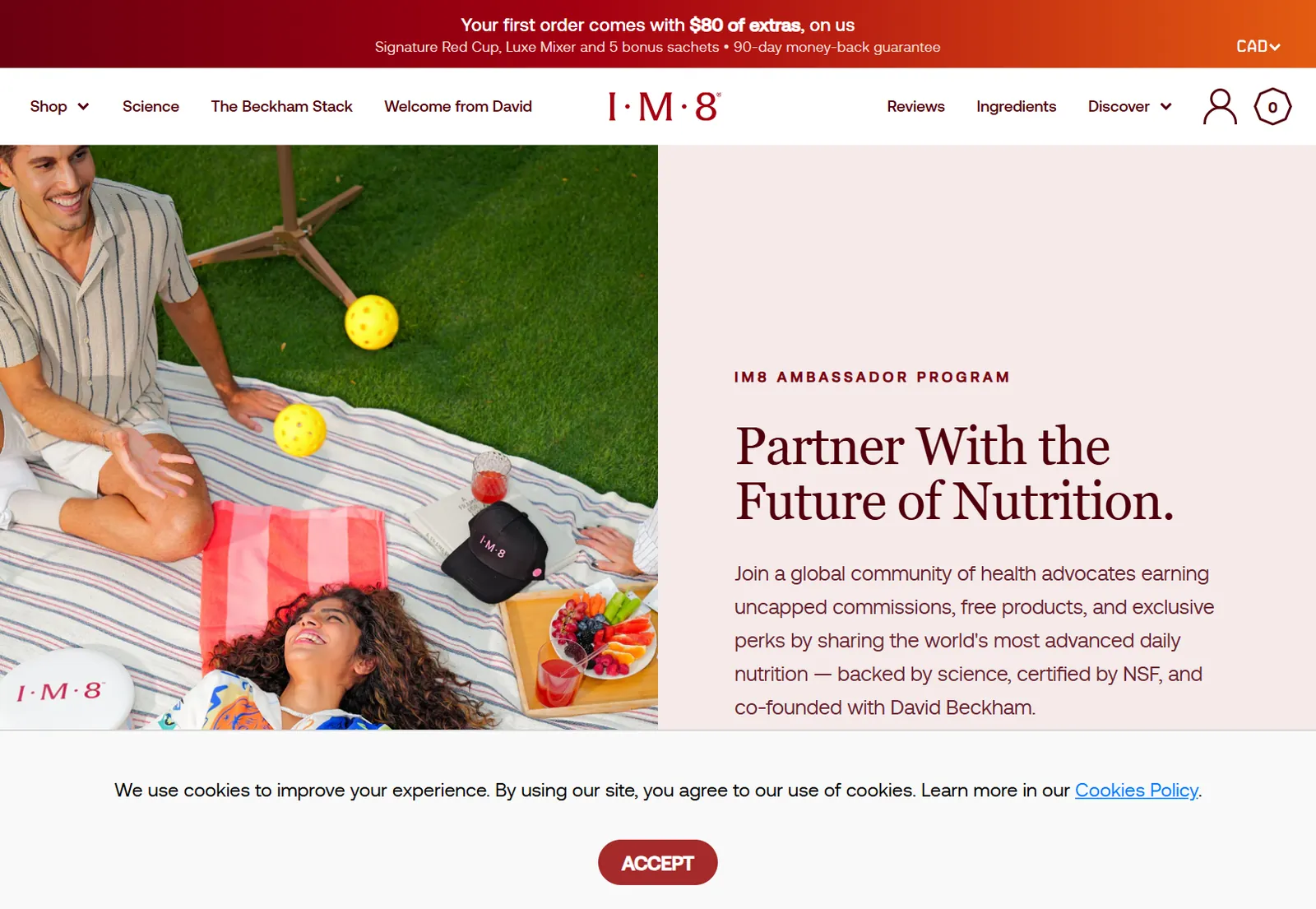
IM8 starts at a 10% commission and adds free product, events, prizes and a private Discord, giving an affiliate reasons beyond the commission to stick with IM8.
How do tiers keep creators selling?
A tier gives a creator something to lose and something to reach, and Force Factor ties earnings on older videos to at least 15 new ones every month.
- Neuro's Discord started with 500 creators, and you had to keep selling to stay in it.
- Force Factor has its creators post at least 15 new videos a month to keep earning on their older ones.
- One brand's creator group now runs three tiers with a path a creator can see, so moving up is something to aim at. The brand is Neuro, whose Discord now has a tier one, a tier two and a tier three that a creator works up through by the sales they bring in.
- The IM8 Ambassador Program: 10% on every new customer order through their link or code, 10% off for their audience, free product and merch, early flavours, challenges with prizes, and invites to IM8 events, masterclasses and workshops. Tracked on Social Snowball. Tiers at 1, 20, 75 and 300 orders. Physical rewards depend on stock and IM8's checks. Questions go to a private IM8 Ambassador Discord. Rules for paid ads started on 15 August 2026.
Heard on Open Residency at 7:40 and 7:49. From infleuncer Community playbook and Warmap, the ABCs system.
Which prizes do brands give their top creators?
A prize only a few creators can win is one the rest chase, the way Sugar Bear Hair's nicest box made other creators jealous.
- internal contest, A leaderboard, a monthly sales race, a prize for the best hook, a trip for the top ten, run among ambassadors who are already signed.
- The prizes are kept scarce on purpose. Ten creators go on a trip to Florida, or are given a Rolex. Three get put on a billboard across Miami or up in Times Square, and Neuro put some of its creators up in Times Square in December.
- One brand points at Sugar Bear Hair, which sent its creators the nicest box so the other creators got jealous. Neuro's CEO says its founder Dan Morris made creators earn their way into the group, then sent the ones inside to Coachella to spend time with the Kardashians and on a trip to Florida.
Heard on Open Residency at 9:53 and 11:29. From How we would scale an influencer strategy (tryshed).
How do challenges tell creators what to post?
A challenge gives a creator a specific video to make next, and at Mad Rabbit writing those challenges is part of one full time community manager's job.
- Mad Rabbit has 7,000 ambassadors, and some of them could not care less about commission. So it also gives them tasks to do in exchange for rewards, like a TikTok filmed in the Walmart aisle holding the product.
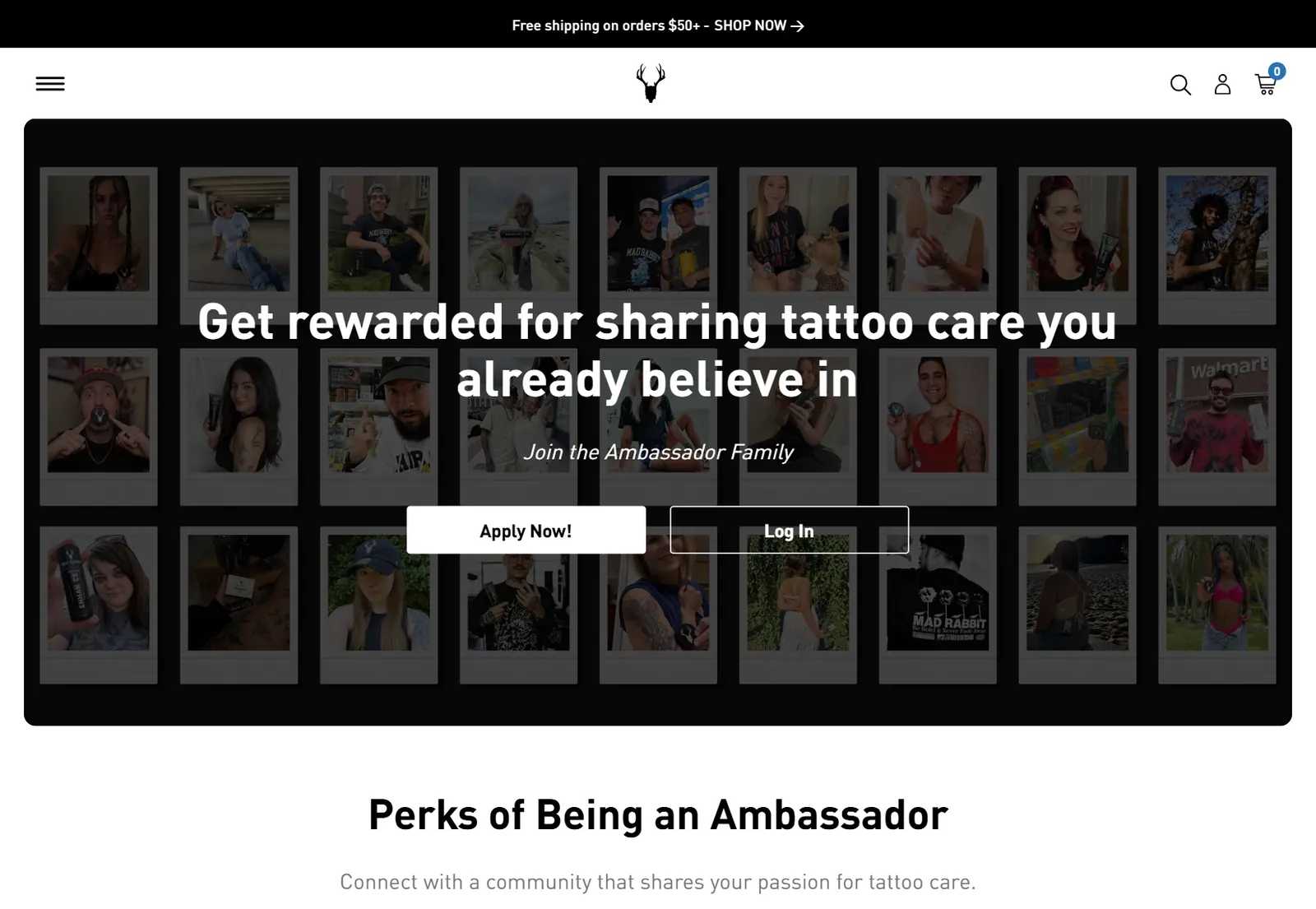
- Mad Rabbit has a full time community manager who moderates the Discord, writes the challenges for the ambassadors and talks with them every day.
Heard on Open Residency at 51:08 and 58:43.
Why do creators want a community to belong to?
A creator who buys into a mission and earns when the brand earns, as Bloom's community does, is selling for more than a prize.
- It works because creators show their face for you. Prizes help, and they also want to be part of something cool.
Give creators a mission to buy into. Being successful on TikTok means incentivizing hundreds and thousands of people.
- For the first time, Bloom's community makes money when Bloom does. The Bloom consumer is also the Bloom sales person.
- One reason to be on TikTok is that it is probably hard to build a big Discord community without it. You are not going to start one on Instagram alone.
Heard on Open Residency at 12:31 and 30:58, and on Marketing Operators at 58:19 and 54:30.
What does a big sweepstakes bring a brand?
A prize or a promise tied to one big moment can bring sales and sign ups in a single burst. Here is what Bucked Up and Ridge got from theirs.
- Bucked Up was the official sponsor of the Break 50 video that Bryson DeChambeau made with Steph Curry. Bryson offered 50% off the Bucked Up website for 24 hours if they broke 50, and they broke 50.
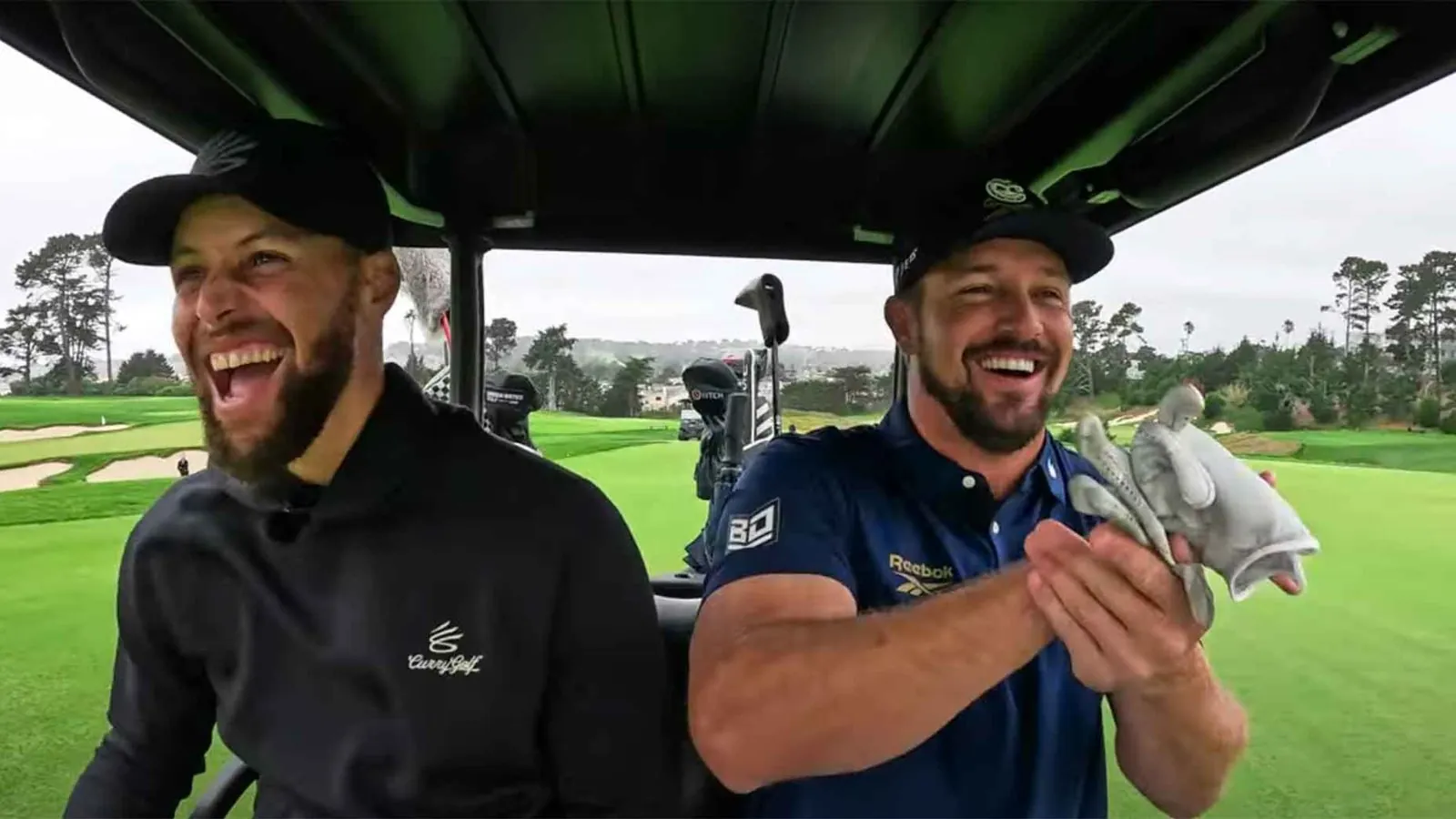
- Bucked Up did over $4 million in revenue in just those 24 hours. It says that alone paid for the sponsorship for the whole year.
- Ridge activated Tony Hawk for its sweepstakes, and says it has done extremely few things that friends and cousins text about. It is doing a full 6 week test on some of the upper funnel channels around the Tony Hawk content, to see if this type of partnership has a larger impact over a longer period of time.
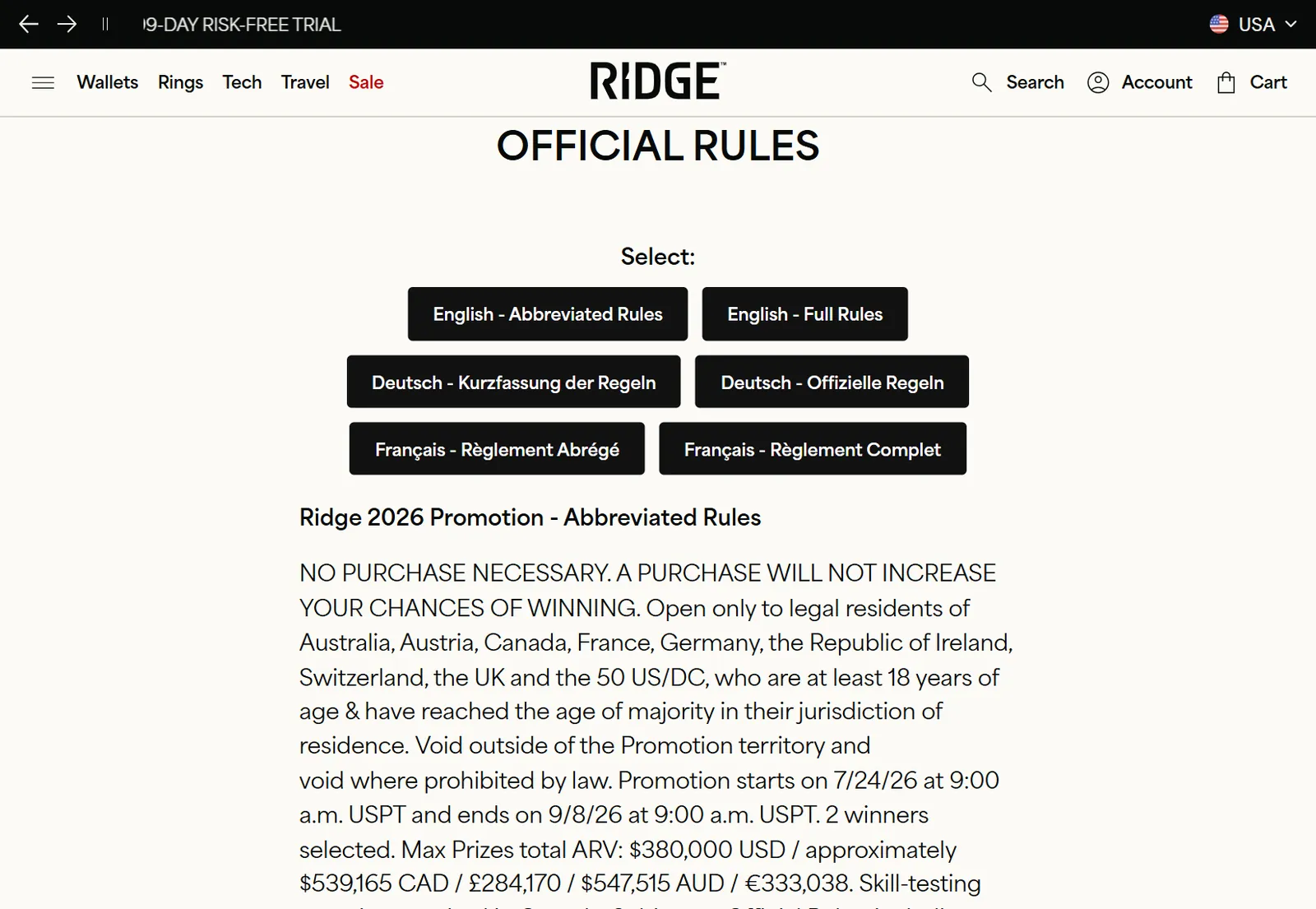
- In earlier years, Ridge said it had run four sweepstakes and given away a half a million dollars worth of cars. One of them got it 250,000 email subscribers and 100,000 SMS.
- In an earlier Ridge sweepstakes, the first winner got to select between a Lamborghini, a Hennessey VelociRaptor or $100,000 cash, and a second winner selected between the two remaining ones.
Heard on Bevlab at 20:39 and 21:04, and on Marketing Operators at 39:54, 0:18 and 49:26.
How do I keep good creators for the long run?
A deal that grows with the creator keeps them, and Mad Rabbit still works with Pony Lawson, who went from 40,000 YouTube subscribers to nearly $200,000 a month.
1. Who is this for?
- Brands already paying creators that want the same good ones back every month, not a new roster each launch.
2. What is the 1 number the story turns on?
- $200,000 a month on YouTube: what Mad Rabbit's tattoo artist Pony Lawson was closing in on, about a year & a half in.
3. How did they start?
- Mad Rabbit (2025): backs single creators with money & charity over the long term, beyond what they post for it.
4. What was the first move with creators?
- Mad Rabbit x Pony Lawson: a long term deal with a tattoo artist who had 40,000 YouTube subscribers.
- Around him: a full time community manager running the Discord, writing ambassador challenges & commenting on ambassadors' Instagram posts.
5. What happened next?
- Day 1: 40,000 subscribers.
- About a year & a half later: cracking $200,000 a month on YouTube soon, still in business with Mad Rabbit.
6. What is going on now?
- Ridge (2025): caps its paid UGC roster at 30 to 50 creators. 100 is too many to keep in consistent work.
- Vuori (2025): V1 Community membership runs 12 months. Members reapply every 12 months to stay in.
- Alani Nu (2026): monthly restocks, merch, pop up & shoot invites, a shot at a spotlight. @alaniambassadors has 883.4k followers.
- Neuro Gum (2025): private Discord started at 500 people with a minimum GMV goal to keep a spot. Miss it, you're out. Now 2 tiers.
- Neuro Gum (2025): Rolexes & a trip once a creator hits a set GMV milestone, on top of GMV pay.
- Glow Recipe (2020): the team travels to meet single influencers for coffee or breakfast, as a thank you.
- 1st Phorm (2026): Legionnaires earn free product every month. 8 past Athlete Search Winners started as Legionnaires.
- Cake's Body (2022): over 200 Hype Girl ambassadors. It hired one full time, & she now runs customer service.
7. What is the problem, or what went wrong?
- Ridge (2025): 100 free wallets gifted to find new UGC creators. About 2 made content worth paying for.
- Ridge (2026): 7,000 affiliate videos in a month. Half pushed wallets, which brought barely 30% of revenue.
- Its fix: tell affiliates which products earn more, in creator calls & its own Discord.
8. What should they do next?
- Neuro Gum (2026): a quarterly Zoom with its top creators, out of a group of around 25,000.
- Step: book a call every quarter with your top creators, a co-founder on it, to pass on the culture.
So
- So a creator stays when the deal keeps growing with them, not when the first box arrives.
Next comes what the creators are told to make.
Step 5 of 9 in the TikTok Shop affiliate playbook.
Next, step 6, What should creators make?
Back to step 4, What do you pay on top of commission?